The Jeep Liberty has captured the hearts of many drivers who want a compact SUV with rugged looks and real off-road power. Produced from 2002 to 2012, the Liberty offered a unique mix of comfort and capability. But not every year of the Liberty is equally reliable or enjoyable. Picking the best year for Jeep Liberty can save you money, headaches, and make your driving experience much better. In this article, you’ll find clear answers, helpful data, and expert tips to help you choose the smartest model year.
Jeep Liberty Overview
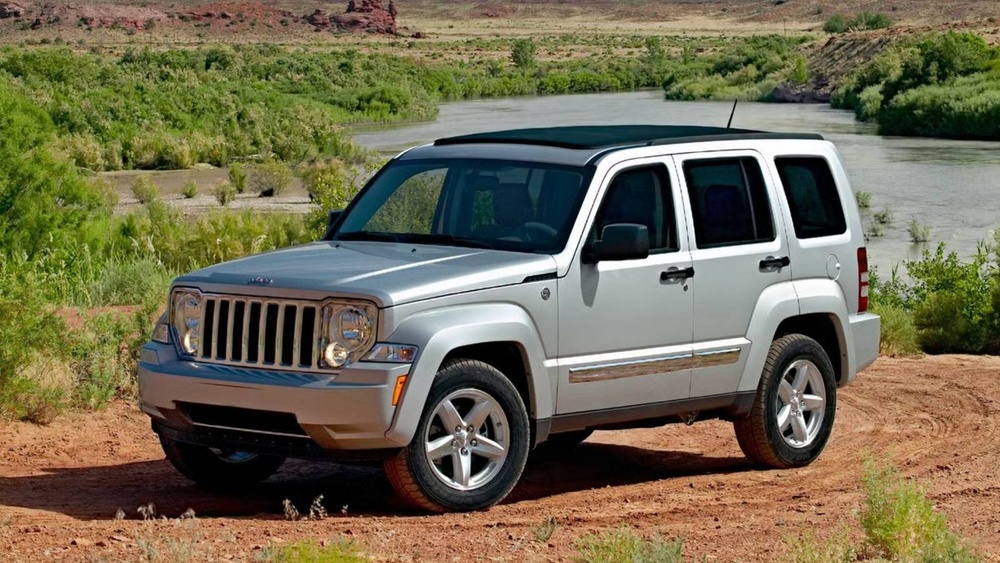
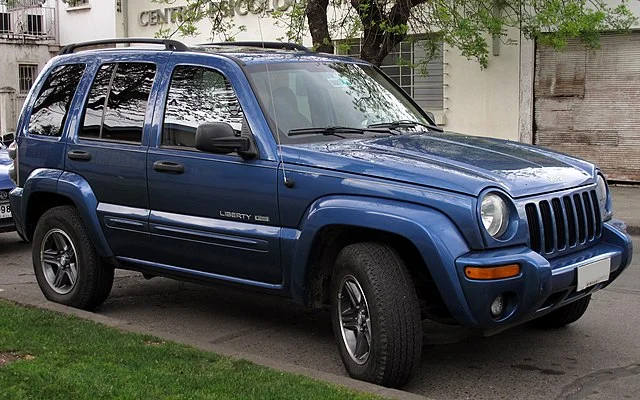
The Jeep Liberty entered the market as a replacement for the Cherokee. It stood out with its boxy shape, high ground clearance, and classic Jeep styling. Over two generations, the Liberty changed in design, engine options, and features. Here’s a quick comparison of the two generations:
| Generation | Years Produced | Main Features |
|---|---|---|
| KJ (First Gen) | 2002–2007 | Round headlights, 3 engine options, rugged suspension |
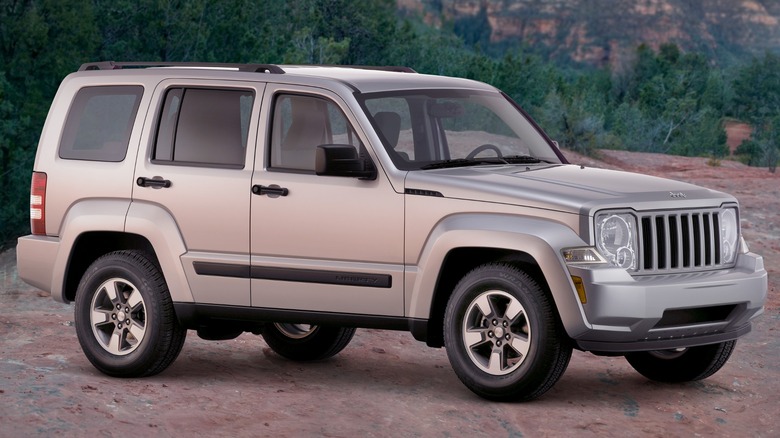
| KK (Second Gen) | 2008–2012 | Boxier design, improved interior, only V6 engine |
While both generations offer value, some years stand out for their reliability, comfort, and lower repair costs.
What Makes A Great Jeep Liberty Year?
Choosing the best year for Jeep Liberty depends on several factors:
- Reliability: Fewer mechanical problems and lower repair costs.
- Safety: Updated safety features and good crash test ratings.
- Comfort: Better ride quality, quiet cabin, and useful features.
- Value: Reasonable price for the features and condition.
Let’s look at which years perform best in these areas.
Top Jeep Liberty Years To Consider
Some Jeep Liberty years have a reputation for being more dependable and enjoyable than others. Based on owner reviews, repair data, and expert opinions, here are the top years to look for:
| Year | Key Strengths | Common Issues |
|---|---|---|
| 2007 | Last year of first gen, improved electronics, less rust | Window regulator failure |
| 2009 | Refined interior, less engine trouble, good safety features | Some electrical glitches |
| 2010 | Reliable V6, better ride comfort, modern tech | Occasional suspension wear |
| 2012 | Final production year, all issues mostly fixed, high safety | Higher used price |
Why 2012 Is Often Called The Best
Many experts and owners say the 2012 Jeep Liberty is the best choice. This model year benefits from all the upgrades and fixes made over the years. Here’s why it stands out:
- Most Reliable: Fewer reports of engine, transmission, or electrical problems.
- Best Safety Features: Electronic stability control, advanced airbags, and strong crash test results.
- Modern Comfort: Touchscreen audio, Bluetooth, and improved seats.
- Resale Value: Holds value better due to demand for the last production year.
A non-obvious insight: The 2012 Liberty has improved rust protection compared to earlier models, which matters if you live in snowy or wet areas.
Years To Avoid: Common Problems
Not every Jeep Liberty model is a wise buy. Some years are known for frequent repairs or safety issues. Here are the years most experts suggest avoiding:
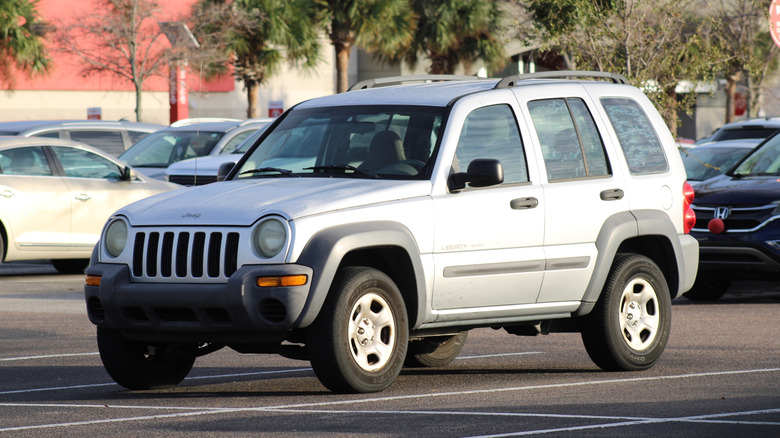
- 2002–2004: First models had weak window regulators, ball joint failures, and recalls for fuel leaks.
- 2005–2006: Diesel engine issues (if equipped), more frequent suspension problems.
If you want to save money on repairs and avoid hassle, it’s best to skip these years.
Practical Tips For Buying A Used Jeep Liberty
Buying a used SUV means checking for more than just the year. Here are some tips:
- Get a Vehicle History Report: Check for accidents, flood damage, and title problems.
- Inspect Undercarriage: Look for rust, especially on older models.
- Test 4WD System: Make sure the transfer case and 4WD engage smoothly.
- Check Window Operation: Window regulators are a known weak spot.
- Drive at Highway Speed: Listen for odd noises or vibrations.
A tip many miss: Later Liberties (2010–2012) often have more advanced sound deadening, making them quieter on the road.
How Jeep Liberty Compares To Rivals
When thinking about a used Jeep Liberty, it helps to compare it with similar SUVs. Here’s a quick look:
| Model | Main Strength | Main Weakness |
|---|---|---|
| Jeep Liberty | Off-road ability, classic Jeep look | Not as fuel-efficient |
| Honda CR-V | Reliability, fuel economy | Less off-road capable |
| Toyota RAV4 | Strong resale value, comfort | Higher price for used models |
| Ford Escape | Affordable, many engine choices | Mixed reliability reports |
The Liberty wins for off-roading and style, but you’ll spend more on gas than a CR-V or RAV4.
Is A Jeep Liberty Right For You?
A Jeep Liberty is a great pick if you:
- Want real off-road ability in a compact size
- Like the classic Jeep design
- Don’t mind higher fuel costs for more adventure
But if you only drive in the city and want the lowest running costs, another SUV might fit better.
Frequently Asked Questions
What Is The Best Year For Jeep Liberty?
Most experts and owners agree the 2012 Jeep Liberty is the best year. It has the fewest problems, best features, and highest safety ratings.
Is The Jeep Liberty Expensive To Maintain?
The Liberty is not the cheapest SUV to maintain, but repair costs are moderate compared to other Jeeps. Later models (2010–2012) tend to need fewer repairs.
Does The Jeep Liberty Handle Snow And Off-road Well?
Yes, the Jeep Liberty is excellent in snow and off-road. Its 4WD system and high clearance make it more capable than many rivals.
Are There Any Major Recalls On The Jeep Liberty?
Yes, some years had recalls for fuel leaks and suspension parts. Always check the VIN for completed recall repairs before buying.
Where Can I Find More Details About Jeep Liberty Reliability?
You can find more detailed reliability data on the Jeep Liberty Wikipedia page.
The Jeep Liberty shines for drivers who want adventure and classic style. Choosing the right year, especially the 2012 model, helps you enjoy this SUV with fewer problems and more fun. Remember to inspect any used car carefully and enjoy the journey wherever your Liberty takes you.