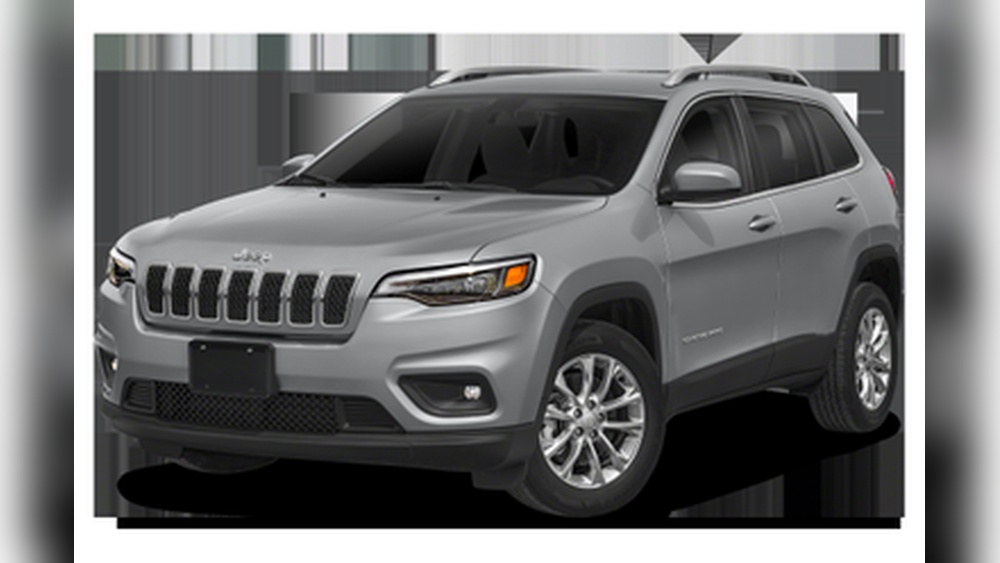
The 2020 Jeep Cherokee often draws attention for its rugged look and off-road ability. But when buyers ask, “Are 2020 Jeep Cherokees reliable?” the answer is not simple. Reliability can affect your wallet, peace of mind, and driving experience. If you’re considering this SUV, understanding its strengths and weaknesses can help you make a smart decision.
What Reliability Means For The 2020 Jeep Cherokee
Car reliability is more than just starting every morning. It’s about fewer repairs, lower costs, and fewer surprises during ownership. A reliable car usually has:
- Fewer breakdowns
- Lower repair bills
- Consistent performance over time
The 2020 Jeep Cherokee is not a brand-new design. It’s part of a generation that started in 2014 but has seen updates. This matters because older designs sometimes show more problems, but updates can fix past issues.
Common Issues And Owner Experiences
Many owners like the Jeep Cherokee’s comfort and technology. But reliability reviews are mixed. Some drivers report years of trouble-free use, while others deal with repeated repairs. The most common 2020 Cherokee problems include:
- Transmission issues: Some owners notice hard shifting or hesitation, especially with the 9-speed automatic.
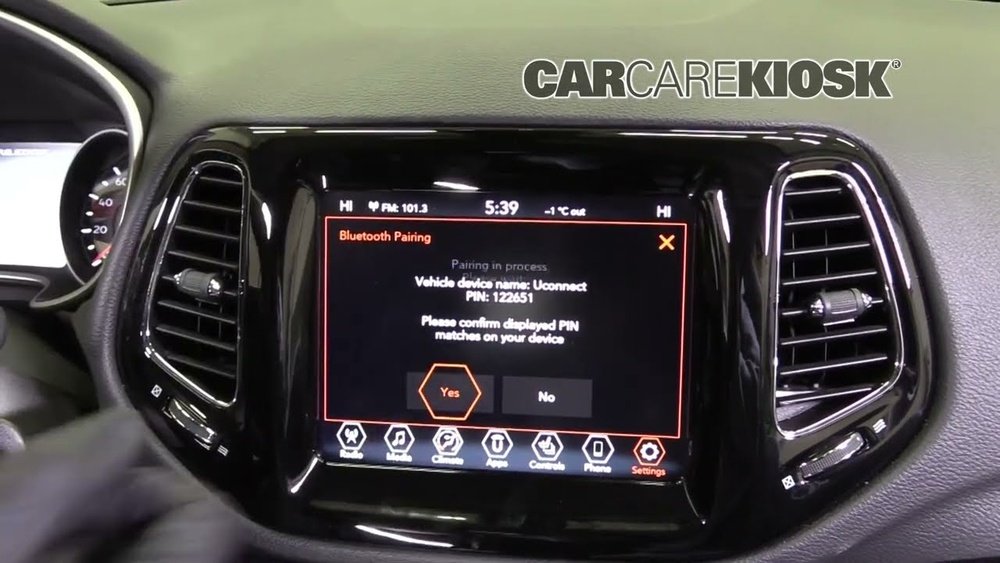
- Electrical glitches: Infotainment screens freezing, backup cameras failing, and warning lights coming on without reason.
- Engine stalling: Mostly with the 2.4L four-cylinder, though less common than in older Cherokees.
J.D. Power gives the 2020 Cherokee a reliability rating of 82 out of 100, which is average for its class. Consumer Reports ranks it below average, mainly due to past years’ problems carrying over.

Real-world Repair Data
Looking at repair records gives a clear picture. Here’s how the 2020 Cherokee compares to two rivals:
| Model | Annual Repair Cost | Common Issues |
|---|---|---|
| 2020 Jeep Cherokee | $520 | Transmission, electrical |
| 2020 Honda CR-V | $385 | AC, turbo engine |
| 2020 Toyota RAV4 | $429 | Transmission, fuel system |
The Cherokee’s repair costs are higher than some rivals, but not the highest in the small SUV segment.
Engine And Transmission: What To Expect
The 2020 Cherokee offers three engines:
- 2.4L four-cylinder
- 3.2L V6
- 2.0L turbocharged four-cylinder
The V6 and turbo are stronger and generally more reliable. The 2.
4L can develop oil consumption problems as it ages. All engines use the same 9-speed automatic, which gets mixed reviews.
Some Cherokees shift smoothly, while others are jerky or slow to respond.
Here’s a quick look at engine reliability:
| Engine | Common Issues | Best For |
|---|---|---|
| 2.4L I4 | Oil consumption, stalling | Budget buyers |
| 3.2L V6 | Minor leaks | Towing, power |
| 2.0L Turbo I4 | Turbo lag | Performance |
If you want fewer headaches, most mechanics suggest the V6.
Safety And Recalls
Safety is part of reliability. The 2020 Cherokee has high crash-test scores, but it’s had a few recalls:
- Fuel leak risk: Some V6 models needed a fix for a potential fuel leak.
- Transmission recall: Affects shifting in some models.
Most recalls are covered for free by Jeep, but it’s smart to check if any recall work was done before buying a used Cherokee.
Longevity: How Long Will It Last?
With good care, a 2020 Jeep Cherokee can last 150,000–200,000 miles. Regular oil changes, transmission service, and prompt repairs help. But, compared to a Honda CR-V or Toyota RAV4, the Cherokee might need more repairs as it ages.
Some owners report 100,000+ miles with only minor issues. Others face bigger repairs before hitting 100,000 miles.
This shows why maintenance records and pre-purchase inspections matter.

Owner Satisfaction And Resale Value
Owner satisfaction is tied to reliability. For the 2020 Cherokee, ratings are average. People love the style, comfort, and off-road ability, but dislike the unpredictable repairs. Resale value is also affected. After three years, a 2020 Cherokee keeps about 58% of its value, which is lower than some competitors.
Here’s a quick comparison of resale values after three years:
| Model | 3-Year Resale Value |
|---|---|
| Jeep Cherokee | 58% |
| Toyota RAV4 | 67% |
| Honda CR-V | 63% |
If you plan to keep your SUV for a long time, resale value matters less. But if you’ll sell in a few years, this is worth noting.
Tips For Buying A Used 2020 Jeep Cherokee
If you decide on a 2020 Cherokee, you can improve your experience:
- Choose higher trims: They often have better features and reliability.
- Check service records: Avoid vehicles with spotty maintenance.
- Get a pre-purchase inspection: A mechanic can spot hidden problems.
- Look for warranty coverage: Some Cherokees may still have factory warranty left.
Many buyers miss the value of a thorough test drive. Listen for odd noises, feel for rough shifting, and check that all electronics work. These small checks can save you money.
Frequently Asked Questions
Is The 2020 Jeep Cherokee Good For Long Road Trips?
Yes, the 2020 Cherokee is comfortable for long drives. The seats support your back, and there’s enough space for luggage. The V6 engine is best for highway use, especially if you’ll be towing.
How Does The 2020 Cherokee Handle Winter Or Off-road Driving?
It’s one of the best small SUVs for off-road and winter. The Trailhawk model has advanced 4×4 systems and higher ground clearance, making it strong in snow or mud.
Are Repairs Expensive For The 2020 Cherokee?
Repair costs are a bit higher than Honda or Toyota. Common repairs include transmission service and fixing electrical glitches. Using a trusted mechanic and regular service can lower costs.
What Is The Best Engine For Reliability?
The 3.2L V6 is the most reliable. It has fewer issues than the 2.4L. The turbo engine is good for power, but can be more costly to fix.
Where Can I Find More Detailed Reliability Data?
For in-depth reports, visit Consumer Reports. They provide owner surveys and expert analysis.
The 2020 Jeep Cherokee has strengths in comfort and off-road ability but is average for reliability. With smart shopping and regular care, it can serve many drivers well.
If reliability is your top priority, compare it closely with rivals before deciding.