Adjusting the steering wheel in your 2006 Jeep Wrangler is a small step that makes a big difference in your driving comfort and safety. Many drivers spend hours behind the wheel, so even a slight misalignment can cause fatigue, poor posture, or difficulty in handling. If you’ve never adjusted your steering wheel before, or you just bought a Wrangler and want to set it up perfectly for you, this guide will walk you through everything you need to know. You’ll learn how to adjust the wheel, understand common mistakes, and get tips to keep your driving experience comfortable and safe.
Why Adjusting Your Steering Wheel Matters
A properly positioned steering wheel does more than just feel good it affects how you control your Jeep and how safely you respond in an emergency. When the wheel is set to your height and reach, you reduce strain on your shoulders and arms.
It also ensures that you can see your gauges clearly and that the airbag will protect you correctly if you’re in a collision.
Many drivers overlook this simple adjustment, but it’s one of the first things you should check after getting into your Jeep. Over time, a poorly set wheel can even cause mild pain in your back, neck, or wrists.
For those who share their Wrangler with others, it’s smart to check the steering wheel every time before heading out.
Understanding The Steering Wheel Adjustment Mechanism
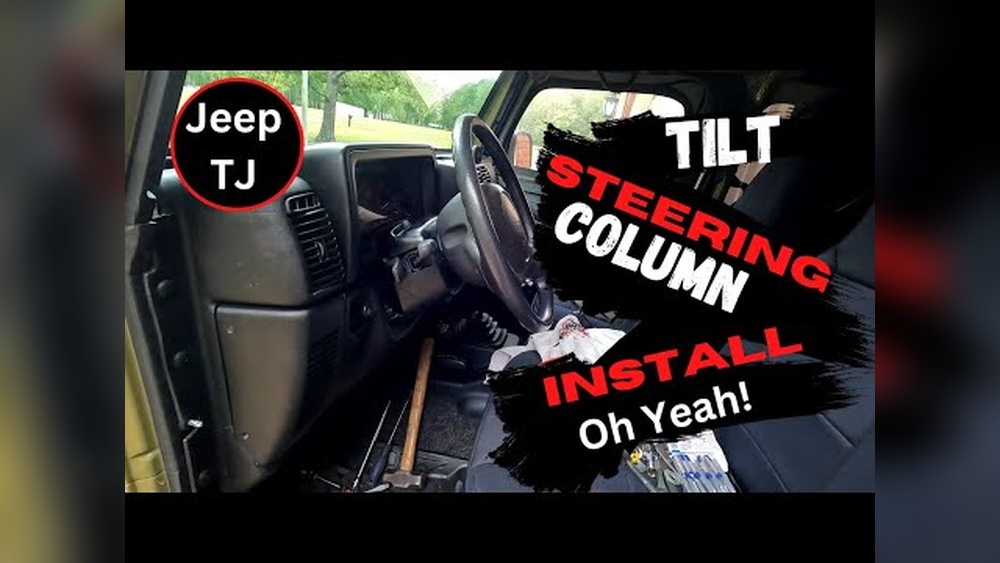
The 2006 Jeep Wrangler uses a tilt steering column. This means you can move the steering wheel up or down to fit your body size and preferred driving style. Unlike newer vehicles, this model does not have telescoping (in-and-out) adjustment, but the tilt feature is still very effective for most drivers.
Where To Find The Adjustment Lever
Look under the steering column, just below the wheel. You’ll see a small lever. This is the tilt adjustment lever. Some people miss it because it blends in with the plastic trim, but it’s easy to reach from the driver’s seat.
Step-by-step: How To Adjust Your 2006 Jeep Wrangler’s Steering Wheel
Getting the steering wheel into the right position is simple if you follow these steps:
- Park Safely: Make sure your Wrangler is parked on level ground. Put the gear in “Park” and set the parking brake.
- Locate the Tilt Lever: Reach under the steering column and find the tilt lever.
- Release the Lock: Pull the lever down. This unlocks the steering wheel.
- Adjust the Wheel: Move the wheel up or down. Set it so your arms are slightly bent and your hands rest comfortably at the “9 and 3” or “10 and 2” positions.
- Lock It Back: Push the lever back up to lock the steering wheel in place.
- Check Your View: Make sure you can see all the gauges and that your knees have space under the wheel.
Practical Example
Suppose you’re 5'4" and your spouse is 6'2". The steering wheel might feel too high for you and too low for them.
Each time you swap drivers, use these steps to set the wheel so you both have a clear view and comfortable reach.
Common Mistakes To Avoid
Most drivers overlook some important details when adjusting their steering wheel. Here are the top mistakes and how to avoid them:
- Not locking the tilt lever: If you forget to lock the lever, the wheel can move while you drive, which is dangerous.
- Setting the wheel too low: A low wheel can block your legs or knees, making it hard to brake or accelerate quickly.
- Ignoring the airbag: The airbag works best when the center of the wheel points at your chest. If it points at your face or stomach, you’re less protected.
- Obstructing the gauges: Make sure all dashboard indicators are visible—especially your speedometer and warning lights.
When To Adjust Your Steering Wheel
You don’t have to adjust the wheel every time you drive, but certain situations call for a quick check:
- After another driver uses your Jeep
- If you change your seat position
- When you notice discomfort in your arms or back
- If you can’t see all the gauges
Making small adjustments can prevent long-term discomfort and help you drive more safely.
Comparing The 2006 Jeep Wrangler’s Tilt Wheel To Other Vehicles
It helps to know how your Wrangler’s system compares with others. Here’s a quick comparison with two popular SUVs:
| Feature | 2006 Jeep Wrangler | 2006 Toyota 4Runner | 2006 Ford Explorer |
|---|---|---|---|
| Tilt Adjustment | Yes | Yes | Yes |
| Telescoping Adjustment | No | Yes | No |
| Adjustment Lever Location | Under column | Under column | Left side of column |
As you can see, the Wrangler offers a basic but effective adjustment. The lack of telescoping may feel limiting, but most drivers find the tilt feature covers their needs.
The Right Steering Wheel Position For Comfort And Safety
You might wonder, “How do I know the wheel is in the right spot?” Here are a few guidelines:
- Sit up straight in your seat.
- Your shoulders should touch the seatback.
- Reach for the steering wheel—your elbows should be slightly bent.
- Place your hands at “9 and 3” or “10 and 2”.
- Check that you see all the dashboard gauges.
- The wheel’s center should point at your chest, not your face or stomach.
Data: Ideal Steering Wheel Distance
Experts suggest the steering wheel should be about 10-12 inches from your chest. This allows the airbag to deploy safely and gives you good leverage for turning.
How Steering Wheel Position Affects Driving
The steering wheel’s position can change the way your Jeep feels on the road. Here’s how:
- Too high: Harder to steer, especially in tight turns. May block your view of the road.
- Too low: Can press against your legs, making fast pedal work difficult. May cause wrist strain.
- Too close: Increases risk from the airbag and makes your arms tired.
- Too far: Hard to grip; reduces steering control.
It’s worth taking a few minutes to experiment and find the spot that feels best for you.
Adjusting For Different Drivers
Sharing your Wrangler with family or friends? Here’s how to make switching easier:
- Each driver should set the seat first, then adjust the steering wheel.
- If you’re much taller or shorter than another driver, try marking your preferred positions with a small sticker under the column.
- Remind new drivers to check both the seat and wheel before they start driving.
This small routine helps everyone drive more comfortably and reduces the risk of accidents.
Real-world Example: Why Adjustment Matters
Imagine you’re driving on a road trip and start to feel tingling in your fingers or soreness in your neck. Most people blame bad roads or a long drive, but often, the steering wheel is just set too high or low.
Adjusting it just an inch can make your ride much more comfortable.
Table: Steering Wheel Adjustment And Driver Height
To help you set up your Wrangler, here’s a rough guide for steering wheel position based on driver height:
| Driver Height | Suggested Steering Wheel Position | Common Issues if Incorrect |
|---|---|---|
| Below 5’5″ | Lowest to middle | Blocked gauges, shoulder strain |
| 5’5″ – 6’0″ | Middle setting | Minor visibility issues |
| Above 6’0″ | Highest to middle | Knee contact, awkward arm angle |
Everyone is different, so use this as a starting point and adjust for your own comfort.
Tips For Long-term Comfort
- Recheck your position every few months, or after long trips.
- If you add seat covers or cushions, adjust the wheel again—they change your height.
- If you notice new pain while driving, try adjusting the wheel before visiting a doctor.
- Clean the area around the tilt lever—dirt can make the mechanism stiff or hard to use.
What To Do If The Tilt Mechanism Is Stuck
If you find the tilt lever is hard to move, don’t force it. Forcing can break the internal parts, which are costly to fix. Try these steps first:
- Wiggle the wheel gently while moving the lever.
- Make sure nothing is blocking the lever or wheel.
- If it’s still stuck, spray a small amount of silicone lubricant near the lever (avoid getting any on the airbag area).
- If it won’t move after that, visit a mechanic. The most common cause is a broken spring or worn plastic part inside the column.
Some owners of older Wranglers report the tilt mechanism getting stiff after years of use, especially if the Jeep is used off-road. Regular cleaning and gentle use will help extend its life.
The Role Of The Steering Wheel In Airbag Safety
The airbag in your 2006 Jeep Wrangler is designed to protect you best when the wheel is set correctly. If the wheel is too low or high, the airbag may not cushion your body as intended. Always check that the wheel’s center points at your chest—not your neck or stomach.
If you replace the steering wheel or make any major changes, always use Jeep-approved parts. Aftermarket wheels can change how the airbag works and may even cause warning lights to come on.
For more about airbag safety and proper wheel positioning, visit the National Highway Traffic Safety Administration.
Frequently Asked Questions
How Do I Know If My Steering Wheel Is Locked Securely?
After adjusting, gently push and pull the steering wheel. It should not move up or down. If it does, the lever isn’t locked push it all the way back into place.
Can I Adjust The Steering Wheel While Driving?
No. Always adjust the steering wheel while the Jeep is parked and the engine is off. Adjusting while driving is unsafe and could cause you to lose control.
Is There A Way To Move The Steering Wheel Closer Or Farther From Me?
The 2006 Jeep Wrangler does not have a telescoping steering wheel. You can only tilt it up or down. To change the distance, adjust your seat position.
What Should I Do If The Adjustment Lever Is Broken?
If the lever is loose or broken, do not drive until it’s repaired. A broken lever means the wheel can shift suddenly, which is dangerous. Visit a mechanic or Jeep dealer for repairs.
No. The tilt adjustment does not affect any electronic buttons or controls on your steering wheel. All functions will still work.
Taking a few minutes to adjust your steering wheel properly in your 2006 Jeep Wrangler can transform your driving experience. You’ll feel more comfortable, stay safer, and protect your vehicle’s airbag system. Don’t rush—experiment with different positions and find what works best for you. A small adjustment today can make every future drive much more enjoyable.