Cigarette lighters in cars might seem old-fashioned, but in many vehicles, including the Jeep Grand Cherokee, they are vital for powering devices like phone chargers, GPS units, and dash cams. When your cigarette lighter socket stops working, it can quickly become a frustration—especially if you rely on it daily for charging. Fixing the issue is often simpler than many owners expect. With a bit of patience, some basic tools, and guidance, you can restore your Jeep’s power outlet and save money on repairs.
This article guides you step by step on how to fix the cigarette lighter in your Jeep Grand Cherokee.
Whether you drive a classic 1990s model or a modern version, you’ll learn how to diagnose the problem, try easy fixes, and know when it’s time to seek expert help.
You’ll also discover common mistakes and practical tips that most beginners miss.
Understanding The Cigarette Lighter System In Jeep Grand Cherokee
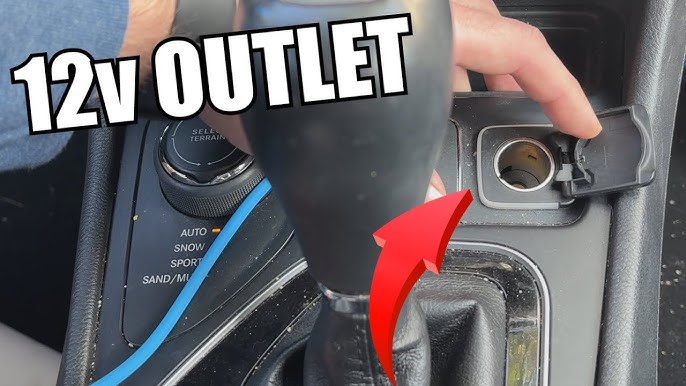
Before you begin repairs, it’s essential to understand how the cigarette lighter socket works in your vehicle. In most Jeep Grand Cherokees, the cigarette lighter is simply a 12-volt power outlet. It’s connected to the vehicle’s main electrical system through a fuse. The lighter and power outlet may be used interchangeably for charging devices.
Common Reasons For Failure
Several factors can cause the cigarette lighter to stop working:
- Blown fuse: The most frequent problem. The fuse protects the socket from electrical surges.
- Foreign object or debris: Coins, dust, or small items can block the socket or cause a short circuit.
- Burned or damaged socket: Overheating from continuous use can melt or deform the socket.
- Loose wiring: Vibration or previous repairs may cause wires to disconnect or loosen.
- Faulty device: Sometimes the problem is with the charger or adapter, not the socket.
Knowing these points helps you diagnose and fix the issue efficiently.
Tools And Materials You Will Need
You don’t need advanced tools to fix a Jeep Grand Cherokee cigarette lighter. Here’s a list of what you’ll typically use:
- Flathead screwdriver
- Phillips screwdriver
- Needle-nose pliers
- 12V test light or multimeter
- Replacement fuse (check your owner’s manual for the correct amperage, usually 15A or 20A)
- Replacement socket (optional, if the socket is damaged)
- Flashlight
- Cleaning brush or compressed air
Having these items ready will save you time during the repair.
Diagnosing The Problem
Finding the exact cause is crucial for a successful repair. Here’s how you can systematically diagnose the problem:
1. Test The Cigarette Lighter Socket
Plug in a device you know works (like your phone charger) into the socket. If it doesn’t power on, try the device in another vehicle. If it works elsewhere, the problem is likely with your Jeep’s socket.
2. Inspect For Debris Or Damage
Shine a flashlight into the socket. Look for any foreign objects, burn marks, or obvious damage. If you see coins or debris, use needle-nose pliers or a brush to remove them. Be gentle to avoid damaging the metal contacts.
3. Check The Fuse
Fuses are designed to blow (break the circuit) when there’s a power surge or short. In Jeep Grand Cherokees, the fuse box is usually under the dashboard or in the engine bay. Your owner’s manual will tell you the exact location and which fuse controls the lighter.
Follow these steps:
- Turn off the ignition and remove the key.
- Open the fuse box.
- Locate the cigarette lighter fuse (sometimes labeled “CIG” or “PWR OUTLET”).
- Remove the fuse with pliers and inspect it. A blown fuse will have a broken metal strip inside.
4. Test The Wiring
If the fuse looks fine, the next step is to test the socket for power. Use a 12V test light or multimeter:
- Insert the test probe into the socket’s center terminal (the power supply).
- Ground the test light on a metal part of the car.
- Turn the ignition to “ON.”
- If the test light doesn’t illuminate, there’s no power reaching the socket—indicating a wiring or connection problem.
5. Try A Different Adapter
Sometimes, the problem is with the charger or device you’re using, not the socket. Use a different adapter to rule out this possibility.
Replacing A Blown Fuse
A blown fuse is the most common reason the cigarette lighter stops working. Replacing it is quick and easy.
| Step | Action | Details |
|---|---|---|
| 1 | Locate the fuse box | Under dash or in engine bay |
| 2 | Find the correct fuse | Refer to owner’s manual for label |
| 3 | Remove the fuse | Use pliers, pull straight out |
| 4 | Inspect the fuse | Look for broken filament |
| 5 | Install new fuse | Use fuse of same amperage |
| 6 | Test the socket | Plug in a device to check |
If the new fuse blows immediately after installation, there’s likely a short circuit. Do not keep replacing fuses, as this can cause further electrical issues.
Cleaning Or Repairing The Socket
If debris is blocking the socket or the contacts are dirty, follow these steps:
- Disconnect the car battery to avoid short circuits.
- Use a brush or compressed air to clean the socket.
- Inspect the metal contacts for corrosion or discoloration. If present, gently clean with a small wire brush.
- Reconnect the battery and test the socket.
If the socket is melted or deformed, replacement is necessary.
Replacing The Cigarette Lighter Socket
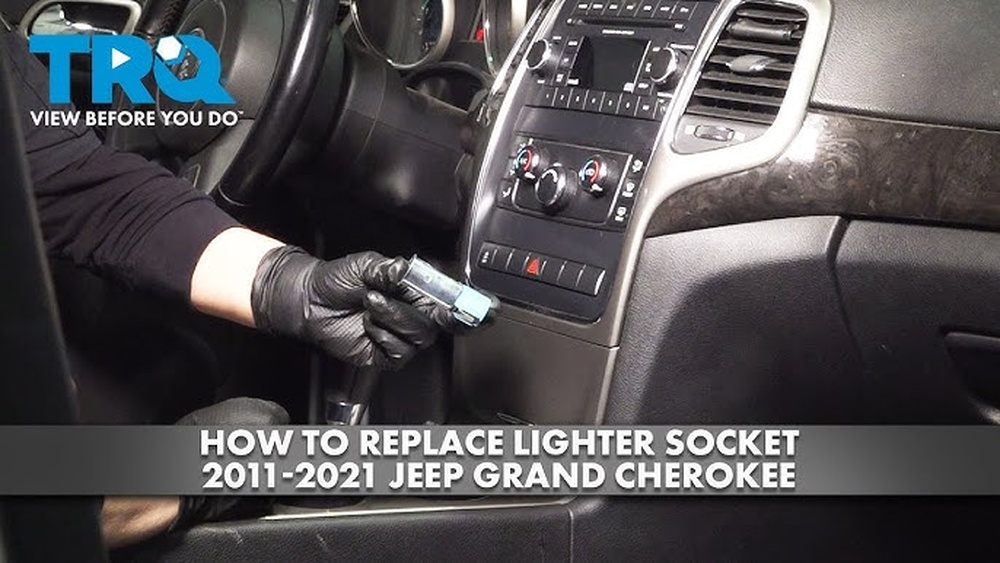
If cleaning doesn’t help and the fuse is fine, you may need to replace the socket. This sounds complex, but with some care, it’s a manageable job.
Steps To Replace The Socket
- Disconnect the negative battery cable.
- Use a flathead screwdriver to carefully pry out the trim surrounding the socket.
- Unscrew or unclip the socket from the dashboard.
- Disconnect the wiring harness from the back of the socket.
- Connect the new socket to the wiring harness.
- Secure the new socket in place.
- Reattach the trim.
- Reconnect the battery and test the new socket.
Choosing A Replacement Socket
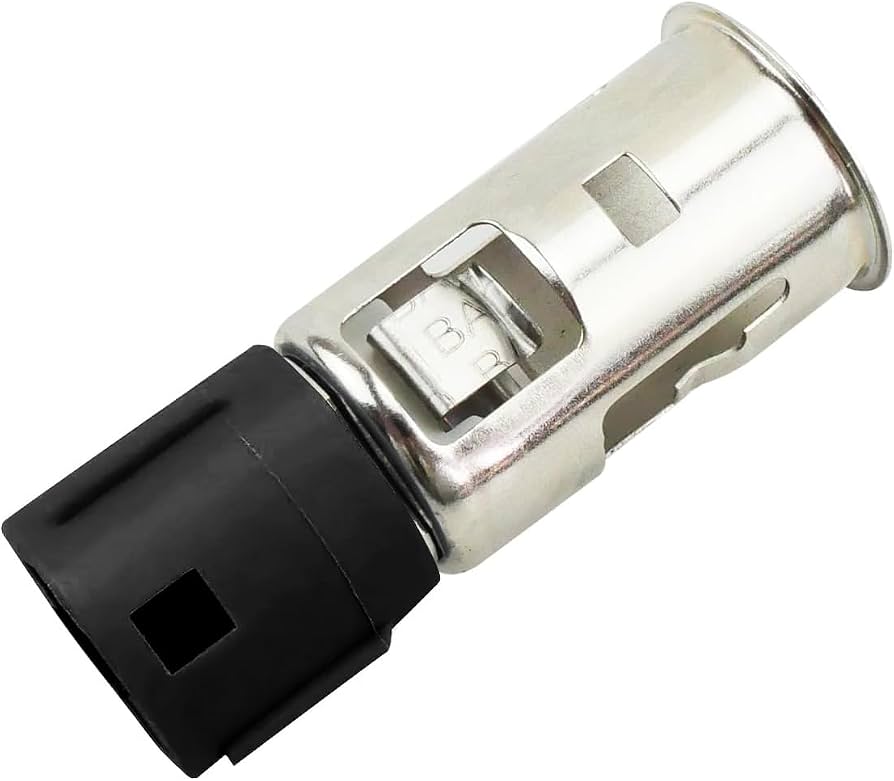
When buying a new socket, make sure it matches your Jeep’s model year. Some sockets have extra features like built-in USB ports. Double-check the socket’s voltage rating (should be 12V) and the maximum current it can handle.
Common Mistakes To Avoid
Many owners make simple errors when fixing their cigarette lighter. Here are common mistakes and how to avoid them:
- Using the wrong fuse amperage: Always use a fuse with the same rating as the original. A higher rating can damage wiring.
- Not disconnecting the battery: Skipping this step can cause shocks or short circuits.
- Forcing objects into the socket: This can bend contacts or create permanent damage.
- Ignoring repeated blown fuses: This points to a deeper wiring issue, not just a bad fuse.
- Forgetting to check the device: Sometimes, the issue is a faulty charger, not the car.
When To Seek Professional Help
While most cigarette lighter problems are easy to solve, some issues need expert attention. If you notice any of these signs, visit a mechanic:
- Burnt smell or visible melting around the socket
- Repeated blown fuses, even after cleaning and inspection
- No power at the socket after checking wiring and connections
- Multiple electrical accessories failing at once
Professional mechanics have the tools to trace wiring and handle complex electrical repairs safely.
Practical Tips For Preventing Future Problems
Prevention is always better than cure. Here are some tips to keep your Jeep Grand Cherokee’s cigarette lighter working smoothly:
- Avoid plugging in high-power devices (like air compressors) unless the socket is rated for it.
- Regularly clean the socket to prevent dust buildup.
- Do not use adapters that feel loose or get hot during use.
- Check your device’s power requirements before plugging in.
- Replace weak or frayed chargers immediately.
Cost And Time Estimates
Fixing a cigarette lighter in a Jeep Grand Cherokee is often inexpensive and quick. Here’s what you can expect:
| Repair Type | Estimated Cost | Time Required |
|---|---|---|
| Replace fuse | $2–$10 | 5–10 minutes |
| Clean socket | $0–$5 | 10–20 minutes |
| Replace socket | $10–$40 | 30–60 minutes |
| Professional repair | $60–$150 | 1–2 hours |
Most owners can fix common issues in less than an hour without professional help.
Real-world Example
Consider a 2015 Jeep Grand Cherokee owner who noticed their phone wasn’t charging. After testing multiple devices, they found the lighter socket was dead. Checking the fuse box, they discovered a blown 20A fuse. Replacing it fixed the problem immediately.
However, after a week, the fuse blew again pointing to a deeper problem. Cleaning the socket revealed a small coin wedged inside, causing a short. After removal and a new fuse, the issue was resolved permanently.
Advanced Troubleshooting: Power Outlet Vs. Cigarette Lighter Socket
Some Jeep Grand Cherokees have more than one 12V outlet. If only one socket isn’t working, the issue is usually local (fuse or debris). If all power outlets are dead, the problem is likely a main fuse or wiring issue.
| Symptom | Likely Cause | Solution |
|---|---|---|
| Only one outlet dead | Blown fuse or debris | Replace fuse, clean socket |
| All outlets dead | Main fuse, wiring, or relay | Check main fuse, inspect wiring |
| Socket works, but charger doesn’t | Faulty charger or device | Replace charger |
Non-obvious Insights Most Beginners Miss
- Not all fuses are in the same box: Some Jeep Grand Cherokee models have secondary fuse boxes in the cargo area. Always check your manual for all fuse locations.
- Key position matters: In some models, the power outlet only works when the ignition is in the “ON” or “RUN” position. Test the socket with the key turned to avoid misdiagnosis.
Where To Find Reliable Parts And Information
For original or high-quality replacement parts, use trusted auto parts stores or your local Jeep dealer. Avoid very cheap online parts—they might not fit or last. For diagrams and more technical help, the official Jeep website is a reliable resource.
Frequently Asked Questions
Why Did My Cigarette Lighter Fuse Blow?
A fuse usually blows due to a power surge, short circuit, or plugging in a device that draws too much current. Sometimes, coins or debris inside the socket can also cause a short.
Can I Use A Higher Amperage Fuse To Prevent It From Blowing?
No, always use the correct amperage fuse as listed in your owner’s manual. Using a higher-rated fuse can damage your Jeep’s wiring and create a fire hazard.
Is It Safe To Clean The Socket With A Metal Object?
Avoid using metal objects, as they can bend contacts or cause a short circuit. Use a plastic brush or compressed air for cleaning.
My Charger Works In Other Cars But Not In My Jeep. What Does This Mean?
This usually means there is no power reaching your Jeep’s socket. Check the fuse, wiring, and socket for issues.
Do All Grand Cherokees Have The Same Cigarette Lighter Fuse Location?
No, fuse locations may vary by model year and trim. Always check your owner’s manual for the correct diagram and location.
Fixing the cigarette lighter in your Jeep Grand Cherokee is usually a simple task if you follow a systematic approach. By diagnosing the problem, avoiding common mistakes, and knowing when to seek help, you can quickly get your 12V outlet working again.
With this guide, you’ll not only save money but also gain confidence in handling small car repairs yourself.