If you’re driving your Jeep and suddenly see the overheating light turn on, it can be both stressful and confusing. Many Jeep owners have faced this situation, whether on city streets or off-road adventures.
Knowing what this warning means and how to react can save your engine from serious damage and your wallet from costly repairs. This guide explains why the overheating light appears, what you should do, and how to prevent it in the future.
What The Jeep Overheating Light Means
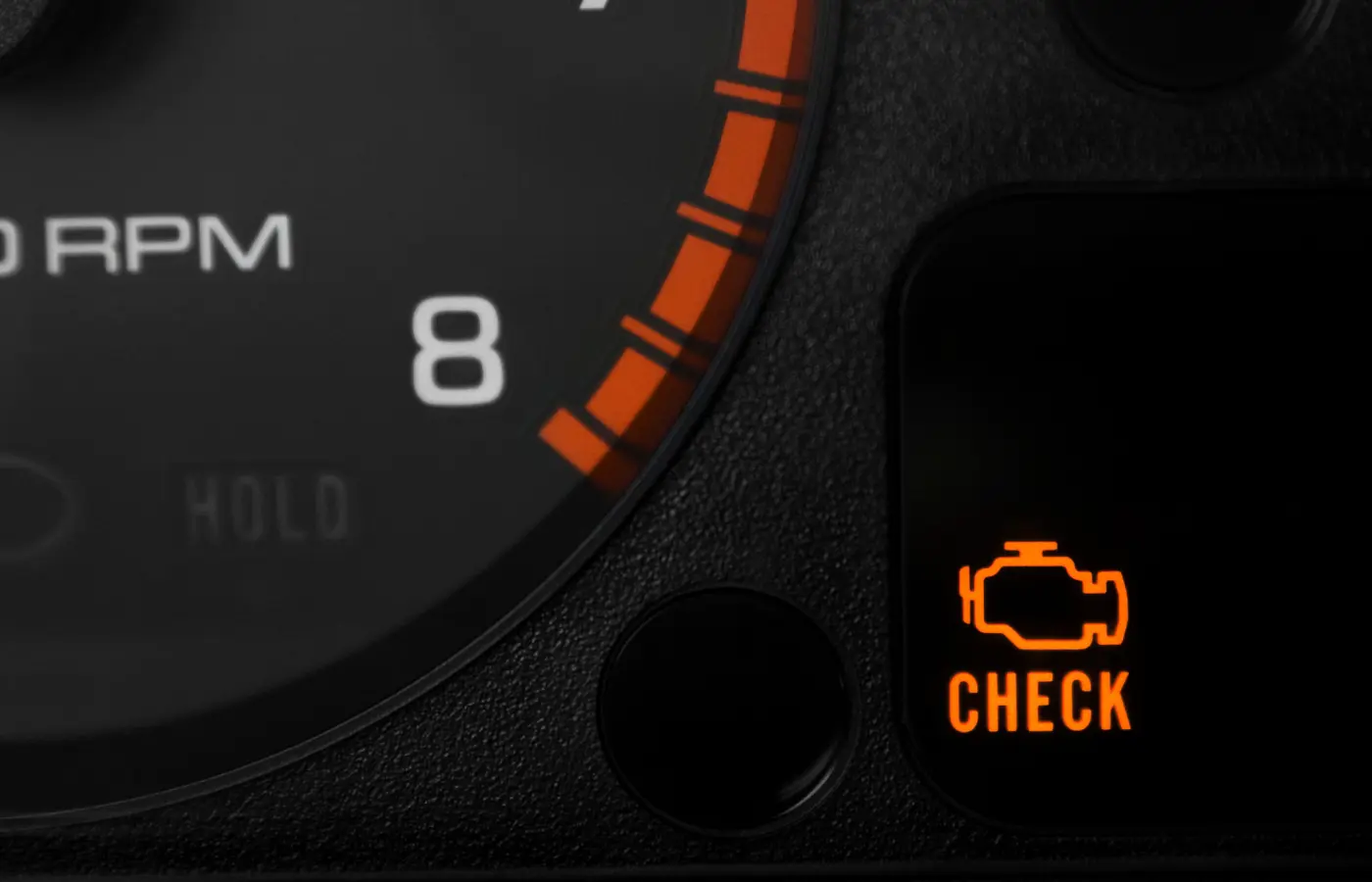
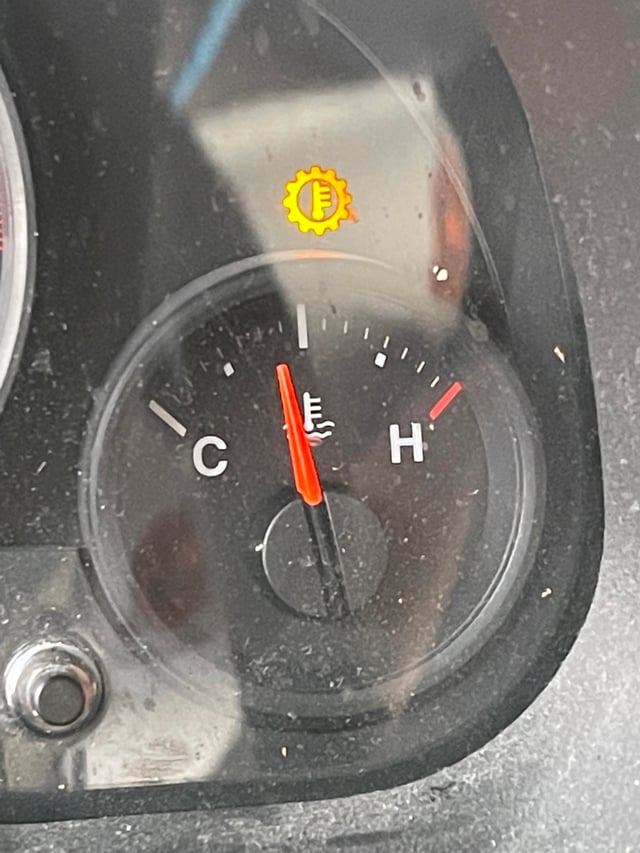
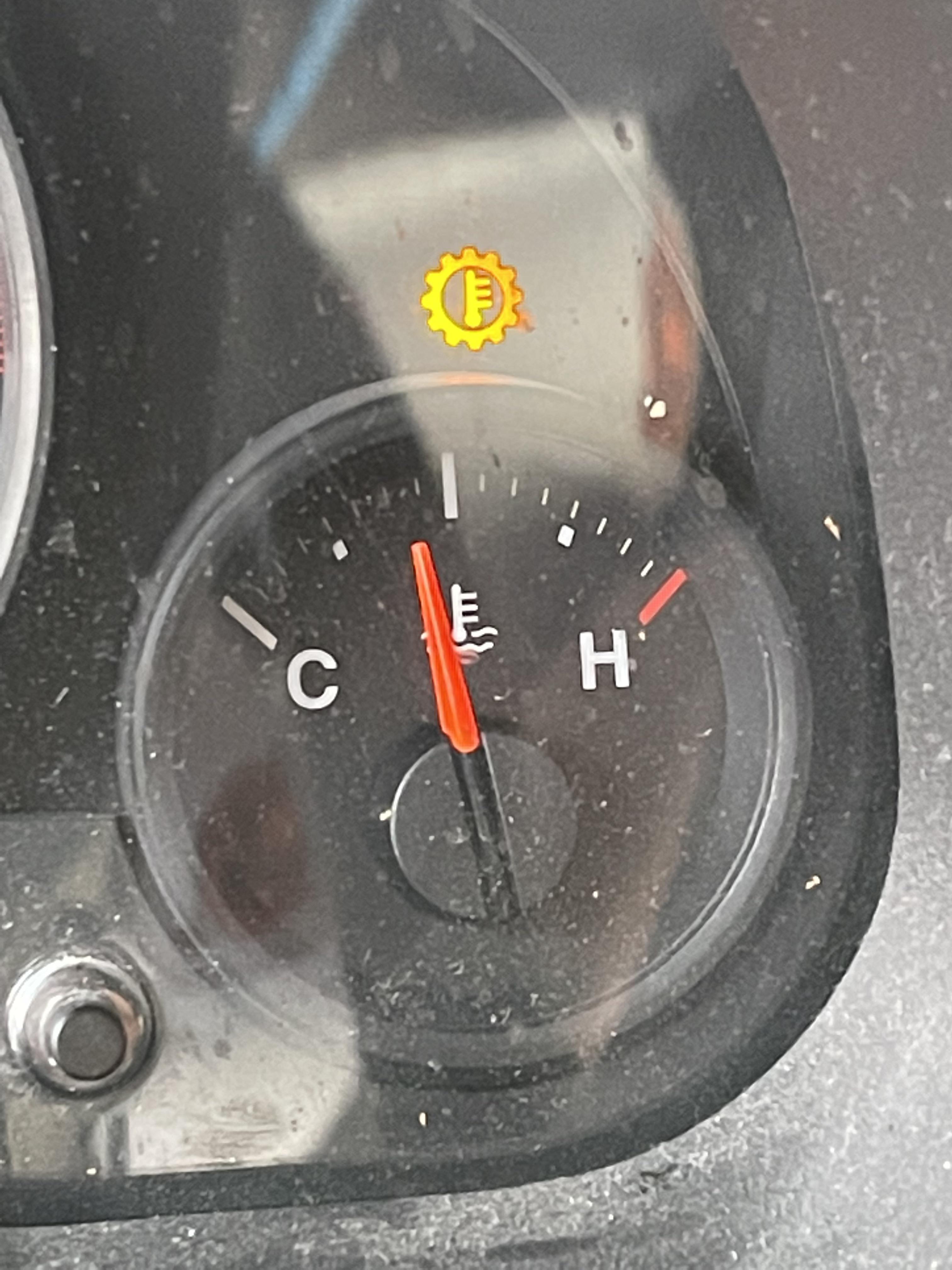
The overheating light is a clear warning that your engine’s temperature is above the safe range. Most Jeeps use a bright red or orange light on the dashboard, often with a thermometer symbol. When this light comes on, the engine is at risk of damage from excess heat.
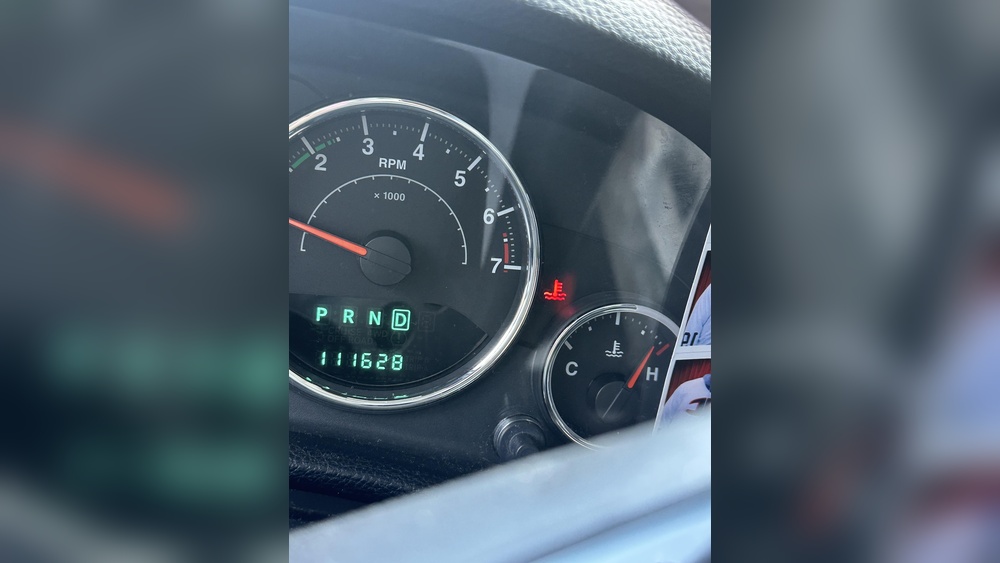
A Jeep’s normal operating temperature usually sits between 195°F and 220°F (90°C–104°C). If the coolant temperature sensor detects higher levels, the light activates. Sometimes you may also see a “Check Gauges” or “Check Engine” message.
Reacting quickly can make a big difference. Continuing to drive with an overheating engine can lead to blown head gaskets, warped cylinder heads, or even a complete engine failure.
Common Causes Of Jeep Overheating
Several problems can trigger the overheating light in your Jeep. Here are the most frequent causes:
- Low Coolant Level – If the coolant is low or leaking, the engine cannot stay cool.
- Broken Thermostat – A stuck thermostat may block coolant flow, causing heat to build up.
- Radiator Issues – Blocked, dirty, or cracked radiators limit heat exchange.
- Faulty Water Pump – The water pump circulates coolant; if it fails, the system overheats.
- Cooling Fan Problems – Electric or clutch fans that don’t spin fast enough can’t cool the radiator.
- Head Gasket Failure – A blown gasket lets hot gases into the coolant, quickly raising engine temperature.
- Blocked Hoses – Debris or collapsed hoses restrict coolant flow.
Sometimes, a combination of these problems is present. For example, a leaking hose can cause low coolant and eventually damage the water pump.
What To Do When The Overheating Light Comes On
If you notice the overheating light while driving your Jeep, follow these steps:
- Pull Over Safely – Stop as soon as it’s safe. Do not keep driving long distances.
- Turn Off the Engine – Allow the engine to cool down before opening the hood.
- Check Coolant Level – After cooling (20–30 minutes), check the coolant reservoir. Never open the radiator cap when hot.
- Look for Leaks – Examine under the Jeep for green, orange, or pink fluid puddles.
- Inspect Belts and Hoses – Check for broken or loose parts.
- Call for Help if Needed – If you see steam, hear bubbling, or the problem continues, get professional assistance.
Driving a short distance to a safe spot is okay, but never push an overheating engine for long. Some Jeep engines (like the 4.
0L inline-six) are strong, but constant overheating can still cause permanent harm.
Key Differences: Jeep Overheating Vs. Other Warning Lights
Jeep dashboards display many warnings. Here’s how the overheating light compares to other common alerts:
| Warning Light | Symbol | Meaning | Urgency |
|---|---|---|---|
| Engine Overheating | Thermometer | Engine too hot | Immediate |
| Check Engine | Engine block | System fault | Soon |
| Oil Pressure | Oil can | Low oil pressure | Immediate |
| Battery | Battery | Charging problem | Attention |
The overheating light and oil pressure light both require stopping the vehicle right away. Ignoring these can cause engine damage fast.
How To Prevent Jeep Engine Overheating
Regular maintenance is the best way to avoid seeing the overheating light at all. Here’s what works:
- Check Coolant Regularly: Top off with the correct type for your Jeep.
- Inspect Hoses and Belts: Look for cracks, leaks, or soft spots.
- Clean the Radiator: Remove bugs, mud, and debris from the radiator fins.
- Flush the Cooling System: Change coolant every 2–3 years or 30,000 miles.
- Monitor the Temperature Gauge: Don’t ignore slow rises in temperature.
- Replace Thermostat Proactively: Most fail after 5–7 years.
- Service the Water Pump: If you hear whining noises, investigate promptly.
One thing many Jeep owners miss: check the radiator cap. A weak or leaky cap can cause coolant to escape as steam, leading to gradual overheating. Always use the correct pressure rating.
Real-world Example: Jeep Wrangler Overheating
Consider a 2014 Jeep Wrangler owner who notices the overheating light after off-roading in summer. They stop, open the hood after cooling, and see the coolant reservoir is empty. On inspection, they find a cracked radiator hose, likely damaged by rocks. After replacing the hose and refilling coolant, the problem is fixed.
This example shows that off-road driving can stress the cooling system. After heavy use, check under your Jeep for damage, especially if you drive through brush, mud, or water.
Cost Of Fixing Jeep Overheating Problems
How much will repairs cost if your Jeep overheats? Here’s a quick overview:
| Component | Typical Repair Cost (USD) |
|---|---|
| Thermostat Replacement | $120 – $250 |
| Radiator Replacement | $400 – $900 |
| Water Pump Replacement | $300 – $700 |
| Head Gasket Repair | $1,200 – $2,500 |
| Coolant Flush | $100 – $200 |
Prices vary by model and location. Acting early, before the engine overheats severely, can save you hundreds or even thousands of dollars.
Jeep Models Most Affected By Overheating
While any Jeep can overheat, some models are more likely to have problems:
| Model | Years Noted | Common Issue |
|---|---|---|
| Wrangler (JK) | 2007–2018 | Radiator leaks |
| Cherokee (XJ) | 1984–2001 | Clogged radiator |
| Grand Cherokee | 1999–2004 | Water pump failure |
| Liberty | 2002–2012 | Thermostat issues |
Knowing your Jeep’s history can help you plan for common repairs.
When To Seek Professional Help
While some overheating problems are simple, others need an expert. If you notice:
- Repeated overheating after refilling coolant
- White smoke from the exhaust
- Engine misfires
- Coolant in the oil (milky appearance)
It’s time to visit a trusted mechanic. These signs can mean a serious internal engine problem.
For more about engine overheating, check the Wikipedia entry on vehicle overheating.
Frequently Asked Questions
What Should I Do If My Jeep Overheats In Traffic?
Turn off the air conditioning, set the heater to maximum, and move to a safe spot. The heater helps draw heat away from the engine.
Stop and turn off the engine as soon as possible.
Can I Drive With The Overheating Light On If I’m Close To Home?
No. Driving even a short distance with the overheating light on can cause major engine damage. Always stop and address the issue right away.
How Can I Tell If My Jeep’s Thermostat Is Bad?
Common signs include temperature gauge spikes, slow engine warm-up, or no heat from the heater. If the thermostat sticks shut, the engine overheats quickly.
Why Does My Jeep Overheat Only When Idling?
This often points to a bad cooling fan, clogged radiator, or air trapped in the cooling system. These problems reduce cooling at low speeds.
How Often Should I Change The Coolant In My Jeep?
Most experts recommend every 2–3 years or 30,000 miles. Always use the recommended coolant type for your model.
Catching overheating early and knowing what steps to take gives your Jeep a longer, healthier life. Pay attention to warning lights and act fast—the engine will thank you.