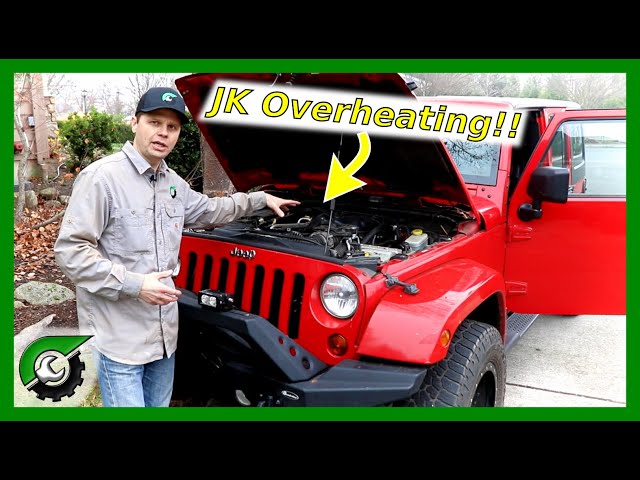
If your Jeep JK has ever left you worried about the temperature gauge creeping into the red, you’re not alone. Overheating is a known issue for many Jeep JK owners, especially when tackling tough trails or hot summers.
But frequent overheating isn’t just an annoyance; it can lead to engine damage and expensive repairs if ignored.
Understanding why this happens and what you can do about it is key to keeping your Jeep running strong, both on-road and off.
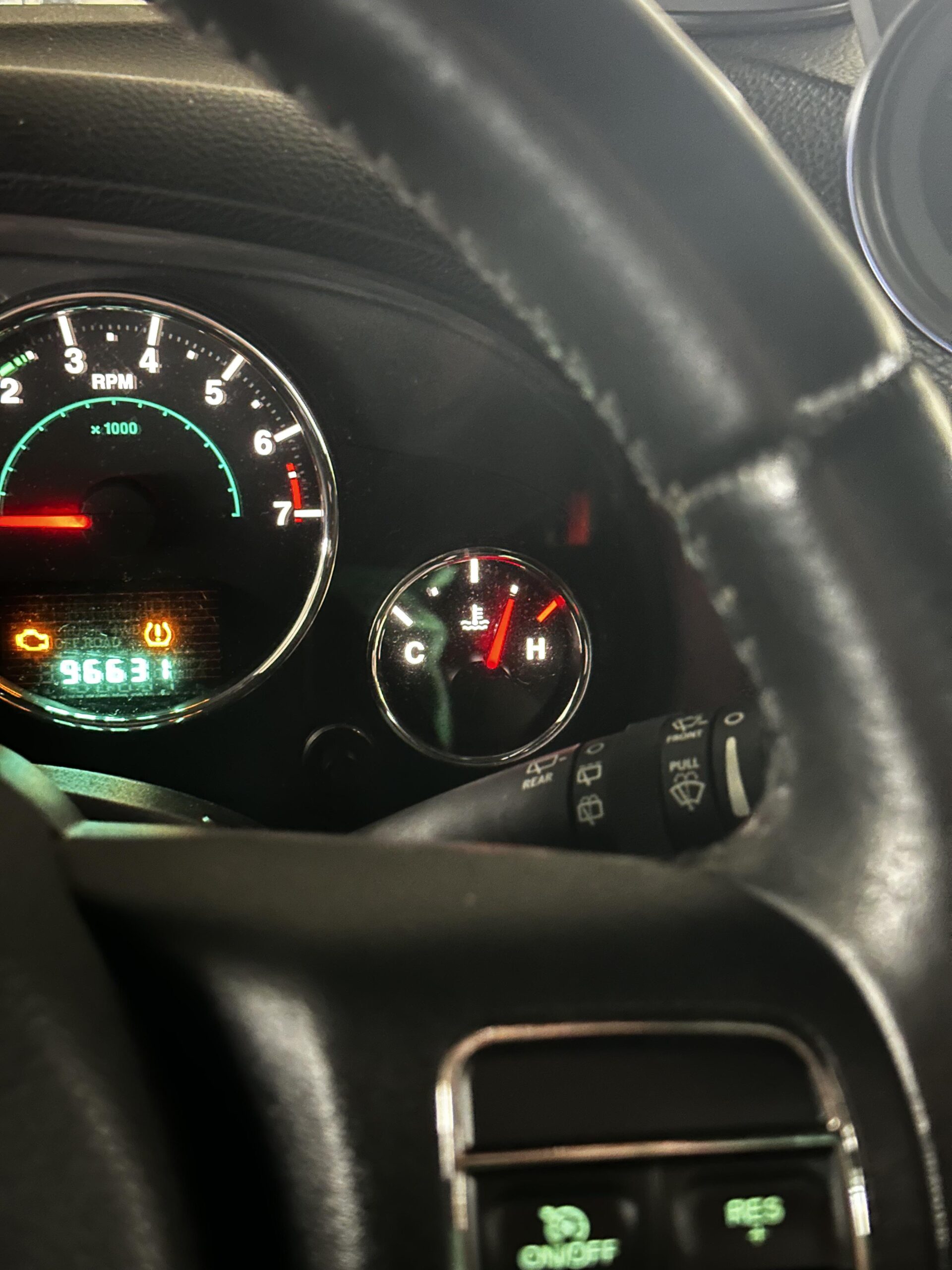
Common Causes Of Jeep Jk Overheating
Several factors can make the Jeep JK more likely to overheat. Some are simple to fix, while others need deeper inspection.
Low coolant levels: Coolant is vital for heat transfer. Even a small leak can cause the engine to run too hot.
Faulty thermostat: If stuck closed, it blocks coolant flow and quickly overheats the engine.
Clogged radiator: Dirt, mud, or debris can reduce airflow. Over time, internal clogging from old coolant or rust also restricts cooling.
Bad water pump: This pump circulates coolant. If it fails, coolant can’t move, and temperatures soar.
Worn radiator cap: A weak cap can’t hold the needed pressure, causing coolant to boil or leak out.
Broken cooling fan: An electric or mechanical fan that doesn’t work won’t pull enough air through the radiator, especially when idling or moving slowly.
Real-world Example
Many 2012–2018 Jeep JK owners reported overheating after driving off-road in hot weather. Dust and mud build-up on the radiator fins blocked airflow, causing rapid temperature spikes.
How To Diagnose Overheating Problems
A logical approach helps you find the real cause faster. Start simple, then dig deeper if needed.
Check coolant level when the engine is cold. Top up if it’s low, and look for leaks under the Jeep.
Inspect the radiator for mud, debris, or bent fins. Shine a flashlight to check for blockages.
Test the thermostat by feeling the upper radiator hose as the engine warms up. If it stays cool, the thermostat may be stuck closed.
Listen for the cooling fan when the engine gets hot. If you don’t hear it, investigate the fan motor or relay.
Look for coolant leaks around the water pump, hoses, and radiator cap.
Key Diagnostic Table
here’s A Quick Comparison Of Common Overheating Causes And Signs:
Cause | Typical Sign | DIY Solution? |
|---|---|---|
Low Coolant | Visible leaks, low reservoir | Yes, refill/repair leak |
Thermostat Failure | Cool upper hose, hot engine | Yes, replace thermostat |
Clogged Radiator | Overheats at idle & speed | Partial, clean fins/flush |
Bad Water Pump | Coolant around pump, noise | No, mechanic needed |
Proven Solutions And Preventive Measures
Once you know the cause, solutions are usually straightforward. Regular maintenance also lowers the risk of future overheating.
Essential Steps
Flush coolant system every 30,000–50,000 miles or two years.
Clean radiator fins with gentle water spray after off-roading.
Replace thermostat if it’s older than five years or shows issues.
Upgrade cooling fan or radiator if you tow, rock crawl, or run oversized tires.
Check hoses and clamps for cracks, bulges, or leaks.
Upgrades Worth Considering
Some Jeep JK owners find the stock cooling system just isn’t enough for extreme conditions. Upgrading to an aluminum radiator or adding a high-flow water pump can help. These parts boost cooling efficiency, especially when driving in hot climates or with heavy loads.
Preventive Comparison Table
How do basic maintenance and upgrades stack up for preventing overheating?
Action | Effectiveness | Cost |
|---|---|---|
Regular Coolant Flush | High | Low |
Cleaning Radiator | Medium | Low |
Thermostat Replacement | High | Medium |
Aluminum Radiator Upgrade | Very High | High |
Two Insights Many Miss
First, many owners focus only on the radiator but forget about the heater core. A clogged heater core can restrict coolant flow and add to overheating, even if the radiator looks fine.
Second, air pockets in the cooling system after repairs or coolant changes can cause sudden overheating. Always bleed the system properly to remove trapped air.

When To See A Professional
If you’ve tried the steps above and your Jeep JK still overheats, it’s time for expert help. Persistent overheating can mean a blown head gasket, internal blockages, or other engine problems. Delaying repairs here risks severe damage.
Why Does My Jeep Jk Overheat Only When Idling?
When idling, airflow through the radiator drops. If your cooling fan is weak or not turning on, the engine can overheat quickly. Check the fan motor, relay, and fuses.
Is It Safe To Drive A Jeep Jk That Is Overheating?
No. Driving while overheating can warp the cylinder head or damage the engine. Pull over, shut off the engine, and let it cool before investigating.
How Often Should I Change The Coolant?
Replace coolant every two years or 30,000–50,000 miles, whichever comes first. This prevents corrosion and build-up inside the cooling system.
Can Bigger Tires Cause Overheating?
Yes, oversized tires make the engine work harder, generating more heat. Combine this with off-roading or towing, and the stock cooling system may not keep up.
Where Can I Find More Detailed Jeep Jk Repair Information?
For in-depth repair guides and technical details, check the official Jeep Wrangler page on Wikipedia.
Overheating in a Jeep JK can be frustrating, but with the right knowledge and regular checks, you can keep your Jeep cool under any conditions. Pay attention to early signs, act quickly, and never ignore rising temperatures.
With a bit of care, your Jeep JK will handle the heat and keep you adventuring for years to come.