Replacing wheel bearings on a 2004 Jeep Liberty can seem like a big task, but with the right tools and guidance, it’s a job many car owners can handle at home. Good wheel bearings keep your ride smooth and safe, reducing noise and allowing your wheels to spin freely. When bearings start to fail, you may hear grinding sounds or feel vibrations while driving. This guide walks you through each step of the replacement process, offers helpful tips, and shares insights to make your repair successful, even if you’re not a professional mechanic.
Signs Your Wheel Bearings Need Replacement
Wheel bearings last a long time, but they do wear out. Watch for these signs on your 2004 Jeep Liberty:
- Grinding or humming noise from the wheels, especially when turning. It often gets louder as you speed up or when you shift the steering wheel.
- Vibration in the steering wheel or car body at certain speeds. This vibration may come and go, and sometimes you feel it most when the car is loaded or driving over rough roads.
- Uneven tire wear that doesn’t match normal use. If one tire wears out faster or has strange patterns, the bearing could be the cause.
- ABS warning light can sometimes signal bearing issues. This light may turn on even before you hear noise, especially if the sensor is built into the hub.
- Wheel wobble when the car is lifted or during a drive. You might feel looseness or notice extra movement when you grab the wheel and shake it.
Ignoring these signs can lead to more expensive repairs and unsafe driving. Sometimes, bad bearings can also affect braking, making it harder to stop quickly. If you notice any of these symptoms, check your bearings soon.
Tools And Parts You’ll Need
Before starting, gather these essentials:
- New wheel bearing assembly (front or rear, as needed)
- Jack and jack stands
- Lug wrench
- Socket set (metric and SAE)
- Breaker bar
- Torque wrench
- Hammer
- Pry bar
- Screwdrivers
- Needle-nose pliers
- Penetrating oil
- Shop rags
- Safety glasses and gloves
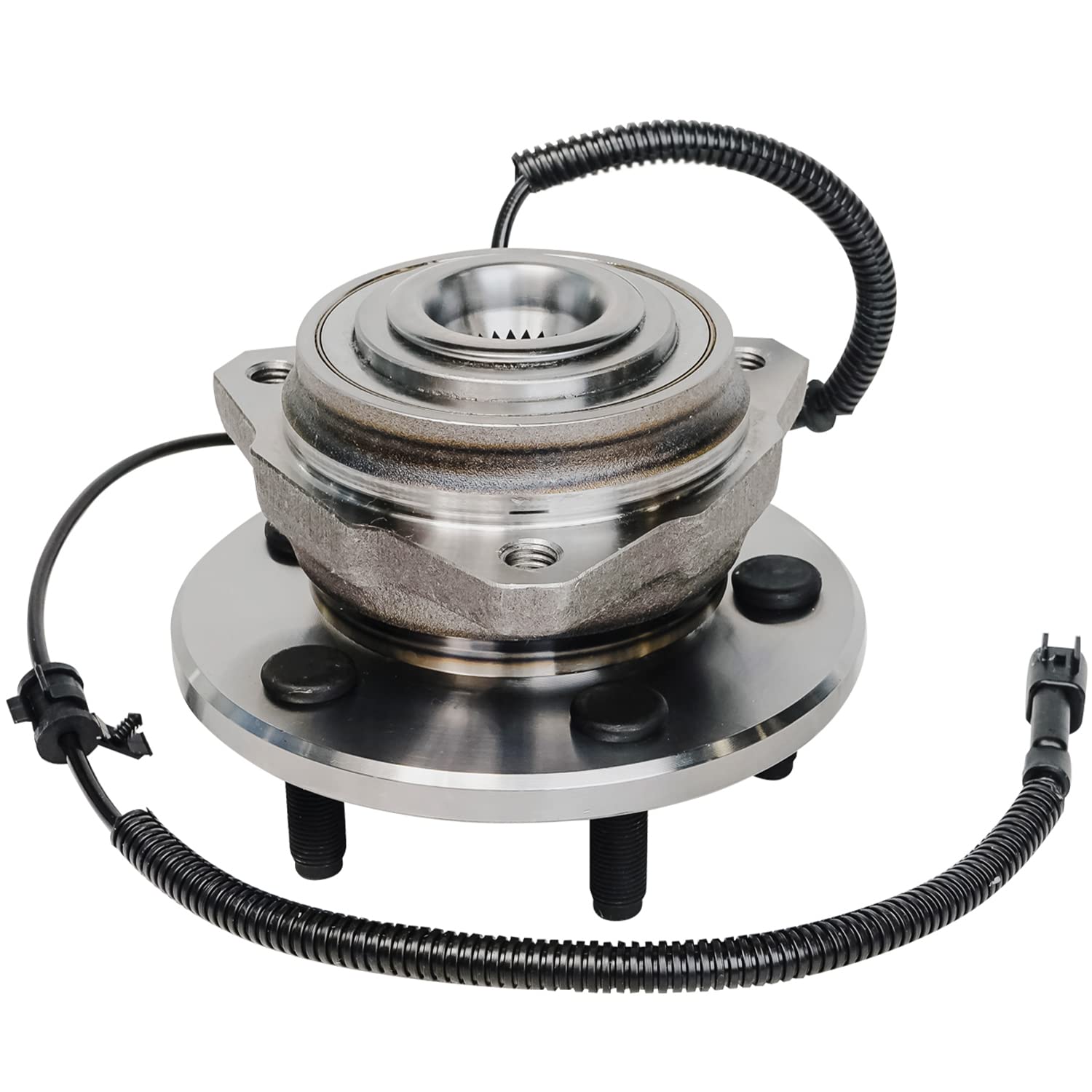
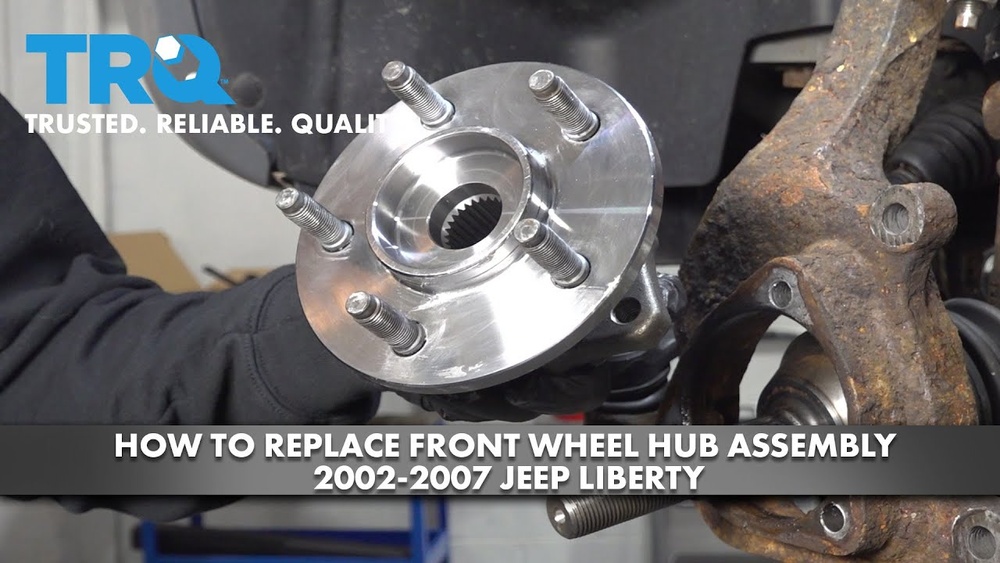
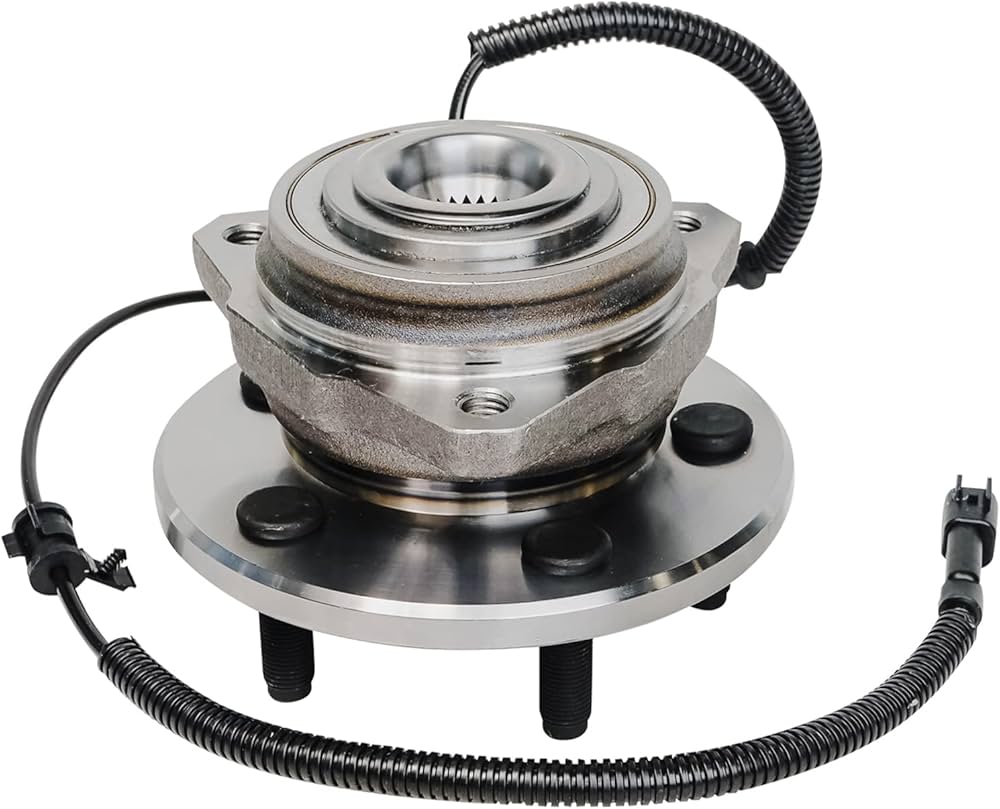
For the 2004 Jeep Liberty, the wheel bearing comes as a hub assembly, making the job more straightforward. You don’t need a press, which is required for some older vehicles.
If you have air tools, they can speed up the process, but hand tools are enough.
Having a flashlight handy helps when working in tight or dark spaces. It’s also wise to keep a small tray for bolts and parts, so nothing gets lost.
Preparing Your Jeep For The Job
- Park on a flat surface. Engage the parking brake. If you have wheel chocks, place them behind the wheels that stay on the ground.
- Loosen the lug nuts on the wheel you’ll be working on. Do this before lifting, as it’s safer and prevents the wheel from spinning.
- Lift the vehicle using a jack, and support it securely with jack stands. Never rely on the jack alone—always use stands for safety.
- Remove the wheel and set it aside. Take a moment to inspect the brake and suspension components for other wear.
Always double-check that your Jeep is stable before working underneath. If you have a helper, ask them to check the stands and keep an eye out while you work.
Removing The Old Wheel Bearing
Accessing The Hub Assembly
- Remove the brake caliper and support it with a hanger or bungee cord. Don’t let it dangle from the brake line. If the bolts are hard to reach, turn the steering wheel for better access.
- Take off the brake rotor. If it’s stuck, gently tap with a hammer. Sometimes rust can hold it tight, so use a bit of penetrating oil around the hub.
- Unbolt the axle nut (front bearings). You may need a breaker bar for extra leverage. A large socket—often 32mm or similar—is required.
- Disconnect the ABS sensor if your Jeep has one. Use needle-nose pliers if the connector is stubborn, but avoid pulling on the wires.
Taking Out The Hub Assembly
- Spray penetrating oil on the hub bolts and let it sit for a few minutes. This makes removal easier and prevents snapping bolts.
- Remove the three hub mounting bolts from the back of the knuckle. These bolts can be tight, so use steady force and avoid sudden jerks.
- Use a hammer or puller to loosen and remove the hub assembly. Sometimes, hubs are stuck from years of road grime and rust, so patience is key. If you need a hub puller, local auto stores often loan these tools.
Tip: Corrosion can make this tough. Patience and more penetrating oil help. If the hub won’t budge, try tapping around the sides evenly. Avoid hitting the ABS sensor or damaging the knuckle.
Installing The New Wheel Bearing
Hub Assembly Installation
- Clean the knuckle surface before installing the new hub. Remove all rust and debris so the new bearing sits flat.
- Align the new bearing hub and slide it into place. Make sure the bolt holes line up exactly.
- Insert and tighten the hub mounting bolts to factory torque specs (usually around 75 ft-lbs—check your manual). Use a torque wrench for accuracy; overtightening can crack the knuckle.
- Reconnect the ABS sensor and route the wire safely. Secure the wire with clips, away from moving parts.
Reassembling The Brakes
- Slide the brake rotor back on. If it doesn’t sit flat, check for rust or debris.
- Reinstall the brake caliper. Make sure all bolts are secure. If the caliper is hard to fit, use a C-clamp to gently compress the piston.
- Hand-tighten the axle nut (front only). Wait to torque fully until the vehicle is back on the ground.
Final Steps
- Reinstall the wheel and hand-tighten the lug nuts. Use your fingers first to avoid cross-threading.
- Lower your Jeep back to the ground. Remove the jack stands carefully.
- Torque the lug nuts in a crisscross pattern to 100 ft-lbs. This prevents warping the rotor and ensures even tightening.
- Tighten the axle nut to factory spec (usually 175 ft-lbs for the front). You may need someone to step on the brake pedal while you torque.
- Pump the brake pedal a few times to restore pressure. The pedal may feel soft at first, but should firm up after several pumps.
Helpful Comparison: Oem Vs Aftermarket Bearings
Choosing the right wheel bearing matters. Here’s a look at OEM (original) vs aftermarket parts:
| Feature | OEM Bearing | Aftermarket Bearing |
|---|---|---|
| Fit and Quality | Exact match, factory standard | Varies by brand |
| Warranty | 1-3 years, often with support | Can be longer, but less support |
| Cost | Higher price | Often cheaper |
| Availability | Dealers and select stores | Many online options |
Non-obvious insight: Some aftermarket bearings come pre-greased and sealed, making installation easier but impossible to service later. Also, some aftermarket brands offer upgraded materials for heavy-duty use, but this isn’t always necessary unless you drive in tough conditions.
Common Mistakes To Avoid
- Not torquing bolts to spec. Under- or over-tightening can damage the bearing or hub. Always use a torque wrench, and double-check specs for your model.
- Ignoring ABS sensors. Forgetting to reconnect means warning lights or brake issues. Always inspect the sensor for damage before reattaching.
- Mixing up left and right parts. They’re not always interchangeable; check labels. Some hubs are labeled “L” or “R”—install correctly.
Extra tip: If you hear a new noise after replacement, recheck your work before driving far. Look for loose bolts, misaligned sensors, or missing clips. Taking a short test drive and rechecking everything can prevent bigger issues.
Cost And Time Estimates
A professional mechanic may charge $300–$500 per wheel for this job. DIY costs include the bearing ($60–$150) and possible tool rental. Expect about 2-3 hours for a first-time DIYer. If you’re experienced, the job can take less than 90 minutes per wheel.
| Task | Estimated Time | Estimated Cost (DIY) |
|---|---|---|
| Preparation & Safety | 20 minutes | $0 |
| Removal | 40 minutes | $0 |
| Installation | 50 minutes | $60–$150 |
| Finishing & Checks | 30 minutes | $0 |
Non-obvious insight: Prices vary by location and part quality. Sometimes, auto stores offer discounts or bundle deals for both left and right bearings.
How To Test After Replacement
- Drive slowly and listen for noises. If you hear grinding or knocking, stop and check your work.
- Try gentle turns to check for smoothness. If the noise changes when turning, the bearing may not be seated correctly.
- Watch for ABS or warning lights. If you see a warning, scan for codes or inspect the sensor wiring.
- Recheck lug nut torque after 50 miles. Sometimes nuts loosen after the first drive.
Pro tip: Some noises may come from other parts like tires or suspension. If a new bearing doesn’t fix the problem, inspect those next. Also, uneven tire pressure or worn shocks can cause similar sounds.
Extra Installation Tips
- Always replace bearings on the side that’s noisy, but on older vehicles, changing both sides can prevent future issues. If one side failed, the other may be close behind.
- If you work in a humid or snowy area, use anti-seize on bolts to help with future repairs. This makes the next job easier and prevents rust.
- Keep all removed parts organized in a tray to avoid losing small items like sensor clips or caliper bolts. Labeling bolts helps if you’re unsure where they go.
When To Seek Professional Help
If you don’t have the right tools or the hub won’t come out, it’s okay to get help. Some shops have hydraulic presses or specialty pullers that make tough jobs easier.
Also, if you aren’t comfortable with brake components, a mechanic can finish the job safely.
If your ABS light stays on after the job, a shop can scan the system and check for hidden issues.
Environmental And Safety Notes
- Dispose of old bearings and any oily rags properly. Local auto stores often accept used parts for recycling.
- Wear gloves and eye protection to avoid injuries. Metal shards or brake dust can cause irritation.
- Never work under a car supported only by a jack. Always use jack stands, and double-check their placement.
For more details on wheel bearings, see the Wikipedia page on wheel bearings.
Frequently Asked Questions
How Do I Know If My 2004 Jeep Liberty Needs New Wheel Bearings?
You may notice a humming, grinding, or growling noise coming from the wheels, especially when turning or driving at higher speeds. Vibration in the steering wheel, uneven tire wear, and ABS lights are also signs the bearings may need replacing. Sometimes, the sound gets worse as you speed up, or disappears when turning one way.
Can I Replace Just The Bearing Instead Of The Whole Hub Assembly?
On the 2004 Jeep Liberty, the bearing and hub are a single unit. You must replace the entire hub assembly, not just the bearing. This makes the job faster and more reliable. Older models or other vehicles may have separate bearings, but not the Liberty.
Do I Need Special Tools To Replace The Wheel Bearings?
Most of the tools are common in a home garage, like sockets, breaker bar, and a jack. Sometimes, a puller tool or extra-long breaker bar helps remove stubborn hubs. Specialty tools are rarely needed but can save time. If your bolts are rusted, a torch can help loosen them, but use caution.
How Long Will A New Wheel Bearing Last On My Jeep Liberty?
A quality replacement bearing should last 80,000 to 100,000 miles under normal driving. Cheap aftermarket bearings may wear out sooner, especially if exposed to water, salt, or heavy loads. Driving carefully and avoiding deep water or mud can extend bearing life.
Is It Safe To Drive With A Bad Wheel Bearing?
No, driving with a failing wheel bearing is risky. It can lead to wheel wobble, brake failure, or even wheel detachment in rare cases. Replace bad bearings as soon as possible for safety. If you hear a loud grinding or feel the wheel shaking, stop immediately.
Replacing wheel bearings on a 2004 Jeep Liberty is a manageable project for most DIYers with patience and the right tools. Careful work not only saves money but also restores the smooth, quiet ride of your Jeep.
Take your time, follow the steps, and enjoy the confidence that comes from doing your own repairs.
With proper attention, your Liberty will keep rolling safely for years to come.