If you drive a Jeep Wrangler, you know how important smooth handling and safety are—especially when you love adventure. One small part plays a big role in this: the wheel bearings. They help your wheels spin freely, support the vehicle’s weight, and make sure your drive is quiet and steady. But when they start to fail, things can quickly get noisy, rough, and even dangerous. Many Jeep owners miss the early signs, leading to costly repairs or risky situations. Let’s look at why checking your Jeep Wrangler’s wheel bearings matters, how to spot problems, and how to check them yourself with confidence.
What Are Wheel Bearings And Why Do They Matter?
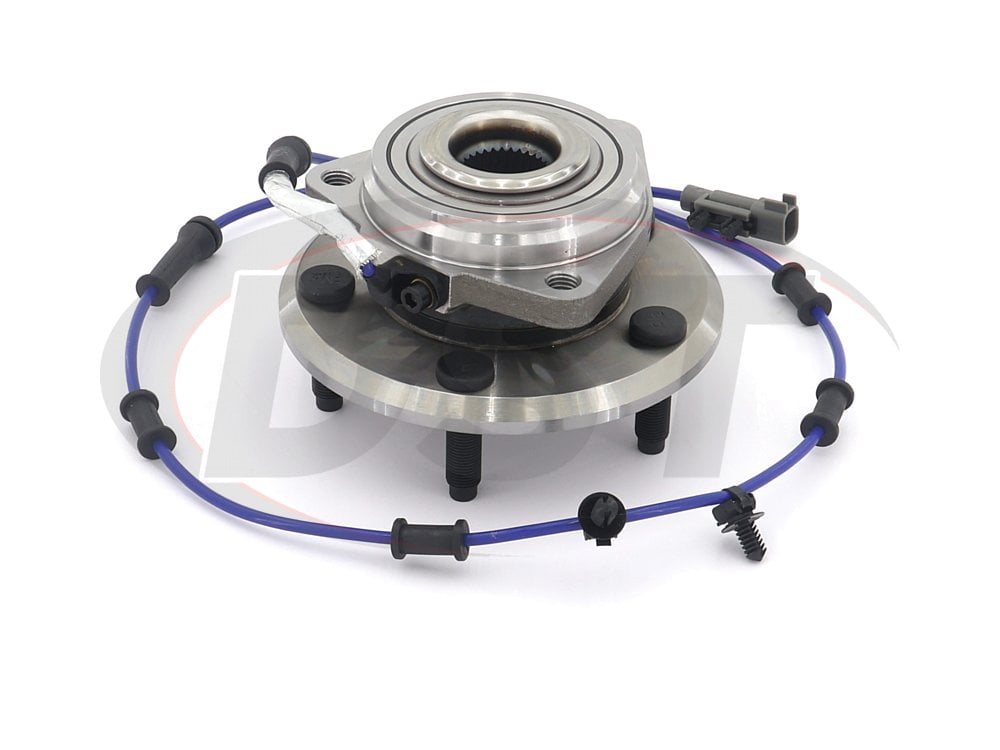
Wheel bearings are small metal balls or rollers inside a ring called a race. They sit inside the wheel hub, connecting the wheel to the axle. Their main job is to let the wheels spin with as little friction as possible.
Here’s why healthy wheel bearings matter:
- Safety: Worn bearings can cause wheels to wobble or even come off.
- Comfort: Bad bearings make noise and vibration.
- Efficiency: Good bearings reduce resistance, improving fuel economy.
- Longevity: They protect other parts, like the axle and hub, from damage.
Many drivers think only about tires and brakes for safety. But ignoring wheel bearings is a common beginner mistake.
Common Signs Of Bad Wheel Bearings On A Jeep Wrangler
Catching early signs can save you money and prevent breakdowns. Watch for these warning signals:
- Grinding or humming noise: A deep growl or hum, especially when turning or speeding up.
- Vibration in the steering wheel: Feels worse at higher speeds.
- Wobbly wheels: The wheel feels loose or “wiggles” if you try to rock it.
- Uneven tire wear: Bad bearings can cause tires to wear out faster on one side.
- ABS light: On newer Wranglers, a faulty bearing may trigger the ABS warning.
A key insight: Many people mistake bearing noise for bad tires or brakes. If you replace those and the sound stays, check the bearings next.
Why Jeep Wranglers Are Prone To Wheel Bearing Issues
Wranglers face rougher roads and more off-road stress than most vehicles. This puts extra strain on their wheel bearings. Some reasons include:
- Heavy loads: Larger tires, gear, and extra passengers add weight.
- Off-road conditions: Mud, water, and dust can get into bearings and wear them out.
- Lift kits and modifications: These change the wheel angle, adding pressure on bearings.
Because of this, Jeep owners should check bearings more often especially after harsh trails or water crossings.
When Should You Check Wheel Bearings?
There’s no set schedule, but these situations call for a check:
- Every 30,000–50,000 miles: As general maintenance.
- After off-roading: Especially if you crossed water or mud.
- If you notice symptoms: Noise, vibration, or loose wheels.
- Before long trips: Prevents surprises far from home.
Pro tip: Don’t wait for parts to fail. Preventative checks are always cheaper than emergency repairs.
Tools You’ll Need
You don’t need advanced tools to check your Jeep’s wheel bearings. Here’s a simple list:
- Jack and jack stands: To safely lift your Jeep.
- Lug wrench: For removing the wheels.
- Gloves and safety glasses: Protection is always smart.
- Pry bar: To check for play in the wheel.
- Torque wrench: For reinstalling wheels correctly.
If you plan to replace bearings, you’ll need more tools, but just for inspection, this is enough.
How To Check Wheel Bearings On A Jeep Wrangler
You can check your wheel bearings in your own driveway. Here’s a step-by-step guide:
- Park on a level surface: Put the Jeep in gear (or park) and set the parking brake.
- Loosen lug nuts: Do this before lifting the vehicle.
- Jack up the Jeep: Lift one wheel at a time and secure with jack stands.
- Spin the wheel: Listen for grinding or growling sounds.
- Check for play: Grasp the tire at the 12 and 6 o’clock positions. Push and pull. There should be almost no movement. Any clunk or looseness suggests a bad bearing.
- Side-to-side check: Grab at 3 and 9 o’clock and repeat. This can also reveal steering or suspension issues.
- Compare wheels: Check all four. A bad bearing usually feels very different from a good one.
Here’s a quick comparison of how a healthy bearing feels versus a worn one:
| Sign | Healthy Wheel Bearing | Worn Wheel Bearing |
|---|---|---|
| Noise | Quiet, smooth spinning | Grinding or humming sound |
| Wheel Play | Almost none | Noticeable looseness or “wiggle” |
| Wheel Rotation | Easy, with no resistance | Feels rough or catches at spots |
If you find a problem, avoid driving long distances until you fix it. Bearing failure can cause a wheel to lock up or separate from the vehicle.
Front Vs. Rear Wheel Bearings: What’s Different?
On a Jeep Wrangler, both front and rear bearings can wear out, but the design and symptoms may differ.
- Front bearings are often more stressed, especially if you steer a lot off-road.
- Rear bearings can fail from overloading or towing.
Some Wranglers have unit bearings (hub assemblies), while older ones have serviceable bearings. Check your model year to know what you’re working with.
Here’s a quick look at the differences:
| Location | Type (Common) | Main Stress | Replacement Difficulty |
|---|---|---|---|
| Front | Unit bearing/hub assembly | Steering, braking, off-road impacts | Medium (usually needs hub replacement) |
| Rear | Serviceable or pressed-in bearing | Vehicle load, towing | Harder (may need press or puller) |
Many beginners forget to check rear bearings, but their failure can be just as serious.
What To Do If You Find A Bad Wheel Bearing
If your inspection shows a problem, here’s what to do:
- Confirm the issue: Double-check that the noise or looseness isn’t from something else (like a loose lug nut or worn ball joint).
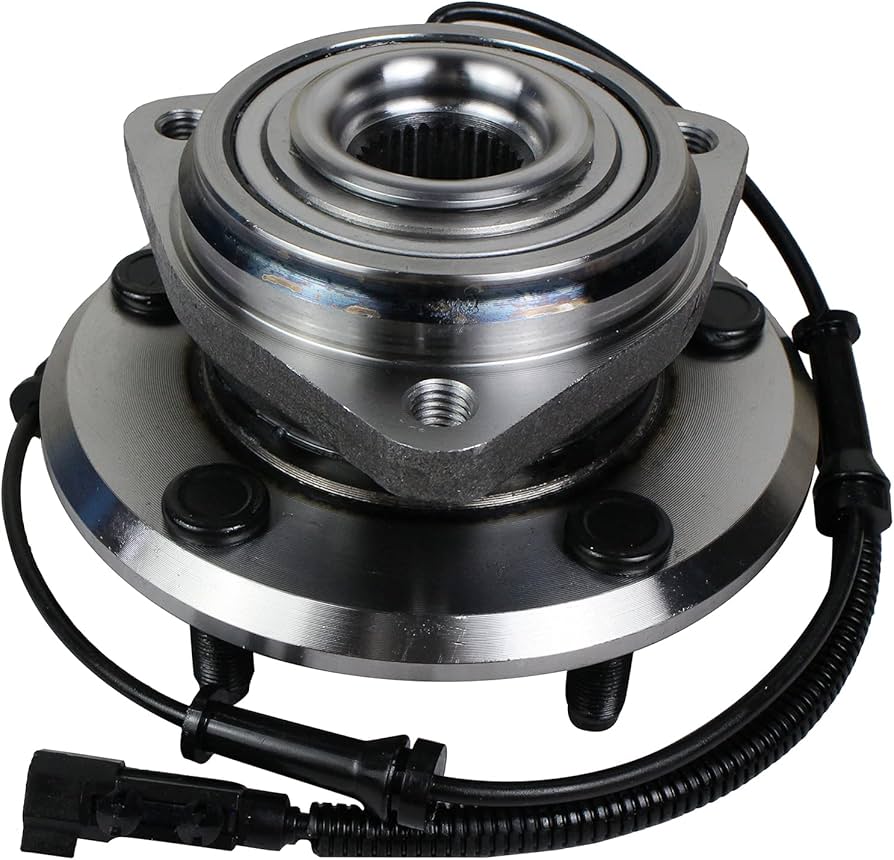
- Plan for replacement: On most Wranglers, you need to replace the whole hub assembly—not just the bearing.
- Buy quality parts: Cheap bearings often fail quickly. Stick with trusted brands.
- Consider both sides: If one side is bad, the other may be close behind—especially if they were installed together.
- Get help if needed: If you don’t have the right tools, a shop can change the bearing safely.
One insight: Many people only replace the obviously bad bearing. But on high-mileage Wranglers, doing both sides can save you from a second repair soon after.
Maintenance Tips To Extend Wheel Bearing Life
You can’t always avoid bearing wear, but these habits help:
- Wash off mud and dirt: Especially after off-roading, clean around the hubs to keep grit out.
- Check for leaks: Gear oil or grease on the inside of the wheel may point to a bearing or seal problem.
- Avoid deep water: Water can wash away lubricant and cause rust.
- Torque wheels properly: Over-tightening or uneven torque can stress bearings.
- Listen for changes: New noises or vibrations are early warnings.
Preventing bearing problems is much easier than fixing them, especially if you love long trips or off-road fun.
Cost Of Wheel Bearing Replacement For Jeep Wrangler
Many Jeep owners want to know how much repairs will cost. Prices depend on your Wrangler’s year and whether you use a shop or DIY.
Typical costs:
- Parts: $80–$200 per wheel for quality hub assemblies.
- Labor: $100–$200 per wheel at a repair shop.
- Total: $180–$400 per wheel if done professionally.
DIY saves money, but you need the right tools and some mechanical skill. Always follow the Jeep service manual for your model.
A useful insight: Some shops may try to upsell you on unnecessary parts. Confirm that only the bad bearing or hub needs replacement.
When To See A Mechanic
You can check bearings yourself, but some problems need expert help:
- Severe vibration or wobble: Stop driving and call for help.
- Strange noises after new bearings: Sometimes, a new noise means something was installed incorrectly.
- ABS or 4WD warning lights: These may be linked to the hub assembly.
If you’re unsure, it’s better to be safe and get a professional opinion. Driving on a failing bearing can lead to much bigger problems.
Frequently Asked Questions
How Long Do Jeep Wrangler Wheel Bearings Last?
Most wheel bearings last between 80,000 to 120,000 miles under normal driving. Off-roading, water crossings, and heavy loads can shorten their life. Regular checks after tough trips help catch problems early.
Can I Drive With A Bad Wheel Bearing?
It’s not safe to drive with a failing bearing. It can quickly get worse, leading to wheel lockup or even the wheel coming off. If you notice symptoms like grinding or a loose wheel, repair it as soon as possible.
What Happens If I Ignore A Bad Wheel Bearing?
Ignoring a bad bearing can cause more than noise. It can damage the axle, hub, and even brakes. In rare cases, the wheel can separate from the Jeep this is extremely dangerous.
Is It Hard To Replace Jeep Wrangler Wheel Bearings?
Front unit bearings are easier to replace than rear pressed-in types. With basic tools and a service manual, many owners can do the front. The rear often needs special equipment. If you’re not sure, a shop can do the job quickly.
Where Can I Learn More About Jeep Maintenance?
For more detailed guides and service information, visit the official Jeep Owner Care page. It covers maintenance schedules, recall info, and more.
A healthy set of wheel bearings keeps your Jeep Wrangler safe, quiet, and ready for adventure. Regular checks and quick fixes save you money and stress. Don’t wait for trouble—give your bearings a look, and enjoy the ride with peace of mind.