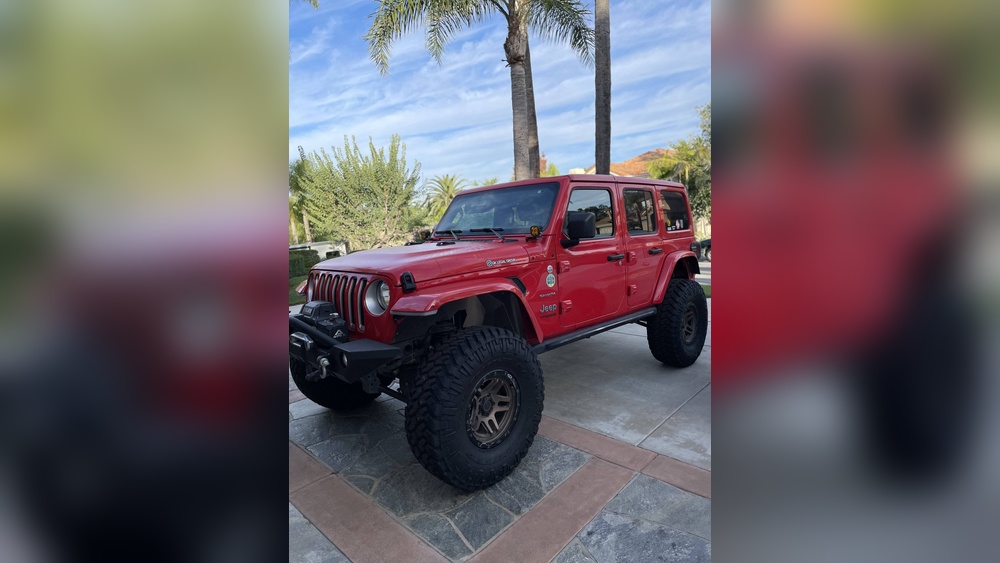
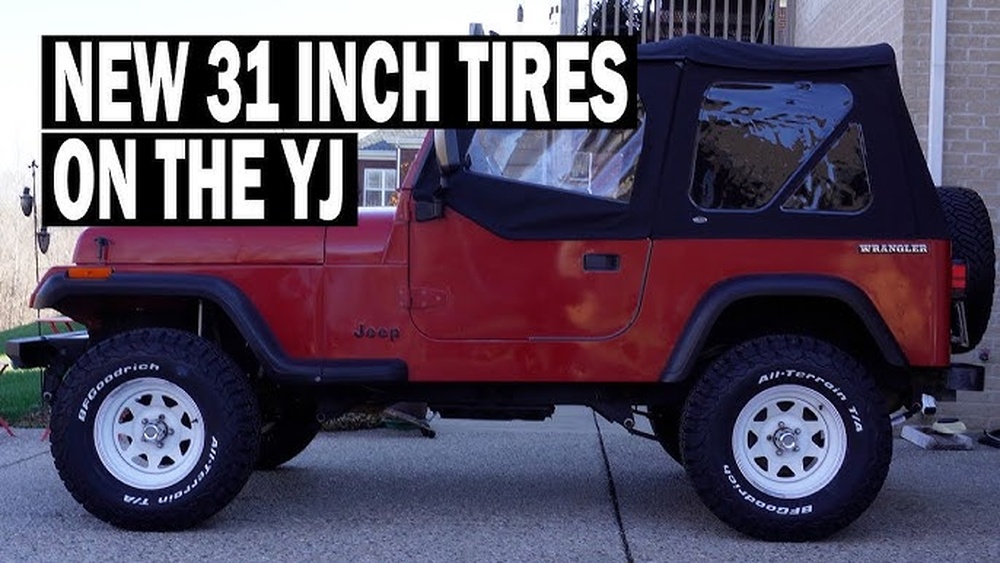
If you own a Jeep Wrangler, you know it’s built for adventure. But sometimes, adventure brings unexpected problems—like leaks.
Many Wrangler owners notice water puddles inside, mysterious drips under the hood, or even fuel smells. A leaking Jeep Wrangler is more than an annoyance; it can cause electrical problems, rust, and costly repairs.
If you’re dealing with leaks, this guide will help you understand why it happens, how to find the source, and what you can do to fix it.
Common Types Of Leaks In Jeep Wranglers
Wrangler leaks don’t all come from the same place. Some are easy to spot. Others, you find only after a heavy rain or a long drive. Here are the most common types:
- Water leaks: Usually appear after rain or car washes. You may find wet carpets, soaked seats, or moisture in the trunk.
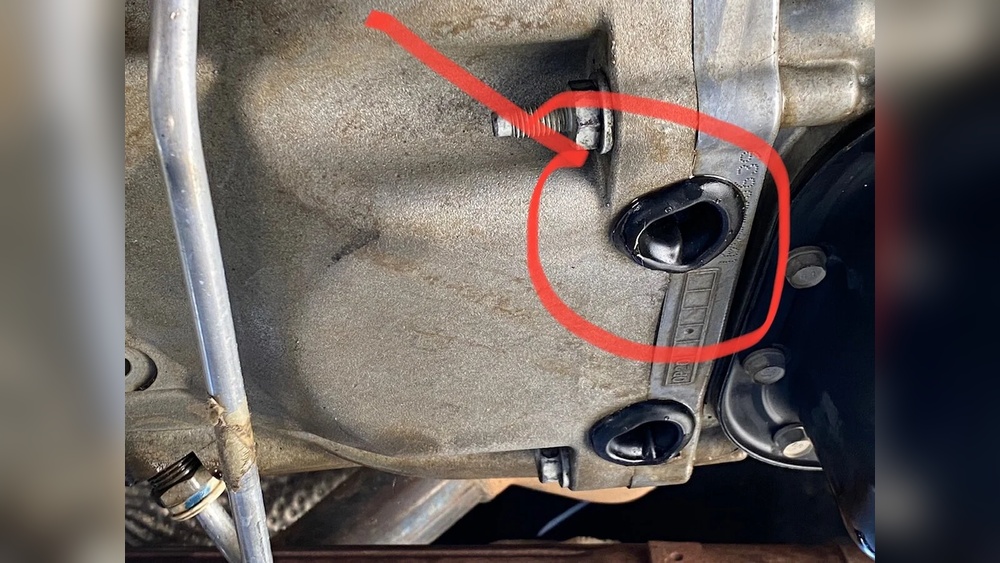
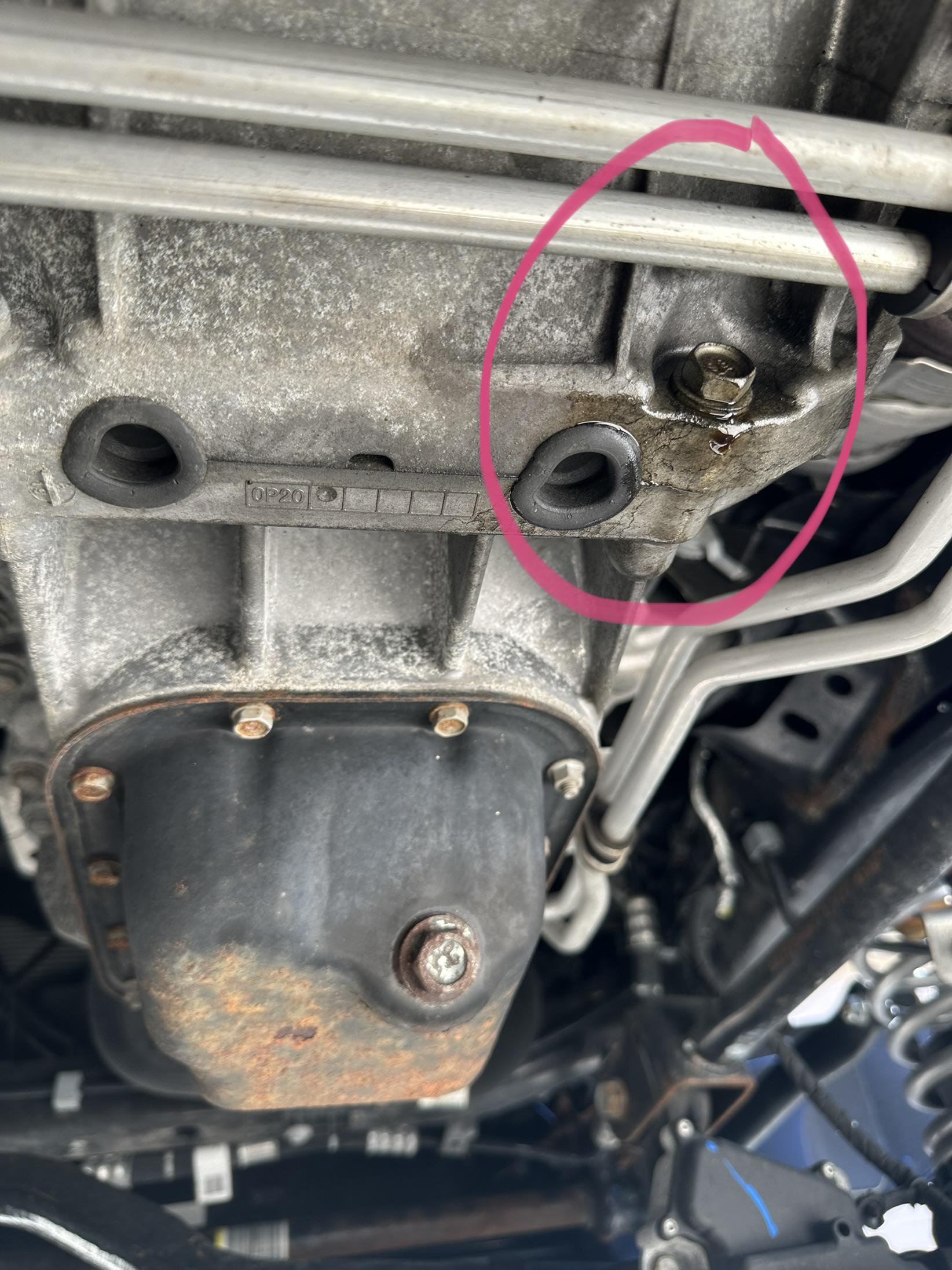
- Oil leaks: Look for dark spots under the engine. Oil leaks may signal worn gaskets or seals.
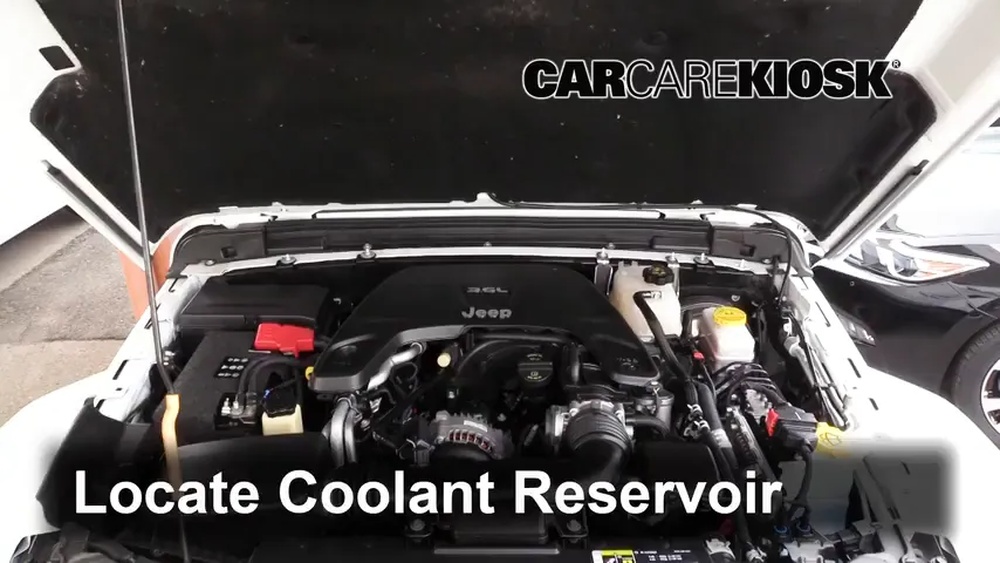
- Coolant leaks: Bright green or orange puddles indicate a cooling system issue.
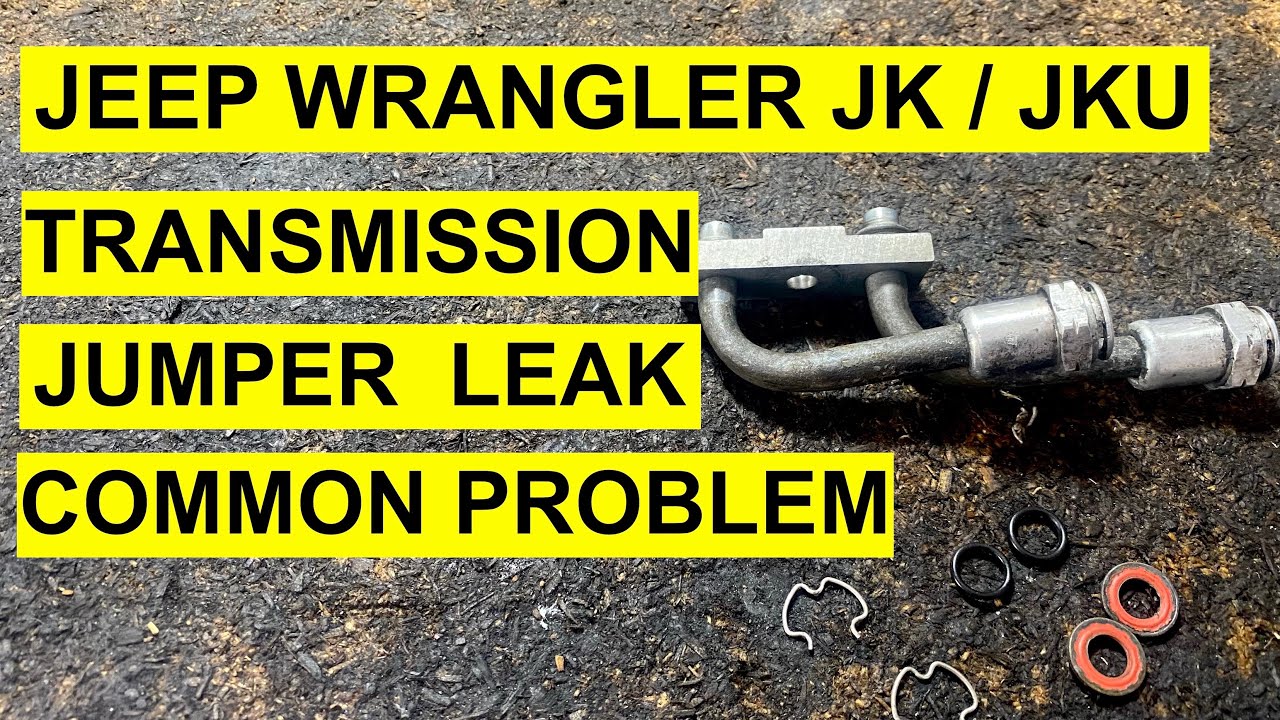
- Transmission fluid leaks: These are usually reddish and can lead to shifting problems.
- Fuel leaks: You might notice a strong gasoline smell or see wet spots near the tank or lines.
Understanding the type of leak is the first step to solving it.
Why Does My Jeep Wrangler Leak?
Several design features make Wranglers more prone to leaks than regular SUVs:
- Removable tops and doors: These create many seams and seals.
- Off-road use: Trails and mud can damage seals or shift body panels.
- Age and wear: Older Wranglers often have dried-out or cracked gaskets.
Let’s look at the most frequent sources of leaks.
Water Leaks
Water leaks are the most common complaint among Jeep Wrangler owners. The main sources include:
- Freedom panels (on hardtops): Poorly sealed or misaligned panels let water in.
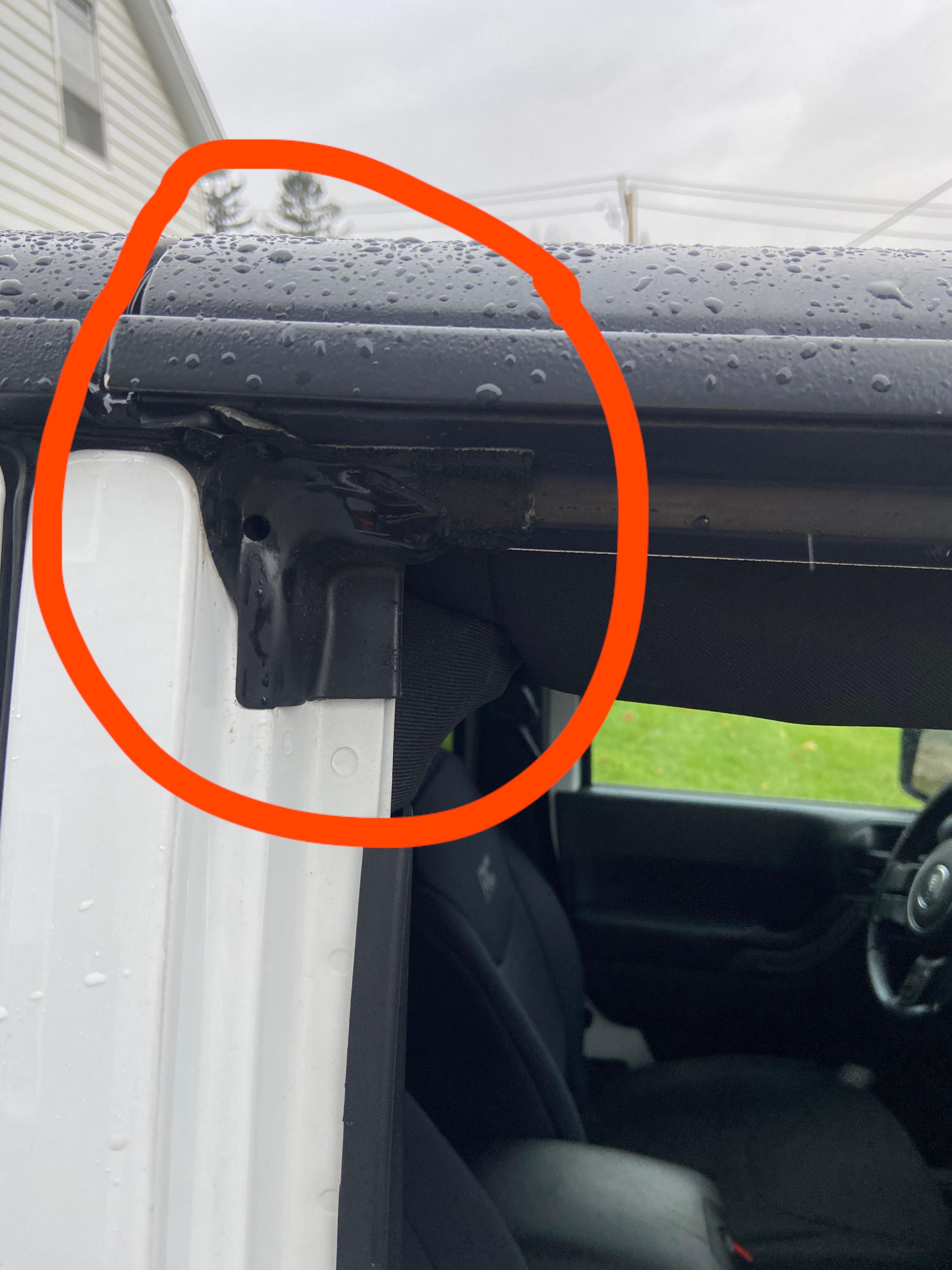
- Soft top seams: Over time, fabric shrinks and seams open.
- Door seals: Worn or misaligned seals invite rain inside.
- Windshield frame: The seal between glass and frame can fail, especially after windshield replacements.
Oil And Fluid Leaks
Oil leaks usually come from:
- Valve cover gaskets
- Oil pan gaskets
- Rear main seal
- Differential covers
Coolant and transmission fluid leaks can result from loose hose clamps, worn radiators, or cracked hoses.
Fuel Leaks
Less common but very serious, fuel leaks often happen at:
- Fuel tank seams
- Rubber fuel lines
- Fuel injector O-rings
These leaks can be dangerous and should be fixed immediately.
How To Identify The Source Of A Leak
Finding a leak isn’t always simple. Here are steps you can follow:
- Check where the fluid is pooling: Front, back, left, or right side—location gives you clues.
- Look above the wet spot: The leak may drip from higher up and run along surfaces before dropping.
- Color and smell: Oil is brown or black; coolant is often green or orange; transmission fluid is red; water is clear; fuel smells sharp.
- Use a UV dye kit: Add dye to fluids and use a UV flashlight to see where it escapes.
- Check after rain or car washes: For water leaks, dry the interior, spray water over the Jeep, and look for drips inside.
Jeep Wrangler Leak Hotspots (by Model Year)
Some Wrangler generations have their own quirks. Here’s a quick comparison:
| Model Year | Common Leak Areas | Notes |
|---|---|---|
| 1997–2006 (TJ) | Windshield seals, cowl vents | Older seals crack with age |
| 2007–2017 (JK) | Freedom panels, door seals, rear hatch | Hardtop design issues |
| 2018–present (JL) | Hardtop seams, rear doors, windshield | Improved, but still has water leaks |
Knowing your model helps you focus your inspection.
How To Fix Common Jeep Wrangler Leaks
Some fixes are simple. Others need professional help. Here’s how to tackle the most frequent leaks.
Fixing Water Leaks
- Check and adjust Freedom panels: Remove, clean, and reinstall panels. Make sure they seat evenly.
- Replace door and window seals: Inspect for cracks or gaps. New seals are affordable and easy to install.
- Seal windshield frame: Use automotive-grade silicone to fill gaps, especially after a windshield replacement.
- Soft top care: Clean and treat fabric with waterproofing spray. Replace if seams are torn.
- Drain clogged cowl vents: Leaves and debris can block drains, causing water to overflow inside.
Fixing Oil And Fluid Leaks
- Tighten bolts: Sometimes, a loose oil pan or valve cover bolt is the problem.
- Replace gaskets and seals: If the leak continues, new gaskets are needed.
- Hose and radiator repairs: Cracked hoses or damaged radiators need replacement.
- Check fluid levels: Low fluids cause engine or transmission problems.
Fixing Fuel Leaks
- Inspect lines and tank: Look for cracks or wet spots.
- Replace O-rings: Fuel injector leaks are often due to bad O-rings.
- Do not delay: Fuel leaks are a fire risk. Repair immediately.
Cost To Repair Jeep Wrangler Leaks
Repair costs depend on the leak’s source and your Jeep’s age. Here’s a comparison of typical repair costs:
| Type of Leak | DIY Cost | Professional Cost | Difficulty |
|---|---|---|---|
| Water (seals, panels) | $20–$100 | $150–$500 | Easy to moderate |
| Oil (gaskets) | $40–$120 | $200–$800 | Moderate to hard |
| Coolant (hoses, radiator) | $25–$180 | $150–$700 | Easy to moderate |
| Fuel (lines, O-rings) | $15–$60 | $100–$400 | Moderate |
DIY fixes can save money, but only if you’re confident. For fuel leaks, always use a professional.
Preventing Leaks In Your Jeep Wrangler
Prevention is better than repair. Here’s how to keep leaks away:
- Inspect seals every six months: Look for cracks, gaps, or hardening.
- Clean drain channels: Use compressed air to clear cowl and sunroof drains.
- Protect soft tops: Use UV protectant and waterproof sprays.
- Avoid high-pressure washers near seals: They can force water past seals.
- Check undercarriage after off-roading: Mud and rocks can damage lines and seals.
Many leaks start small and become worse over time, so regular checks are key.
Real Owner Experiences
Jeep forums and owner groups are full of leak stories. Here are two real-world examples:
- 2015 Wrangler Unlimited: Owner noticed wet carpets after every rain. Solution was replacing both door seals and realigning Freedom panels. Cost: $90 DIY.
- 2008 Wrangler JK: Oil puddle appeared after off-roading. It turned out to be a damaged oil pan gasket. Repair at a shop cost $350.
These stories show leaks can happen to any Wrangler, old or new. Quick action prevents bigger headaches.
When To Call A Professional
Some leaks are easy to fix at home. But call a mechanic if:
- You smell gasoline
- Leaks return after DIY repairs
- Electrical systems stop working
- You see rust or mold inside
A certified Jeep specialist understands model-specific problems and has the right tools. Remember, some leaks may be covered under warranty, especially if your Wrangler is new.
Non-obvious Tips Most Owners Miss
- Check after windshield replacements: Many leaks start after glass shops miss a seal or use poor adhesive.
- Inspect during hot weather: Rubber seals shrink in heat, revealing leaks that hide in cool weather.
- Aftermarket mods matter: Roof racks, LED lights, or snorkels can create new leak paths if not sealed right.
Many owners focus only on obvious seals but miss these less-visible causes.
Jeep Wrangler Leaking Vs. Other Suvs
Wranglers are more likely to leak than many other vehicles, mainly because of their unique design. Here’s a quick comparison:
| Vehicle Type | Leak Risk | Common Leak Areas |
|---|---|---|
| Jeep Wrangler | High | Tops, doors, windshield |
| Standard SUV | Low to moderate | Sunroof, door seals |
| Pickup Truck | Moderate | Rear window, bed seams |
If you want a leak-free ride, Wranglers require more attention and regular maintenance.
Frequently Asked Questions
<!– wp:rank-math/faq-block {"questions":[{"id":"faq-question-da50d28ebe97","title":"Why Does My Jeep Wrangler Leak When It Rains?","content":"Most rain leaks come from door seals, Freedom panels, or the windshield frame. Over time, seals can dry out, shrink, or become misaligned. Water can then enter the cabin, especially after heavy rain or car washes. Check these areas first.
“,”visible”:true},{“id”:”faq-question-075ac23e80a7″,”title”:”Are Water Leaks Covered Under Jeep’s Warranty?”,”content”:”If your Wrangler is still under the factory warranty and has no aftermarket modifications, many water leaks are covered. However, leaks caused by off-roading damage or DIY changes may not be. Always ask your dealer for details.
“,”visible”:true},{“id”:”faq-question-31a258d0bbb1″,”title”:”Can I Fix A Jeep Water Leak Myself?”,”content”:”Many water leaks can be fixed at home with new seals, cleaning, or careful realignment. However, if you try and the leak returns, or if you’re unsure about the source, consider professional help. Some leaks hide behind panels or require special tools.
“,”visible”:true},{“id”:”faq-question-d505ef8f0fd1″,”title”:”How Do I Know If A Leak Is Dangerous?”,”content”:”Fuel leaks are always dangerous and need urgent repair. Oil and coolant leaks can damage your engine if ignored. Water leaks may cause mold or electrical problems over time. If you smell fuel or see warning lights, seek help immediately.
“,”visible”:true},{“id”:”faq-question-fff8422b38b6″,”title”:”Where Can I Find More Help For My Jeep Wrangler Leak?”,”content”:”The best sources are Jeep dealer service centers, specialized mechanics, and online communities. A helpful resource is the Jeep Forum, where owners share tips and solutions.
A Jeep Wrangler is made for tough roads, but leaks are a reality for many owners. By learning where leaks start, how to spot them, and when to fix them, you’ll keep your Wrangler dry, safe, and ready for adventure.
Regular checks, quick fixes, and a bit of care go a long way in keeping leaks under control.
“,”visible”:true}]} –>Why Does My Jeep Wrangler Leak When It Rains?
Most rain leaks come from door seals, Freedom panels, or the windshield frame. Over time, seals can dry out, shrink, or become misaligned. Water can then enter the cabin, especially after heavy rain or car washes. Check these areas first.
Are Water Leaks Covered Under Jeep’s Warranty?
If your Wrangler is still under the factory warranty and has no aftermarket modifications, many water leaks are covered. However, leaks caused by off-roading damage or DIY changes may not be. Always ask your dealer for details.
Can I Fix A Jeep Water Leak Myself?
Many water leaks can be fixed at home with new seals, cleaning, or careful realignment. However, if you try and the leak returns, or if you’re unsure about the source, consider professional help. Some leaks hide behind panels or require special tools.
How Do I Know If A Leak Is Dangerous?
Fuel leaks are always dangerous and need urgent repair. Oil and coolant leaks can damage your engine if ignored. Water leaks may cause mold or electrical problems over time. If you smell fuel or see warning lights, seek help immediately.
Where Can I Find More Help For My Jeep Wrangler Leak?
The best sources are Jeep dealer service centers, specialized mechanics, and online communities. A helpful resource is the Jeep Forum, where owners share tips and solutions.
A Jeep Wrangler is made for tough roads, but leaks are a reality for many owners. By learning where leaks start, how to spot them, and when to fix them, you’ll keep your Wrangler dry, safe, and ready for adventure.
Regular checks, quick fixes, and a bit of care go a long way in keeping leaks under control.