Installing interior LED lights in your Jeep is more than just an upgrade it can transform your driving experience. Whether you want better visibility at night, a cool custom look, or extra lighting for camping, LED strips and pods make your vehicle stand out.
Many Jeep owners worry the process is too technical, but with the right steps and a little patience, you can do it yourself, even with basic tools.
This guide walks you through choosing, preparing, and installing interior LED lights, with clear instructions, practical advice, and real-world examples.
You’ll learn not just the “how,” but also the “why,” so your Jeep’s interior looks great and works safely.
Choosing The Right Interior Led Lights
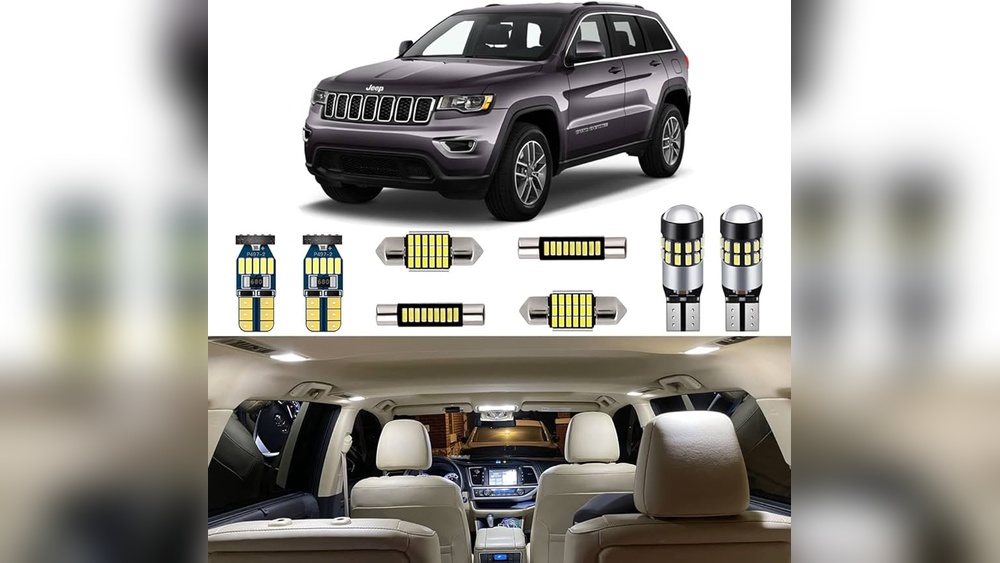
Before you start, decide what type of LED lights you want. The most popular choices are LED strips and LED pods. Strips are flexible and easy to hide, while pods are small, bright, and great for focused lighting. You’ll also need to decide on color—white, RGB (color-changing), or single color—and whether you want remote or app control.
The brightness of LED lights is measured in lumens. For Jeep interiors, 100–300 lumens per strip or pod is usually enough. Too much brightness can be distracting or uncomfortable. Look for products with:
- Water resistance (IP65 or higher)
- Easy wiring and plug-and-play design
- Adjustable brightness and color
- Strong adhesive or mounting clips
If you’re unsure, check reviews and ratings. Brands like OPT7, LEDGlow, and Diode Dynamics are well-known for Jeep LED kits.
Comparing Led Types
Here’s a quick comparison to help you choose:
| Type | Best For | Control Options | Ease of Installation | Price Range (USD) |
|---|---|---|---|---|
| LED Strip | Ambient lighting, flexibility | Remote/App | Easy | $20–$60 |
| LED Pod | Focused illumination | On/off switch | Moderate | $15–$50 |
| RGB Kit | Custom color effects | App/Remote | Easy | $30–$80 |
Gathering Tools And Materials
You don’t need advanced tools, but preparing everything in advance helps avoid frustration. Here’s what you’ll need:
- LED kit (strips, pods, or both)
- Wire stripper/cutter
- Electrical tape
- Screwdriver set
- Zip ties
- Adhesive cleaner (like alcohol wipes)
- Fuse tap (optional, for cleaner install)
- Multimeter (for checking power)
Most kits come with basic instructions, but Jeep interiors vary. Take photos before removing panels, so you remember how things fit.
Planning Your Install Location
LEDs can go almost anywhere: under seats, in footwells, behind dashboard panels, inside cup holders, or on the roof. Common places for interior LEDs in Jeeps:
- Footwells (driver and passenger)
- Under seats
- Door pockets
- Center console
- Cargo area
Think about how you’ll use the lights. For example, footwell strips help find things at night, while cargo LEDs are handy for camping. Avoid placing LEDs where they’ll shine directly in your eyes.
Real-world Example
Jeep owners often install four strips: two in the front footwells and two in the rear. This balances light and doesn’t overload the battery. Some add pods in the cargo area for extra visibility.
Step-by-step Installation Process
1. Prepare Your Jeep
Clean the surfaces where you’ll mount the LEDs. Dirt and dust weaken adhesives and cause strips to fall. Use alcohol wipes or mild cleaner, then dry with a cloth.
Disconnect the negative battery terminal. This prevents shorts and keeps you safe.
2. Mount The Led Strips Or Pods
Test-fit the strips or pods before sticking them down. Make sure wires reach your power source and aren’t stretched too tight. Peel off the adhesive backing and press firmly into place. For pods, use screws or clips as recommended.
If installing under seats, make sure the seat can still move freely.
3. Route The Wires
Hide wires behind panels or under carpet for a clean look. Use zip ties to secure wires and prevent tangling. Avoid routing wires near sharp edges or moving parts that could cut or pinch them.
If your kit includes extension cables, connect them now. Double-check all connections before moving on.
4. Connect To Power
You have several options for powering your LEDs:
- 12V cigarette lighter: Easiest, but wires may be visible.
- Fuse tap: Cleaner, connects directly to your Jeep’s fuse box.
- Direct to battery: Strongest, but must add a fuse.
Most owners prefer the fuse tap method for a professional result. Locate the fuse box, pick an accessory fuse (like “ACC” or “Interior Lights”), and use a fuse tap adapter. Connect the LED power wire and secure with electrical tape.
Check the voltage with a multimeter to ensure proper power.
| Power Method | Visibility of Wires | Installation Difficulty | Reliability |
|---|---|---|---|
| Cigarette Lighter | High | Easy | Medium |
| Fuse Tap | Low | Moderate | High |
| Direct Battery | Low | Hard | High |
5. Test The Leds
Reconnect the battery. Turn on your Jeep and test the lights. Try all functions: brightness, colors, app/remote control. If anything doesn’t work, check connections and fuses.
6. Final Touches
Hide any loose wires, secure everything with zip ties, and check that no wires interfere with seat movement or pedals. If your kit has a remote or app, pair it now and try all features.
Practical Tips For A Better Install
- Test before sticking: Plug in and check all strips and pods before mounting. This avoids wasted effort.
- Fuse size matters: Use a fuse rated for your LED kit (often 5–10A). Too big risks damage; too small may blow often.
- Check for heat: Run the LEDs for 10 minutes. If they get hot, check your connections and wire gauge.
- Plan for expansion: Leave extra slack in wires and space for future upgrades.
A common beginner mistake is rushing the install or skipping wire management. Take your time clean installation looks better and lasts longer.
Troubleshooting Common Problems
Even careful installs may have issues. Here’s how to fix the most common ones:
Flickering Or Dim Lights
Usually caused by poor connections or low battery. Check all plugs and make sure your power source is strong. If using the cigarette lighter, consider switching to fuse tap.
Some Leds Don’t Light Up
Often, a loose wire or bad adhesive. Remove the strip or pod, check the wires, and re-stick with new adhesive or clips.
Remote/app Doesn’t Work
Make sure the controller is powered and paired correctly. Move it closer to the receiver, and check for interference.
Strips Fall Down
Clean surfaces better and use strong adhesive. 3M automotive tape is a good upgrade if the kit’s tape is weak.
Safety And Legal Considerations
Most states allow interior LED lights, but some colors (like blue or red) can be illegal if visible outside the vehicle. Always check your local laws. Never mount lights where they distract you while driving.
LEDs use little power, but always install a fuse to protect your Jeep’s electrical system. If unsure, ask a mechanic or installer for advice.
Cost And Value Analysis
Installing interior LEDs yourself saves money. A shop install can cost $150 $300, while DIY kits are $20 $80. Most kits last 3 5 years and use less than 5 watts per strip.
Here’s a quick value comparison:
| Install Method | Cost | Time Required | Expected Lifespan |
|---|---|---|---|
| DIY | $20–$80 | 1–3 hours | 3–5 years |
| Professional | $150–$300 | 1–2 hours | 3–5 years |
The main non-obvious benefit: DIY installs let you change or upgrade lights easily. Most shops use standard kits and don’t customize much.
Real-world Success Story
One Jeep Wrangler owner installed RGB LED strips in the footwells and cargo area. They used the fuse tap method, routed wires under the carpet, and paired the lights with a smartphone app.
The project took two hours, cost $65, and made night driving much easier.
They also added a 10A fuse for safety.
A tip they shared: test the lights with the doors open and closed, as some kits turn on only with door sensors.
Maintenance And Upgrading
LEDs are durable, but check them every few months. Look for loose wires, fading colors, or adhesive issues. Upgrading is simple just unplug and swap out strips or pods. Keep extra tape and zip ties handy for quick fixes.
If you want more features, many kits can connect to music or sync with your Jeep’s ambient lighting. Explore new products and updates from trusted brands.
Frequently Asked Questions
How Long Does It Take To Install Interior Led Lights In A Jeep?
Most installs take 1–3 hours depending on your experience and the number of lights. Planning and cleaning surfaces beforehand makes the process faster and easier.
Are Interior Led Lights Safe For My Jeep’s Electrical System?
Yes, as long as you use a fuse and follow instructions. LEDs use very little power. Avoid tapping into important circuits, and check wires for damage regularly.
Can I Control My Led Lights With My Phone?
Many kits offer app control via Bluetooth. Make sure your kit is compatible with your smartphone and follow pairing instructions. Some older kits use a remote instead.
Will Led Lights Drain My Jeep’s Battery?
LEDs are energy-efficient and use less than 5 watts per strip. They won’t drain the battery unless left on for many hours with the engine off. Always turn off lights when parked.
Where Can I Find More Information About Jeep Led Installs?
You can visit Jeep Life for official tips and community advice. Forums and YouTube channels also offer step-by-step videos.
Upgrading your Jeep with interior LED lights is a smart, satisfying project. With careful planning, quality products, and a bit of patience, you can achieve a custom look and improved function.
Enjoy the new lighting, and don’t be afraid to personalize your Jeep even more.