If your 2015 Jeep Patriot has started making a humming or grinding noise from the rear wheels, or you feel looseness when driving, you may have a worn rear wheel bearing. Replacing a rear wheel bearing is a job many DIYers can handle at home with the right tools and patience. This guide will help you safely remove the rear wheel bearing from your 2015 Jeep Patriot, with practical advice and tips for every step.
Understanding The Rear Wheel Bearing
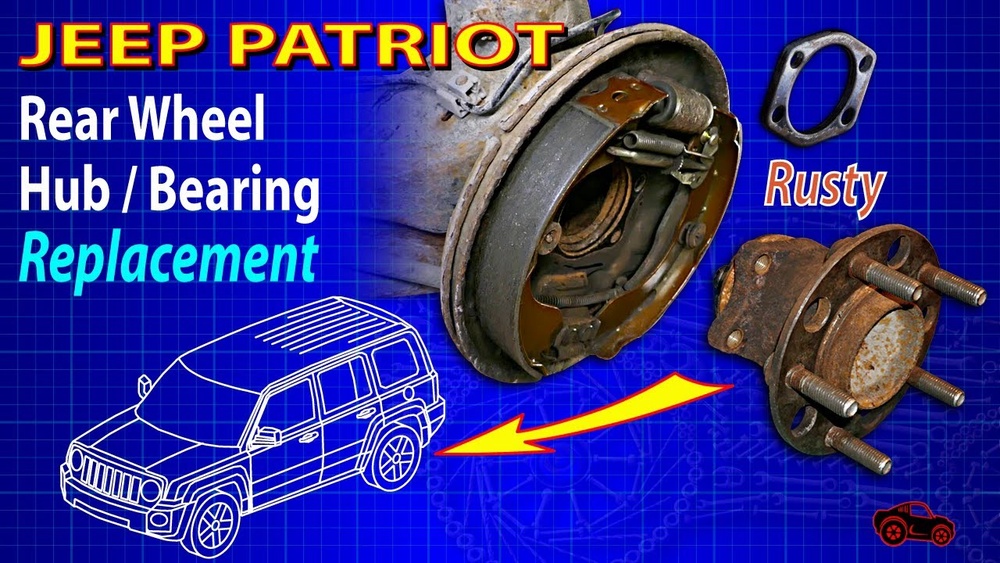
The rear wheel bearing is a key component that lets your wheels spin smoothly with minimal friction. On the 2015 Jeep Patriot, the rear bearing comes as a hub assembly, meaning the bearing is pressed inside a unit that also includes the wheel studs and the mounting flange. Worn bearings can cause uneven tire wear, noise, and even loss of control if ignored.
Tools And Equipment Needed
Before you begin, gather these essential tools:
- Jack and jack stands: To safely lift and support the vehicle
- Lug wrench: For wheel removal
- Socket set and ratchet: Metric sockets up to 18mm
- Breaker bar: For stubborn bolts
- Torque wrench: To tighten bolts to factory specs
- Hammer and punch: For loosening the rotor and hub
- Pry bar: Helpful for separating components
- WD-40 or penetrating oil: For rusted bolts
- Needle-nose pliers: For removing clips
- Screwdrivers: Flat and Phillips
- Replacement wheel bearing hub assembly: For a 2015 Jeep Patriot (confirm part number)
- Work gloves and safety glasses
Having the right tools will make the job much easier and safer.
Preparing Your Jeep For The Job
- Park on a level surface. Block the front wheels to prevent rolling.
- Loosen the rear wheel lug nuts slightly while the vehicle is on the ground.
- Raise the rear of the Jeep with a jack, and secure it with jack stands under the frame.
- Remove the rear wheel completely.
These steps ensure you have clear access to the rear hub.
Removing The Rear Brake Components
You must remove the brake caliper, caliper bracket, and brake rotor to reach the wheel bearing.
- Remove the caliper bolts with a socket (usually 13mm or 14mm).
- Slide the caliper off and hang it securely with a bungee cord or wire—do not let it dangle by the brake hose.
- Remove the brake pads from the bracket.
- Unbolt the caliper bracket (typically 18mm bolts).
- Remove the rotor. If it’s stuck, tap gently with a hammer or use a rust penetrant around the hub.
Pro tip: If the rotor is stubborn, thread a bolt into the threaded holes on the rotor face to push it off the hub.
Disconnecting The Abs Sensor
The 2015 Jeep Patriot often has an ABS sensor mounted to the wheel hub.
- Locate the sensor wire and follow it to the connector.
- Unclip the connector and move the wire out of the way.
- If the sensor is stuck, use gentle prying and avoid damaging it.
A damaged ABS sensor will trigger warning lights and may affect braking performance.
Removing The Rear Wheel Bearing Hub
With the brakes and sensor out of the way, you can now tackle the hub assembly.
- Locate the hub mounting bolts on the rear of the knuckle (typically 4 bolts, 13mm or 15mm).
- Apply penetrating oil to the bolt heads and let sit for several minutes.
- Remove the bolts with a breaker bar if needed. These can be very tight due to factory thread locker.
- Tap the hub assembly from behind with a hammer or pry bar if it’s stuck due to rust.
- Wiggle and pull the hub free from the knuckle.
Insight: Many first-timers underestimate how stuck a hub can get. Corrosion fuses the hub to the knuckle, sometimes requiring several minutes of hammering or careful use of a puller tool.
Once the hub is out:
- Check the knuckle surface for rust or debris and clean with a wire brush.
- Inspect the backing plate for damage.
- Look at the ABS sensor ring for rust or cracks.
Cleaning these areas helps ensure the new bearing fits snug and works properly.
Installing The New Wheel Bearing Hub
- Align the new hub with the mounting holes on the knuckle.
- Start all bolts by hand to avoid cross-threading.
- Tighten the bolts in a crisscross pattern for even seating.
- Torque the bolts to factory specs (usually around 70-90 ft-lbs; check your manual).
- Reconnect the ABS sensor and clip the wire back into place.
Non-obvious tip: Always check the orientation of the ABS tone ring—installing the hub backward will trigger ABS errors.
Reassembling The Brakes And Wheel
- Refit the brake rotor onto the hub.
- Reinstall the caliper bracket and tighten the bolts.
- Insert the brake pads and slide the caliper over them.
- Bolt the caliper back on and torque to spec.
- Mount the wheel, hand-tighten the lug nuts.
Lower the vehicle and perform a final torque of the lug nuts in a star pattern to the recommended setting (typically 100 ft-lbs).
Testing After Replacement
Before driving:
- Pump the brake pedal several times to seat the pads.
- Turn the wheel by hand to check for smoothness and noise.
- Scan for ABS or brake warning lights on the dash.
- Test drive at low speed, listening for any unusual sounds or vibrations.
If everything feels normal, your new rear wheel bearing is installed correctly.
Cost, Time, And Difficulty Comparison
Here’s a comparison of doing the job yourself versus hiring a shop:
| Method | Estimated Cost | Time Needed | Difficulty |
|---|---|---|---|
| DIY Replacement | $80-$150 (parts) | 2-3 hours | Moderate |
| Professional Shop | $250-$400 (parts & labor) | 2-4 hours | Low |
DIY saves money, but you need tools and patience.
Common Mistakes And How To Avoid Them
- Not cleaning the knuckle: Debris can cause misalignment and early bearing failure.
- Forgetting the ABS sensor: Damaging or not reconnecting it means warning lights and lost safety features.
- Reusing old bolts: Always inspect and replace bolts if they’re corroded or stretched.
- Not torquing bolts properly: Under- or over-torqued bolts can cause noise or unsafe operation.
- Skipping test drive: Always check for issues before regular driving.
Signs You Need To Replace The Bearing
How Do You Know The Bearing Is Bad?
- Growling or humming noise from the rear, changing with speed
- Play or looseness when rocking the wheel by hand
- ABS warning light if the sensor ring is damaged
- Uneven tire wear
Ignoring these signs can lead to more expensive repairs.
Tips For A Smooth Removal
- Soak all bolts with penetrating oil before removing.
- Use a breaker bar for stubborn fasteners.
- If the hub is seized, a rented slide hammer can help.
- Wear gloves and eye protection—rust and debris can fly.
- Take photos as you work to help with reassembly.
How The Rear Wheel Bearing Works
The bearing has steel balls inside, sealed with grease. As the wheel spins, the balls roll between two races, reducing friction. The hub assembly keeps everything together and supports the vehicle’s weight. If the grease leaks or the balls wear out, the bearing gets noisy and can fail.
Rear Wheel Bearing Lifespan
Most wheel bearings last 70,000 to 100,000 miles. Harsh roads, water, or salt can shorten this time. If you replace one side, check the other—sometimes both wear out at similar mileage.
When To Call A Mechanic
If you hit a roadblock or lack the tools, it’s wise to call a professional. Some hubs are extremely rusted and require special pullers or heat to remove. Never force parts to the point of damage.
Parts And Torque Specifications
For the 2015 Jeep Patriot:
- Rear hub assembly part number: Mopar 5185085AA (confirm for your trim)
- Hub mounting bolts torque: 70-90 ft-lbs
- Caliper bracket bolts: 85-90 ft-lbs
- Lug nuts: 95-100 ft-lbs
Always double-check torque specs in your service manual.
Real-world Example
A Jeep Patriot owner replaced their rear hub at 95,000 miles after hearing a roar at highway speed. The job took 2.
5 hours using basic tools and a slide hammer for the stuck hub. Afterward, the noise disappeared, and the ABS light stayed off proof that a careful DIY fix can restore smooth, safe driving.
Comparison: Oem Vs Aftermarket Bearings
| Type | Quality | Warranty | Price |
|---|---|---|---|
| OEM (Mopar) | High | 1 year | $$$ |
| Aftermarket (e.g., Timken, Moog) | Good-High | 1-3 years | $$ |
| Economy (Generic) | Variable | 6 months-1 year | $ |
OEM parts fit perfectly but cost more. Aftermarket options like Timken or Moog balance price and quality well.
Where To Learn More
For detailed diagrams and part numbers, visit the official Jeep Patriot service manual or check Mopar’s official site.
Frequently Asked Questions
How Do I Know If My 2015 Jeep Patriot Rear Wheel Bearing Is Bad?
Listen for humming, grinding, or roaring noises that get louder with speed. You might also feel vibration or see an ABS warning light. Jack up the car and try to rock the wheel—if there’s play, the bearing is likely worn.
Can I Drive With A Bad Rear Wheel Bearing?
It’s risky. A failing bearing can seize or break apart, causing loss of control. Driving on a bad bearing can also damage other parts, increasing repair costs.
Do I Need Any Special Tools For Removal?
Most tools are common, but a slide hammer helps if the hub is stuck. Some DIYers also use a hub puller. Always have a torque wrench for proper reassembly.
Should I Replace Both Rear Wheel Bearings At The Same Time?
It’s not required, but if one is bad and the other is original, the second may fail soon. Many mechanics suggest replacing both to avoid future labor.
Will Replacing The Bearing Fix Abs And Traction Lights?
Yes, if the problem was a failed bearing or damaged ABS sensor ring. But if the sensor itself is broken or unplugged, you may need to replace or reconnect it.
Replacing the rear wheel bearing on your 2015 Jeep Patriot is a rewarding task for a careful DIYer. With the right tools, patience, and attention to detail, you can save money and restore quiet, safe driving. Always double-check your work, and never hesitate to ask for help if you hit a snag.