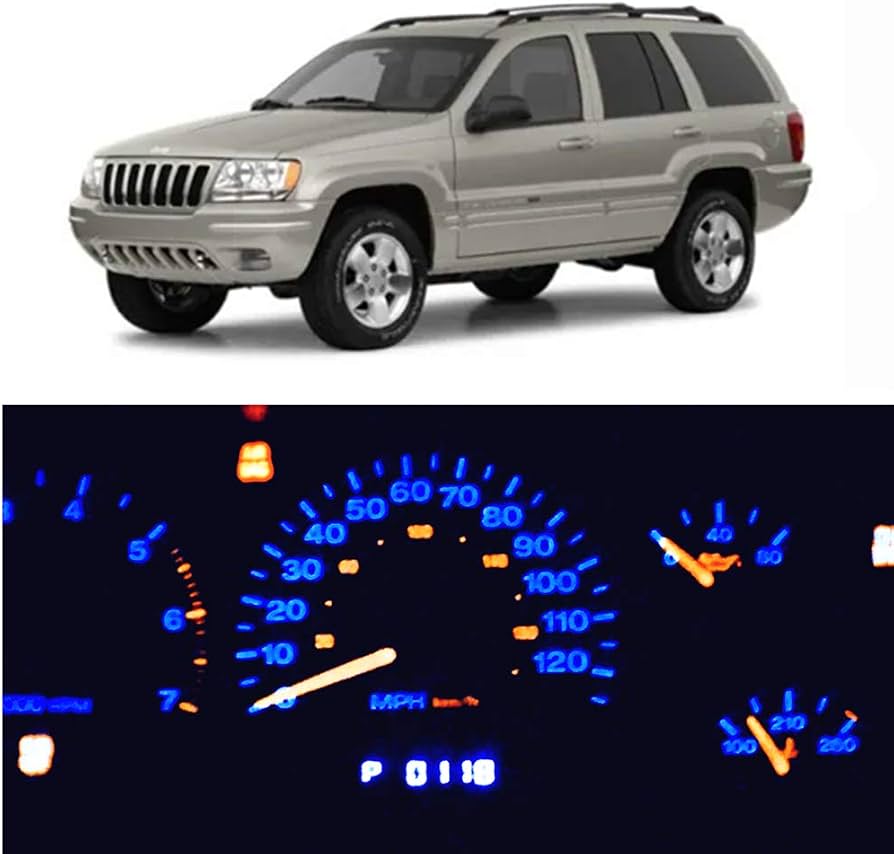
If your 2004 Jeep Grand Cherokee dashboard is hard to read at night, the problem may be your instrumental light bulbs. These bulbs help you see the speedometer, fuel gauge, and other important information. Over time, they can burn out or become dim. Replacing them yourself can save money and improve safety. This guide will show you exactly how to change the bulbs, avoid mistakes, and make your dashboard bright again—even if you’re new to car repairs.
Why Instrumental Light Bulbs Matter
The instrumental lights are not just for looks. They help you:
- See your speed and engine warnings at night
- Avoid missing critical alerts
- Drive safely in low-light conditions
If these bulbs go out, you can miss important signals and put yourself at risk. Many drivers don’t realize how easy it is to fix this issue themselves.
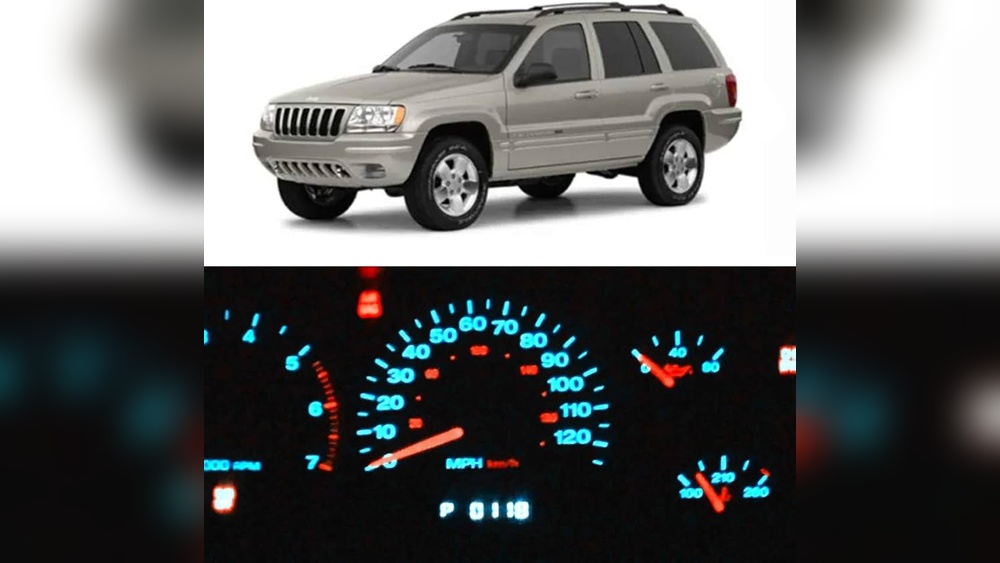
What You Need Before Starting
Changing these bulbs takes some tools and preparation. Here’s what you’ll need:
- Phillips screwdriver (medium size)
- Flathead screwdriver
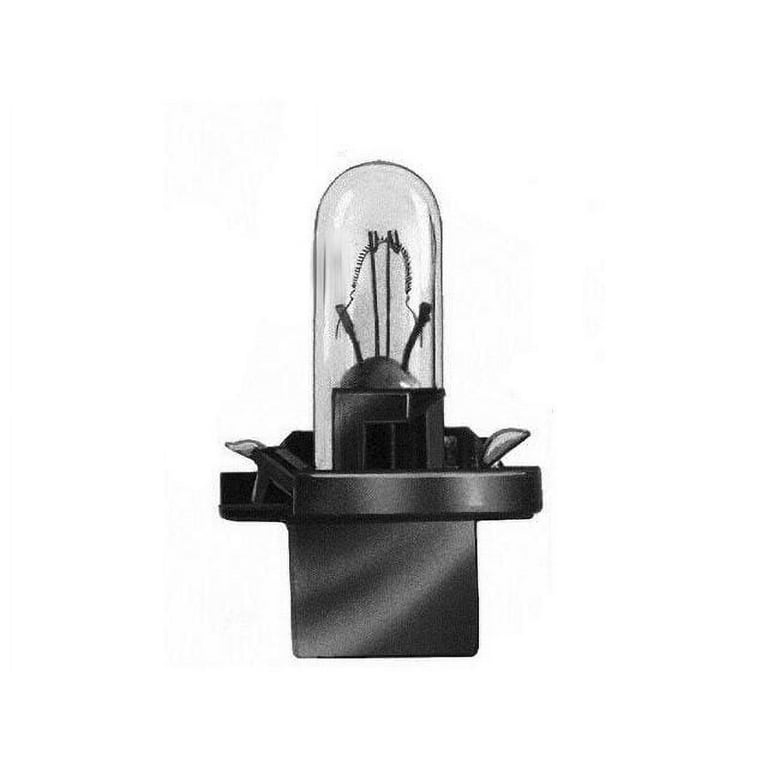
- Replacement bulbs: The 2004 Jeep Grand Cherokee uses T10 wedge bulbs for most dashboard lights. Check your owner’s manual for exact specs.
- Socket set (for removing bolts)
- Clean gloves (to avoid fingerprints on bulbs)
- Plastic trim removal tool (optional, reduces risk of scratches)
- Flashlight (helps you see small parts)
- Small container (for holding screws)
Before starting, make sure your car is parked safely and turned off. Disconnect the negative battery terminal to prevent electrical shock.
Step-by-step: Changing The Bulbs
Removing The Dashboard Trim
The first step is to take off the trim around your dashboard. This exposes the instrument cluster.
- Use the flathead screwdriver or plastic trim tool to gently pry off the dashboard bezel. Work slowly to avoid cracking the plastic.
- Remove screws at the corners and sides. Place them in your container so you don’t lose them.
Tip: Some clips may be hidden. Feel for resistance and look for extra screws if the trim doesn’t come off easily.
Accessing The Instrument Cluster
Once the trim is removed, you can see the instrument cluster. This is where the bulbs are.
- Locate the screws holding the cluster. Usually, there are 4–6 screws.
- Use the Phillips screwdriver to remove them.
- Carefully pull the cluster toward you. There will be wiring plugs at the back.
Important: Do not yank the cluster out. The wires are fragile and can break.
Disconnecting The Cluster
- Find the wiring plugs at the back of the cluster.
- Press the tabs and gently pull them out.
- Place the cluster on a clean, soft surface.
Changing The Bulbs
The bulbs sit in small sockets on the back of the cluster.
- Find the bulb sockets—they look like round plastic pieces with a base you can turn.
- Twist each socket counterclockwise and pull it out.
- Remove the old bulb by pulling it straight out.
- Insert the new T10 wedge bulb firmly.
- Put the socket back in place and twist clockwise to lock.
Insight: Some bulbs may look fine but are dim. It’s best to replace all at once to keep brightness consistent.
Reassembling Everything
- Reconnect the wiring plugs to the cluster.
- Slide the cluster back into place.
- Screw it in tightly.
- Put the dashboard trim back and secure all screws.
Before finishing, reconnect the battery and turn on the headlights. Check that all instrument lights work.
Common Mistakes And How To Avoid Them
Many beginners make these errors:
- Forgetting to disconnect the battery: This can cause short circuits.
- Dropping screws inside the dashboard: Always use a container.
- Touching bulbs with bare hands: Oil from your skin can shorten bulb life.
- Forcing the trim: If it’s stuck, double-check for hidden screws.
Non-obvious tip: If the new bulbs are not lighting up, check the socket orientation. Some bulbs need to be rotated for proper contact.

Choosing The Right Bulbs
Not all bulbs are the same. Here’s what matters:
- Wattage: Higher wattage bulbs are brighter but may cause extra heat.
- Color temperature: Choose bulbs labeled “cool white” or “warm white” depending on your preference.
- Brand reliability: Cheap bulbs can burn out fast.
Here’s a comparison of popular bulb types:
| Bulb Type | Brightness (Lumens) | Expected Life (Hours) | Color Options |
|---|---|---|---|
| Standard Halogen | 100–150 | 1,000 | White, Blue |
| LED | 250–400 | 20,000 | White, Red, Green |
| Xenon | 180–220 | 5,000 | White, Blue |
LED bulbs are popular for their brightness and long life, but make sure they fit your sockets.
How Long Does The Job Take?
Changing all the bulbs usually takes 45–90 minutes for beginners. Experienced DIYers may finish in 30 minutes. If you work slowly and carefully, you’ll avoid mistakes.
Costs And Savings
A mechanic may charge $80–$150 for this job. Doing it yourself costs:
- Bulbs: $10–$30 (for a set)
- Tools: Most people already have them
You can save up to $120 by doing it yourself.
When Should You Replace All Bulbs?
Some owners wait until all bulbs burn out. This can leave part of the dashboard dark. It’s smarter to:
- Replace all bulbs at once if you notice several dim spots
- Use high-quality bulbs for longer life
This prevents repeated repairs and keeps your dashboard looking good.
Practical Tips For A Smooth Process
- Take photos as you go. This helps you remember where screws and plugs go.
- Label the screws if they are different sizes.
- Work in daylight for best visibility.
- If you have trouble, check forums or official guides for your model.
For more details and technical specs, you can visit the official Jeep website: Jeep Owners.
Signs That Your Bulbs Need Replacing
Watch for these symptoms:
- Dim dashboard lights, even at highest setting
- Certain gauges are hard to see
- Flickering or uneven brightness
- Warning lights not visible
If you notice any of these, it’s time to change the bulbs.
Comparison: Diy Vs. Professional Replacement
Let’s compare doing it yourself and hiring a mechanic:
| Factor | DIY | Professional |
|---|---|---|
| Cost | $10–$30 | $80–$150 |
| Time | 45–90 minutes | 30–45 minutes |
| Quality | Depends on skill | Consistent |
| Learning | Yes | No |
If you want to save money and learn more about your car, DIY is the way to go.
Real Example: A Beginner’s Experience
Mary, a Jeep owner, noticed her dashboard was almost dark. She bought LED bulbs and spent about an hour changing them. She made sure to disconnect the battery, used gloves, and took photos. After finishing, her dashboard was brighter than ever. She saved $100 and gained confidence for future repairs.
Safety Reminders
- Always disconnect the battery before starting.
- Handle bulbs gently.
- Don’t force parts if they don’t fit easily.
- Make sure all plugs are secure before reassembling.
Frequently Asked Questions
How Many Bulbs Does A 2004 Jeep Grand Cherokee Dashboard Use?
Most models use between 6–10 bulbs for the instrument cluster. Check your owner’s manual for the exact number.
Can I Use Led Bulbs Instead Of Standard Bulbs?
Yes. LED bulbs are brighter and last longer, but you must choose the right size and check for compatibility.
Do I Need To Remove The Steering Wheel?
No. You only need to remove the dashboard trim and instrument cluster. The steering wheel stays in place.
What If My Dashboard Lights Still Don’t Work After Replacing Bulbs?
Check for a blown fuse, loose wiring, or faulty sockets. Sometimes the problem is not the bulbs.
Is It Safe For Beginners To Change These Bulbs?
Yes, as long as you follow steps carefully and disconnect the battery. Take your time and read guides if needed.
Changing the instrumental light bulbs in your 2004 Jeep Grand Cherokee is a smart way to improve safety, visibility, and save money. With simple tools and careful steps, anyone can do this task at home. Remember to pick reliable bulbs, avoid common mistakes, and check your work before finishing. A bright dashboard means safer night driving and fewer surprises.