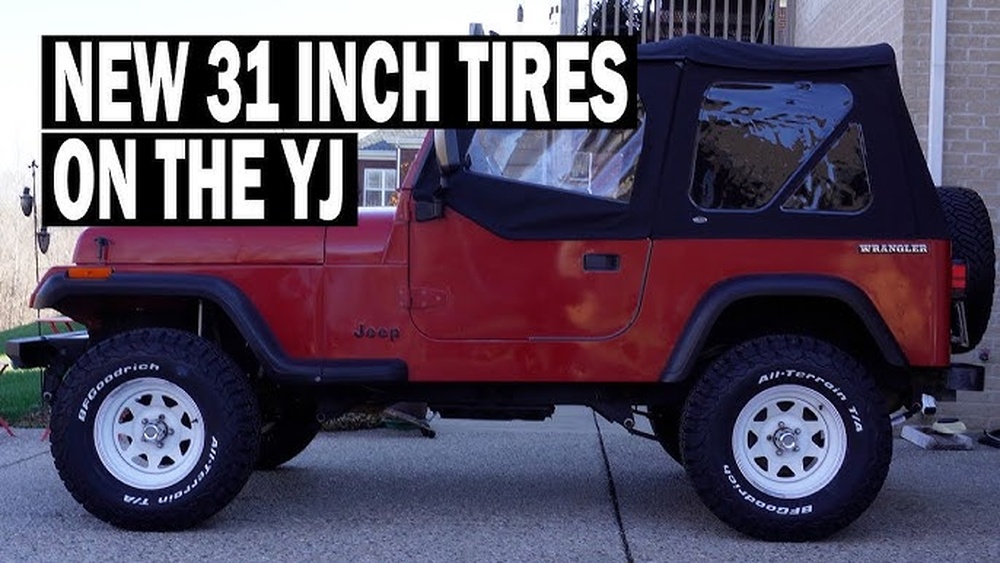
The Jeep Wrangler is famous for its adventurous spirit, rugged design, and ability to tackle tough terrains. But for many owners, the Wrangler is more than just an off-road companion—it’s also a tool for hauling boats, trailers, campers, or gear for the next big trip. If you want to unlock this towing potential, you’ll need a proper tow package for your Jeep Wrangler. Choosing, installing, and using the right tow package is not as simple as it may seem. This guide explains everything you need to know, from understanding your Wrangler’s towing capacity to picking the best components and avoiding common mistakes.
Why Consider A Tow Package For Your Jeep Wrangler?
A tow package is more than just a hitch. It includes a set of parts designed to help your Jeep safely tow a trailer or other load. Most Wranglers do not come ready for serious towing from the factory. Without a proper tow package, you risk damaging your vehicle, having unsafe handling, or even breaking the law.
A tow package can:
- Increase your Jeep’s towing ability.
- Make your Wrangler safer and more stable when hauling.
- Protect your investment by reducing wear and tear.
- Allow you to bring more gear or bigger toys on your adventures.
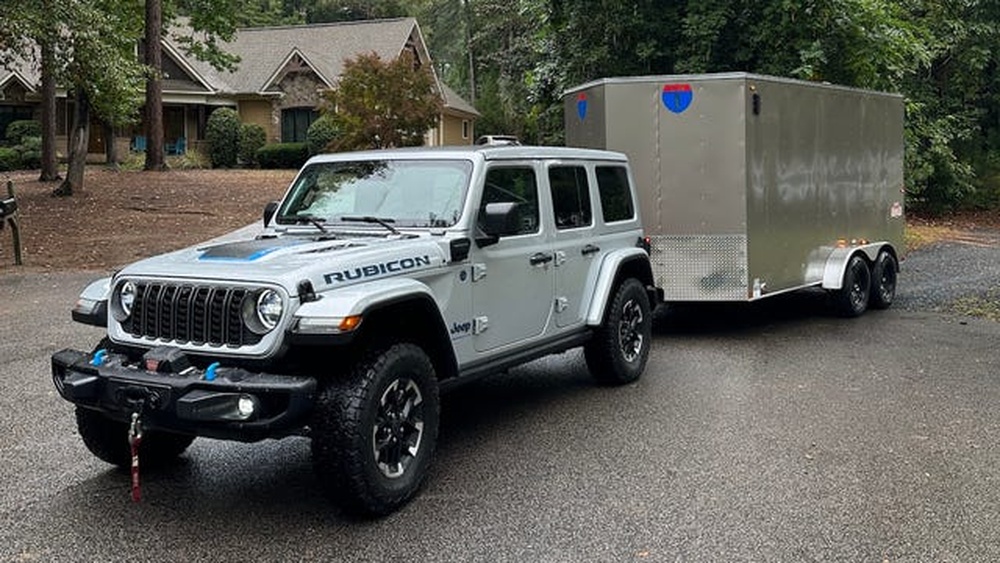
For example, a Wrangler with a complete tow package can tow small boats, pop-up campers, or even utility trailers for work or play.
What’s Included In A Typical Jeep Wrangler Tow Package?
The exact parts in a tow package can vary, but most reliable kits include these essentials:
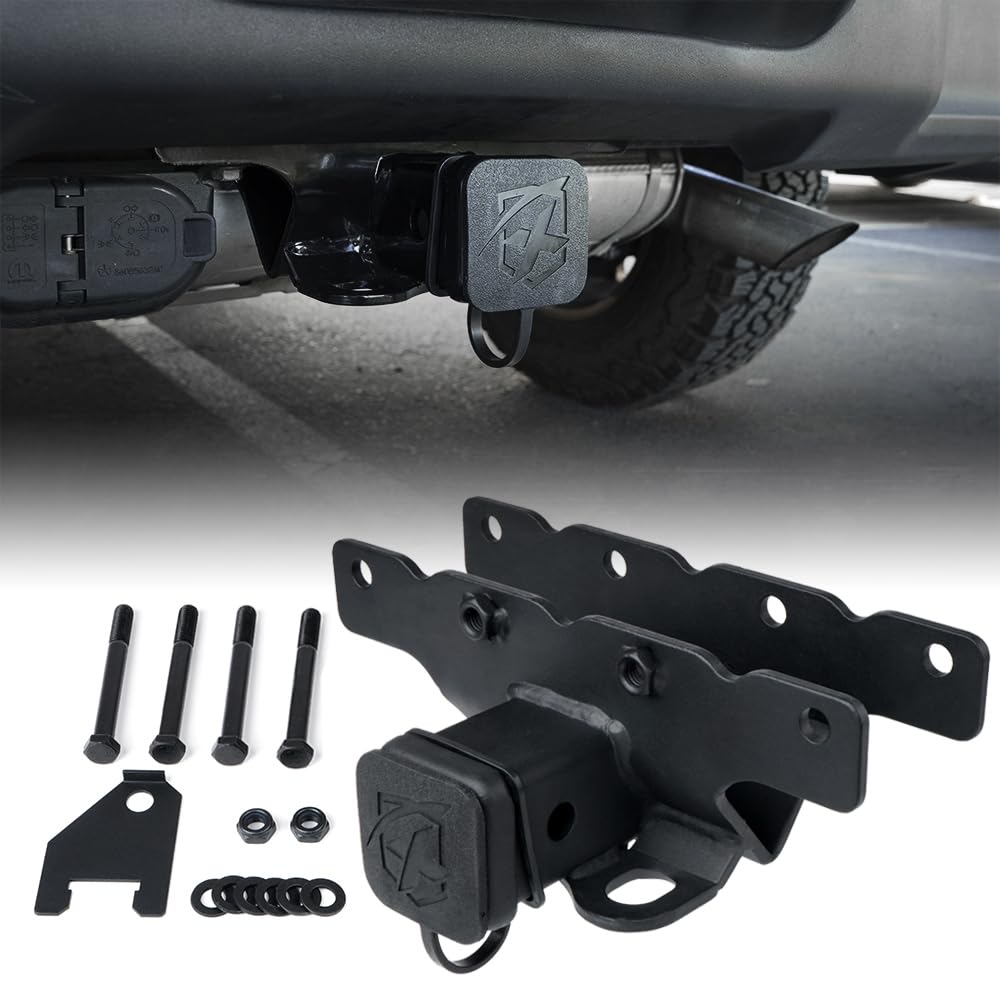
1. Trailer Hitch Receiver
This is the main part that connects your Jeep to the trailer. Most Wranglers use a Class II or Class III hitch, depending on towing needs.
2. Wiring Harness
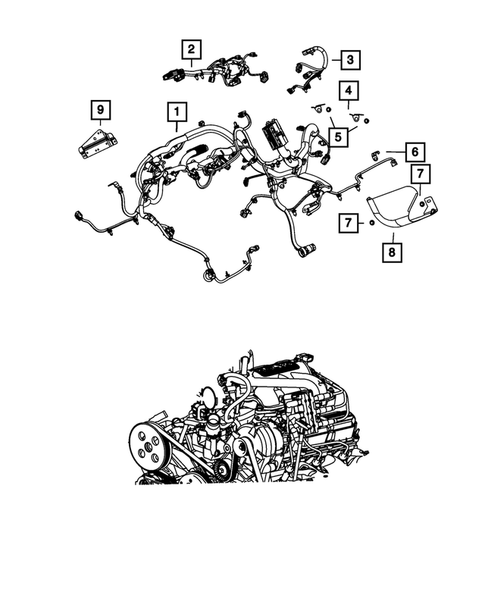
This connects your Jeep’s electrical system to the trailer’s lights, so brake lights, turn signals, and running lights work in sync.
3. Ball Mount And Hitch Ball
The ball mount slides into the hitch receiver and holds the hitch ball, which connects to the trailer’s coupler.
4. Safety Chains
These offer a backup connection in case the trailer becomes unhitched.
5. Trailer Brake Controller (for Heavier Loads)
This device helps control the trailer’s brakes using the Jeep’s brake pedal.
6. Upgraded Cooling System (in Some Packages)
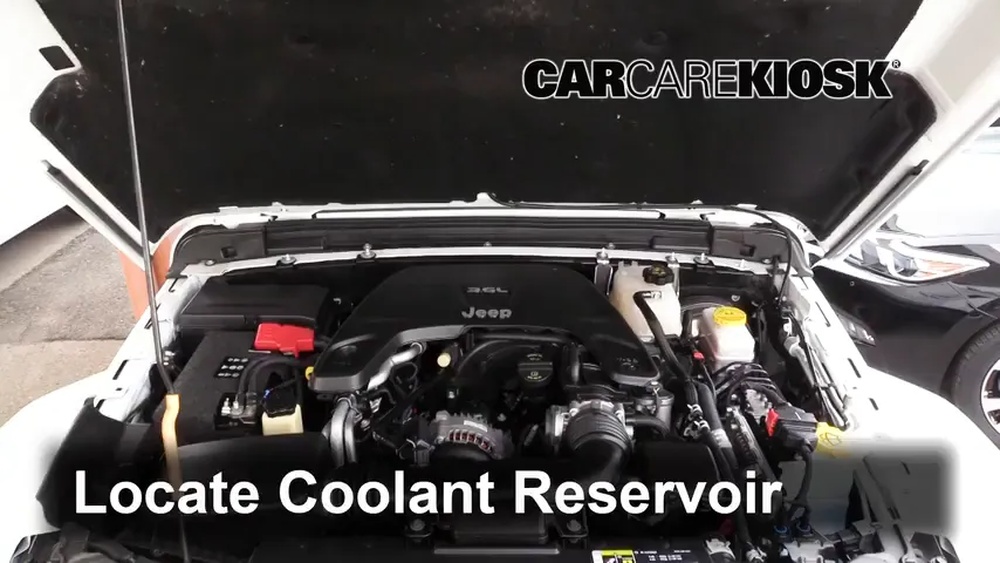
Towing creates extra heat. Some packages add larger radiators or transmission coolers.
Not all packages are created equal. Cheaper kits may skip the wiring harness or use lower-quality materials. Always check what’s included before buying.
Key Factors To Consider When Choosing A Tow Package
Not every tow package fits every Jeep Wrangler or every owner’s needs. Here are the main things to think about before you buy:
1. Know Your Wrangler’s Towing Capacity
Every Jeep Wrangler has a maximum towing capacity set by the manufacturer. Exceeding this limit can cause breakdowns, unsafe driving, or even void your warranty.
A typical guideline:
- 2-door Jeep Wrangler: Up to 2,000 lbs
- 4-door Jeep Wrangler Unlimited: Up to 3,500 lbs
Check your owner’s manual for the exact number for your year and model.
2. Hitch Class Matters
Hitch receivers come in different classes:
| Hitch Class | Max Gross Trailer Weight | Compatible Jeep Models |
|---|---|---|
| Class I | 2,000 lbs | Older 2-door Wranglers |
| Class II | 3,500 lbs | Most 4-door Wranglers |
| Class III | 5,000 lbs | Only with heavy-duty upgrades |
Never use a hitch with a higher rating than your Jeep’s towing capacity it won’t make your Jeep tow more safely.
3. Wiring Harness Compatibility
A plug-and-play wiring harness is easiest to install and avoids cutting wires. Make sure the kit matches your Jeep’s year and trim.
4. Trailer Brake Controller
If your trailer weighs over 2,000 lbs or has its own brakes, you’ll need a brake controller. Some states require this by law.
5. Quality And Corrosion Resistance
Towing hardware is exposed to water, mud, and road salt. Look for powder-coated or stainless steel hardware to prevent rust.
6. Warranty And Certification
Always choose parts that are SAE J684 certified for safety and covered by a solid warranty.
Factory Tow Package Vs. Aftermarket Options
You have two main choices: buy a factory tow package when you order your Jeep, or add an aftermarket kit later.
Factory Tow Package
- Installed by the dealer, often with upgraded cooling and electrical systems.
- Covered by Jeep’s warranty.
- Usually more expensive.
- May include bumper reinforcements.
Aftermarket Tow Packages
- Often cheaper and easy to install at home.
- Wide range of choices for different budgets.
- Can mix-and-match features.
- May require more research to ensure compatibility.
Here’s a quick comparison:
| Feature | Factory Package | Aftermarket Package |
|---|---|---|
| Warranty | Included | Depends on brand |
| Price | Higher | Lower |
| Customization | Limited | Flexible |
| Installation | Dealer only | DIY or shop |
| Parts Quality | OEM | Varies |
Step-by-step: Installing A Tow Package On A Jeep Wrangler
Many Wrangler owners install tow packages themselves. Here’s a basic overview:
1. Check The Box
Lay out all parts and tools. Read the instructions for your kit.
2. Lift The Jeep (if Needed)
Some hitches require removing the rear bumper or lifting the vehicle.
3. Install The Hitch Receiver
Use the supplied bolts and torque to the recommended settings.
4. Attach The Wiring Harness
Plug the harness into your Wrangler’s taillight connectors. Secure any loose wires.
5. Install The Ball Mount And Hitch Ball
Tighten the ball with a wrench.
6. Test The Lights
Connect your trailer and check all lights brake, turn, and running.
7. Add Safety Chains And Accessories
Make sure chains are crossed under the tongue and not dragging on the ground.
Tip: Most first-timers can install a basic tow package in 1–2 hours with simple tools. If your kit includes a brake controller or cooling upgrade, consider professional help.
Common Mistakes To Avoid
Some Jeep owners make errors that can lead to accidents or expensive repairs. Watch out for these common problems:
- Ignoring your Jeep’s towing limit. Even a strong-looking Wrangler has limits.
- Skipping the wiring harness. Towing without working trailer lights is illegal and unsafe.
- Not checking the hitch rating. A high-rated hitch can still fail if not installed correctly.
- Forgetting to torque bolts. Loose bolts can cause the hitch to fall off.
- Using rusty hardware. Rust weakens metal and can lead to failure.
A less obvious mistake: Not considering the added tongue weight. Too much weight on the hitch can make the rear of your Jeep sag and affect handling. Use a weight distribution hitch if your trailer is near the upper towing limit.
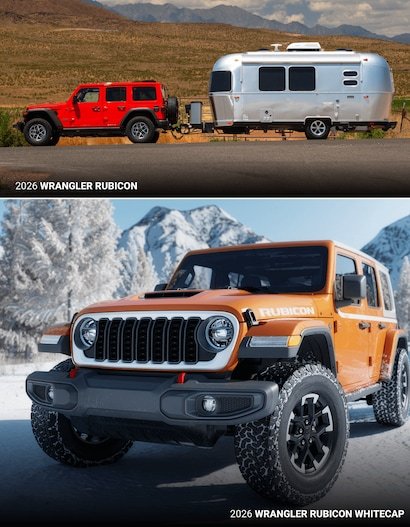
Real-world Examples: What Can A Jeep Wrangler Tow?
With the right tow package, a Wrangler is surprisingly versatile. Here are some practical examples:
- Small boat or jet ski trailer (usually under 2,000 lbs)
- Pop-up camping trailer (1,500–3,000 lbs)
- Motorcycle trailer (1,000–1,500 lbs)
- Utility trailer with yard equipment or ATVs (up to 3,000 lbs)
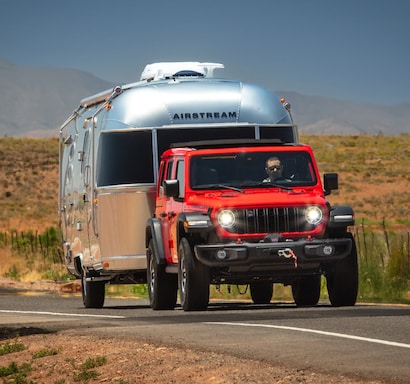
For heavier loads, like large travel trailers, a full-size SUV or truck is a better choice. Always check both your Jeep’s rating and the trailer’s weight (including cargo) before heading out.
Upgrades Worth Considering
If you plan to tow often or near the limit, a few upgrades can make towing safer and more enjoyable:
- Heavy-duty suspension to handle extra weight
- Transmission cooler for better heat management
- All-terrain tires with higher load ratings
- Extended mirrors for better rear visibility
These upgrades are not always part of standard tow packages but can make a big difference on long trips.
Towing Laws And Safety Tips
Towing rules vary by state. Here are a few legal and safety basics:
- Trailer brakes are often required for trailers over 1,500–2,000 lbs.
- Safety chains must always be used.
- Load distribution is key: Place 60% of the load in front of the trailer axle.
- Check tire pressure on both Jeep and trailer before every trip.
- Practice backing up before you go on the road.
One overlooked safety tip: Always recheck hitch and ball tightness after driving a short distance with a new setup. Vibration can loosen bolts.
For more details on laws and best practices, the National Highway Traffic Safety Administration offers helpful resources.
Cost Of A Jeep Wrangler Tow Package
Prices vary widely depending on the kit and features. Here’s a general price range:
- Basic Class II hitch and wiring: $180–$300 (DIY install)
- Complete kit with ball mount, brake controller, and cooling: $500–$900
- Factory tow package (new Jeeps): $795–$1,200 (includes installation)
Installation at a shop may add $100 $300. Upgrades like heavy-duty suspension or coolers cost extra.
Pro tip: Cheap kits often use lower-quality steel and paint, leading to rust and early failure. Invest in a reputable brand for safety.
Frequently Asked Questions
What Is The Maximum Towing Capacity Of A Jeep Wrangler?
Most 2-door Jeep Wranglers can tow up to 2,000 lbs, while 4-door Wrangler Unlimited models can handle up to 3,500 lbs. Always check your owner’s manual for the exact rating for your model year.
Can I Tow A Camper With My Jeep Wrangler?
Yes, as long as the camper’s weight (including gear and water) is below your Jeep’s towing limit. Many small pop-up campers and teardrop trailers are designed for Wranglers.
Do I Need A Brake Controller For My Trailer?
If your trailer has its own brakes or weighs over 2,000 lbs, a brake controller is required in many states. It also makes towing much safer by helping you stop faster and more smoothly.
Is It Hard To Install A Tow Package Myself?
A basic tow package (hitch and wiring) is a common DIY project and usually takes 1 2 hours. If your kit includes a brake controller or cooling upgrades, you may want professional installation.
Will A Tow Package Void My Jeep’s Warranty?
A factory tow package keeps your warranty safe. High-quality, certified aftermarket parts installed correctly should not void the warranty, but improper installation or unapproved parts could cause issues. Always check with your dealer if you’re unsure.
A tow package unlocks a new level of adventure for your Jeep Wrangler. With the right setup, you can safely haul everything from boats to campers and gear for your next journey.
Take the time to choose the right kit for your needs, install it properly, and always follow safe towing practices.
Your Wrangler is built for more than just the trail it’s ready to tow when you are.