If you own a Jeep Liberty, you know how helpful warning lights can be. They alert you to problems with your vehicle, from low tire pressure to engine trouble. But sometimes, these lights stay on even after the problem is fixed, or they appear because of a minor glitch. When this happens, it can be distracting and stressful, especially if you’re not sure what to do next. Learning how to disable Jeep Liberty warning lights safely and correctly is important for your peace of mind and the health of your vehicle. This guide will walk you through everything you need to know, using simple English and practical advice.
Understanding Jeep Liberty Warning Lights
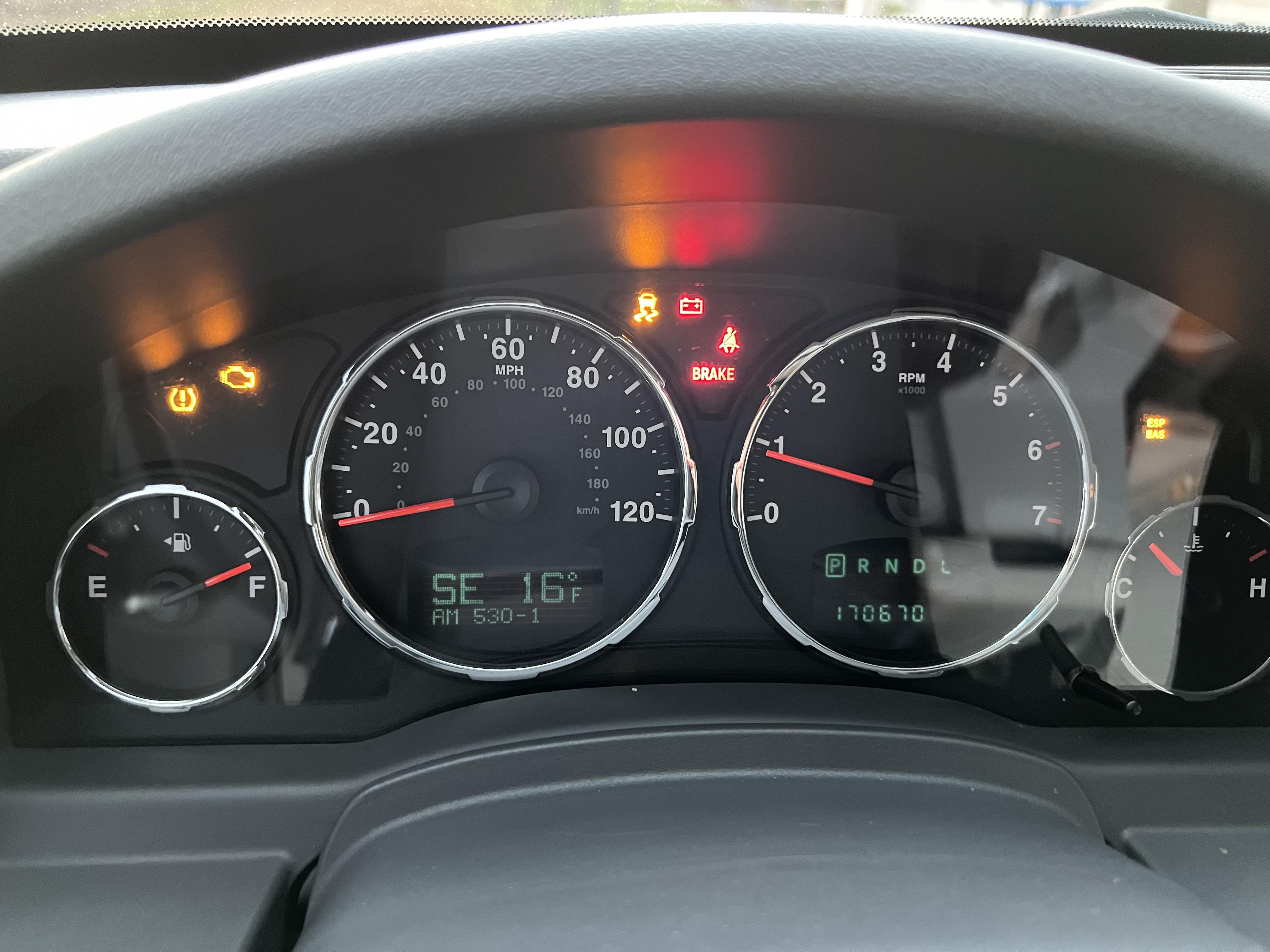
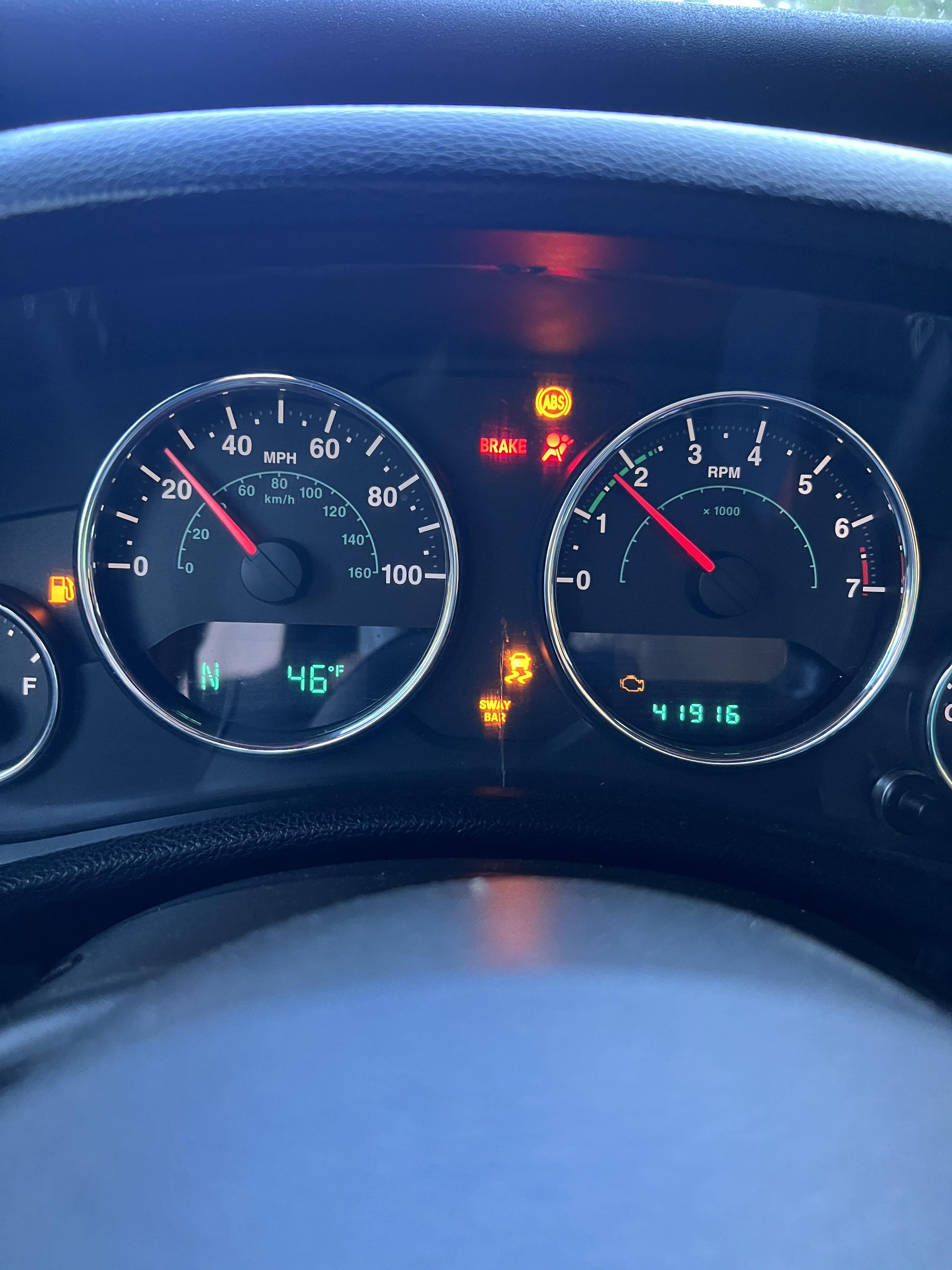
The dashboard of your Jeep Liberty is full of symbols, each with a specific meaning. Some lights, like the seatbelt reminder, are just warnings.
Others, like the check engine light, signal more serious issues. Knowing the difference can help you decide if you need to take immediate action or if you can fix the problem yourself.

Here are some of the most common warning lights in the Jeep Liberty:
- Check Engine Light: Indicates engine or emissions problems.
- ABS Light: Points to brake system issues.
- Airbag Light: Shows a problem with the airbag system.
- Oil Pressure Light: Warns of low oil pressure.
- Battery Light: Signals a charging system problem.
- Tire Pressure Monitoring System (TPMS) Light: Alerts you to low tire pressure.
If a warning light comes on, don’t ignore it. Some lights mean your car is unsafe to drive. Others can be reset after you fix the problem.
Why Warning Lights Stay On
Sometimes, warning lights remain illuminated even after you fix the issue. This can happen for several reasons:
- Faulty sensors: Sensors can fail or send incorrect signals.
- Electrical glitches: Power surges or loose connections may keep lights on.
- Temporary issues: A brief problem (like a loose gas cap) may trigger a light that doesn’t reset right away.
- Software errors: The car’s computer might need a manual reset.
Understanding why the light is on is the first step before you try to turn it off.
When Should You Disable A Warning Light?
It’s important to say: you should never disable a warning light without understanding the cause. If you turn off a light without fixing the real problem, you could risk serious damage or even an accident. Only reset or disable a warning light when:
- You have fixed the underlying issue (for example, replaced a sensor or tightened the gas cap).
- You know the warning is a false alarm after a diagnosis.
- The car’s manual or a professional mechanic confirms it is safe to reset.
If you’re not sure, talk to a qualified mechanic first.
Methods To Disable Jeep Liberty Warning Lights
There are several safe ways to reset or disable warning lights on your Jeep Liberty. Let’s go step by step.
1. Using The On-board Diagnostics (obd-ii) Scanner
The OBD-II scanner is the most reliable way to reset warning lights. This tool reads your car’s computer and clears error codes.
Steps:
- Locate the OBD-II port under the dashboard, near the driver’s seat.
- Turn the ignition to ON (do not start the engine).
- Plug in the OBD-II scanner.
- Follow the scanner’s instructions to read the codes.
- Fix the root problem shown by the codes.
- Select “Clear Codes” or “Erase Codes” on the scanner.
- Turn off the ignition and unplug the scanner.
Most warning lights should disappear after this. If the light comes back, the problem may not be fixed.
| OBD-II Scanner Type | Features | Approximate Cost |
|---|---|---|
| Basic Handheld | Reads & clears codes | $25–$50 |
| Bluetoooth App-Based | Connects to smartphone, more data | $30–$100 |
| Professional | Advanced diagnostics, live data | $100+ |
2. Battery Disconnect Method
If you don’t have a scanner, you can try disconnecting the car battery. This method erases stored codes and may reset warning lights.
Steps:
- Turn off the engine and remove the key.
- Open the hood and find the battery.
- Use a wrench to disconnect the negative (-) terminal.
- Wait 10–15 minutes.
- Reconnect the negative terminal tightly.
- Start the car and check the dashboard.
This method does not always work for all warning lights, and it will reset your radio and clock settings.
3. Fixing The Root Cause
Sometimes, simply fixing the issue will turn off the warning light automatically. Here are some examples:
- If the check engine light is on because of a loose gas cap, tightening the cap may turn the light off after a few drive cycles.
- Low tire pressure? Inflate the tires to the recommended PSI, and the TPMS light should go off.
It can take a few trips for the car’s system to reset itself after a repair.
4. Using The Dashboard Reset Sequence
Some warning lights, like the oil change or maintenance reminder, can be reset using a series of actions on the dashboard.
Example: Resetting Oil Change Light
- Turn the ignition to ON (do not start).
- Fully press the gas pedal three times within 10 seconds.
- Turn the ignition off.
- Start the engine to check if the light is gone.
Check your owner’s manual for the exact procedure for your model year.
5. Seeking Professional Help
When the warning light stays on despite all efforts, or if you’re unsure, a qualified mechanic can diagnose the issue with advanced tools. This is often the safest and fastest solution for complex problems.
Common Jeep Liberty Warning Lights And How To Reset Them
Let’s go into more detail on the most frequent dashboard lights and how to turn them off safely.
Check Engine Light
- Causes: Faulty oxygen sensor, loose gas cap, bad spark plugs, emissions system error.
- Reset: After fixing the cause, use an OBD-II scanner to clear the code.
Abs Light
- Causes: Bad wheel speed sensor, damaged wiring, ABS control module failure.
- Reset: Repair the faulty part, then clear the code with a scanner.
Airbag Light
- Causes: Loose connection under seats, bad clock spring, sensor failure.
- Reset: After repair, use a scanner that supports airbag systems to reset.
Oil Pressure Light
- Causes: Low oil level, worn oil pump, sensor issues.
- Reset: Add oil or fix the pump. The light should go off automatically.
Battery Light
- Causes: Bad alternator, loose battery cable, dying battery.
- Reset: Replace or repair the faulty part. The light goes off if the system charges properly.
Tpms Light
- Causes: Low tire pressure, faulty sensor.
- Reset: Inflate tires to the correct pressure. If the light stays, have the sensors checked.
| Warning Light | Possible Causes | Reset Method |
|---|---|---|
| Check Engine | Sensor, gas cap, emissions | Fix & OBD-II scanner |
| ABS | Wheel sensor, wiring | Repair & scanner |
| TPMS | Low tire, bad sensor | Inflate/replace & drive |
| Oil Pressure | Low oil, pump issue | Add oil/repair |
Two Key Tips Most Owners Miss
- Drive Cycles Matter: After fixing a problem, your Jeep Liberty may need a few “drive cycles” (starting, driving, and shutting off the engine) before the warning light goes away. Don’t panic if the light doesn’t turn off instantly.
- Check Technical Service Bulletins (TSBs): Sometimes, recurring warning lights are caused by known manufacturer issues. TSBs are official fixes or updates from Jeep. You can find these on Jeep’s official website or at NHTSA.gov.
Mistakes To Avoid When Disabling Warning Lights
- Ignoring real problems: Always fix the actual issue first.
- Using tape or covers to hide lights: This is unsafe and can fail vehicle inspections.
- Disconnecting lights or sensors: Modern vehicles use these for more than just warnings. Disconnecting can cause more errors or even disable safety features.
- Skipping regular maintenance: Preventive care keeps lights off and your Jeep running smoothly.
How Jeep Liberty Warning Lights Compare To Other Suvs
It’s helpful to see how the Jeep Liberty stacks up against similar vehicles when it comes to dashboard warnings.
| Vehicle | Common Warning Lights | Reset Difficulty | OBD-II Required? |
|---|---|---|---|
| Jeep Liberty | Check Engine, ABS, TPMS | Medium | Often |
| Honda CR-V | Check Engine, VSA, TPMS | Easy | Sometimes |
| Ford Escape | Check Engine, ABS, TPMS | Medium | Often |
| Toyota RAV4 | Check Engine, Tire, Oil | Easy | Rarely |
As you can see, the Jeep Liberty is similar to its competitors. The main difference is that some warning lights require an OBD-II scanner to clear, while others may reset automatically after fixing the issue.
Preventing Future Warning Light Problems
It’s always better to prevent warning lights than to deal with them. Here are some ways to keep your dashboard clear:
- Regular maintenance: Change oil, check fluids, and inspect brakes on schedule.
- Check tire pressure monthly.
- Tighten the gas cap every time you fill up.
- Watch for recalls and TSBs that affect your model.
- Use quality parts and fluids to prevent false alarms.
A well-maintained Jeep Liberty will have fewer warning light problems and last longer.
Frequently Asked Questions
How Long Does It Take For A Warning Light To Reset After Fixing The Problem?
Most warning lights will reset in a few drive cycles (usually 3 5 times starting, driving, and shutting off the engine). Some may need to be cleared with an OBD-II scanner.
Can I Drive My Jeep Liberty With A Warning Light On?
It depends on the light. Red or flashing lights (like the oil pressure or battery light) mean you should stop and fix the issue right away. Yellow or orange lights (like check engine) may allow short-term driving, but get the problem checked soon.
Is It Safe To Use The Battery Disconnect Method?
Yes, but use it with caution. Disconnecting the battery can reset all electronics, including the radio and clock. It may not work for all warning lights and is not a substitute for actual repairs.
Do All Jeep Liberty Models Use The Same Reset Procedures?
Most 2002–2012 Jeep Liberty models use similar methods, but details can change by year. Always check your owner’s manual for specific instructions.
Where Can I Find More Information On Warning Lights?
The best sources are your owner’s manual, Jeep’s official website, and trusted sites like NHTSA.gov for recalls and technical bulletins.
Disabling warning lights on your Jeep Liberty is not just about turning off a dashboard symbol it’s about keeping your vehicle safe and reliable.
Always address the root cause, use the right tools, and don’t hesitate to ask a mechanic if you feel unsure.
This way, you can enjoy the road with confidence and keep your Jeep Liberty running smoothly for years to come.