Changing the front lights on your 2012 Jeep Grand Cherokee might seem difficult, but it is a manageable task for most drivers. Whether your headlights are dim or one has stopped working, replacing them yourself can save time and money. Upgrading to brighter bulbs or fixing a faulty light improves night visibility and keeps you safer on the road. In this article, you’ll learn step-by-step how to change the front lights, including tips, safety advice, and common mistakes to avoid. You’ll also find practical tables and a useful FAQ at the end. Even if you have limited experience with car maintenance, this guide will help you build confidence and avoid frustration.
Understanding Your 2012 Jeep Grand Cherokee Front Lights
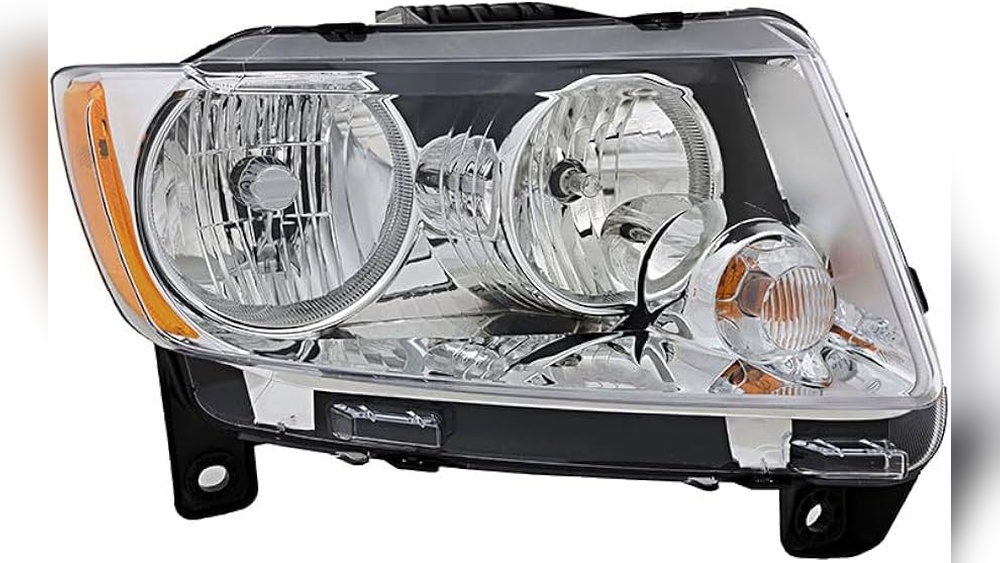
The front lights include the headlights, turn signals, and fog lights. Each has a unique function:
- Headlights: Main source for night driving, high and low beam.
- Turn signals: Indicate direction changes.
- Fog lights: Help see better in foggy or rainy conditions.
The 2012 Grand Cherokee uses halogen bulbs for most front lights, but some models may have HID (High-Intensity Discharge) or LED upgrades. Knowing which type you have is important because installation and compatibility differ. Sometimes, owners are not aware that different trim levels can use different bulbs, so always double-check before purchasing replacements. For example, the Overland and Summit trims may have HID or even factory LED setups, while Laredo and Limited commonly use halogen.
Why Changing Front Lights Matters
Statistics show that nearly 40% of nighttime accidents are linked to poor visibility (National Highway Traffic Safety Administration). Proper lights help you see and be seen. Faulty bulbs can cause tickets or inspection failures. Many drivers don’t realize that even a slightly dim bulb can significantly reduce the distance you see ahead—sometimes by as much as 30%. This can be the difference between stopping in time or not. Also, uneven lighting from mismatched bulbs can confuse other drivers, increasing accident risk.
Tools And Materials Needed
Before starting, gather these tools:
- New bulbs: Check your manual for the correct bulb type (e.g., H11 for low beam, 9005 for high beam).
- Gloves: Keeps oil off bulbs; prevents skin burns.
- Flathead screwdriver: Helps remove clips.
- Socket wrench: For headlight assembly removal.
- Safety glasses: Protects your eyes.
Having all tools ready before you start saves time and helps prevent mistakes. For example, if you forget gloves and touch a halogen bulb, oils from your skin can cause the bulb to burn out much faster even within days.
Using the right bulb type is essential.
Installing the wrong bulb can cause poor fitment, overheating, or even electrical problems.
Here’s a quick comparison to help you pick the right bulb for your needs:
| Bulb Type | Brightness (Lumens) | Lifespan (Hours) | Cost Range |
|---|---|---|---|
| Halogen | 1000–1500 | 500–1000 | $10–$25 |
| HID | 3000–3500 | 2000–3000 | $35–$80 |
| LED | 4000–6000 | 20,000+ | $50–$120 |
If you drive a lot at night or in bad weather, it may be worth investing in a longer-lasting or brighter bulb, even if it costs more upfront.
Step-by-step Guide: Changing Headlights
Changing the headlights on a 2012 Jeep Grand Cherokee is not too complex. Here are the steps:
1. Open The Hood And Locate Headlight Assembly
Pull the hood release lever inside your car. Secure the hood with its prop rod. Find the headlight assembly behind the front grille. On the Grand Cherokee, the assembly is large and sits just above the bumper. If you’re unsure, look for the clear plastic lens that faces forward.
2. Remove The Headlight Assembly
The assembly is held by bolts and clips. Use your socket wrench to remove the bolts.
Some clips may need a flathead screwdriver. Be patient, as some bolts are in awkward spots.
If you have a magnetic tool, it helps prevent losing bolts inside the engine bay.
Non-obvious tip: The assembly won’t come out easily if you forget to remove a hidden bolt below the bumper. Double-check before pulling. Some owners accidentally crack the plastic tabs by pulling too hard. If resistance is high, check again for missed fasteners.
3. Disconnect The Electrical Connector
Find the connector behind the assembly. Press the tab and pull gently. Don’t yank the wires. If it feels stuck, wiggle slightly while pressing the tab. Never force it, as the plastic connectors can break easily.
4. Remove The Old Bulb
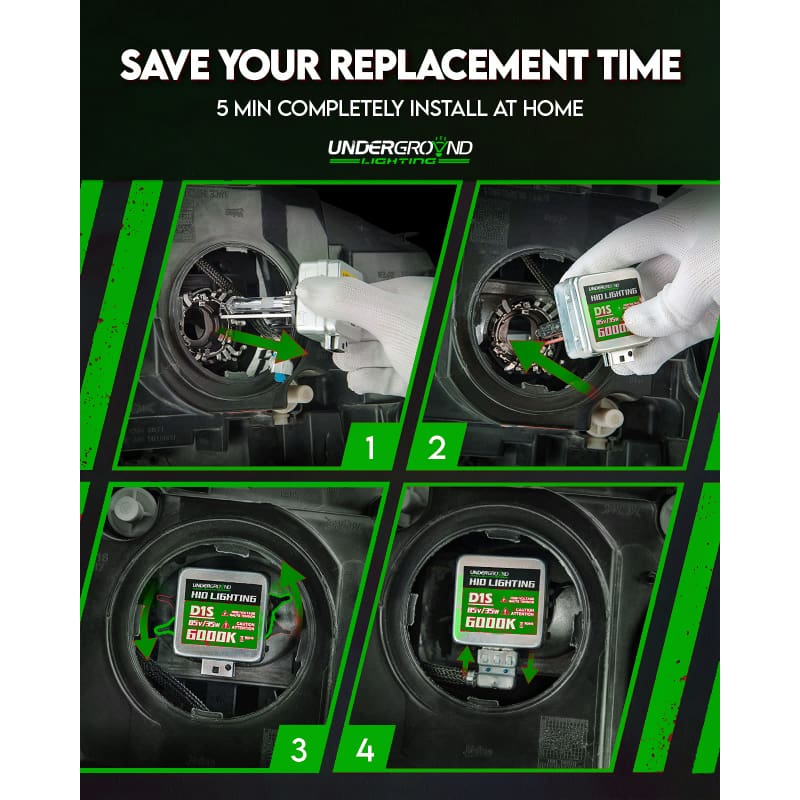
Turn the bulb counterclockwise to unlock it. Pull it out carefully. Don’t touch the glass with your fingers. If the bulb is stuck, gently rock it back and forth. Sometimes, dust and heat make it harder to turn.
5. Insert The New Bulb
With gloves on, insert the new bulb. Turn it clockwise to lock in place. Connect the electrical connector. If you’re upgrading to LED or HID, make sure the adapters (if needed) are connected before locking the bulb.
6. Reinstall The Headlight Assembly
Place the assembly back and secure all bolts and clips. Make sure it sits flush with the body. Align the assembly carefully; even a small misalignment can cause the headlight to aim incorrectly.
7. Test The Lights
Turn on the headlights to check both low and high beams. If they don’t work, check the connector and bulb seating. Testing before closing the hood saves time if something needs adjusting.
Common Mistakes
- Touching bulb glass with bare hands (oil can shorten bulb life)
- Forgetting hidden bolts
- Not reconnecting the connector fully
- Rushing reassembly and missing a bolt, which can make the assembly loose
Many beginners forget to check headlight aiming after installation. Misaligned lights can blind other drivers or leave dark spots on the road.
Changing Turn Signal And Fog Lights
The turn signals and fog lights are easier to change but still require care.
Turn Signal Replacement
- Access the back of the turn signal from the engine bay.
- Twist and remove the bulb socket.
- Pull out the old bulb.
- Insert new bulb and secure socket.
- Test by activating the turn signal.
Be careful not to drop the bulb inside the engine bay. If you do, use a telescoping magnet to retrieve it.
Fog Light Replacement
Fog lights are located low on the front bumper.
- Turn wheels outward for easier access.
- Reach behind the bumper to find the fog light socket.
- Twist and remove the bulb.
- Install new bulb.
- Test by turning on fog lights.
Non-obvious insight: Fog light sockets are tight. If you struggle, try from the wheel well side. Some Grand Cherokee models have a small access panel in the wheel well that you can remove for easier reach. Also, fog light wiring is exposed to more water and dirt, so connectors can be stiff or corroded. If the connector is stuck, spray a little electrical contact cleaner and wait a minute before trying again.
Upgrading To Led Or Hid
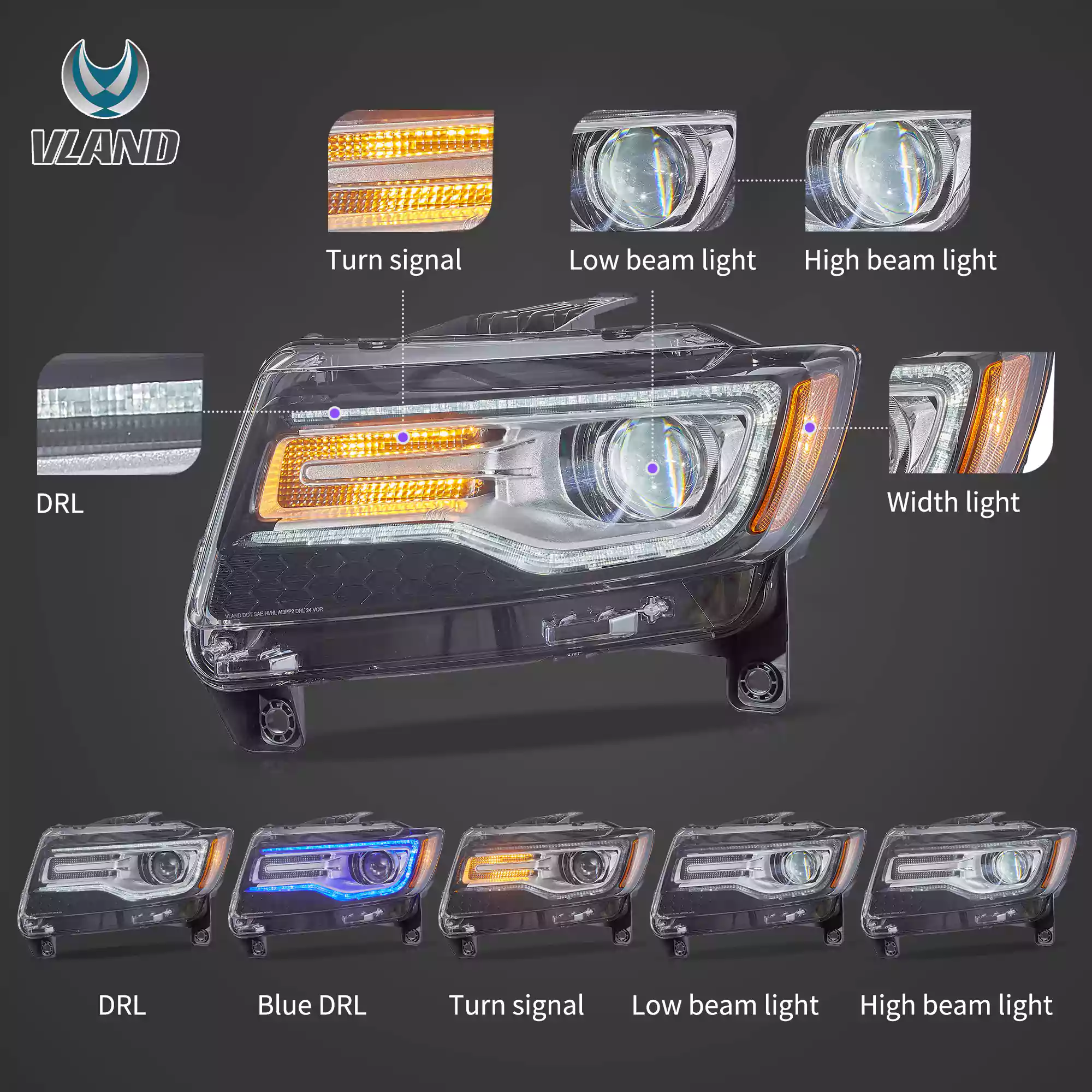
Many owners upgrade to LED or HID bulbs for better brightness and lifespan. However, not all upgrades are plug-and-play.
- LEDs may need extra adapters.
- HID kits often require ballasts.
Check your state laws, as some brighter bulbs may not be street legal. Some LEDs may cause dashboard errors or flickering unless you use a special decoder or resistor. If you install HIDs, make sure the ballast is mounted securely and away from heat sources.
Led Vs. Halogen: Practical Comparison
| Feature | Halogen | LED |
|---|---|---|
| Brightness | Moderate | Very High |
| Lifespan | Short | Very Long |
| Heat Produced | High | Low |
| Energy Use | Higher | Lower |
| Cost | Lower | Higher |
Another benefit of LEDs is their instant-on response, while halogen bulbs take a split second to reach full brightness. On the other hand, some low-cost LED kits scatter light poorly, so look for brands with good beam patterns.
If you do a lot of off-road driving, LEDs handle vibration better than halogen.
Safety Tips And Best Practices
Changing car lights means working with electricity and tight spaces. Use these safety tips:
- Wear gloves and safety glasses.
- Make sure the car is off and keys removed.
- Never force parts; check for missed bolts.
- Use bulbs from trusted brands.
Pro insight: If you replace one headlight, consider changing both. Older bulbs dim over time, so new ones may look uneven. Also, always test your lights before driving at night. Sometimes bulbs work loose after installation if not properly locked in.
If you’re working outdoors, avoid doing this in the rain or on wet ground to reduce the risk of slipping or damaging electrical components.
Troubleshooting After Replacement
Sometimes, the new lights don’t work. Here’s what to check:
- Bulb seating: Make sure the bulb is locked in place.
- Connector: Confirm it’s fully attached.
- Fuse: A blown fuse can stop power. Check your fuse box.
- Bulb type: Using the wrong bulb won’t fit or work.
If the light still doesn’t work after checking these, try swapping the bulb with the other side. If the problem moves with the bulb, it’s likely a faulty bulb.
Quick Troubleshooting Reference
| Issue | Possible Cause | Solution |
|---|---|---|
| Lights don’t turn on | Loose connector | Reconnect firmly |
| One light dimmer | Old bulb vs. new | Replace both bulbs |
| Bulb doesn’t fit | Wrong bulb type | Check manual |
| Light flickers | Bad connection | Check socket and wires |
A rare but possible issue is a corroded socket, especially in fog lights. If you see green or white residue, clean the contacts gently with a small brush and apply a little dielectric grease to prevent future corrosion.
Practical Tips For Long Bulb Life
To get the most from your bulbs:
- Avoid touching bulb glass.
- Check headlight alignment after replacement.
- Clean the assembly lens for brighter output.
- Replace bulbs every 2–3 years, even if not burned out.
Even a slightly dirty lens can reduce light output by over 20%. Use a plastic-safe cleaner to gently wipe away haze or dirt. Regularly check for moisture inside the assembly, which signals a bad seal. Moisture can shorten bulb life and reduce brightness.
If you notice water inside, reseal or replace the assembly as needed.
Environmental And Legal Considerations
Some bulbs contain materials that must be recycled. Old bulbs should not go in regular trash. Most auto parts stores recycle bulbs safely. Proper disposal helps prevent harmful chemicals from entering the environment.
Legal rules may restrict certain upgrades. Always check local regulations, especially for LED and HID kits. Some states have strict brightness limits, and using illegal bulbs can result in fines or failed inspections. Checking your local DMV or state transportation website can help you avoid trouble.
For more details about bulb types, visit the NHTSA Headlights Resource.
Frequently Asked Questions
How Do I Know Which Bulb Type To Buy?
The owner’s manual lists bulb types. You can also check the old bulb’s base for numbers like H11 or 9005. If unsure, ask at an auto parts store. Many stores have digital lookup tools where you enter your vehicle’s year, make, and model for fast results.
Can I Upgrade To Led Or Hid Without Changing Anything Else?
Some LED and HID bulbs fit directly, but many need adapters or new ballasts. Check your Jeep’s compatibility before buying.
Legal restrictions may apply. If you see warning lights on your dash after installing new bulbs, you might need a CANbus adapter to fix electrical errors.
How Long Does It Take To Change The Front Lights?
On average, changing both headlights takes 30–45 minutes for beginners. Turn signals and fog lights are quicker, often under 20 minutes. If it’s your first time, give yourself extra time and work in daylight for better visibility.
What Should I Do If The New Bulb Doesn’t Work?
Check the connector, bulb seating, and fuse. Make sure you bought the right bulb type. If still not working, try the old bulb to test the socket. Sometimes, new bulbs are faulty out of the box.
Is It Safe To Drive With One Headlight Out?
No. Driving with a faulty headlight reduces visibility and is illegal in most states. Replace both as soon as possible for safety. In some areas, police may stop you even during the day if a headlight is out.
Changing the front lights on your 2012 Jeep Grand Cherokee is straightforward if you follow each step and avoid common mistakes. Upgrading bulbs can improve your safety and driving experience. With proper tools and a little patience, you’ll have bright, reliable lights for years. If you’re ever unsure, ask a professional or check your owner’s manual for guidance. Taking care of your vehicle’s lights not only keeps you safe but also helps other drivers see you better, especially during night drives or bad weather.