Power Wheels Jeeps are a favorite for many kids. They offer a sense of adventure and independence.
But like any ride-on toy, the front end can sometimes break or wear out. This can cause steering problems, strange noises, or even stop the Jeep from moving.
Repairing the front end may seem hard at first, but with the right steps, you can get your child’s Power Wheels Jeep rolling again.
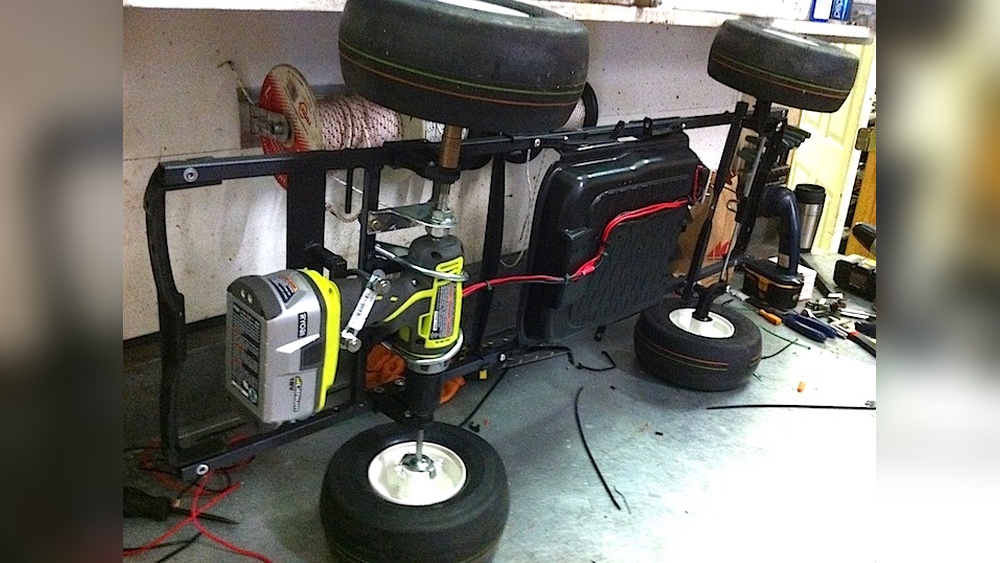
Whether you are a parent, grandparent, or DIY enthusiast, this guide will help you fix common front-end problems with confidence.
Understanding The Power Wheels Jeep Front End
Before you start repairs, it’s important to know what makes up the front end of a Power Wheels Jeep. The front end handles steering, supports the front wheels, and often includes the axle, bushings, and steering linkage. Many issues begin with these parts because they take the most stress during play. When the front end is damaged, the Jeep may not steer well or may make grinding noises.
Here’s a quick look at the main front end parts:
- Steering linkage (connects the steering wheel to the wheels)
- Axle (the rod that the wheels rotate around)
- Bushings (small pieces that reduce friction)
- Front wheels and wheel hubs
- Suspension arms (if included on your model)
Knowing these components helps you identify where a problem might be.
Common Symptoms Of Front End Problems
Recognizing front end issues early can prevent further damage. Here are some signs to watch for:
- Steering feels loose or does not respond.
- Wheels are wobbly or do not sit straight.
- Grinding or clicking noises when turning.
- Front wheels do not spin freely.
- Jeep pulls to one side or will not drive straight.
If you notice these symptoms, it’s time to inspect and repair the front end.
Tools And Parts You’ll Need
Gathering the right tools and parts before you start saves time and frustration. Most Power Wheels repairs need basic tools, but some models may require specific parts.
Essential tools:
- Phillips and flathead screwdrivers
- Pliers (regular and needle-nose)
- Adjustable wrench
- Socket set (small sizes)
- Hammer (rubber mallet preferred)
- Lubricant spray (like WD-40)
- Clean rags or towels
Common replacement parts:
- Front axle rod
- Steering linkage or tie rods
- Wheel bushings
- Replacement wheels (if needed)
- Washers, nuts, and bolts
Some parts are model-specific. It’s best to check your Jeep’s manual or look up the model number online for exact part numbers.
Step-by-step Guide To Repairing The Front End
Let’s break down the repair process into clear steps. This guide covers the most common Power Wheels Jeep models, but always check your manual for details.
1. Safety First
Unplug the battery before starting any work. This prevents accidental movement and keeps you safe from electrical parts.
2. Remove The Front Wheels
Most Power Wheels front wheels are held on by a cap or nut.
- Use a flathead screwdriver to gently pry off the hubcap.
- Remove the retaining nut or clip holding the wheel.
- Slide the wheel off the axle.
Keep all hardware in a small container to avoid losing parts.
3. Inspect The Axle And Bushings
Carefully examine the axle for bends, rust, or wear. Damaged axles can cause wobble or poor steering.
- Spin the axle by hand. It should turn smoothly.
- Look at the bushings (plastic or metal sleeves where the axle passes through). Worn bushings make the wheels loose.
If the axle is bent, replace it. If bushings are worn or cracked, install new ones.
4. Check Steering Linkage
The steering linkage connects the steering wheel to the wheels. Broken or loose linkage makes steering difficult.
- Wiggle the wheels back and forth. If they move but the steering wheel does not, the linkage may be disconnected or broken.
- Tighten any loose screws or bolts.
- Replace broken tie rods or connectors.
5. Examine Wheel Hubs And Fasteners
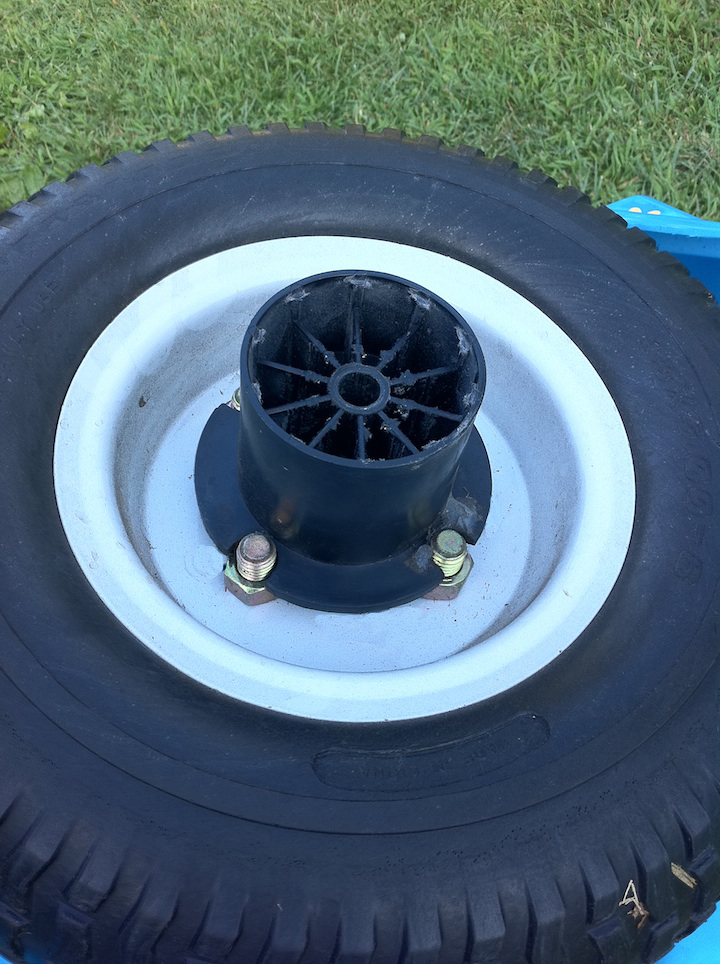
The wheel hub is the center part of the wheel that connects to the axle. Cracks or stripped hubs can cause the wheel to spin freely without moving the Jeep.
- Check for cracks or broken plastic.
- Replace damaged hubs.
- Ensure all nuts, bolts, and washers are present and tight.
6. Lubricate Moving Parts
Apply a light spray of lubricant to the axle, bushings, and any moving joints. This reduces friction and helps the Jeep run smoothly.
- Avoid using too much lubricant, which can attract dirt.
- Wipe off any extra with a clean rag.
7. Reassemble The Front Wheels
Slide the wheels back onto the axle. Reinstall the retaining nut or clip, then snap the hubcap back into place.
- Test the wheels by spinning them by hand.
- Check for smooth movement and no wobble.
8. Test The Steering
Reconnect the battery and gently test the steering. The Jeep should turn left and right with little effort.
If there’s still a problem, review the previous steps or check for less obvious issues, such as frame bends or hidden cracks.
Comparison: Common Front End Parts And Failure Rates
To better understand which parts are most likely to fail, here’s a comparison based on experience and user reports.
| Part | Average Lifespan | Failure Rate (High/Medium/Low) | Replacement Difficulty |
|---|---|---|---|
| Axle | 2-3 years | Medium | Moderate |
| Bushings | 1-2 years | High | Easy |
| Steering Linkage | 3-5 years | Low | Moderate |
| Wheel Hubs | 2-3 years | Medium | Easy |
Insight: Bushings are the most common failure point in Power Wheels Jeeps. They are cheap and easy to replace, but ignoring them can lead to axle wear and steering issues.
Table: Tools Vs Repair Tasks
Here’s a quick reference to match tools with specific repair tasks.
| Tool | Primary Repair Task | Secondary Uses |
|---|---|---|
| Phillips Screwdriver | Remove body panels | Tighten steering hardware |
| Pliers | Remove cotter pins | Hold small parts |
| Wrench/Socket | Remove axle nuts | Secure bolts |
| Lubricant | Reduce friction | Prevent rust |
Upgrading Vs Repairing: When To Replace Parts
Some parents wonder if they should just repair or upgrade the front end. Upgrades can make the Jeep last longer, especially for older kids or rough use. But upgrades cost more.
| Repair | Upgrade |
|---|---|
| Uses original or similar parts | Installs stronger, aftermarket parts |
| Lower cost | Higher cost |
| Good for typical play | Best for heavy use or older kids |
Tip: If your child drives their Power Wheels Jeep daily or over rough ground, consider metal bushings or stronger tie rods. These last longer than standard plastic parts.
Practical Tips For A Lasting Repair
Many first-time repairs fail because of small mistakes. Here are some tips to help your repair last:
- Take photos during disassembly to guide you when putting parts back.
- Double-check part alignment before tightening nuts and bolts.
- Use thread locker (like Loctite) on bolts if your Jeep is used on rough terrain.
- Replace both sides (left and right) if one bushing or hub is worn; the other is likely close behind.
- Keep spare parts on hand if your child rides often.
Non-obvious insight: Many Power Wheels Jeeps use similar parts across models. If your exact part is unavailable, you might find a compatible part from another Power Wheels vehicle. Always check measurements before buying.
Troubleshooting: When Repairs Don’t Work
If you’ve followed all the steps and still have problems, here’s what to check next:
- Chassis/frame damage: Hard impacts can bend the frame. Sight down the Jeep’s body for twists.
- Hidden cracks: Look for cracks around the steering column or axle mounts.
- Motor or gearbox issues: Sometimes a front end problem is actually a motor issue—if the wheels spin by hand but not with power, check the motor.
- Incorrect assembly: Compare your work to the manual or online repair guides to catch missed steps.
If you’re stuck, consider asking for help in online forums or from a Power Wheels repair specialist.
Safety Reminders
After repairing the front end, make sure:
- All nuts and bolts are tight and secure.
- No sharp edges or broken plastic remain.
- The battery is reconnected safely.
- The Jeep is tested on a flat surface before kids use it.
Children’s safety is the top priority. Even a small loose part can cause a crash or injury.
Where To Find Parts And Help
You can buy Power Wheels replacement parts online through retailers like Amazon, eBay, or the official Mattel/Fisher-Price website. Local toy repair shops may also have what you need. For repair videos and community advice, websites like Modified Power Wheels offer step-by-step guides.
Frequently Asked Questions
Why Does My Power Wheels Jeep Only Turn One Way?
This often means the steering linkage is either bent or disconnected on one side. Check both tie rods and connectors for damage. Replace any broken parts and ensure everything is tightly fastened.
How Often Should I Lubricate The Front End?
It’s best to lubricate moving parts every 3-6 months, especially if the Jeep is used outdoors. Sand and dirt can dry out bushings quickly. A light spray of silicone or PTFE lubricant is usually enough.
Can I Use Metal Bushings Instead Of Plastic?
Yes, metal bushings are a popular upgrade. They last longer and reduce wear on the axle. Just make sure they fit your model’s axle size to avoid extra friction or slop.
What If The Wheels Still Wobble After New Parts?
Wobble can come from a bent axle, worn wheel hubs, or loose hardware. Double-check all parts for tightness and straightness. If the problem continues, the axle or frame may need attention.
Are All Power Wheels Jeep Front Ends The Same?
No, there are differences between models and years. Axle length, bushing style, and steering parts can change. Always check your model number before buying parts or following a repair guide.
Repairing the front end of a Power Wheels Jeep can seem intimidating, but with patience and the right steps, you can restore smooth steering and safe play.
Taking the time to inspect, repair, and even upgrade worn parts helps your child’s Jeep last for many more adventures.
And remember if you ever feel unsure, reach out to the Power Wheels community or a professional for help.