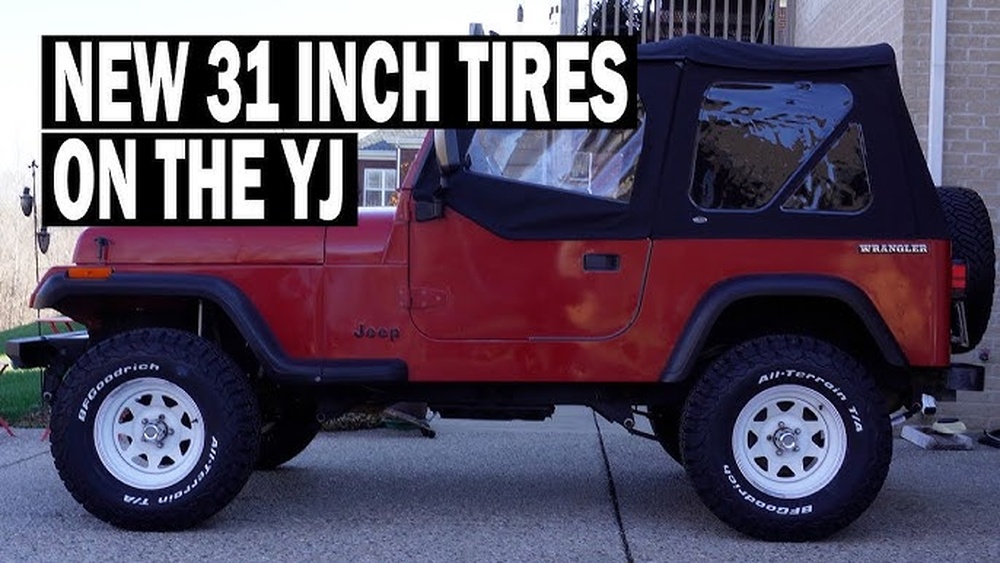
Mounting a light bar on your Jeep TJ is one of the most popular upgrades for off-road lovers. Not only does it help you see better at night, but it also adds a rugged look to your vehicle. Wiring a light bar might sound tricky, but with the right steps, you can do it safely and efficiently—often in just a few hours. This guide walks you through the process of wiring a light bar on your Jeep TJ, explaining every step in plain English. Whether you’re new to car wiring or have some experience, you’ll find practical advice, common mistakes to avoid, and a few pro tips to get the job done right.
What You Need Before You Start
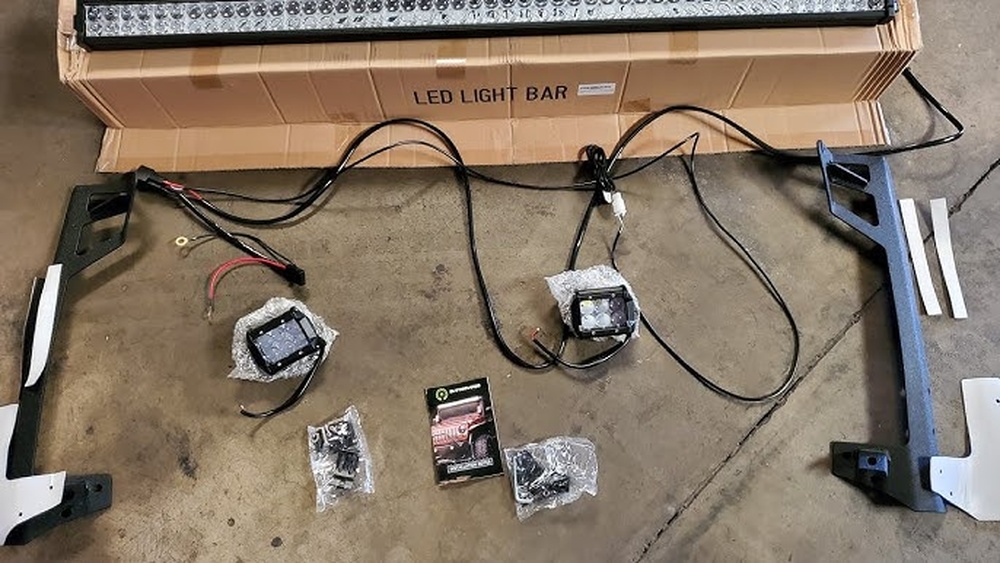
Before you open your toolbox, gather all the materials and tools. Having everything ready saves time and avoids frustration. Here’s a typical list:
- Light bar (with mounting kit)
- Wiring harness (usually comes with the light bar)
- Relay (generally included in harness)
- Switch (dash or pillar mount)
- Fuse (check amp rating for your light bar)
- Wire crimpers and strippers
- Screwdrivers (Phillips and flat-head)
- Socket wrench set
- Electrical tape and heat shrink tubing
- Zip ties or cable clamps
- Multimeter (for testing connections)
- Protective gloves
Jeep TJs from 1997 2006 have similar wiring setups, so this guide works for all model years.
Understanding The Wiring Basics
Wiring a light bar isn’t just about connecting wires; it’s about safety and reliability. Here’s what each component does:
- The relay acts as a switch, allowing a small current from your dashboard to control the larger current needed for the light bar.
- The fuse protects your Jeep from electrical fires if something goes wrong.
- The switch lets you control the light bar from inside the vehicle.
If you skip the relay or fuse, you risk damaging your electrical system or causing a fire.
Typical Light Bar Wiring Diagram
Below is a simple table showing how a standard light bar wiring harness connects:
| Component | Connection Point |
|---|---|
| Light Bar Positive (+) | Relay Output Terminal |
| Relay Input (+) | Battery Positive Terminal |
| Relay Ground | Chassis Ground |
| Switch Input | Relay Trigger Terminal |
| Switch Output | 12V Accessory Power or Battery |
| Fuse | Inline on Battery Positive |
Step-by-step: How To Wire A Light Bar On Jeep Tj
Let’s break down the process into clear steps. Take your time rushing increases the risk of mistakes.
1. Plan Your Mounting And Wiring Path
Decide where you want the light bar usually above the windshield or on the bumper. Map out the wiring route from the light bar to the battery and cabin. Avoid paths near hot engine parts or moving components.
2. Mount The Light Bar
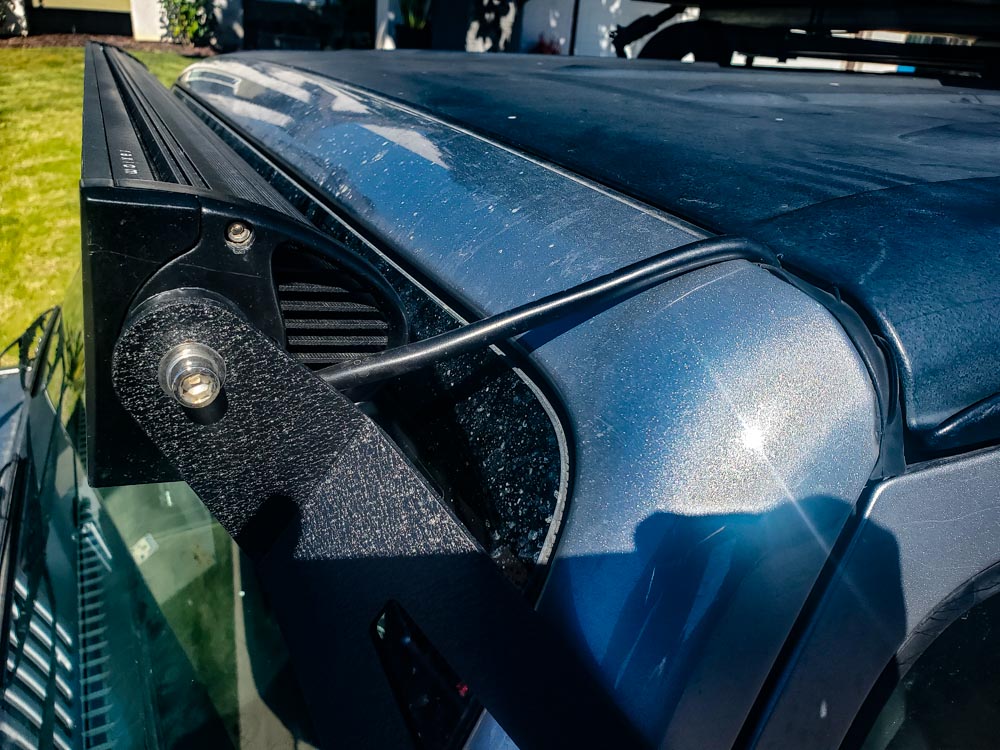
- Use the provided brackets to secure the light bar.
- Make sure it’s tight and straight. Loose mounting can cause vibration and damage.
- Run the light bar’s wires down the windshield pillar or through the engine bay.
3. Prepare The Wiring Harness
Most light bars come with a plug-and-play harness. If yours doesn’t, you can make one using 14-16 gauge wire for most bars up to 300W.
- Lay out the harness to check length.
- Attach the relay and fuse close to the battery for easy access.
- Identify the switch wire for routing into the cabin.
4. Connect To The Battery
- Disconnect the negative terminal first for safety.
- Connect the fused positive wire from the harness to the battery’s positive terminal.
- Secure the ground wire to a clean, bare metal spot on the chassis—avoid painted or rusty areas.
5. Route The Switch Into The Cabin
- Decide where you want the switch (most people pick the dashboard or A-pillar).
- Run the switch wire through an existing firewall grommet. If none is available, drill a small hole and use a rubber grommet to protect the wire.
- Secure the switch in place.
6. Connect The Light Bar
- Plug the harness into the light bar’s wires.
- Use heat shrink tubing or electrical tape to seal connections from water and dust.
7. Test The System
- Reconnect the negative battery terminal.
- Flip the switch. The light bar should turn on.
- If it doesn’t, use a multimeter to check for power at each step.
8. Secure And Protect All Wiring
- Use zip ties or cable clamps to hold wires in place.
- Keep wires away from hot engine parts and sharp edges.
- Bundle any excess wire neatly.
Example: Wiring Harness Comparison
Not all wiring harnesses are created equal. Here’s a quick comparison of common types:
| Harness Type | Best For | Typical Amp Rating | Price Range |
|---|---|---|---|
| Single Relay, Single Switch | 1 light bar | 30A | $15–$30 |
| Dual Relay, Dual Switch | 2 light bars | 40A | $25–$50 |
| Custom/DIY | Special setups | Varies | $10–$50 |
Key Tips For A Clean And Safe Install
Even small mistakes can cause big problems with car wiring. Here are a few insights you might not hear everywhere:
- Use dielectric grease on all electrical connectors. It helps keep out water and prevents corrosion—a must for off-road vehicles.
- Don’t rely on wire nuts. Always use proper automotive connectors or soldered joints. Wire nuts can loosen with vibration.
- Avoid overloading circuits. If you plan to add more lights later, use a larger gauge wire and a higher-rated relay from the start.
- Label your wires. This makes future troubleshooting much easier.
- Test every connection before final mounting. Sometimes, even new parts can be faulty.
Common Mistakes To Avoid
Many beginners make similar errors that can lead to headaches or even damage:
- Skipping the relay or fuse. Direct-wiring to the battery without protection is dangerous.
- Poor ground connection. Weak grounds cause flickering or no lights at all.
- Routing wires near moving parts. This can cause wires to wear through and short out.
- Not sealing connections. Water intrusion leads to rust and electrical failure.
- Using too-thin wire. Undersized wire can overheat or melt.
If you’re unsure about any step, check the manufacturer’s instructions or consult a professional.
Real-world Example: Jeep Tj Light Bar Wiring
Let’s look at a realistic setup. Imagine you have a 50-inch LED light bar rated at 180W (about 15A at 12V). You buy a wiring harness with a 30A relay and a 20A fuse.
You mount the bar above the windshield using the included brackets. You run the harness along the passenger side, zip-tying it to existing wires and using rubber grommets at firewall pass-throughs.
The relay is mounted near the battery, with the fuse inline on the positive cable.
You connect the ground wire to the main chassis ground bolt. The switch wire goes through a factory grommet to a spot next to your headlight switch on the dash.
After double-checking all connections, you reconnect the battery, flip the switch, and the light bar fires up no flicker, no issues.
Why Choose A Relay And Fuse?
Some people ask: “Can’t I just wire the switch straight to the light bar?” The answer is no for most cases. Light bars draw more current than most dash switches can handle. A relay lets you use a small, low-amp switch inside the Jeep to control a high-amp circuit under the hood. The fuse is your last line of defense against electrical fires.
Wiring A Light Bar With Factory Fog Light Switch
Some Jeep TJ owners want to use the factory fog light switch instead of adding a new one. It’s possible, but you’ll need to:
- Find the fog light relay and wiring in your fuse box.
- Tap into the switch wire to control the relay for your light bar.
- Make sure the factory wiring can handle the extra load (usually not recommended for big LED bars).
This approach keeps your dash looking stock, but it’s a bit more advanced.
Extra Safety: Using A Power Distribution Box
If you plan to add more accessories in the future (like extra lights, a winch, or air compressor), consider using a power distribution box. This keeps your wiring neat and allows each accessory to have its own fuse and relay. It’s a great way to avoid “rat’s nest” wiring under the hood.
| Accessory | Suggested Fuse Size | Recommended Wire Gauge |
|---|---|---|
| Light Bar (180W) | 20A | 14 AWG |
| Winch (9500lb) | 250A | 2 AWG |
| Compressor | 30A | 10 AWG |
Troubleshooting: If The Light Bar Doesn’t Work
If your light bar won’t turn on after wiring, don’t panic. Work through these checks:
- Check the fuse. Replace if blown.
- Test the relay. Swap with another if possible.
- Inspect all grounds. Clean and retighten.
- Use a multimeter to check for 12V at key points.
- Look for pinched or damaged wires along the route.
Sometimes, brand-new light bars or harnesses can be defective. Testing with a direct battery connection can rule out harness issues.
Environmental Factors: Off-road And Weather
Jeep TJs see a lot of mud, water, and vibration. Take extra care to:
- Use waterproof connectors.
- Apply extra heat shrink tubing.
- Route wires high and away from the lowest parts of the engine bay.
This helps your setup last longer and avoids failures on the trail.
For more technical details, the Automotive lighting Wikipedia page offers in-depth information.
Frequently Asked Questions
How Do I Choose The Right Size Fuse For My Light Bar?
Check your light bar’s wattage. Divide watts by volts (usually 12V) to get amps. Add 25% for safety. For example, a 180W bar: 180 ÷ 12 = 15A, so use a 20A fuse.
Can I Wire Multiple Light Bars To One Switch?
Yes, but use a relay rated for the combined amp draw and the correct wire gauge. Each bar should have its own fuse for safety.
Do I Need To Disconnect The Battery Before Wiring?
Absolutely. Always disconnect the negative terminal before starting electrical work to avoid shocks or shorts.
Why Is My Light Bar Flickering?
This often means a poor ground, loose connection, or a relay issue. Double-check all connections and try moving your ground to a different spot.
Is It Legal To Use A Light Bar On Public Roads?
In many places, using a light bar on-road is illegal except in off-road conditions. Check your local laws before using it on highways.
Wiring a light bar on your Jeep TJ is a rewarding project that can boost both visibility and style.
Taking your time, following each step carefully, and paying attention to the small details will ensure your installation is safe and reliable so you can focus on the trail ahead with confidence.