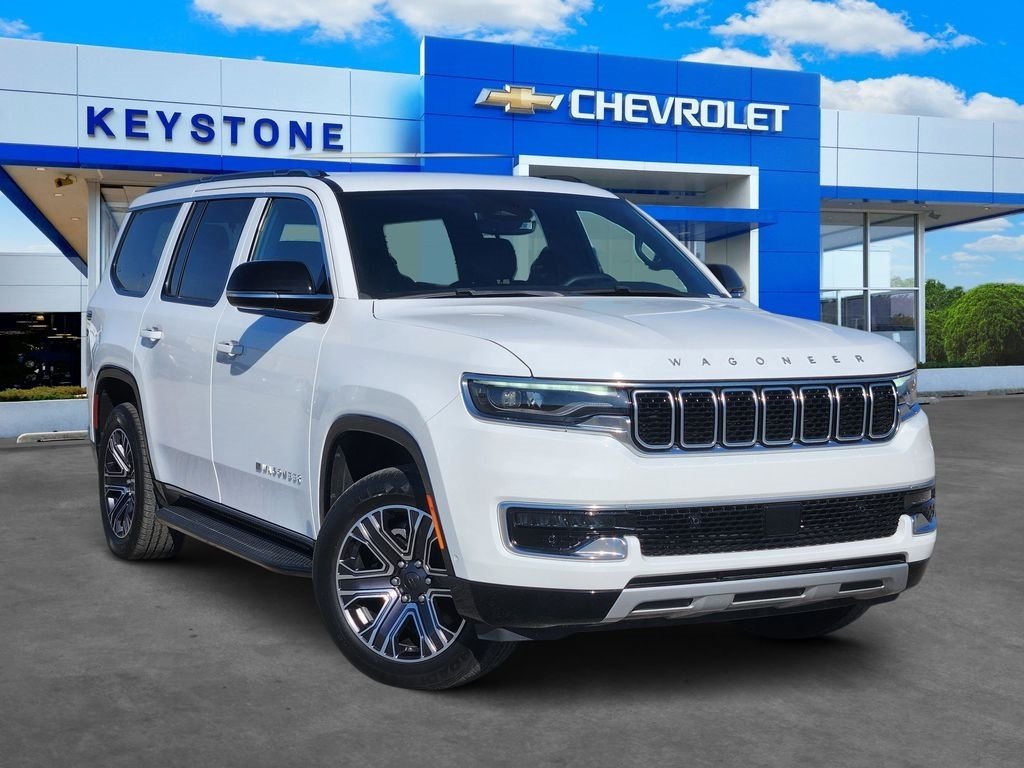
For many drivers, owning a 2024 Jeep Wagoneer means enjoying the confidence of advanced engineering and all-weather capability. The Wagoneer’s 4-wheel drive (4WD) system is designed to tackle tough terrain, snow, and slippery roads with ease. But if you’re new to modern SUVs, or you’ve never driven a vehicle with selectable 4WD, you might be unsure about the right way to use it. Using 4WD incorrectly can lead to unnecessary wear, lower gas mileage, or even damage. This guide will walk you through everything you need to know about putting your 2024 Jeep Wagoneer in 4WD, when to use each setting, and tips for safe operation.
Understanding The 2024 Jeep Wagoneer’s 4wd System
The 2024 Wagoneer features a sophisticated Selec-Terrain Traction Management System. Unlike older manual systems, this one uses electronic controls and sensors to adjust power between the front and rear wheels. The Wagoneer typically offers several 4WD modes:
- 2WD (Two-Wheel Drive)
- 4WD Auto
- 4WD High
- 4WD Low
- Neutral (for flat towing)
Most trims come with either the Quadra-Trac I or Quadra-Trac II system, while some higher trims have Quadra-Drive II. Knowing which system your Wagoneer has is important, as the controls and available modes may differ.
Why Use 4wd? Key Benefits
Activating 4WD can dramatically improve traction in challenging conditions. Here’s when it makes a real difference:
- Snow and ice: 4WD helps prevent wheels from slipping.
- Mud or sand: It provides more grip so you don’t get stuck.
- Steep hills or rough trails: Power to all wheels makes climbing and descending safer.
- Towing: 4WD can help maintain control with a trailer in difficult conditions.
Many drivers don’t realize that using 4WD on dry pavement can actually increase tire wear and stress on drivetrain components. It’s best to use it only when needed.
How To Put Your 2024 Jeep Wagoneer In 4 Wheel Drive
The steps to engage 4WD in your 2024 Jeep Wagoneer are straightforward, but there are important details to get right. Always check your owner’s manual for model-specific information.
1. Identify Your 4wd Controls
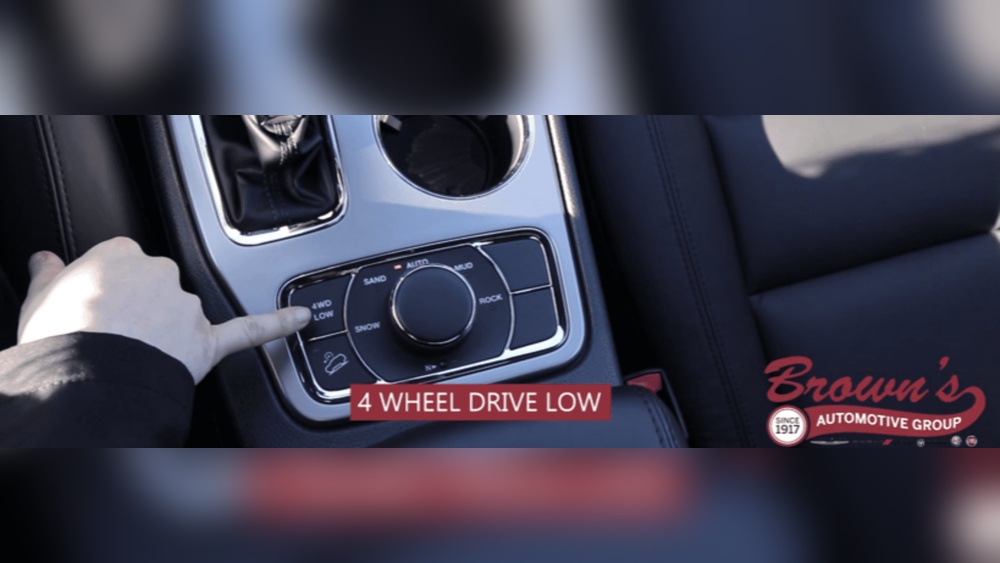
Most 2024 Wagoneers have a rotary dial and buttons located on the center console. The dial usually lets you switch between Auto, 4WD High, and 4WD Low. There may also be extra buttons for specific terrain modes (like Snow, Sand/Mud, Rock, or Sport).
2. Switching To 4wd Auto Or 4wd High
- Make sure your Wagoneer is in Park (P) or Neutral (N) and your foot is on the brake.
- Turn the rotary dial to 4WD Auto or 4WD High.
- The system should confirm the change on the dashboard display.
These modes can be engaged while stopped or driving at low speeds (under 55 mph). 4WD Auto is best for changing conditions, as it automatically shifts power to all wheels when needed. 4WD High locks power to all four wheels, ideal for deep snow, mud, or sand.
3. Engaging 4wd Low
4WD Low is for maximum traction at very low speeds, such as rock crawling, deep mud, or steep hills.
- Bring the vehicle to a complete stop.
- Shift the transmission to Neutral (N).
- Turn the dial to 4WD Low. You may hear or feel the system engage.
- Shift back to Drive (D) and proceed slowly.
Never use 4WD Low at highway speeds—it’s for low-speed, high-torque situations only.
4. Disengaging 4wd
Switching back to 2WD or 4WD Auto is usually as simple as turning the dial. For 4WD Low, always come to a stop, shift to Neutral, and then turn the dial.
5. Selec-terrain Modes
The Wagoneer’s Selec-Terrain system lets you optimize traction with modes like Snow, Sand/Mud, Rock, and Sport. Select the mode that matches road conditions. The system automatically adjusts throttle, shifting, and traction control for safety and performance.
When To Use Each 4wd Setting
Choosing the right mode matters for safety and your vehicle’s health.
| Mode | Best For | Speed Range |
|---|---|---|
| 2WD | Dry pavement | All speeds |
| 4WD Auto | Changing/unknown conditions | All speeds |
| 4WD High | Snow, mud, sand | <55 mph |
| 4WD Low | Steep hills, deep mud | <25 mph |
Many drivers overlook the Auto mode, which is useful for city driving when weather can change quickly.
Common Mistakes To Avoid
Even experienced drivers sometimes misuse their 4WD system. Here are mistakes to watch out for:
- Engaging 4WD on dry pavement: This increases tire and drivetrain wear.
- Using 4WD Low at high speeds: Only use for slow, tough situations.
- Ignoring warning lights: If you see 4WD system warnings, don’t keep driving—check your manual or visit a dealer.
- Not stopping before shifting to 4WD Low: Always come to a complete stop and shift to Neutral first.
Some users forget to disengage 4WD after leaving slippery conditions. This can hurt fuel economy and tire life.
Practical Tips For New Wagoneer Owners
If you’re new to Jeep or 4WD systems, here are insights that can help you get the most from your vehicle:
- Practice before you need it: Try switching between modes in a safe, empty parking lot so you know what to expect.
- Listen for engagement sounds: A slight click or clunk is normal, but grinding or harsh noises are not.
- Plan ahead: If you see snow or mud ahead, switch to the right mode before you enter it.
- Check tire pressure: 4WD works best with properly inflated tires. Low or uneven pressure can reduce traction.
- Use the right gear: In deep snow or mud, start slowly in 2nd gear (if possible) to avoid spinning wheels.
Comparing 2024 Wagoneer 4wd To Other Suvs
How does the Wagoneer’s system compare to other large SUVs in its class? Here’s a quick look:
| Vehicle | 4WD System | Selectable Modes | Max Towing (lbs) |
|---|---|---|---|
| Jeep Wagoneer | Quadra-Trac II/Quadra-Drive II | Auto, High, Low | 10,000 |
| Chevy Tahoe | AutoTrac 4WD | 2WD, Auto, High, Low | 8,400 |
| Ford Expedition | ControlTrac 4WD | 2WD, Auto, High, Low | 9,300 |
The Wagoneer stands out with its advanced electronic controls and strong towing capacity.
Maintenance And Troubleshooting
Keeping your 4WD system in top shape is easier than many think:
- Follow the service schedule: Change transfer case fluid and check for leaks as recommended in your manual.
- Watch for warning lights: Unusual dashboard lights or messages need attention.
- Regularly test 4WD: Engage 4WD every few months to keep parts moving and lubricated, even if you don’t need it.
- Use only recommended fluids: Don’t substitute gear oils or lubricants—this can cause failure.
If your 4WD system won’t engage, double-check that you are following the correct steps. Sometimes, a low battery or electronic glitch can cause issues. If problems continue, visit your Jeep dealer for diagnosis.
Real-world Scenarios: When And How To Use 4wd
Let’s look at some practical examples Wagoneer owners may face:
- Winter commute: Snow starts to fall during your drive. Switch to 4WD Auto before traction is lost.
- Beach driving: Select Sand/Mud mode and 4WD High. Lower tire pressure slightly for more grip.
- Mountain trail: For rocky climbs, come to a stop, shift to Neutral, and engage 4WD Low. Go slow and steady.
- Rainy roads: If you feel wheels slipping, turn the dial to 4WD Auto for extra stability.
These scenarios show the flexibility of the Wagoneer’s system, but the key is to always match the mode to the conditions.
Data Table: 2024 Wagoneer 4wd Modes And Fuel Economy Impact
Switching between drive modes can affect how far you go on a tank. Here’s a comparison:
| Mode | Estimated MPG (City) | Estimated MPG (Highway) |
|---|---|---|
| 2WD | 16 | 22 |
| 4WD Auto/High | 15 | 21 |
| 4WD Low | Varies (lower) | Not for highway |
As you can see, using 4WD full-time lowers fuel efficiency. Only use it when necessary.
Frequently Asked Questions
How Fast Can I Drive In 4wd High?
You can safely drive up to about 55 mph in 4WD High on slippery surfaces. Avoid using 4WD High on dry pavement at high speeds, as it can strain your vehicle.
Can I Switch Between 2wd And 4wd While Driving?
Yes, in most cases you can shift between 2WD, 4WD Auto, and 4WD High while moving at low to moderate speeds. For 4WD Low, always stop and shift to Neutral first.
Is 4wd The Same As Awd?
No. All-Wheel Drive (AWD) is always on and sends power to all wheels automatically. The Wagoneer’s 4WD system is selectable and designed for tougher conditions. For more on the differences, see this helpful Edmunds guide.
What Should I Do If My 4wd Won’t Engage?
First, make sure you’re following the correct steps for your mode. If it still won’t engage, check for dashboard warnings and consult your owner’s manual. If problems continue, visit a Jeep dealer.
Does Using 4wd Damage My Vehicle?
Not if you use it correctly. 4WD is designed for tough conditions, but using it on dry pavement or at high speeds in the wrong mode can cause extra wear.
A 4WD system like the one in the 2024 Jeep Wagoneer gives you power and peace of mind. By understanding how and when to use each mode, you’ll handle tough roads with confidence, protect your vehicle, and enjoy all the capability your Jeep offers.
If you’re ever unsure, consult your manual or talk to your dealer safe driving always comes first.