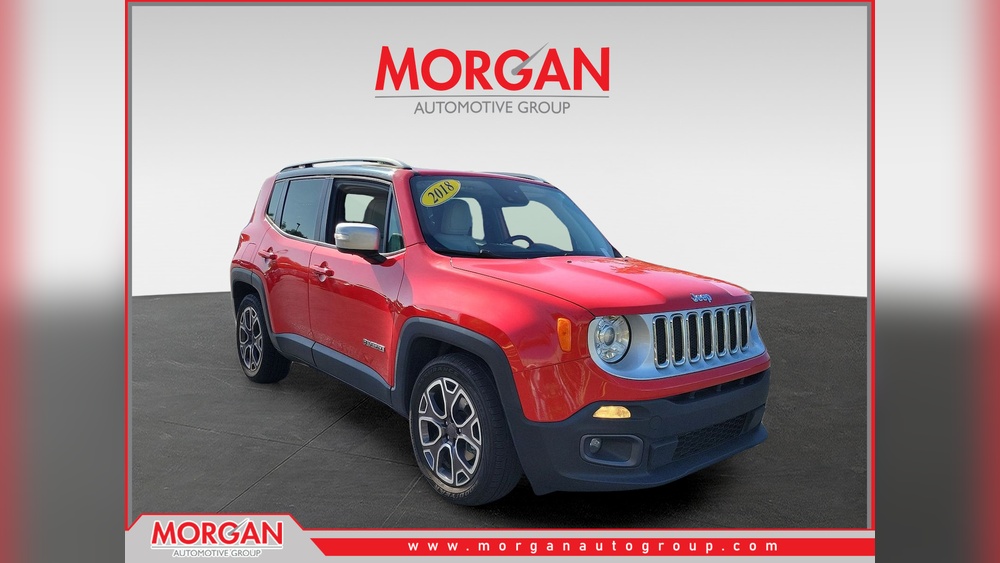
If your 2018 Jeep Renegade oil light comes on, you may feel worried. Is it safe to drive? Is your engine okay? The oil light is a small symbol on your dashboard, but it can signal big problems. Knowing how to test the oil light helps you protect your car and avoid expensive repairs. This guide explains how to check the oil light on a 2018 Jeep Renegade, what it means, and what to do if you see it. You’ll learn practical steps, common mistakes, and even a few things most beginners miss.
What Does The Oil Light Mean?
The oil light on your Jeep Renegade dashboard looks like an old-fashioned oil can. It usually turns on in two ways:
- When you turn the key—the light flashes for a few seconds, then goes off. This is normal. It shows the system is working.
- While driving—the oil light stays on or blinks. This can mean low oil, poor oil pressure, or an electrical problem.
Ignoring this warning can hurt your engine. Oil keeps moving parts cool and clean. If the light comes on, the engine may not get enough oil. That can cause overheating, damage, or even engine failure.
Why Test The Oil Light?
Testing the oil light helps you understand the problem before acting. Sometimes, the light turns on because of a sensor issue, not low oil. Other times, it’s a real warning. Testing makes sure you fix the right problem and don’t waste money.
Step-by-step: How To Test Oil Light On A 2018 Jeep Renegade
Checking the oil light is simple if you follow clear steps. Here’s how to do it safely and confidently:
1. Park Your Jeep Safely
Always test your oil light when the car is parked on a flat surface. Turn off the engine and let it cool for at least 10 minutes. This helps you get accurate readings.
2. Inspect The Oil Level
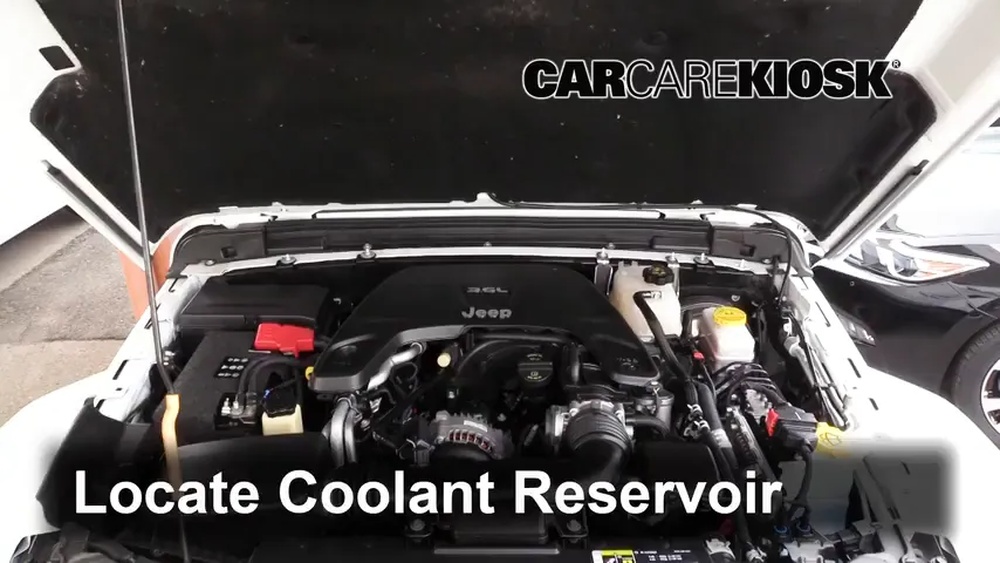
Open the hood and find the dipstick (usually yellow or orange). Pull it out, wipe it clean, then dip it back in. Pull it out again and check the oil level. The dipstick has two marks: low and full. If oil is below the low mark, add the right oil type.
- For the 2018 Jeep Renegade, use SAE 0W-20 or 5W-20.
- The engine holds about 5 quarts of oil.
3. Check The Oil Quality
Look at the oil on the dipstick. It should be clear or light brown. If it’s dark, gritty, or smells burnt, change the oil soon.
4. Restart The Engine
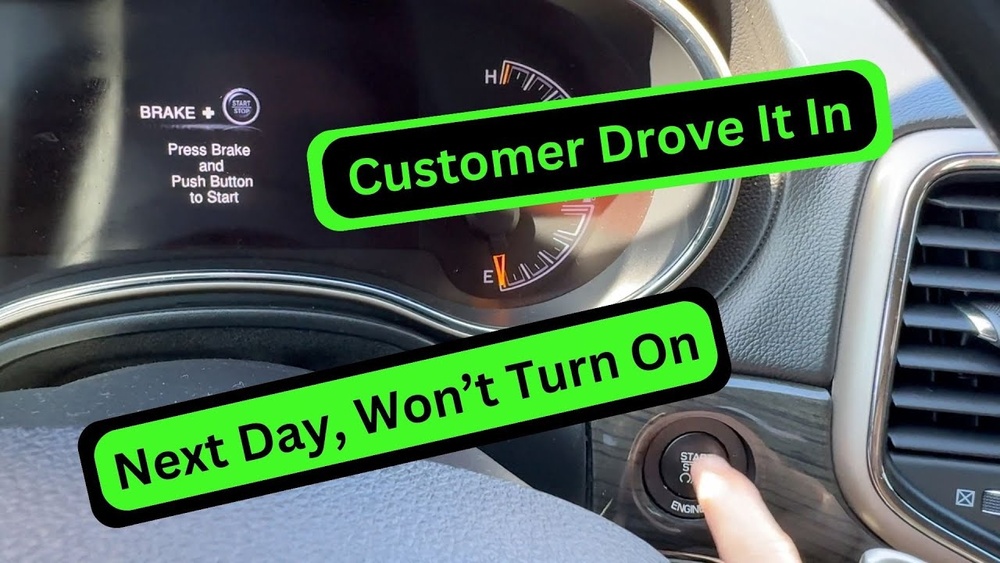
Turn the key to “on” without starting the engine. The oil light should appear for a few seconds, then turn off. If it stays on, there may be a sensor or wiring issue.
Now start the engine. Watch the dashboard closely. If the light goes off, your oil system is likely okay. If it stays on or blinks, move to the next steps.
5. Listen And Observe
With the engine running, listen for strange noises knocking, ticking, or grinding. These sounds can mean low oil pressure. Check for oil leaks under the car.
6. Test Oil Pressure (advanced)
If you have the tools, connect an oil pressure gauge to the engine (usually where the oil sensor is located). Normal pressure should be around 20–40 psi at idle and 40–60 psi at higher rpm.
If pressure is low, shut off the engine and call a mechanic.
7. Scan For Error Codes
Use an OBD-II scanner (many auto stores will let you borrow one). Plug it into the port under the dashboard. Scan for trouble codes. Codes like P0520 or P0521 mean oil pressure sensor issues.
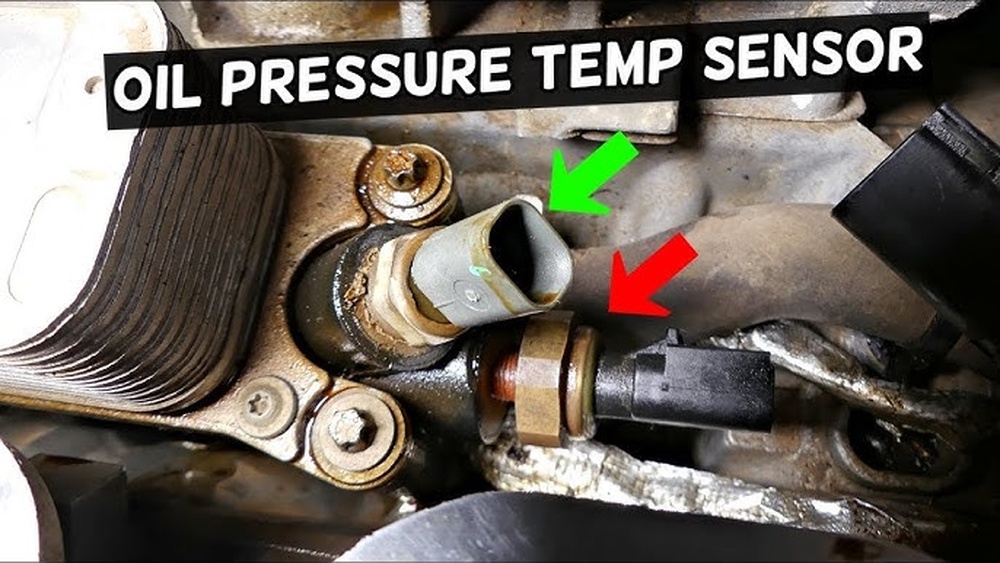
8. Inspect The Oil Pressure Sensor
Find the oil pressure sensor (usually near the oil filter). Check for loose wires, corrosion, or damage. Replace if needed.
9. Check The Oil Filter
A clogged filter can cause oil light warnings. Change the filter if it’s dirty or hasn’t been replaced recently.
10. Review Oil Light Patterns
- Steady light: Often means low oil or low pressure.
- Blinking light: Can mean electrical or sensor issues.
- Light comes on only when turning: Oil is sloshing away from the sensor—low oil level.
Oil Light Vs. Other Dashboard Lights
Your Jeep Renegade has several dashboard warnings. Understanding the difference helps you respond correctly. Here’s a comparison:
| Light Symbol | What It Means | Action Needed |
|---|---|---|
| Oil Can | Oil Pressure/Level | Check oil, sensor, pressure |
| Battery | Charging System | Check battery, alternator |
| Engine | General Engine Issue | Scan for codes |
| Coolant | High Temperature | Check coolant, radiator |
Common Mistakes When Testing Oil Light
Avoid these errors to keep your Jeep safe:
- Testing on a slope—gives wrong oil readings.
- Adding wrong oil type—can damage the engine.
- Ignoring the light—even for a short drive.
- Not checking for leaks—oil may be escaping unnoticed.
- Replacing sensors without checking oil—fix oil issues first.
Many beginners forget to let the engine cool before testing. Hot oil gives false readings and can burn your skin.
Oil Light Data: Jeep Renegade Owners
Jeep Renegade owners report oil light issues more often after 50,000 miles. The most common causes are:
- Low oil level (40%)
- Sensor failure (35%)
- Oil leaks (15%)
- Dirty oil filter (10%)
A survey from CarComplaints.com shows that 2018 models rarely have serious oil light problems if maintained well.
When To Seek Professional Help
Some problems need expert attention. Call a mechanic if:
- The oil light stays on after adding oil.
- You hear engine noises.
- The oil pressure is low.
- You find large oil leaks.
Mechanics use advanced tools to test pressure, check sensors, and scan for codes. Trying to drive with the oil light on can void your warranty or cause expensive damage.
Preventing Oil Light Issues
Follow these steps to avoid oil light warnings:
- Change oil every 5,000–7,500 miles (or as recommended).
- Use correct oil type (SAE 0W-20 or 5W-20).
- Replace oil filter with every oil change.
- Inspect for leaks monthly.
- Listen for engine noises regularly.
- Keep maintenance records.
Most beginners skip regular checks. A monthly oil check prevents surprises and keeps your Jeep running well.
Oil Light Troubleshooting Table
Here’s a quick guide to common oil light causes and solutions:
| Symptom | Possible Cause | Solution |
|---|---|---|
| Light stays on | Low oil, sensor failure | Add oil, replace sensor |
| Light blinks | Electrical issue | Check wiring, scan codes |
| Strange noises | Low pressure | Check oil level, filter |
| Light on when turning | Low oil | Add oil |
Jeep Renegade Oil Types Comparison
Choosing the right oil is key for preventing oil light issues. Here’s a comparison of common oil types for the 2018 Jeep Renegade:
| Oil Type | Weather Suitability | Price Range | Change Interval |
|---|---|---|---|
| SAE 0W-20 | Cold/Hot | $25–$45 | 5,000–7,500 miles |
| SAE 5W-20 | Mild/Hot | $20–$40 | 5,000–7,500 miles |
| SAE 10W-30 | Hot | $18–$35 | 5,000–7,500 miles |
Most Renegade owners choose SAE 0W-20 for all-weather performance and maximum protection.
Practical Tips For Testing Oil Light
- Test oil light after every oil change.
- If the light comes on during hard braking or sharp turns, check oil level soon.
- Keep extra oil in your trunk for emergencies.
- Record oil checks in your maintenance log.
Many beginners miss the importance of checking oil quality, not just oil level. Dirty oil can trigger the light even if the level is correct.
Non-obvious Insights
- The oil light can turn on if the oil is too thin—especially after using the wrong oil type. Always check your owner’s manual.
- Sometimes, a weak battery causes dashboard lights to flicker, including the oil light. If your battery is old, test it.
For more details on oil pressure and maintenance, visit the official Jeep site: Jeep Owners Official.
Frequently Asked Questions
What Should I Do If The Oil Light Comes On While Driving?
Stop as soon as it’s safe. Turn off the engine and check oil level and quality. Add oil if needed. If the light stays on, call a mechanic.
Can I Drive My Jeep Renegade With The Oil Light On?
No. Driving with the oil light on can cause engine damage. Always check the oil and fix the cause before driving again.
How Often Should I Check The Oil In My 2018 Jeep Renegade?
Check oil every month and before long trips. Change oil every 5,000 7,500 miles or as recommended.
What Oil Type Should I Use For My Jeep Renegade?
Use SAE 0W-20 or 5W-20 for the 2018 Jeep Renegade. Check your manual for exact recommendations.
Is The Oil Light Always Caused By Low Oil?
No. It can also mean sensor failure, electrical issues, or low oil pressure. Test all possible causes before replacing parts.
Checking your Jeep Renegade’s oil light is easy if you follow clear steps. Regular maintenance and quick action can keep your engine safe and running smoothly.
If you notice the oil light, don’t ignore it. Test, check, and fix the cause your Jeep will thank you.