Owning a Jeep Wrangler is all about adventure. But when your cigarette lighter stops working, it can turn simple moments—charging your phone or powering a GPS—into big annoyances. Many Jeep owners face this issue, especially with older models. The good news is, fixing the cigarette lighter is usually simple, and you can do it yourself with some basic tools and patience. In this guide, you’ll learn exactly how to diagnose the problem, fix it step-by-step, and avoid common mistakes that waste time and money.
Understanding The Cigarette Lighter In Jeep Wrangler
The cigarette lighter in your Jeep is more than just a place to light up. Today, it’s usually called the 12V power outlet and is used for charging devices, running accessories, and more. If it’s not working, the cause is often electrical—a blown fuse, loose wiring, or a faulty socket.
Jeep Wrangler Model Differences
Different Jeep Wrangler models use slightly different power outlets and fuse layouts. Here’s a quick comparison:
| Model Year | Outlet Location | Fuse Number | Common Issues |
|---|---|---|---|
| 1997-2006 (TJ) | Dash, Center Console | Fuse #18 (20A) | Blown fuse, corroded socket |
| 2007-2018 (JK) | Dash, Rear Cargo | Fuse #M6 (20A) | Loose wiring, blown fuse |
| 2018-Present (JL) | Dash, Rear Cargo | Fuse #F94 (20A) | Socket failure, fuse issues |
Knowing your Jeep’s year and model helps you find the right fuse and troubleshoot faster.
Diagnosing The Problem
Before you fix anything, you need to know what’s wrong. Most problems fall into three groups: blown fuse, bad socket, or loose wiring. Here’s how to check each one.
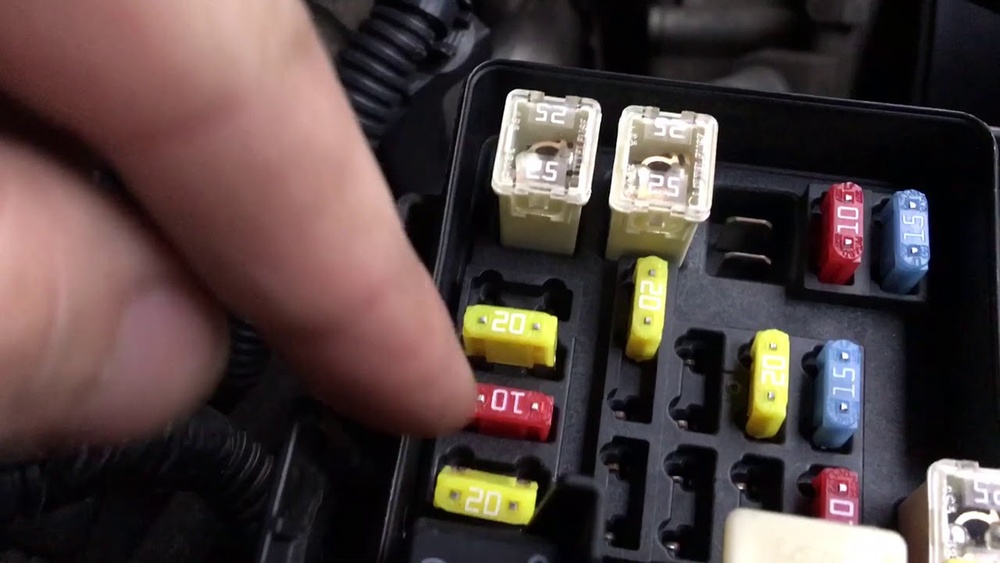
- Check the fuse. Find your Wrangler’s fuse box (usually under the hood or behind the glove box). Look at the fuse diagram on the cover or in the owner’s manual to find the right fuse number. Pull out the fuse and check if the metal strip inside is broken or burnt.
- Test the socket. Use a simple 12V tester or plug in a device you know works. If nothing happens, the socket or wiring may be bad.
- Inspect wiring. Carefully look behind the socket for loose, disconnected, or corroded wires. Sometimes, rough trails or vibrations can shake connections loose.
- Check the device. Make sure the charger or accessory you’re plugging in works elsewhere. Sometimes, the problem isn’t the Jeep, but the device.
A common mistake is ignoring the fuse. Many Jeep owners replace the socket without checking the fuse, wasting time and money. Always start with the fuse it’s the easiest fix.
Fixing A Blown Fuse
Blown fuses are the most common reason for cigarette lighter failure. Here’s how to fix it:
- Turn off your Jeep and remove the key.
- Open the fuse box (location depends on model).
- Identify the correct fuse using your manual or the diagram.
- Remove the fuse with a fuse puller or tweezers.
- Check the fuse. If the metal strip is broken, it’s blown.
- Replace with the same rating. For most Wranglers, that’s a 20A fuse.
- Close the fuse box and test the lighter.
If the new fuse blows again right away, there may be a deeper electrical problem a short circuit or damaged wiring.
Fuse Types Comparison
| Fuse Type | Used In | Color | Amp Rating |
|---|---|---|---|
| Mini Blade | JK, JL | Yellow | 20A |
| Standard Blade | TJ | Yellow | 20A |
Always use the correct fuse type and rating. Using the wrong fuse can cause more damage or even a fire.
Fixing The Socket
If the fuse is good, the socket may be faulty. Here’s how to replace or fix it:
- Remove the socket. For most Wranglers, you need a flat screwdriver to gently pry out the socket from the dash or console.
- Disconnect the wires. Take note of which wire goes where. Usually, there’s a positive (center) and a negative (side) wire.
- Inspect for corrosion. If you see green or white powder, clean it with electrical contact cleaner.
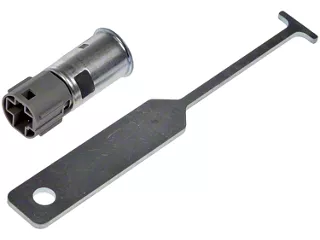
- Replace the socket. Buy a compatible 12V socket (usually $10–$20 online or at auto stores). Plug the wires back in the same way.
- Reinstall in the dash. Snap the socket back into place.
- Test with a known device.
A non-obvious insight: Many Jeep sockets fail because of water exposure during off-roading. If your Jeep’s interior has ever gotten wet, check for hidden moisture or rust behind the socket.
Fixing Wiring Issues
Wiring problems are less common but can be tricky. If you see loose or damaged wires, follow these steps:
- Disconnect the battery. Always do this before touching wires.
- Inspect the wire ends. Look for breaks, burn marks, or corrosion.
- Trim and strip wires. Use wire strippers to clean up damaged ends.
- Reconnect with wire connectors. Don’t just twist wires together—use proper connectors for safety.
- Secure wires. Tape them or use zip ties to prevent movement.
- Reconnect the battery and test the socket.
If you’re unsure about wiring, consider asking a mechanic. Incorrect repairs can cause electrical shorts or fires.
Practical Tips For Long-term Reliability
Fixing your cigarette lighter is only part of the solution. Here’s how to keep it working longer:
- Avoid plugging in high-power devices (like tire inflators) that draw more than 20A. This can blow fuses or damage wiring.
- Inspect regularly after off-roading. Dust, water, and vibration can loosen connections.
- Use weatherproof covers if you leave your Jeep open or drive in rain.
- Replace old sockets every few years, especially if you notice them getting loose or hot.
A non-obvious tip: Many Jeep owners ignore the rear cargo outlet. If your front outlet fails, check the rear one—it often shares the same fuse and wiring.
Common Mistakes To Avoid
Many people make these mistakes when fixing their Jeep Wrangler’s cigarette lighter:
- Using the wrong fuse rating. Always match the amp rating.
- Forgetting to disconnect the battery when working on wiring.
- Ignoring signs of corrosion. Even small amounts can cause big electrical problems.
- Over-tightening socket screws. This can crack plastic and cause loose fits.
- Plugging in damaged chargers. Bad devices can cause shorts.
Avoiding these mistakes will save you time and prevent future problems.
When To Visit A Mechanic
Sometimes, the problem is bigger than a fuse or socket. If you notice burning smells, melted plastic, or repeated fuse blows, stop and get professional help. These are signs of short circuits or deep electrical issues. Jeep Wranglers are tough, but electrical fires are dangerous.
Mechanics can diagnose wiring faults, replace damaged harnesses, and check for hidden issues like a bad relay or ground connection. For complex electrical repairs, professional tools and experience make a difference.
Tools And Parts You’ll Need
Having the right tools makes repairs easier. Here’s a quick list:
- Fuse puller or tweezers
- Flat screwdriver
- 12V tester
- Replacement fuse (20A, yellow)
- Replacement socket (Jeep-compatible)
- Wire strippers and connectors
- Electrical contact cleaner
Most of these are cheap, and you can find them at any auto parts store. Never use household tools they can damage delicate parts.
Jeep Wrangler Power Outlets: Data Overview
Here’s a summary of Jeep Wrangler outlet stats to help you compare:
| Model | Number of Outlets | Max Power (W) | Fuse Location |
|---|---|---|---|
| TJ (1997-2006) | 1-2 | 240W | Under hood |
| JK (2007-2018) | 2-3 | 240W | Glove box |
| JL (2018+) | 3+ | 240W | Fuse panel (driver’s side) |
Knowing your outlet’s specs helps you avoid overload and choose the right repair parts.
Step-by-step Example: Fixing A 2012 Jeep Wrangler Jk Cigarette Lighter
Let’s walk through a real-world fix:
- Owner notices the front dash outlet is dead.
- Opens glove box, finds fuse diagram.
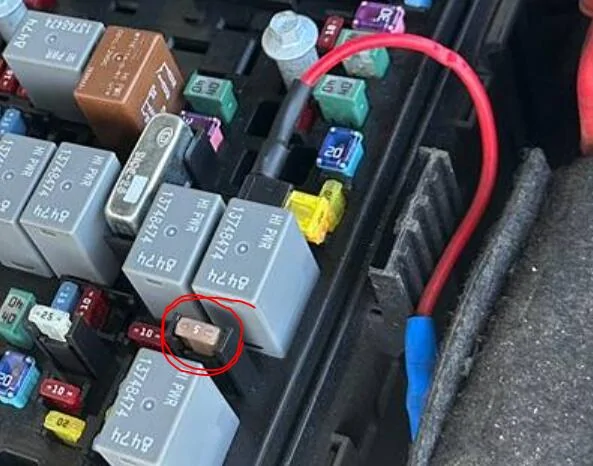
- Locates fuse M6 (20A), sees it is burnt.
- Replaces with new yellow 20A mini blade fuse.
- Tests with phone charger—works perfectly.
- Checks rear cargo outlet—also works (same fuse).
Many Jeep owners are surprised to learn that one fuse can control multiple outlets. Always check all outlets after replacing a fuse.
How Much Does It Cost To Fix?
Fixing a cigarette lighter in a Jeep Wrangler is cheap if you do it yourself:
- Fuse: $2–$5
- Socket: $10–$20
- Wiring connectors: $5–$10
A mechanic may charge $50 $150 for labor. Doing it yourself saves money and teaches you about your Jeep.
Frequently Asked Questions
Why Does My Jeep Wrangler Cigarette Lighter Fuse Keep Blowing?
Usually, this happens because you’re plugging in a device that draws too much power, or there’s a short circuit in the wiring. Check your devices and inspect for damaged wires. If the problem continues, see a mechanic.
Where Is The Fuse For The Cigarette Lighter In A Jeep Wrangler?
Fuse locations vary by model. For TJ models, it’s under the hood; for JK models, behind the glove box; for JL models, in the driver’s side fuse panel. Always check your owner’s manual for the exact location.
Can I Use The Cigarette Lighter For High-power Devices?
Most outlets are rated for 240 watts (20A). If you plug in devices like tire inflators or air compressors, check their power rating first. Using devices that need more power can blow the fuse or damage wiring.
What Tools Do I Need To Fix The Cigarette Lighter?
You’ll need a fuse puller, flat screwdriver, 12V tester, wire strippers, and electrical contact cleaner. All are easy to find at auto stores and cost less than $40 total.
Is It Safe To Fix The Cigarette Lighter Myself?
Yes, as long as you follow safety steps—disconnect the battery before working on wiring, use the correct fuse, and don’t force parts. If you see burnt wires or smell burning, stop and get professional help.
Fixing your Jeep Wrangler’s cigarette lighter can be fast, easy, and rewarding. With the right tools and clear steps, you’ll have power for your devices and confidence in your Jeep. For more details on vehicle electrical systems, visit Wikipedia. Whether you’re heading off-road or just commuting, a working 12V outlet keeps your adventure rolling.