Owning a Jeep sounds exciting for many drivers. The brand’s rugged image and promise of adventure attract people who want to explore off-road or stand out on city streets. But when you dig deeper, you’ll find that Jeeps have real problems that might make you think twice. If you’re considering buying a Jeep, it’s important to know why some experts and owners say Jeeps are bad vehicles for everyday driving. This article reveals the main reasons, supported by real data and examples, so you can make a smart decision.
Reliability Issues
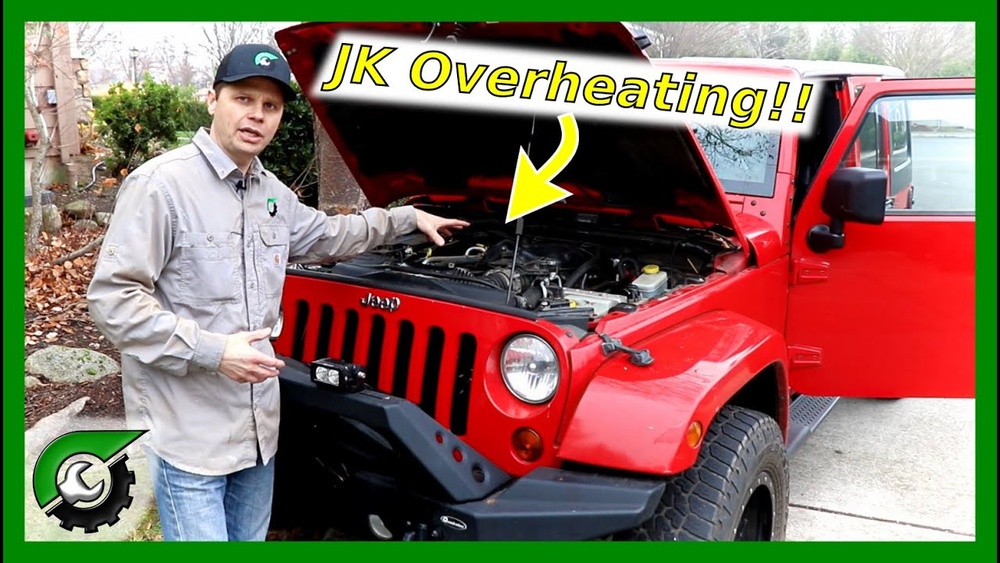
Jeep vehicles, especially the Wrangler and Cherokee, often rank low for reliability. According to Consumer Reports, the Jeep Wrangler has scored below average for several years. The Cherokee has also received poor marks for reliability, mainly due to transmission and electrical problems.
Owners commonly report:
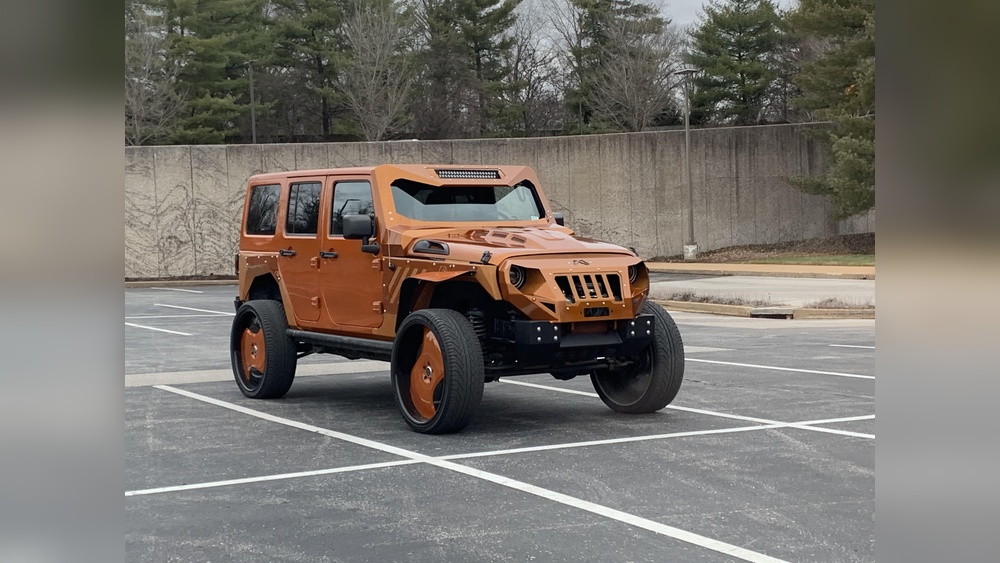
- Frequent breakdowns: Issues with the engine, transmission, and electronics.
- Costly repairs: Replacement parts for Jeeps are often more expensive than for similar SUVs.
- Shorter lifespan: Jeeps tend to need major repairs earlier than competitors.
Here’s a comparison of reliability scores for popular SUVs:
| Model | Reliability Score (2023) |
|---|---|
| Jeep Wrangler | 2/5 |
| Toyota RAV4 | 4/5 |
| Honda CR-V | 4/5 |
| Ford Escape | 3/5 |
Many buyers overlook reliability ratings because they focus on Jeep’s off-road reputation. But for daily use, reliability matters more than you think.
Poor Fuel Economy
Most Jeeps consume more fuel than similar vehicles. The Wrangler, for example, gets only about 17-20 mpg combined, while the Toyota RAV4 gets around 30 mpg. This difference adds up, especially if you drive often.
Why Is Jeep’s Fuel Efficiency So Low?
- Heavy body design: Jeeps are built for strength, not efficiency.
- Large tires and 4WD systems: These features increase fuel consumption.
- Older engine technology: Jeep engines are not as modern as those in other SUVs.
Here’s a quick look at fuel economy:
| Model | MPG (Combined) |
|---|---|
| Jeep Wrangler | 18 |
| Subaru Forester | 29 |
| Honda CR-V | 30 |
If saving money on gas is important, Jeeps are not the best choice.

Safety Concerns
You might expect Jeeps to be safe because they look tough. However, crash test results show that some Jeeps perform poorly in accidents. The Wrangler has received only average or below-average ratings from the Insurance Institute for Highway Safety (IIHS).
Common safety issues include:
- Poor rollover protection: The tall shape and narrow wheels make Jeeps more likely to roll over.
- Weak side-impact scores: Some models don’t protect passengers well in side crashes.
- Limited advanced safety features: Many Jeeps lack modern features like automatic emergency braking.
Here’s how the Jeep Wrangler compares to other SUVs in safety:
| Model | IIHS Safety Rating |
|---|---|
| Jeep Wrangler | Marginal |
| Toyota RAV4 | Good |
| Subaru Forester | Good |
Many people don’t realize that the off-road design can make Jeeps less safe on highways.
High Maintenance Costs
Jeep owners often face higher maintenance costs compared to other SUVs. Parts like the transmission and suspension wear out quickly, especially after off-road use.
Typical maintenance problems:
- Frequent tire replacements: Large tires wear out faster.
- Expensive brake repairs: Jeep brakes are strong but costly to fix.
- Complex electronics: Modern Jeeps use more computer systems, which are expensive to diagnose and repair.
According to AAA, Jeep owners spend about $200 more per year on maintenance compared to similar vehicles. This is a detail many buyers miss until they own a Jeep.

Comfort And Everyday Use
Jeeps are designed for off-roading, not city comfort. The ride can feel rough and noisy on paved roads, and the interior is often less refined than other SUVs.
Some common complaints:
- Stiff suspension: Makes the ride bumpy, especially on highways.
- Limited cargo space: The unique design reduces storage.
- Loud cabin: Wind and road noise is higher than in other cars.
If you drive mostly in cities or on highways, these problems quickly become annoying.
Non-obvious Insights
- Insurance premiums: Jeeps are often more expensive to insure. Their higher theft rates and accident risks push premiums up, a surprise for many buyers.
- Resale value drops: Jeeps lose value quickly after the first few years. Off-road use and frequent repairs make buyers cautious, so resale prices are lower than expected.
Many new Jeep owners don’t think about these hidden costs until it’s too late.

Frequently Asked Questions
Are Jeeps Good For City Driving?
Jeeps are not ideal for city driving. Their rough suspension, lower fuel economy, and noisy interiors make them less comfortable for daily use.
Why Do Jeeps Break Down So Often?
Jeeps often break down due to complex electronics and older engine designs. Off-road parts wear out quickly, and the brand’s focus on adventure means less attention to reliability.
Are Jeeps Safe In Accidents?
Jeeps perform worse than many other SUVs in crash tests. Their high rollover risk and weak side-impact protection are big concerns.
Is It Expensive To Maintain A Jeep?
Yes, Jeeps cost more to maintain. Parts and labor are pricier, and frequent off-road use increases wear and tear.
Do Jeeps Have Good Resale Value?
Jeeps lose value faster than many competitors. Buyers worry about previous off-road use and potential repairs, so resale prices are lower.
Jeep’s strong brand and unique style attract many buyers. But if you want a reliable, safe, and comfortable vehicle for daily use, Jeeps may not deliver. Consider the facts and think about your needs before making a final choice. For more details on vehicle reliability, check out the Consumer Reports Jeep Reliability Guide.