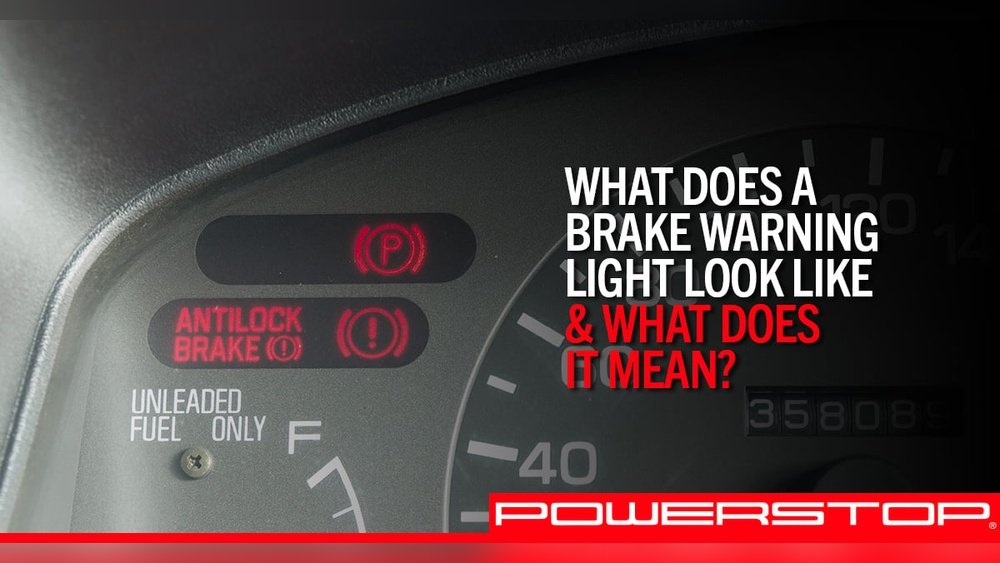
Shifting your Jeep into 4H (Four High) is essential for driving on rough roads, snow, mud, or sand. Many new Jeep owners worry about damaging their vehicle or making mistakes.
The good news is, shifting into 4H is safe and easy if you know the right steps. This article will explain how to shift your Jeep into 4H, when to use it, and common questions drivers have.
You will also find practical tips and clear comparisons to help you understand your Jeep’s four-wheel drive system.
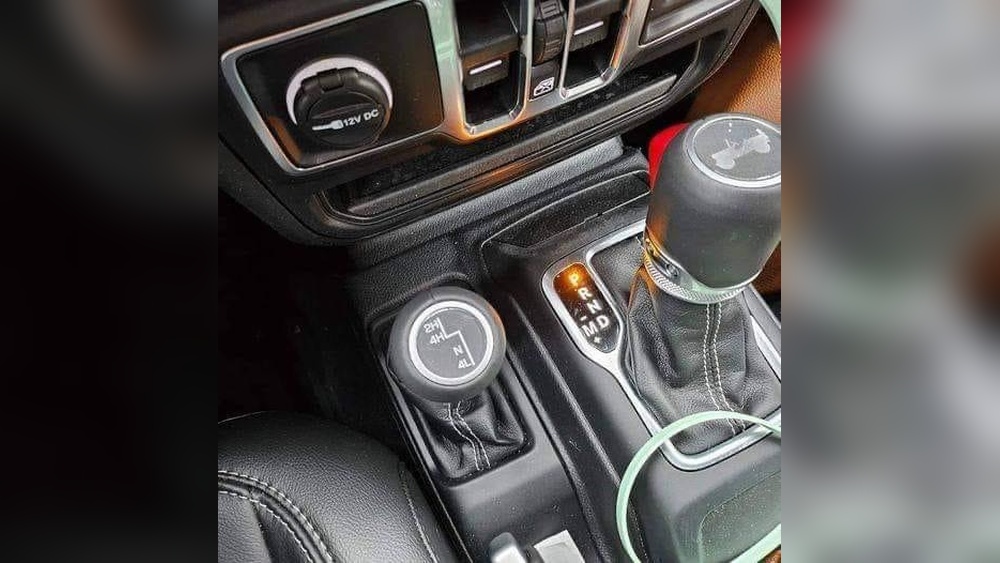
What Does 4h Mean In A Jeep?
4H stands for Four-Wheel Drive High. This mode connects all four wheels to the engine, giving better traction. Unlike 4L (Four Low), 4H keeps your Jeep moving at normal speeds. It is the best choice for roads that are slippery but not extremely rough.
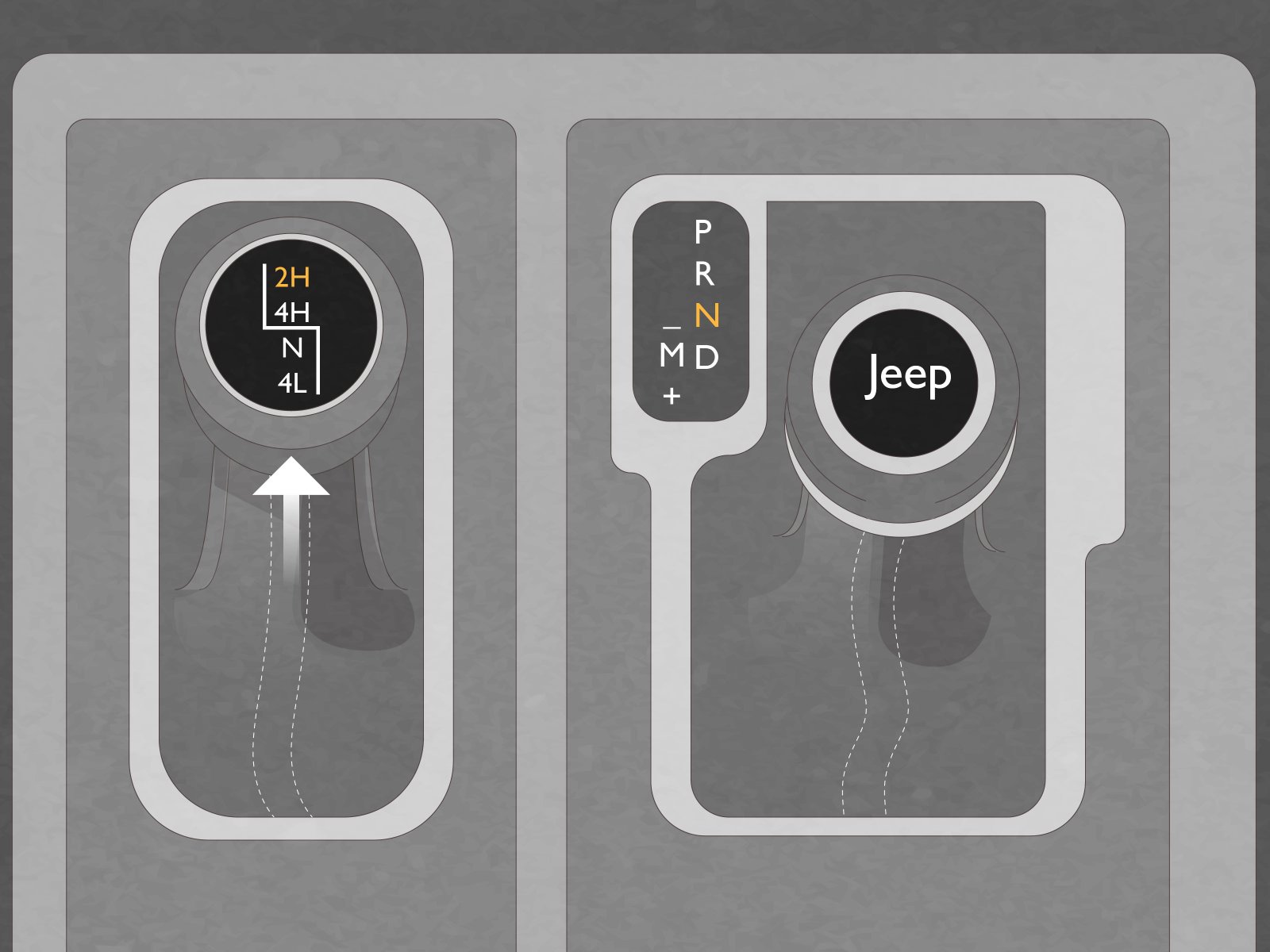
Most modern Jeeps, like the Jeep Wrangler and Jeep Grand Cherokee, have both 4H and 4L. You can switch between these modes using a lever or a knob called the transfer case shifter.
When Should You Use 4h?
Knowing when to use 4H can make driving safer and prevent damage. Here are some situations where 4H is useful:
- Snowy or icy roads: If you lose grip on snow or ice, 4H helps your Jeep stay under control.
- Mud or wet grass: 4H prevents your tires from spinning and getting stuck.
- Loose sand or gravel: More traction keeps you moving forward.
- Light off-roading: Trails with small rocks or mild slopes are perfect for 4H.
Do not use 4H on dry pavement. It can cause stress on your Jeep’s drivetrain and make steering difficult.
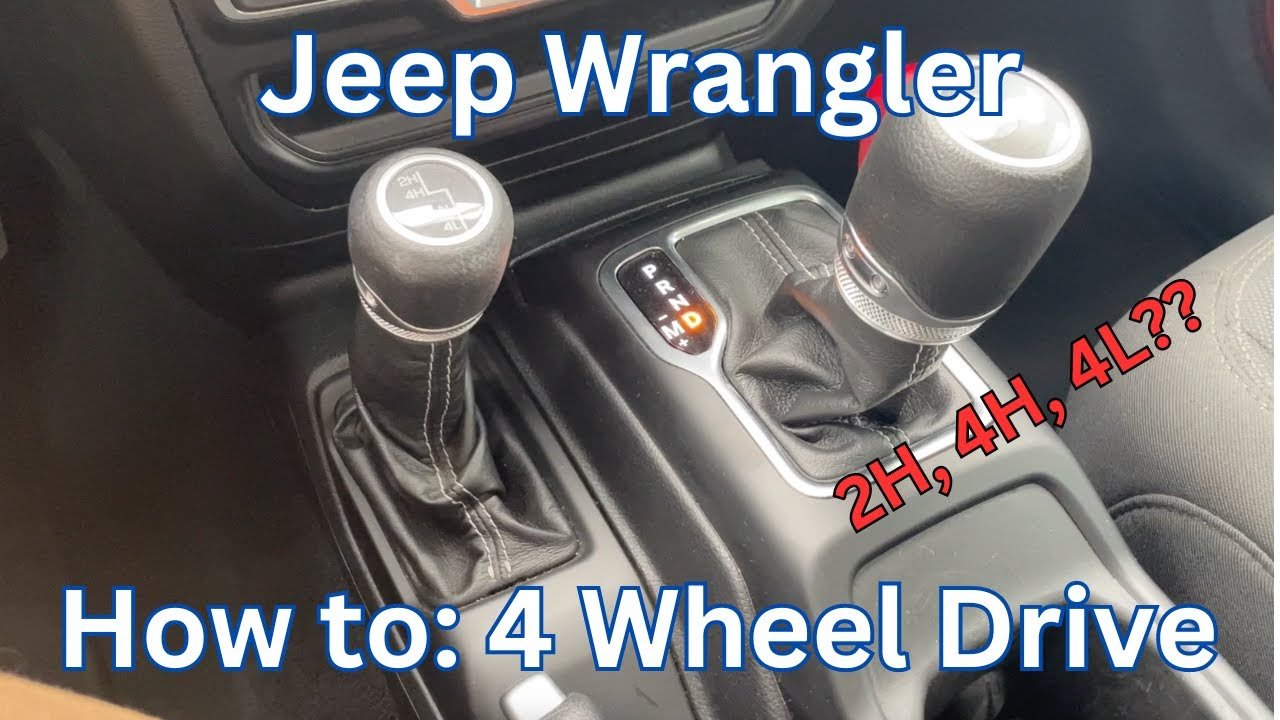
How To Shift Jeep Into 4h
The process is simple, but a few details matter. Follow these steps for most Jeep models:
- Check your speed: You can shift into 4H while driving, but keep your speed under 55 mph (88 km/h).
- Take your foot off the accelerator: This reduces strain and makes the shift smoother.
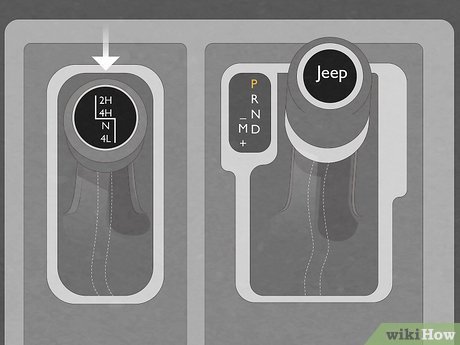
- Move the transfer case lever or knob: Pull or turn it from 2H (Two-Wheel Drive High) to 4H. You do not need to stop the vehicle.
- Wait for the indicator: Most Jeeps have a light on the dashboard. When it shows “4H,” the shift is complete.
- Resume driving: You can now drive normally, but avoid sharp turns.
Some older Jeeps may require you to stop before shifting. Always check your owner’s manual for model-specific instructions.
Comparing 2h, 4h, And 4l Modes
Understanding the differences helps you choose the right mode for each situation. Here is a simple comparison:
| Mode | Best For | Speed Range | Traction |
|---|---|---|---|
| 2H | Dry roads | All speeds | Normal |
| 4H | Snow, mud, sand | Up to 55 mph | High |
| 4L | Heavy off-road | Under 25 mph | Maximum |
Common Mistakes When Shifting Into 4h
Many beginners make errors that can damage their Jeep or reduce performance. Here are two mistakes to avoid:
- Shifting at high speed: Going over 55 mph can cause grinding or damage the transfer case.
- Turning sharply in 4H: This can make steering difficult and wear out tires quickly.
If you hear unusual noises or feel jerks, stop and check the system. Always shift smoothly.
Differences Between Manual And Automatic Transfer Cases
Jeeps come with either manual levers or automatic switches for changing modes. Here’s a quick comparison:
| Type | How to Shift | Ease of Use | Reliability |
|---|---|---|---|
| Manual Lever | Pull lever | Requires strength | Very reliable |
| Automatic Knob | Turn knob | Easy for all | May need maintenance |
Manual levers are found in older models. Automatic knobs are common in new Jeeps.
Practical Tips For Using 4h
You can get the most from your Jeep’s 4H mode with these tips:
- Plan ahead: Shift into 4H before you enter rough terrain, not after you get stuck.
- Monitor dashboard lights: If the 4H indicator blinks, the shift is not complete.
- Test traction: If you feel slipping, 4H may not be enough. Consider 4L for tougher spots.
- Practice: Try shifting in a safe area to get comfortable.
One insight beginners often miss is the importance of tire pressure. Lowering tire pressure slightly (by 5 10 psi) can help in sand or mud, but always return to normal for road driving.
Jeep Models With 4h
Most Jeep SUVs and trucks have 4H. Here is a quick look at popular models:
| Model | 4H System | Year Introduced |
|---|---|---|
| Wrangler | Manual/Automatic | 1986 |
| Grand Cherokee | Automatic | 1992 |
| Gladiator | Manual/Automatic | 2019 |
Older models may have different shifting steps. Always check your manual.
Frequently Asked Questions
Can I Shift My Jeep Into 4h While Driving?
Yes, most Jeeps allow you to shift into 4H while moving. Keep your speed below 55 mph for a smooth transition.
Should I Use 4h On Dry Roads?
No, using 4H on dry pavement can cause drivetrain damage and make steering harder. Only use it on slippery or loose surfaces.
What If The 4h Indicator Light Keeps Blinking?
If the 4H indicator blinks, the shift is not complete. Try moving the vehicle slowly or shifting back to 2H, then try again.
Is 4h The Same As All-wheel Drive?
No, 4H is part of four-wheel drive, which is different from all-wheel drive (AWD). AWD is always active and managed by computers. 4H is manually selected by the driver.
How Often Should I Use 4h?
Use 4H only when needed for traction. Regular use on normal roads is not recommended. Test the system once every few months to keep it working.
Learning to shift your Jeep into 4H gives you more confidence and control in tough conditions. By understanding the process, avoiding mistakes, and practicing, you can enjoy safer adventures. For more details on four-wheel drive systems, see Wikipedia. Remember, each Jeep model may have small differences, so always check your manual. Safe driving!