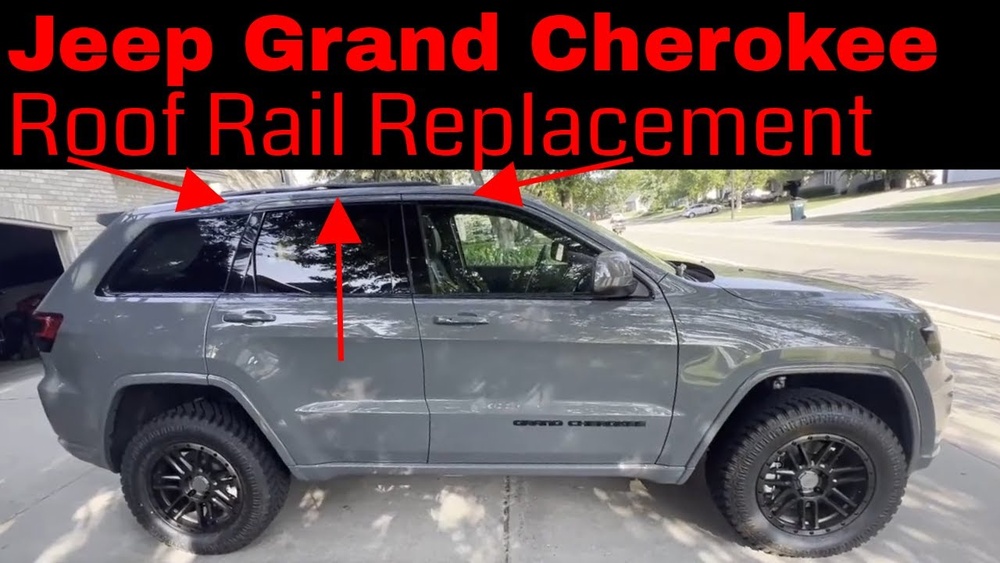
Many Jeep Grand Cherokee owners love the look and function of a roof rack. It helps carry luggage, bikes, kayaks, and more. But sometimes, you need to take it off. Maybe you want better fuel economy, less wind noise, or easier cleaning.
Removing the roof rack seems tricky, but with the right steps and tools, you can do it safely at home.
Why Remove The Roof Rack?
Some people think roof racks are just for decoration. But removing them can bring real benefits:
- Improved fuel efficiency: Roof racks create wind resistance, which can lower your gas mileage by up to 10%.
- Less wind noise: Without a rack, your Jeep is quieter at highway speeds.
- Easier access: Washing or waxing the roof is simpler with the rack gone.
- Better appearance: Some prefer the clean, factory look without extra hardware.
If you plan to re-install the rack later, or switch to another model, knowing how to remove it correctly is important.
Tools And Preparation
Before you begin, gather these items:
- Torx screwdriver (usually T25 or T30, depending on your model)
- Flathead screwdriver (for plastic covers)
- Soft cloth or towel
- Plastic trim removal tool (optional, prevents scratches)
- Small container (to hold screws and bolts)
Check your Jeep’s manual for any special instructions or differences. Most Grand Cherokees use similar roof rack designs, but confirm your model year.
Step-by-step Roof Rack Removal
Follow these steps to safely remove the roof rack from your Jeep Grand Cherokee:
1. Inspect The Rack
Look at the mounting points. Most racks have covers over the bolts. Identify how many attachment points there are.
2. Remove Plastic Covers
Use the flathead screwdriver or trim tool to gently pry off the plastic covers at each end of the roof rails. Place them somewhere safe.
3. Unscrew Mounting Bolts
With the Torx screwdriver, loosen the bolts holding the rack in place. Work on one side at a time. Hold the rail steady so it doesn’t fall.
4. Lift Off The Rails
Once all bolts are removed, carefully lift the rails off the roof. They may be slightly stuck due to weather seals—wiggle gently.
5. Store Hardware
Place bolts, covers, and rails in your container. Keep them together if you plan to reinstall.
6. Clean The Area
Use a soft cloth to wipe the mounting spots. Check for any dirt or seal damage.
Example: 2018 Jeep Grand Cherokee
For a 2018 Grand Cherokee, the roof rack rails are attached with T25 Torx screws under plastic covers. Removing all 8 screws (4 per rail) takes about 10 minutes. You can finish the whole job in under 30 minutes with basic tools.
Jeep Grand Cherokee Roof Rack Types
Not all roof racks are the same. Your removal steps may change depending on the rack type.
| Rack Type | Attachment Method | Difficulty |
|---|---|---|
| Factory Roof Rails | Torx Screws | Easy |
| Aftermarket Crossbars | Clamps or Bolts | Moderate |
| Full Basket Rack | Custom Brackets | Hard |
Factory racks are the simplest to remove. Aftermarket racks often have extra brackets or custom fittings, which can take longer.

Common Mistakes To Avoid
It’s easy to rush and make mistakes. Here are two issues beginners often miss:
1. Forgetting To Keep Hardware Organized
Many people lose screws or covers, making re-installation difficult. Use a small container or zip bag for storage.
2. Damaging Paint Or Seals
Scratching the roof or tearing weather seals can lead to leaks. Always use a plastic tool and work gently.
Another hidden problem: Some racks have hidden bolts under the weather stripping. If you skip these, the rail won’t come off. Always check for extra fasteners before lifting.
How Roof Racks Affect Performance
Removing your roof rack isn’t just about looks. Data shows a roof rack can increase drag and lower fuel economy. According to the US Department of Energy, roof racks can cut highway gas mileage by up to 10%. For a Grand Cherokee that averages 25 mpg, that’s a drop to about 22.
5 mpg.
Here’s a quick comparison:
| Condition | Estimated MPG | Noise Level (dB) |
|---|---|---|
| With Roof Rack | 22.5 | 60 |
| Without Roof Rack | 25 | 54 |
These numbers show the rack’s impact on both efficiency and comfort.

Quick Tips For Easy Removal
- Work in daylight so you can see all bolts clearly.
- Use a magnet to pick up dropped screws.
- Check weather forecast—avoid removing in rain to prevent water damage.
- Apply silicone spray to stuck bolts if needed.
- Take photos before you start, so you can reassemble later.
Should You Remove Or Keep The Roof Rack?
Some owners wonder if removing the roof rack is worth the effort. If you rarely use it, you’ll benefit from better gas mileage and less noise. But if you carry gear often, it’s better to keep it installed. Remember, reinstalling is simple if you store the parts correctly.
For more details about roof rack effects and removal, visit the US Department of Energy.
Frequently Asked Questions
How Long Does It Take To Remove A Roof Rack?
Usually, it takes 20–30 minutes for most Jeep Grand Cherokees. If you have aftermarket racks, expect more time.
Do I Need Special Tools For Removal?
Most racks use Torx screwdrivers. Some aftermarket racks need special wrenches or Allen keys.
Will Removing The Rack Void My Warranty?
No, removing the rack does not void your warranty. But damaging the roof or seals could affect coverage.
Can I Reinstall The Roof Rack Myself?
Yes, you can reinstall the rack if you keep all hardware and follow the reverse steps. Take photos before removal for reference.
Is There A Risk Of Water Leaks After Removal?
If you damage the weather seals or leave holes uncovered, leaks can happen. Always inspect and clean the mounting areas after removal.
Taking off your roof rack is straightforward with the right tools and care. You’ll enjoy a smoother ride, improved fuel efficiency, and a cleaner look. Be patient, keep your hardware organized, and check your Jeep’s manual for any unique steps.
Whether you plan to reinstall or leave it off, knowing how to remove your roof rack gives you more flexibility with your Grand Cherokee.