Getting the most from your 2014 Jeep Wrangler means knowing how to use its four-wheel drive (4WD) system. Many drivers love the Wrangler for its ruggedness, but using 4WD the right way can make a big difference in safety and performance. If you’re new to off-roading or just want to be sure you’re doing things right, this guide will explain how to put your Jeep Wrangler into 4WD, when to use it, and common mistakes to avoid. You’ll also find practical tips and answers to questions many Jeep owners have.
Understanding Your 2014 Jeep Wrangler’s 4wd System
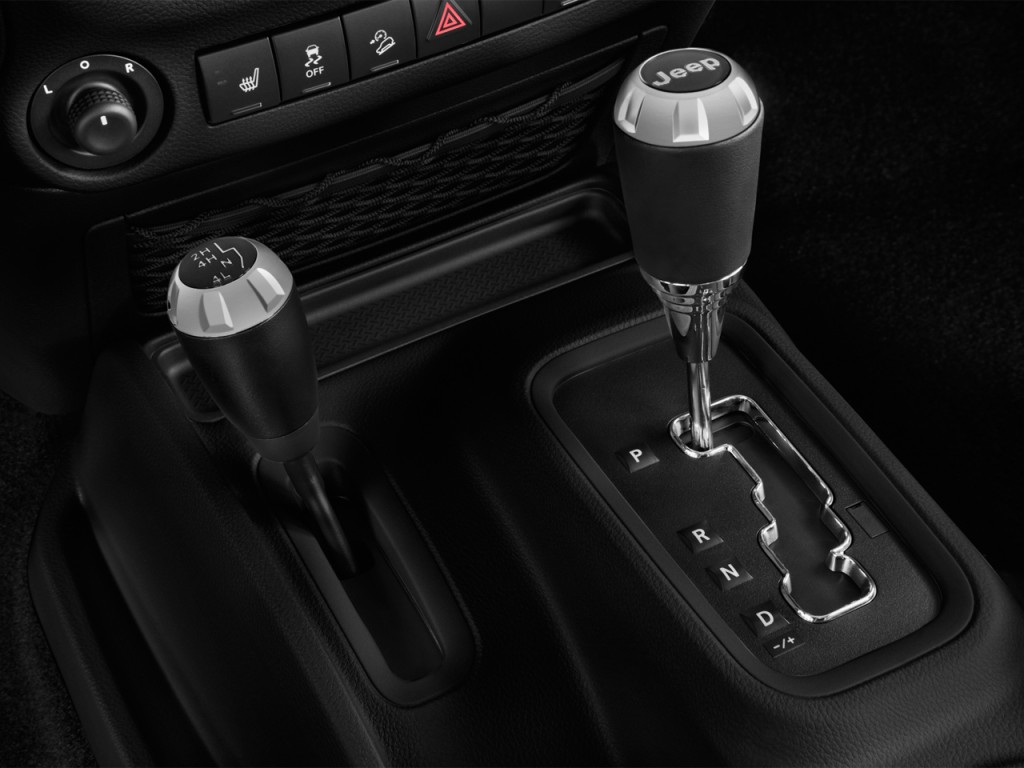
The 2014 Jeep Wrangler uses a part-time 4WD system, meaning you engage 4WD when you need extra traction. Most models have a lever on the floor next to the gear shifter. This lever lets you choose between 2H (Two-Wheel Drive High), 4H (Four-Wheel Drive High), N (Neutral), and 4L (Four-Wheel Drive Low). Each mode serves a different purpose.
2H is for normal driving on dry, paved roads. Power goes only to the rear wheels.
4H is best for snow, mud, gravel, or wet roads. It gives power to all four wheels.
4L is for slow, tough situations like deep mud, sand, or steep hills. It gives maximum torque at low speeds.
How To Put Your 2014 Jeep Wrangler In 4wd
Switching your Jeep into 4WD is simple, but doing it incorrectly can cause damage. Here’s a step-by-step guide:
Engaging 4h (four-wheel Drive High)
- Reduce speed to below 55 mph. You don’t need to stop completely.
- Keep the Jeep in Drive (automatic) or the proper gear (manual).
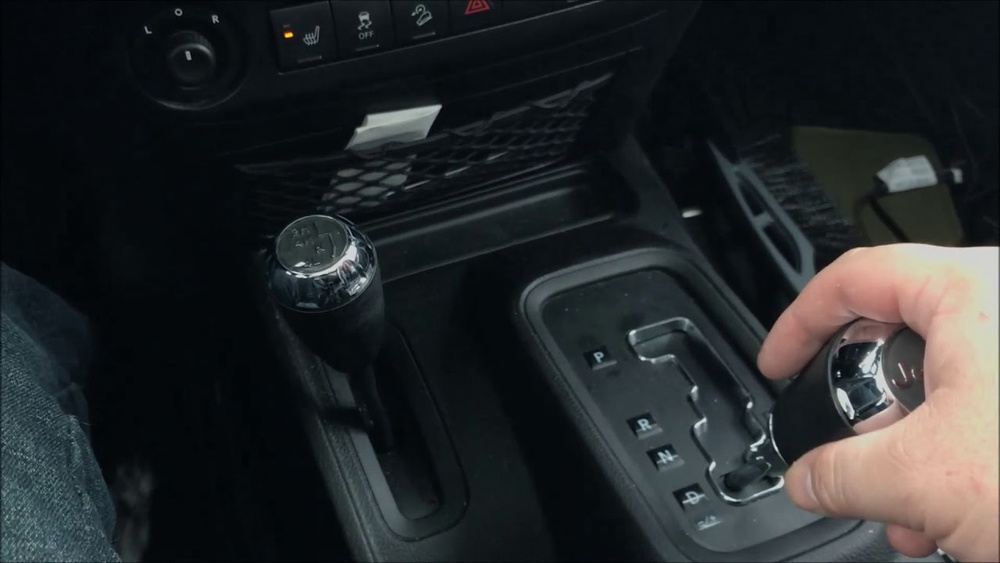
- Firmly grasp the 4WD lever and shift from 2H to 4H in a straight line. You may feel a slight clunk—this is normal.
- Check the dashboard indicator light. It should show that 4WD is active.
Tip: 4H is safe to engage while moving, as long as wheels are straight and speed is moderate.
Engaging 4l (four-wheel Drive Low)
- Bring the Jeep to a stop and shift the transmission into Neutral.
- Firmly pull the 4WD lever from 2H or 4H into 4L with a steady motion.
- Wait for the 4WD indicator on the dash. It should confirm you’re in 4L.
- Shift the transmission back into Drive or the right gear to move.
Note: Only use 4L at low speeds (below 25 mph), such as when crawling over rocks or through deep mud.
Returning To 2h (two-wheel Drive High)
- For 4H to 2H, you can shift while moving slowly, as long as your wheels are straight.
- For 4L to 2H, stop the Jeep, shift to Neutral, then move the 4WD lever to 2H.
Mistake to avoid: Never use 4H or 4L on dry pavement. This can damage the drivetrain.
.jpg?t=170664380199 "How To Put 2014 Jeep Wrangler In 4Wd: Easy Step-by-Step Guide")
When Should You Use 4wd?
Knowing when to engage 4WD keeps your Jeep running smoothly and safely.
- Use 4H in snow, mud, sand, or gravel, especially if roads are slippery.
- Use 4L for steep hills, deep mud, or when you need slow, controlled power.
- Stay in 2H on dry, paved roads for best fuel economy and less wear.
Real-world Example
Imagine you’re driving up a snowy mountain road. As traction gets worse, switch from 2H to 4H without stopping.
If you reach a steep, icy slope, stop and switch to 4L for more control.
Key Differences: 2h Vs 4h Vs 4l
The table below shows the main differences between drive modes.
| Mode | Use Case | Speed Limit | Dashboard Light |
|---|---|---|---|
| 2H | Normal driving on dry roads | Full speed | Off |
| 4H | Slippery surfaces (snow, mud, sand) | < 55 mph | 4WD On |
| 4L | Steep hills, deep mud, off-road | < 25 mph | 4WD Low On |
Common Mistakes To Avoid
Even experienced drivers sometimes make errors with 4WD. Here are things to watch out for:
- Engaging 4WD on dry pavement: This strains the drivetrain and wears tires.
- Forgetting to slow down: Shifting into 4L at high speed can break parts.
- Not stopping for 4L: Always stop and shift to Neutral before engaging 4L.
- Leaving 4WD on too long: Only use it when needed. This saves fuel and reduces wear.
- Ignoring dashboard lights: If a 4WD light flashes or stays on, check the manual or see a mechanic.
Practical Tips For Using 4wd
- Practice in a safe area. Try shifting between modes in an empty lot or on soft ground.
- Check your owner’s manual for special tips for your model.
- Maintain your 4WD system. Regularly check fluid levels and listen for strange noises.
- Know your limits. 4WD helps with traction, but it doesn’t make you invincible. Drive carefully in bad conditions.
Data: Fuel Economy Impact
Switching from 2H to 4WD can reduce fuel economy by about 10-15%, according to manufacturer tests.
| Mode | Estimated MPG |
|---|---|
| 2H | 17 city / 21 highway |
| 4H | 15 city / 18 highway |
| 4L | Not rated (used rarely, low speeds) |
What Beginners Often Miss
A few details are easy to overlook:
- Tire pressure matters: Uneven tires can make 4WD work poorly or damage the system.
- Listen for noises: Clicking, grinding, or flashing dashboard lights mean something’s wrong. Don’t ignore them.
Frequently Asked Questions
How Do I Know If My Jeep Is In 4wd?
Look for the 4WD indicator light on your dashboard. It should light up when 4H or 4L is engaged. If you feel more resistance when turning, you’re likely in 4WD.
Can I Switch To 4wd While Driving?
Yes, you can shift from 2H to 4H while moving slowly (below 55 mph) and with wheels straight. For 4L, always stop and shift to Neutral first.
Is It Bad To Drive In 4wd All The Time?
Yes, using 4WD on dry pavement can harm your drivetrain and wear tires quickly. Only use 4WD when you need extra traction.
What If My 4wd Won’t Engage?
Check if you’re following the steps correctly, especially stopping and shifting to Neutral for 4L. If it still won’t engage, there may be a problem with the transfer case or linkage. Get it checked by a mechanic.
Where Can I Find More Detailed Info?
The owner’s manual is the best source. You can also visit the official Jeep website for more resources and support.
Using your 2014 Jeep Wrangler’s 4WD system the right way isn’t difficult. By following these steps and watching for common mistakes, you’ll be ready for any road or trail. Remember, practice helps, and knowing your Jeep’s limits is just as important as knowing how to shift gears. Enjoy the adventure and drive safely!