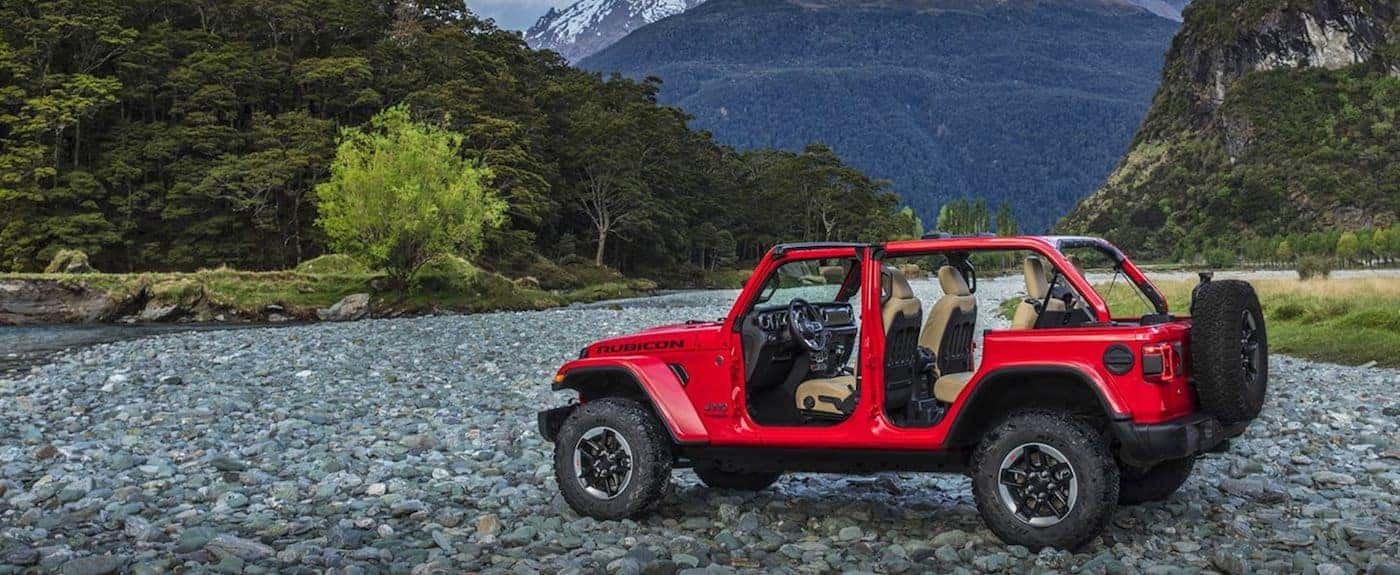
Removing the doors from your Jeep is a popular way to enjoy off-roading, fresh air, and a sense of freedom.
Many Jeep owners like to take the doors off during warmer months or on trails, but if you’ve never done it before, the process can seem confusing.
The good news is, most modern Jeeps are designed to make door removal straightforward, as long as you follow the right steps and understand a few key safety points.
This guide will walk you through each stage, highlight common mistakes, and help you enjoy your Jeep experience safely.
Why Remove Your Jeep Doors?
Jeep models, especially the Wrangler and Gladiator, are built for versatility. Removing the doors provides a unique open-air driving experience and helps with visibility during off-road adventures. According to a 2023 survey by Jeep enthusiasts, 70% of owners reported feeling more connected to nature after removing their doors. However, it’s important to know that driving without doors can reduce protection and may not be legal in all locations.
Tools And Preparation
Before you start, gather the necessary tools. Most Jeep doors use standard bolts and connectors, but having the right gear prevents damage and saves time.
- Torx wrench set (usually T40 or T50 for Wrangler models)
- Ratchet or socket wrench
- Protective gloves
- Microfiber cloth (to protect paint)
- Storage bags or racks for the doors
Check your owner’s manual for exact specifications. Older models might require different tools.
Here’s a quick comparison of tools needed for the two most common Jeep models:
| Jeep Model | Torx Size | Extra Tools Needed |
|---|---|---|
| Wrangler JL | T50 | Door bag (optional) |
| Gladiator JT | T40 | Socket wrench |

Step-by-step Door Removal
Follow these steps to safely remove your Jeep doors. Each step is designed to protect both you and your vehicle.
1. Lower The Windows
Always lower the windows first. This reduces pressure on the glass and makes the doors lighter.
2. Disconnect Electrical Wiring
Modern Jeeps have wires inside the door for power locks and mirrors. Locate the wiring harness under the dashboard and gently unplug it.
Never force the connector damage here is expensive.
3. Remove Safety Straps
Each door has a safety strap attached to the body. Unhook it to prevent pulling on the wiring and hinges.
4. Unscrew The Door Hinges
Use your Torx wrench to remove the hinge bolts. Keep bolts in a safe place; losing them is a common mistake.
5. Lift The Door Off
Hold the door with both hands. Lift straight up, avoiding any twisting motion.
Some doors are heavy (up to 45 lbs), so ask for help if needed.
6. Store The Doors Properly
Place doors in a padded bag or on a rack. Leaving them on the ground can scratch the paint or damage seals.
Here’s a simple breakdown of the time needed per door:
| Step | Estimated Time |
|---|---|
| Preparation | 10 minutes |
| Door removal | 5–7 minutes per door |
| Storage | 5 minutes |
Legal And Safety Considerations
Jeep doors offer protection from the elements and accidents. When removed, you lose some safety features, including side-impact protection and mirror visibility. In the US, state laws vary. For example, California requires at least one side mirror if doors are removed. Always check your local regulations.
Another safety tip: Never drive with children or pets unrestrained when doors are off. Use seat belts at all times, and consider aftermarket mirrors to stay legal and safe.

Practical Tips And Common Mistakes
Many beginners overlook small details that can lead to trouble. Here are some non-obvious insights:
- Lubricate hinge pins before removal. This prevents rust and makes future removal easier.
- Never force electrical connectors. If they stick, use a plastic trim tool to loosen gently.
- Store bolts and straps together. Losing these parts is a top complaint among Jeep owners.
Some drivers forget to reset their mirrors after reinstalling doors, which can affect visibility. Take a few minutes to adjust everything once the doors are back on.
After Removal: What To Expect
Driving without doors feels different. You’ll notice:
- Increased wind and noise
- Easier entry and exit
- Reduced side protection
A study by the National Highway Traffic Safety Administration showed that door removal can slightly raise the risk of minor injuries in low-speed crashes. However, most Jeep owners say the benefits outweigh the risks, especially when following safety guidelines.
If you plan to keep your doors off for long periods, invest in a weatherproof cover for your interior. Rain and dust can quickly damage seats and electronics.
Reinstalling Your Jeep Doors
Putting the doors back is almost the reverse of removal. Align the hinges carefully, reconnect the electrical wiring, attach safety straps, and tighten bolts securely.
One common mistake is overtightening, which can strip threads. Use moderate pressure and check for smooth closing.
Here’s a comparison of Jeep door removal versus reinstallation:
| Action | Difficulty | Tools Required | Common Issues |
|---|---|---|---|
| Door Removal | Easy–Moderate | Torx, Ratchet | Lost bolts, stuck connectors |
| Door Reinstallation | Moderate | Torx, Ratchet | Misaligned hinges, overtightened bolts |
Frequently Asked Questions
Is It Legal To Drive Without Doors In My State?
Laws vary. Most states allow driving without doors but require at least one side mirror. Check your local DMV website or refer to Wikipedia for an overview.
Can I Remove My Jeep Doors Alone?
Yes, but it’s safer with help, especially for rear doors. They can be heavy and awkward to lift.
Will Removing Doors Void My Warranty?
No, but damaging wiring or hinges during removal may not be covered. Always follow manufacturer instructions.
How Do I Store Jeep Doors Safely?
Use padded bags or racks. Keep them off the ground and away from moisture to prevent rust and scratches.
Are There Aftermarket Mirrors For Doorless Jeeps?
Yes, many brands offer clip-on mirrors for Jeeps. These help you stay legal and improve safety when driving without doors.
Removing your Jeep doors is simple if you prepare well and follow these steps. It transforms your driving experience and helps you enjoy the outdoors.
With proper tools, safety checks, and awareness of legal rules, you’ll be ready for the open road or trail in no time.