Is A Jeep Wrangler Reliable?
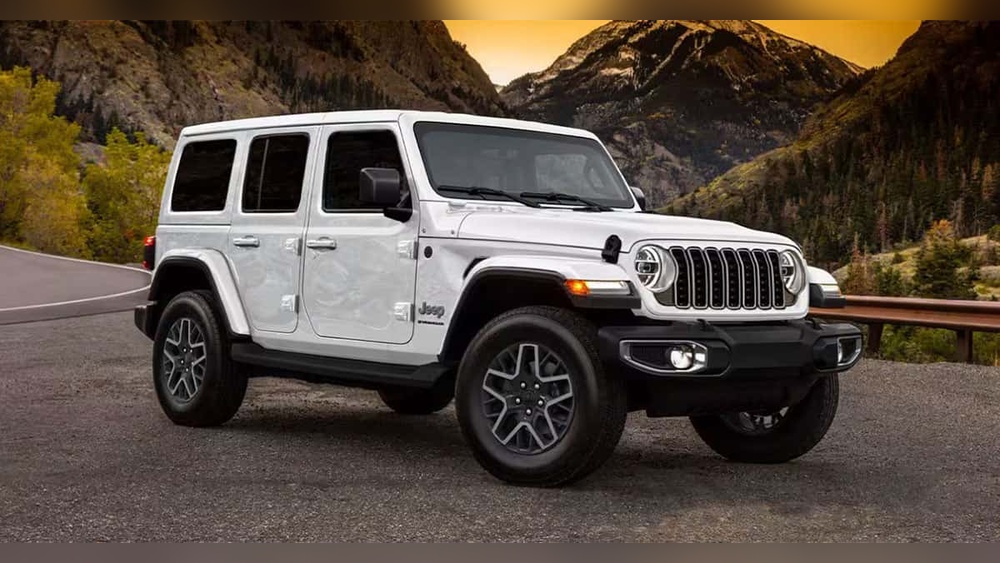
Few vehicles have a reputation as bold as the Jeep Wrangler. With its boxy look, off-road skills, and loyal fan base, the Wrangler stands out from other SUVs. But for people thinking about buying one, a key question often comes up: Is a Jeep Wrangler reliable? Let’s take a closer look at what reliability means for this iconic vehicle, using real data, owner stories, and expert advice.
What Does Reliability Mean For A Jeep Wrangler?
Reliability is more than just not breaking down. For most drivers, a reliable car means you can trust it to start every morning, handle daily driving, and not cost a fortune in repairs. For the Wrangler, reliability also includes how well it handles rough trails, mud, and extreme weather.
Many buyers choose a Wrangler for adventure. But does it hold up as a daily car? Here’s what matters:
- Mechanical problems: Engine, transmission, and parts that keep you moving
- Maintenance costs: How much you’ll spend on repairs each year
- Longevity: How long the vehicle lasts before big problems appear
Jeep Wrangler Reliability: Numbers And Real-world Reports
Let’s look at data from trusted sources and feedback from Wrangler owners.
Long-term Reliability Ratings
Different sources give the Wrangler mixed scores. Here’s a summary:
| Source | Reliability Score (out of 5) |
|---|---|
| J.D. Power | 2.5 – 3.0 |
| Consumer Reports | 2.0 |
| RepairPal | 3.5 |
The Wrangler often gets average or below-average scores. This surprises some buyers, since the Jeep name is linked with durability. However, these ratings reflect daily driving, not just off-road use.
Owner Experiences
Many owners praise the Wrangler’s ability to handle tough roads and weather. It’s known for rugged performance and simple design. Some report driving their Wranglers past 200,000 miles with only basic maintenance.
But others face issues with:
- Electrical systems
- Transmission
- Water leaks
- Noisy cabins
It’s common to hear stories of both “never had a problem” and “frequent shop visits” from Wrangler owners.

Common Problems And Costs
Knowing what can go wrong helps you plan better.
Most Reported Issues
Here are the most frequent complaints from Wrangler owners:
- Steering problems (“death wobble” at highway speeds)
- Leaky roofs and windows
- Electrical glitches (sensors, lights)
- Transmission troubles (especially in earlier models)
Newer Wranglers (2018 and after) have fewer complaints, but the “death wobble” and leaks can still happen.
Repair And Maintenance Costs
How does the Wrangler compare to other SUVs? Take a look:
| Vehicle | Average Annual Repair Cost |
|---|---|
| Jeep Wrangler | $694 |
| Toyota 4Runner | $514 |
| Ford Bronco | $548 |
| Honda CR-V | $407 |
Wrangler’s repair costs are higher than many competitors. Parts and labor for Jeeps are not cheap, especially for 4×4 components.
What Makes The Wrangler Unique?
The Wrangler is built for adventure, not just city driving. Its solid axles, removable doors, and roof give it a true off-road feel. But these features can also lead to more maintenance.
Pros
- Excellent off-road ability
- Strong resale value
- Simple mechanics (in older models)
- Large community for support and upgrades
Cons
- Rough ride on pavement
- Less fuel efficient
- More noise and wind leaks
- Above-average repair costs
Factors That Affect Your Wrangler’s Reliability
Not all Wranglers are the same. Here are key things that impact reliability:
Model Year
Older Wranglers (YJ, TJ, and early JK) are known for mechanical simplicity. They often last a long time with care. Newer models have more electronics, which can mean more issues.
How You Use It
Frequent off-roading, towing, or driving in harsh weather increases wear and tear. City drivers may have fewer issues.
Maintenance Habits
Regular oil changes, fluid checks, and tire rotations make a big difference. Neglect leads to expensive repairs.
Aftermarket Modifications
Many owners add bigger tires, lifts, and lights. Some upgrades can stress parts and lower reliability if not installed well.
How To Make Your Wrangler More Reliable
If you want your Wrangler to last, consider these tips:
- Follow the maintenance schedule in your owner’s manual.
- Check for recalls and fix them promptly.
- Inspect underbody and suspension after off-roading.
- Avoid cheap aftermarket parts; stick with quality brands.
- Keep it clean, especially after mud or snow driving.
One thing many beginners miss: rust prevention. The Wrangler’s undercarriage can rust quickly if not washed regularly, especially in snowy areas with road salt.
When Is A Wrangler The Right Choice?
Choose a Wrangler if you:
- Love outdoor adventures
- Want a unique, classic SUV feel
- Don’t mind higher maintenance for fun driving
If you want a quiet, hassle-free city SUV, a different model may fit better.
Another insight: Wrangler resale value is strong. Even older models hold their price well, so your investment is less likely to drop quickly compared to other SUVs.
Frequently Asked Questions
Is The Jeep Wrangler Good For Daily Driving?
The Wrangler can be used as a daily driver, but it has a stiffer ride, more noise, and lower fuel economy than most crossovers. If comfort is your top priority, you may want to consider another SUV.
How Long Do Jeep Wranglers Usually Last?
With proper care, many Wranglers last over 200,000 miles. Some owners report reaching 300,000 miles, especially with regular maintenance and gentle use.
Do Jeep Wranglers Have A Lot Of Problems?
They have more issues than average, especially with steering, leaks, and electronics. However, many problems are minor and can be fixed with routine care.
Are Older Or Newer Wranglers More Reliable?
Older Wranglers have fewer electronics and are easier to repair, but newer models offer more comfort and safety. Reliability can vary widely based on model year and how the vehicle was used.
Where Can I Find More Detailed Reliability Ratings?
You can check detailed reliability data and owner reviews at Consumer Reports.
The Jeep Wrangler is not the most reliable SUV, but its unique style and abilities make it a favorite for many drivers. With good maintenance and realistic expectations, it can be a trusty partner for both city streets and wild trails.