If you own a Jeep Wrangler, you know it’s built for adventure. But sometimes, the seat height isn’t perfect for everyone. Maybe you’re tall and need more headroom, or you’re shorter and want a better view over the dashboard. Adjusting the seat can make a huge difference in comfort and safety. This guide explains how to raise the seat in your Jeep Wrangler, what tools you need, and common mistakes to avoid. You’ll also learn about aftermarket solutions and important details most beginners miss.
Why Raise Your Jeep Wrangler Seat?
The seat height in a Jeep Wrangler affects driving position, visibility, and comfort. Many drivers find the factory seat too low, making it hard to see over the hood or reach the pedals easily. Raising the seat can help:
- Improve visibility on and off-road.
- Reduce back and leg strain.
- Make entry and exit easier for shorter drivers.
Some Jeep owners even report better posture and less fatigue after adjusting their seat height.
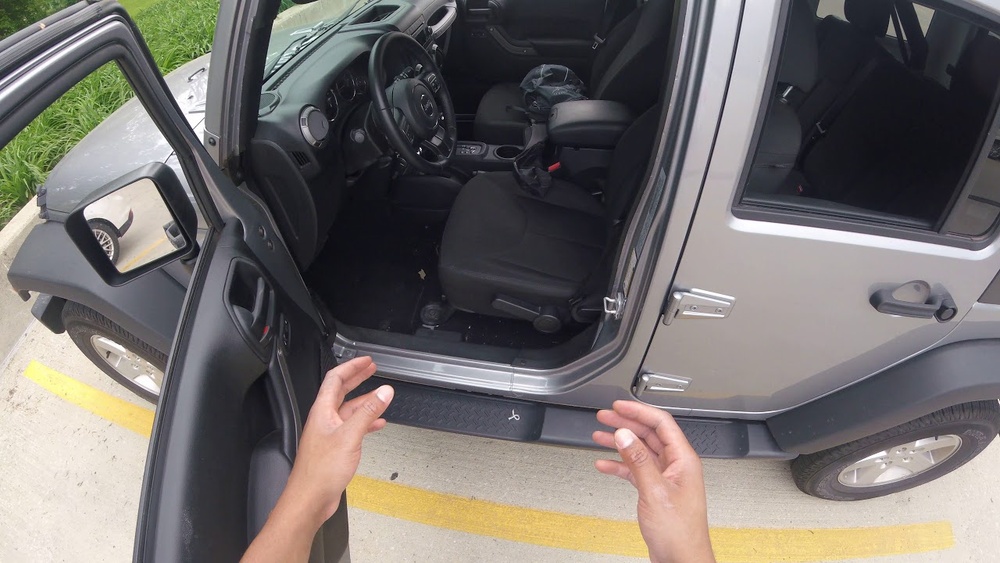
Methods To Raise Your Jeep Wrangler Seat
There are several ways to raise the seat. The right method depends on your Wrangler model, budget, and desired height increase.
1. Manual Seat Adjustment
Most Jeep Wranglers have manual seat levers. These allow basic height changes, but the range is limited (usually 1–2 inches). To adjust:
- Locate the seat height lever on the side or front of your seat.
- Pull or push the lever while lifting your body weight.
- Release when you reach a comfortable height.
This method is simple, but not all models offer significant height changes. If the adjustment isn’t enough, you’ll need to try another approach.
2. Installing Seat Risers
Seat risers are metal spacers that fit between the seat base and the floor. They raise the entire seat by a set amount (usually 1–2 inches). Here’s how to install them:
- Remove the seat bolts using a socket wrench.
- Lift the seat and place the risers under the mounting points.
- Reinstall the bolts through the risers and tighten securely.
Most riser kits cost $40–$100 and can be installed in under an hour. Always check compatibility with your Wrangler model before buying.
3. Aftermarket Seats
If you want more than 2 inches of height, consider aftermarket seats. These seats can be installed with custom brackets to provide additional height and support. Popular brands like Corbeau and Bestop offer seats with adjustable bases.
Aftermarket seats are more expensive ($250–$600 per seat), but they improve comfort for long drives. Installation may require professional help.
4. Custom Bracket Fabrication
For unique needs, some Jeep owners build their own seat brackets. This option lets you choose the exact height and angle. However, custom fabrication requires metalworking skills and careful measurement.
If you choose this route, make sure the bracket is strong and safe. Weak brackets can fail in a crash, so test thoroughly.
.png)
Comparison Of Seat Raising Options
To help you decide, here’s a quick comparison of common methods:
| Method | Height Gain | Cost | Skill Needed | Time |
|---|---|---|---|---|
| Manual Lever | 1–2 inches | $0 | None | 5 min |
| Seat Risers | 1–2 inches | $40–$100 | Basic | 30–60 min |
| Aftermarket Seats | 2–4 inches | $250–$600 | Intermediate | 2–3 hours |
| Custom Brackets | Varies | $50–$200 | Advanced | 2–4 hours |
Key Steps And Tips For Installing Seat Risers
Installing seat risers is the most popular method. Here’s a step-by-step guide:
- Buy a compatible kit for your Wrangler year and model.
- Gather tools: Socket wrench set, screwdriver, riser kit, safety gloves.
- Disconnect the battery if your seat has airbags or electronics.
- Remove seat bolts and carefully lift the seat.
- Position risers under the mounting points.
- Reinstall bolts and tighten firmly.
- Reconnect battery and test seat movement.
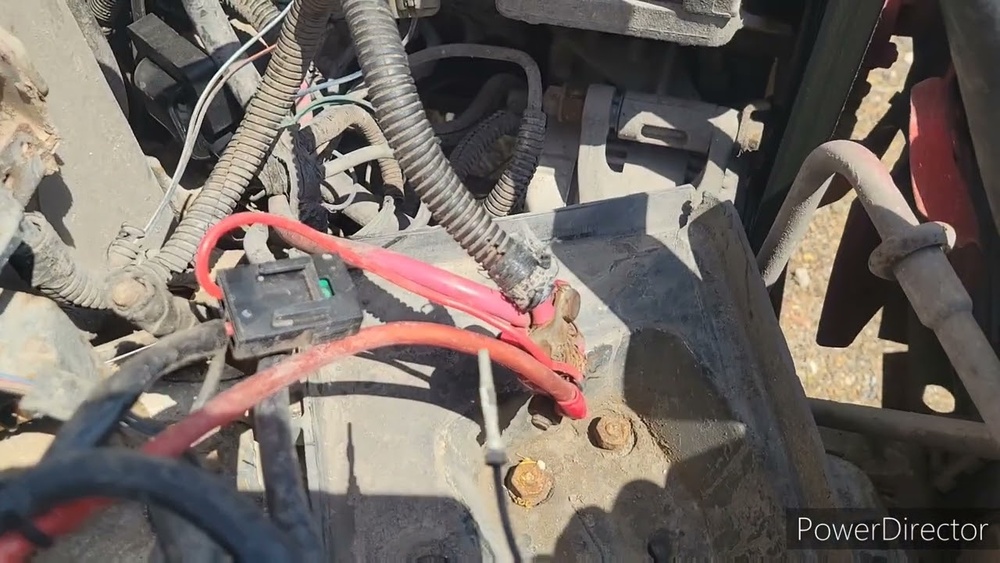
Tip: Check for wire harnesses under the seat, especially in newer Wranglers. Pull gently so you don’t damage connectors. If your seat has heating or airbags, extra care is needed.
Common Mistakes To Avoid
Many beginners overlook important details:
- Buying wrong risers: Not all kits fit every Wrangler model.
- Ignoring seat wires: Disconnecting the battery prevents airbag warning lights.
- Over-tightening bolts: This can strip threads or damage the floor.
- Skipping safety checks: Always test seat stability after installation.
It’s also easy to forget about seatbelt angle. Raising the seat can change how the seatbelt fits. Make sure the belt rests comfortably across your shoulder.
Pros And Cons Of Raising Jeep Wrangler Seats
Here’s how seat raising compares to leaving the seat stock:
| Pros | Cons |
|---|---|
| Better visibility | Possible headroom loss |
| Improved comfort | Seatbelt angle changes |
| Easier entry/exit | Extra cost |
| Reduced fatigue | May affect airbags |

Non-obvious Insights
Many Jeep owners don’t realize that even a 1-inch change can feel dramatic. It affects pedal reach, steering angle, and overall driving feel. Another overlooked point: aftermarket risers sometimes add mild noise or vibration. Always double-check fasteners after driving for a few days.
For taller drivers, raising the seat may reduce headroom. Measure carefully before installing. For shorter drivers, a raised seat improves sight lines but can make getting in harder if the Jeep is already lifted.
Where To Buy Seat Risers And Aftermarket Seats
Most seat risers are sold online or at Jeep accessory shops. Popular brands include Mopar and Rock Hard 4×4. For seats, check sites like Quadratec or Extreme Terrain. Always review customer feedback and check return policies.
For more information about seat modifications, visit the Jeep Wrangler Wikipedia page.

Frequently Asked Questions
How Much Can I Raise My Jeep Wrangler Seat?
Most seat riser kits offer 1–2 inches of lift. Aftermarket seats with custom brackets can give up to 4 inches, but too much height may affect safety and comfort.
Will Raising The Seat Affect Airbags Or Seat Heaters?
Yes, some seats have airbag sensors or heating wires under them. Always disconnect the battery before removing the seat, and reconnect carefully. Check your Wrangler’s manual for details.
Can I Install Seat Risers Myself, Or Do I Need A Shop?
Most riser kits are designed for DIY installation. If you have basic tools and follow instructions, you can install them at home. For complex aftermarket seats, professional help is advised.
Is Raising The Seat Legal And Safe?
Raising the seat is generally legal if you use proper kits and install them safely. Custom modifications should meet local safety standards. Never compromise seat stability or seatbelt fit.
What Is The Best Method For Raising The Seat?
For most Jeep owners, seat risers are the best balance of cost, ease, and height. Manual adjustment is quick, but limited. Aftermarket seats are ideal for those needing more comfort or height, but cost more.
Getting your seat height right is a small change that makes a big difference. Whether you use risers or new seats, measure carefully, follow safety steps, and enjoy a more comfortable ride in your Jeep Wrangler.