Every Jeep JK owner knows that off-road adventures can be tough on your vehicle. When you hit rough terrain, your suspension takes a beating, especially at the rear.
That’s where rear bump stops come in. Installing bump stops protects your Jeep’s axle and suspension from hard impacts, making your ride safer and smoother.
This guide shows you how to install rear bump stops on a Jeep JK, even if you’re new to DIY car work.
Why Rear Bump Stops Matter
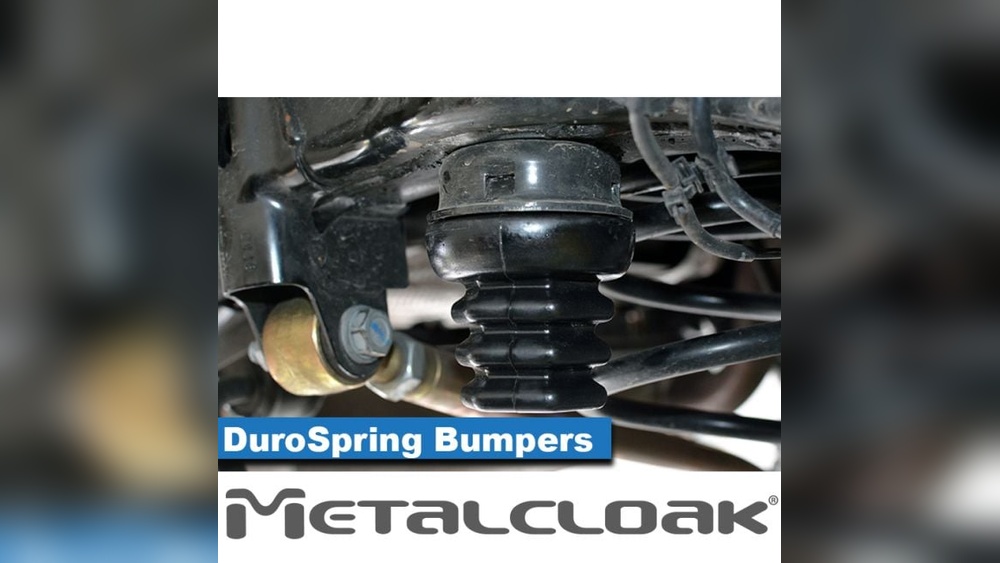
Jeep JKs are built for adventure, but factory bump stops are often too soft or short. When your suspension compresses fully, the axle can hit the frame, causing damage or bending parts. Upgrading to aftermarket bump stops increases protection, prevents expensive repairs, and gives better control.
Many drivers overlook bump stops, thinking they’re not important. In reality, they’re a simple upgrade that can extend the life of your Jeep’s suspension and improve off-road handling.
Choosing The Right Rear Bump Stops
Not all bump stops are the same. Here’s a quick comparison of common types:
| Type | Material | Performance | Price Range |
|---|---|---|---|
| Rubber | Soft rubber | Basic protection | $20–$50 |
| Polyurethane | Durable plastic | Better durability | $40–$80 |
| Hydraulic | Metal + fluid | Best performance | $120–$250 |
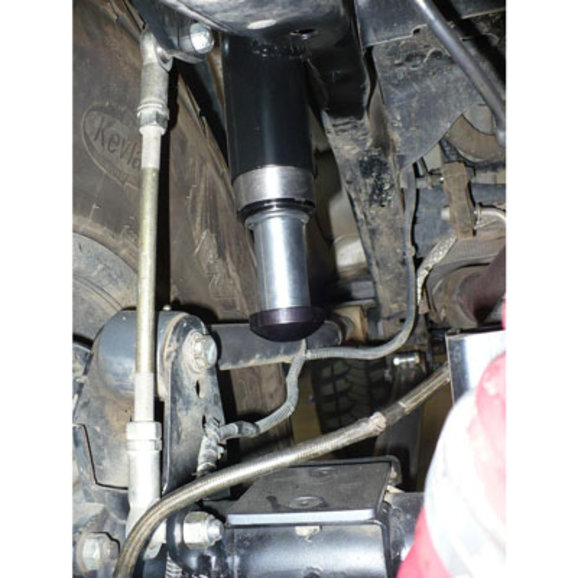
For most Jeep JK owners, polyurethane bump stops are a smart choice. They last longer and handle tough impacts better than rubber. Hydraulic bump stops are great for extreme off-roading, but expensive.

Tools And Materials Needed
Before starting, gather these items:
- New rear bump stops (check compatibility with Jeep JK)
- Socket wrench set
- Jack and jack stands
- Screwdriver
- Hammer (optional)
- Lubricant spray
Safety tip: Always work on a flat surface and use jack stands to support your Jeep. Never rely on the jack alone.
Step-by-step Installation Guide
Installing rear bump stops is not difficult, but patience helps. Follow these steps:
1. Lift The Jeep
Use a jack to lift the rear of your Jeep JK. Place jack stands under the frame for safety.
2. Remove The Wheels
Take off the rear wheels to access the suspension. This gives you more space to work.
3. Locate Factory Bump Stops
Find the original bump stops above the rear axle. They’re usually inside the spring perch.
4. Remove Old Bump Stops
Use a screwdriver or pliers to pry out the factory bump stops. Sometimes they’re tight; a bit of lubricant and gentle hammer taps help.
5. Clean The Area
Wipe the bump stop mount with a rag. Dirt and rust can make installation harder and cause problems later.
6. Install New Bump Stops
Slide or press the new bump stops into the mount. Some require bolts; others push in. If they’re stiff, a lubricant spray helps.
7. Secure Everything
For bolt-on types, use your socket wrench to tighten them. Make sure they sit flush and don’t move.
8. Reinstall Wheels And Lower Jeep
Put the wheels back on, lower your Jeep, and remove the jack stands.
Here’s a table comparing installation difficulty for different bump stop types:
| Bump Stop Type | Tools Needed | Install Time | Skill Level |
|---|---|---|---|
| Rubber | Screwdriver, pliers | 20 min | Beginner |
| Polyurethane | Socket wrench, lubricant | 30 min | Beginner |
| Hydraulic | Wrench set, drill | 1 hr | Intermediate |
Practical Tips For Success
1. Check Fit Before Installing
Hold the new bump stop up to the mount to be sure it fits. Some brands need trimming or extra hardware.
2. Use Lubricant For Easy Install
Spray the mounting area with silicone lubricant. This prevents squeaks and makes pushing bump stops in much easier.
3. Inspect Suspension Components
While the wheels are off, look for worn bushings, cracked springs, or leaking shocks. Fixing these now saves trouble later.
4. Torque Bolts Properly
If your bump stops use bolts, check the manufacturer’s torque specs. Overtightening can break the mount.
5. Test Suspension Travel
After installation, gently bounce your Jeep or drive over a speed bump. Listen for noises and check that the bump stops engage smoothly.
Common Mistakes To Avoid
Many beginners make the same errors:
- Skipping the cleaning step: Dirt prevents proper seating and causes squeaks.
- Wrong bump stop size: Too short or too long bump stops affect ride quality.
- Not using jack stands: Relying on a jack alone is dangerous.
- Forgetting to check suspension alignment: Misalignment leads to uneven wear.
A non-obvious tip: If you have a lift kit installed, you may need extended bump stops. Standard ones could be too short, letting the axle hit the frame.

After Installation: What To Expect
Once installed, you’ll notice:
- Less noise from the rear suspension
- Smoother bottom-out experience on rough roads
- Longer life for your Jeep’s springs and shocks
Some drivers report a firmer ride, especially if using polyurethane bump stops. This is normal and helps with control during off-road driving.
Here’s a quick table showing performance before and after bump stop upgrades:
| Feature | Factory Bump Stops | Aftermarket Bump Stops |
|---|---|---|
| Suspension Protection | Basic | Improved |
| Noise Level | High | Low |
| Ride Quality | Soft | Controlled |
| Durability | Short lifespan | Long lifespan |
Frequently Asked Questions
How Often Should Bump Stops Be Replaced?
Usually, bump stops last several years. Replace them if they crack, break, or show signs of wear. Off-road driving wears them out faster.
Do I Need Special Tools To Install Rear Bump Stops?
Most installs need only basic hand tools. Hydraulic bump stops may require a drill and extra hardware.
Will Installing Bump Stops Affect My Jeep’s Ride Height?
No, bump stops don’t change ride height. They limit suspension travel only when compressed.
Can I Install Bump Stops With A Lift Kit?
Yes, but you’ll need extended bump stops to match the lift. Standard ones may not be enough.
Where Can I Find Reliable Bump Stops For Jeep Jk?
Buy from trusted brands and check compatibility. For more guidance, visit ExtremeTerrain.
Upgrading your Jeep JK’s rear bump stops is a smart investment. It protects your suspension, improves your off-road experience, and gives peace of mind.
With the right tools and a careful approach, anyone can install bump stops in under an hour.
Take the time to do it right, and your Jeep will thank you on every trail.