Are Jeep Libertys Good Vehicles
The Jeep Liberty is a compact SUV that often sparks strong opinions. Some drivers love its rugged look and off-road ability, while others worry about reliability and fuel costs. If you’re thinking about buying a Jeep Liberty, or you just want to know if it’s a good vehicle, this article will give you honest answers. We’ll look at its strengths, weaknesses, and how it compares to other SUVs. You’ll find facts, examples, and practical advice to help you decide if a Jeep Liberty is right for you.
Performance And Driving Experience
The Jeep Liberty was produced from 2002 to 2012. It was designed to offer a balance between city driving and off-road adventures. Most Libertys come with a 3.7-liter V6 engine, giving about 210 horsepower. While this isn’t as powerful as some larger SUVs, it’s enough for daily driving and light towing.
Jeep Libertys are known for their strong suspension and four-wheel drive options. This makes them suitable for rough roads, snowy weather, and even mild trails. However, the steering feels heavier than many modern crossovers. The ride can be bumpy on bad roads, and the cabin noise is higher than in some competitors.
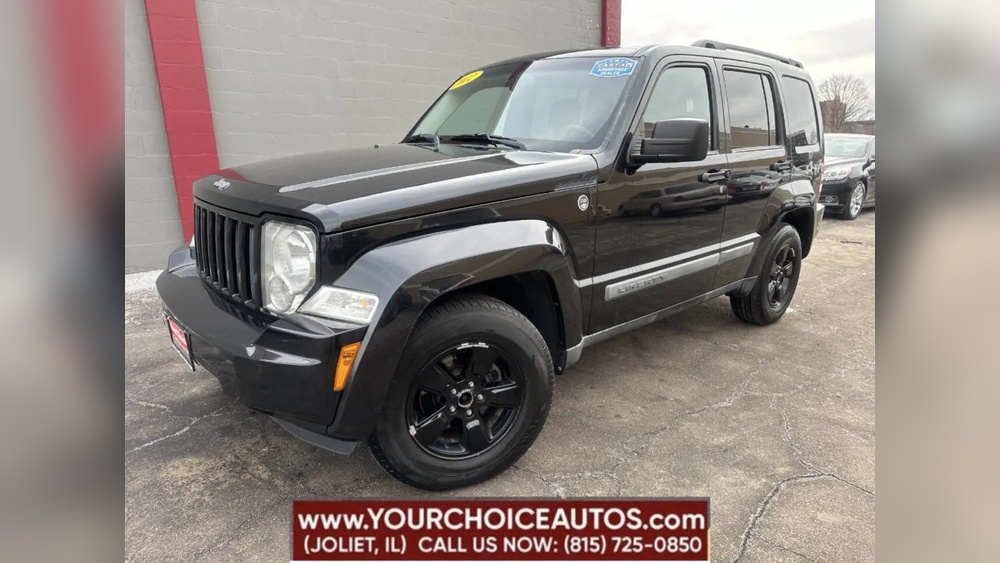
Many owners say the Liberty feels safe and stable, especially in bad weather. But acceleration is only average, and the braking distance is longer than newer SUVs. If you want a smooth, quiet ride, you might prefer other models. For adventure and outdoor use, the Liberty stands out.
Reliability And Maintenance
Reliability is a mixed story for the Jeep Liberty. Some years are better than others. According to data from Consumer Reports, the 2008 and 2009 models have fewer complaints, while 2002–2007 models often report issues with window regulators, transmission, and electrical systems.
Here’s a quick comparison of common problems by year:
| Model Year | Main Issues | Average Repair Cost |
|---|---|---|
| 2002-2005 | Window failure, transmission leaks | $350-$900 |
| 2006-2007 | Electrical faults, engine stalling | $400-$950 |
| 2008-2012 | Minor issues, improved reliability | $250-$700 |
Routine maintenance is simple, but parts can be expensive because Jeep is a specialty brand. Oil changes, brake pads, and tires cost more than for some Japanese SUVs. If you buy used, check the service history carefully. Libertys with regular maintenance last longer.
One non-obvious tip: Many Libertys develop rust on the rear suspension. Inspect this area if you’re considering a used model. It’s a common issue that can affect safety.
Fuel Economy And Cost Of Ownership
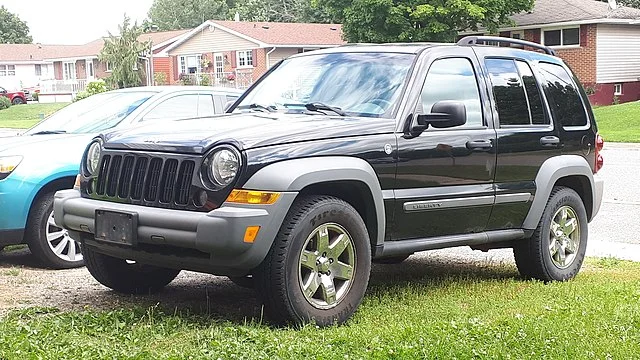
The Jeep Liberty is not famous for good fuel economy. Most models get about 16–18 mpg in the city and 22–24 mpg on the highway. Compared to other compact SUVs, this is below average.
Here’s how the Liberty compares to a few rivals:
| Model | City MPG | Highway MPG | Annual Fuel Cost* |
|---|---|---|---|
| Jeep Liberty | 17 | 23 | $2,450 |
| Honda CR-V | 22 | 29 | $1,900 |
| Toyota RAV4 | 24 | 30 | $1,800 |
| Ford Escape | 21 | 28 | $2,000 |
*Assuming 15,000 miles per year and average gas prices.
Insurance rates are average for the class. However, repairs can be more expensive, especially for older models. Many buyers overlook the higher fuel cost when choosing a Liberty. It’s worth considering your budget before buying.
Interior And Features
The Jeep Liberty’s interior is simple and practical. Early models have basic materials, while later years offer better finishes. Most Libertys seat five people comfortably, but the rear seats are tighter than in some competitors.
Cargo space is decent, with about 26 cubic feet behind the seats and up to 62 cubic feet with the seats folded. This is enough for luggage, sports gear, or camping equipment.
Features include:
- Air conditioning
- Power windows and locks
- Optional sunroof
- Basic audio system
- Optional navigation (on newer models)
If you want luxury, the Liberty might feel too simple. But for practical use, it’s fine. One insight: The Liberty’s high roof makes it easy to load tall items, which is rare in compact SUVs.

Safety Ratings
Safety is important for any SUV. The Liberty has mixed results in crash tests. The National Highway Traffic Safety Administration (NHTSA) gave most models 4 stars for front crash protection, but only 3 stars for side impact.
Here’s a summary of safety features:
| Feature | Standard | Optional |
|---|---|---|
| Front airbags | Yes | No |
| Side airbags | No | Yes (after 2008) |
| ABS brakes | Yes | No |
| Traction control | Yes | No |
Liberty’s high ground clearance is good for visibility, but can increase rollover risk. If safety is your top concern, newer SUVs might be better.
Is The Jeep Liberty Right For You?
The Jeep Liberty is a good vehicle for certain drivers. It’s best for people who need off-road capability, towing power, and a rugged look. It’s less ideal for those wanting fuel efficiency, quiet rides, or advanced technology.
Two things new buyers often miss:
- Jeep Libertys hold value better in areas with snow or rural roads, but lose value fast in cities.
- Some insurance companies charge more because of the Liberty’s crash history.
If you plan to drive mainly on highways, or you need low running costs, consider other compact SUVs. If you want adventure and don’t mind higher fuel bills, the Liberty is worth a look.
Frequently Asked Questions
Is The Jeep Liberty Good For Off-road Driving?
Yes, the Liberty has real four-wheel drive and strong suspension. It handles dirt roads, snow, and mild trails well. It’s not as tough as a Wrangler, but much better than most compact SUVs.
What Are The Most Common Problems With The Jeep Liberty?
The most reported issues are window regulator failures, electrical faults, and transmission leaks. Early models are more prone to these problems. Check any used Liberty carefully before buying.
How Does The Jeep Liberty Compare To Other Compact Suvs?
The Liberty is stronger off-road but weaker in fuel economy and technology. Rivals like the Honda CR-V and Toyota RAV4 offer smoother rides and lower running costs. See more comparisons at Wikipedia.
Is The Jeep Liberty Expensive To Maintain?
Maintenance costs are average, but some repairs are pricier due to specialty Jeep parts. Regular servicing helps prevent expensive problems. Watch for rust and electrical issues.
Is The Jeep Liberty Safe?
Safety ratings are mixed. It has good front crash scores but weaker side impact results. Later models have more airbags and stability control, making them safer than early versions.
The Jeep Liberty is not for everyone, but it serves a unique purpose. If you value adventure, rugged style, and don’t mind higher costs, it’s a smart choice. For daily commuting or city life, you may prefer a more modern SUV.
Always check service records and take a test drive before making your decision.