Changing the shocks on a Jeep Wrangler is a smart way to improve ride comfort and handling, especially if you drive off-road or have added a lift kit. Many Jeep owners try this upgrade themselves to save money and get to know their vehicle better. With the right tools and a clear process, you can replace your shocks at home—even if you’re not a pro mechanic. This guide breaks down each step so you can do the job safely, avoid common mistakes, and get the most from your new shocks.
What You Need Before You Start
Before you open your toolbox, gather these items:
- Socket set (including 18mm and 19mm sockets)
- Wrenches (various sizes)
- Jack and sturdy jack stands
- Penetrating oil (like WD-40)
- Torque wrench
- Replacement shocks (make sure they fit your Wrangler’s year/model)
- Safety glasses and gloves
If you have aftermarket parts or a lift kit, double-check that your shocks match your Jeep’s specifications.
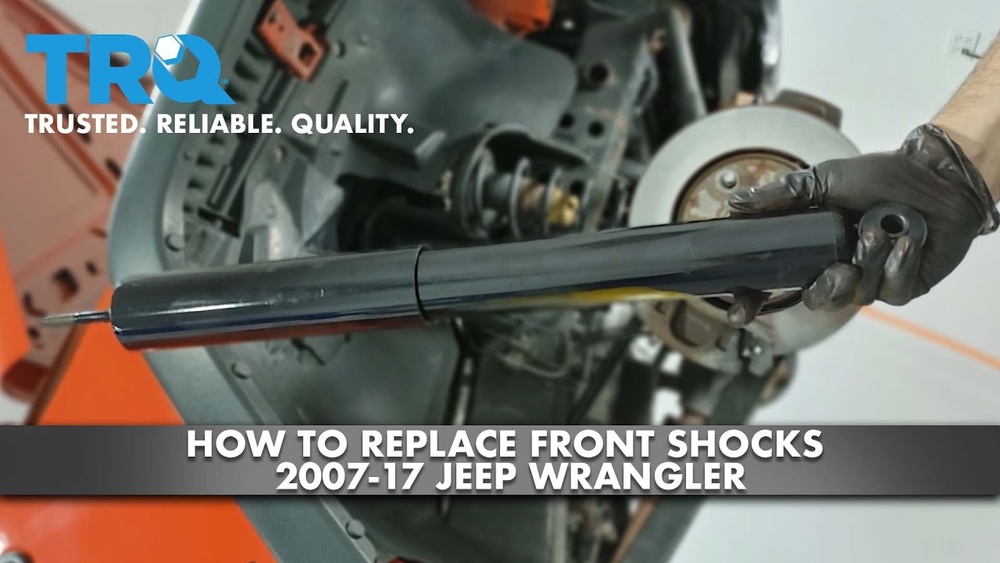
How To Change Shocks On A Jeep Wrangler: Step-by-step
1. Prepare Your Jeep
- Park on a flat surface. Engage the parking brake and chock the rear wheels.
- Loosen the lug nuts on the wheels where you’ll be changing shocks, but do not remove them yet.
- Lift your Jeep using a jack. Place jack stands under the frame for safety. Never rely on the jack alone.
2. Remove The Old Shocks
Front and rear shocks are similar, but the mounting points differ. Here’s a quick comparison:
| Location | Main Tools Needed | Time (per shock) | Common Challenges |
|---|---|---|---|
| Front | 18mm/19mm sockets | 20-30 min | Tight upper bolts |
| Rear | 18mm/19mm sockets | 15-25 min | Rusty lower bolts |
- Spray mounting bolts with penetrating oil. Wait 5–10 minutes.
- Remove the wheel for better access.
- Support the axle with a jack if needed, so it doesn’t shift when the shock comes off.
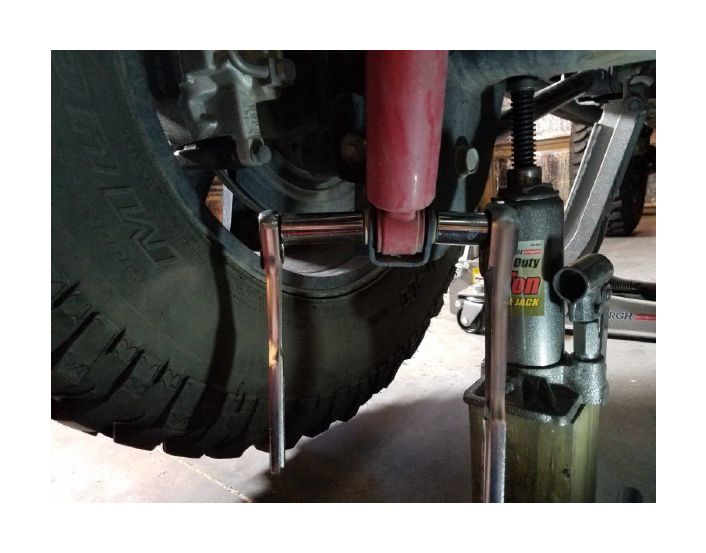
- Unscrew the lower bolt using your socket/wrench. Remove the upper bolt(s).
- Slide out the old shock. If it’s stuck, tap gently with a rubber mallet.
*Pro tip: Label each shock with its location (front left, rear right, etc.) if you’re doing all four. This avoids mixing up hardware.*
3. Install The New Shocks
- Line up the new shock with the mounting holes.
- Insert the upper bolt(s) first, but do not fully tighten yet.
- Attach the lower bolt and hand-tighten.
- Torque all bolts to the manufacturer’s specs (often 56–65 ft-lbs). Tighten the upper bolts last.
- Repeat for each wheel.
Here’s a quick comparison of stock vs. aftermarket shocks:
| Type | Ride Quality | Durability | Best For |
|---|---|---|---|
| Stock | Softer | 3–5 years | Daily driving |
| Aftermarket (e.g., Bilstein) | Firmer | 5–7 years | Off-roading, towing |
4. Reinstall Wheels And Lower Jeep
- Put the wheels back on and hand-tighten the lug nuts.
- Lower the Jeep slowly to the ground.
- Torque lug nuts to spec (usually 95–115 ft-lbs).
5. Test Drive And Check
Take your Jeep for a short drive. Listen for odd noises or rattles. If you hear anything, recheck bolt tightness. Shocks should feel firmer and more controlled, especially over bumps.
Practical Tips For A Smooth Shock Replacement
- Soak bolts with penetrating oil before you start. Rusted bolts are common, especially on older Jeeps.
- Use quality jack stands. Never get under a vehicle supported only by a jack.
- Replace in pairs (both front or both rear) for balanced handling.
- Save the hardware. Some new shocks don’t include all nuts/bolts.
- Don’t overtighten. Use a torque wrench for safety.
- Check alignment after installation. Sometimes, new shocks can slightly affect alignment, especially with a lift kit.
Common Mistakes To Avoid
- Mixing up shock lengths. Front and rear shocks are not the same. Always match the correct shock to each location.
- Skipping torque specs. Guessing tightness can lead to loose shocks or broken bolts.
- Not checking bushing condition. If bushings are worn, replace them. Old bushings can cause noise and poor ride.
- Forgetting the test drive. Always check your work on the road before heading out on a long trip.

When Should You Replace Shocks?
Most Jeep Wrangler shocks last 50,000 to 70,000 miles, but off-road use can wear them out faster. Signs you need new shocks include:
- Bouncy ride
- Nose-diving when braking
- Uneven tire wear
- Visible leaks on the shock body
If you see any of these, it’s time to replace your shocks.
Cost Of Changing Shocks
DIY shock replacement usually costs $120–$350 for four shocks (parts only). Professional installation adds about $200–$400 in labor. Upgrading to premium shocks increases the price but improves performance and durability.
Here’s an example cost breakdown:
| Item | Price Range (USD) |
|---|---|
| OEM Shock Set (4) | $120–$200 |
| Aftermarket Shock Set (4) | $180–$350 |
| Labor (shop install) | $200–$400 |

Additional Resources
For visual learners, the official Jeep website offers manuals and instructional videos for your specific model and year.
Frequently Asked Questions
How Long Does It Take To Change Shocks On A Jeep Wrangler?
For a beginner, expect to spend 2–3 hours to do all four shocks. With experience, it can take less than two hours.
Do I Need An Alignment After Replacing Shocks?
Usually, no alignment is needed if you only change shocks. But, if you also replace other suspension parts or notice uneven tire wear, get an alignment check.
Can I Change Jeep Wrangler Shocks Without Removing The Tires?
It’s possible, but removing the tires gives much better access. This makes the job easier and safer, especially for the rear shocks.
What Are The Best Shocks For Off-roading?
Gas-charged or monotube shocks (like Bilstein or Fox brands) handle off-road conditions better. They control bouncing and last longer than basic twin-tube shocks.
How Do I Know If My Shocks Are Installed Correctly?
After installation, there should be no rattling or clunking. The Jeep should feel more stable, not bouncy. Double-check all bolts are torqued to spec and inspect for leaks after your test drive.
Changing the shocks on your Jeep Wrangler is a valuable skill for any owner. It saves money, boosts confidence, and helps you understand your vehicle better. With careful work and the right tools, you’ll enjoy a smoother and safer drive—on or off the road.