Soft top Jeeps are a popular choice for adventure lovers and city drivers alike. Their flexible roof makes them fun and versatile, but it also raises questions about care and maintenance. One common concern is whether these vehicles can safely go through automatic car washes.
Owners worry about water leaks, damage, and whether the soft top material can handle the powerful brushes and jets. If you’re considering a car wash for your Jeep, it’s smart to understand the risks, best practices, and alternatives.
Can Soft Top Jeeps Go Through Car Washes?
The short answer is: yes, but with caution. Soft top Jeeps can use some automatic car washes, but not all types are safe. The material, usually vinyl or fabric, is less rigid than hard tops. Strong brushes and high-pressure jets can cause problems like leaks, scratches, or tears. According to Jeep’s own guidelines, soft tops are best cleaned by hand, but many owners still use automatic washes—if they choose carefully.
Types Of Car Washes And Their Impact
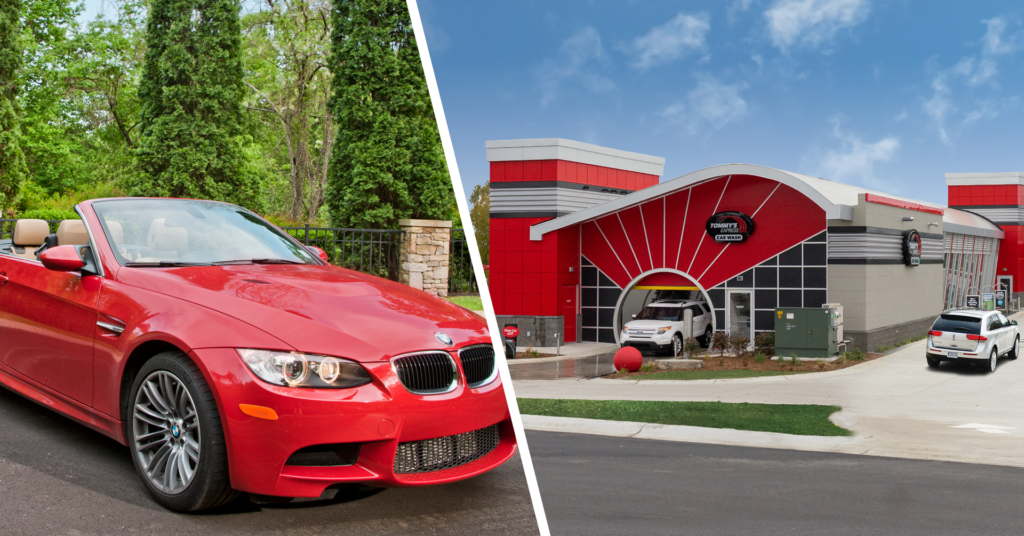
Not all car washes are the same. Understanding the differences can help you make the right decision for your soft top Jeep.
| Car Wash Type | Soft Top Safety | Common Risks |
|---|---|---|
| Touchless | Safe (with caution) | High-pressure water may cause leaks |
| Soft Cloth Brush | Moderate risk | Scratches, tears, fabric wear |
| Hard Brush | Unsafe | Severe damage, scratches, torn seams |
| Hand Wash | Safest | Minimal risk if done properly |
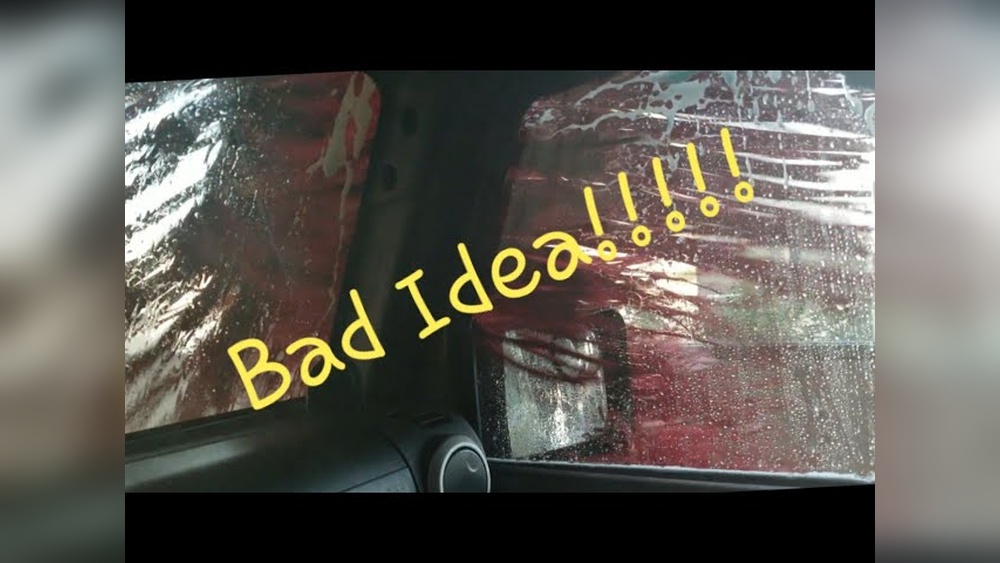
Touchless car washes use only water jets and cleaning chemicals, reducing the chance of physical damage. However, the strong water pressure can force water into seams or zippers, causing leaks. Soft cloth washes are gentler, but the spinning brushes can grab or pull at the soft top, especially if it’s old or loose.
Hard brush washes should always be avoided for soft tops.
Common Problems Owners Experience
Most Jeep owners report these issues after using automatic car washes:
- Water leaks: Water can enter through seams, windows, or zippers. If your Jeep’s seals are old or damaged, leaks are more likely.
- Fabric fading: Harsh chemicals or strong sunlight at some car washes can cause the soft top to lose color.
- Scratches or tears: Brushes, even soft ones, can scratch clear plastic windows or tear fabric.
- Mildew or mold: If water gets trapped inside the soft top, it can lead to mildew growth.
For example, a 2023 survey by Jeep forums found that nearly 30% of soft top owners experienced some form of water leak after using an automatic wash, while about 15% reported visible fabric damage.
Best Practices For Washing A Soft Top Jeep
To keep your Jeep looking good and avoid costly repairs, follow these tips:
- Choose touchless washes: If you must use an automatic wash, select a touchless option with low pressure.
- Inspect seals and zippers: Make sure all seals, zippers, and seams are in good condition before washing.
- Remove or secure accessories: Detach roof racks or ensure they’re tightly secured, as they can catch on brushes.
- Dry thoroughly: After washing, wipe down soft top surfaces and windows to prevent water spots and mildew.
- Use Jeep-approved cleaners: Avoid harsh chemicals. Stick to products made for soft tops.
Here’s a quick comparison of washing methods:
| Method | Effort | Risk Level | Recommended for Soft Tops? |
|---|---|---|---|
| Automatic (Touchless) | Low | Moderate | Yes, with caution |
| Automatic (Brush) | Low | High | No |
| Hand Wash | High | Low | Yes |

When Hand Washing Is Best
Hand washing is always safest for a soft top Jeep. Here’s a simple guide:
- Use a mild soap designed for fabric or vinyl.
- Clean with a soft sponge or microfiber cloth.
- Rinse gently with a hose—avoid high pressure.
- Dry with a clean towel to prevent water spots.
- Apply a UV protectant to keep the top from fading.
Hand washing allows you to check for small issues, like loose seams or worn zippers, before they turn into bigger problems.
What To Do If You Have A Leak
If your soft top leaks after a car wash, don’t panic. Here are steps to fix it:
- Dry the area immediately to prevent mildew.
- Inspect seams and seals for damage.
- Use Jeep-approved sealant for minor leaks.
- If the problem persists, visit a dealer or soft top specialist.
Water leaks can often be fixed quickly, but ignoring them can lead to bigger issues like mold or interior damage.
Real-world Examples
Many Jeep owners find that touchless washes are “good enough” for quick cleaning. For instance, a driver in Arizona uses touchless washes regularly and reports only minor leaks during heavy rain. Another owner in Florida prefers hand washing after a bad experience with brush damage—clear window scratches that required replacement.
Experts recommend checking your owner’s manual for specific care instructions. Jeep’s official guidelines advise avoiding automatic washes with brushes or strong jets, especially for older tops.
For more detailed advice and official recommendations, visit the Jeep website or this Jeep Care and Maintenance resource.
Frequently Asked Questions
Can I Use A Pressure Washer On My Soft Top Jeep?
It’s not recommended. Pressure washers can force water into seams, damage fabric, or scratch windows. Use a regular hose with gentle pressure instead.
How Often Should I Clean The Soft Top?
Ideally, every few weeks if you drive in dusty or muddy areas. In normal conditions, once a month is usually enough.
Will A Car Wash Void My Warranty?
Most warranties won’t be voided just by using a car wash, but damage caused by improper washing is usually not covered. Always check your warranty details.
What Should I Do If The Soft Top Gets Stained?
Use a special cleaner made for vinyl or fabric tops. Avoid bleach or harsh chemicals, as they can weaken material and cause fading.
Can I Replace The Soft Top If It’s Damaged?
Yes, soft tops are replaceable. You can buy OEM or aftermarket tops. Installation is simple for most models, but older Jeeps may require professional help.
Soft top Jeeps offer flexibility and style, but caring for them takes a bit more attention. Automatic car washes are possible, but only certain types are safe. By choosing the right wash, checking seals, and staying aware of common problems, you can keep your Jeep in top shape.
With a little extra care, your soft top will last longer and look better—no matter how often you hit the trails or the city streets.