If you own a 2004 Jeep Grand Cherokee, you know how important it is to keep your engine running smoothly. One key part of engine health is choosing the right antifreeze. Antifreeze prevents your engine from overheating in summer and freezing in winter. But there’s more to picking the right coolant than you might think. This guide explains how to choose, use, and maintain antifreeze for your Grand Cherokee, with practical tips that will help you avoid common mistakes.
Understanding Antifreeze Types
Antifreeze is a liquid added to your cooling system. For the 2004 Jeep Grand Cherokee, most owners use ethylene glycol-based coolant. This type protects against corrosion and temperature extremes.
There are two main types you’ll see:
- Green conventional coolant: Used in older vehicles. It needs to be changed every 2 years or 24,000 miles.
- HOAT (Hybrid Organic Acid Technology): Designed for Chrysler, Jeep, Dodge vehicles from the early 2000s. It lasts up to 5 years or 100,000 miles and is usually orange or yellow.
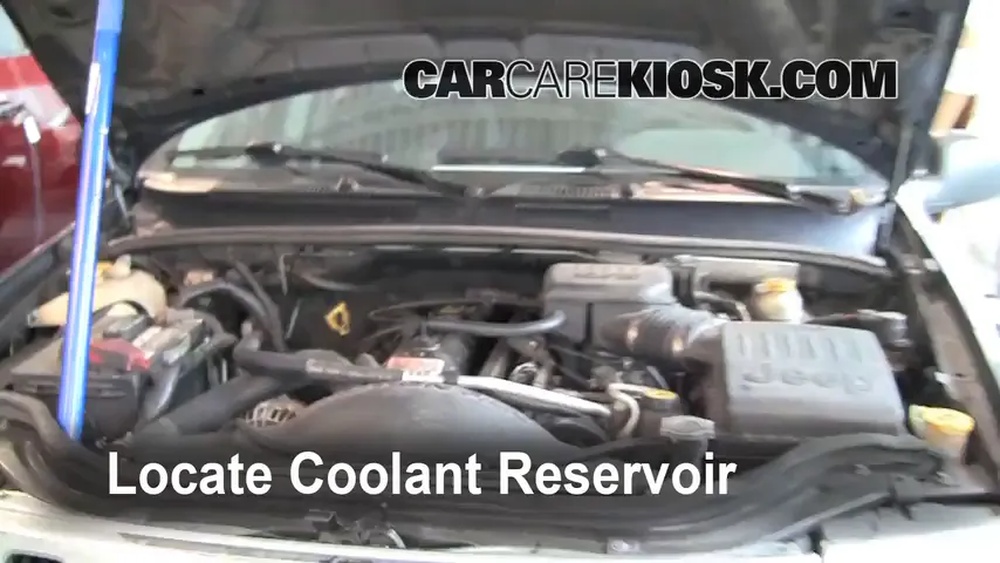
Your Jeep originally used HOAT coolant. If you mix types, you can damage your cooling system. Always check the label and match the color and type.
How Much Antifreeze Does Your Jeep Need?
The cooling system capacity for the 2004 Jeep Grand Cherokee is about 14 quarts (3.5 gallons). You should use a 50/50 mix of antifreeze and distilled water for best protection.
Here’s a quick comparison of coolant types:
| Coolant Type | Color | Service Life | Compatible? |
|---|---|---|---|
| HOAT | Orange/Yellow | 5 years / 100,000 miles | Yes |
| Green Conventional | Green | 2 years / 24,000 miles | No |
| OAT | Orange | 5 years / 150,000 miles | No |
Steps To Replace Antifreeze
Changing antifreeze is not hard, but you need to follow some steps to avoid problems.
- Wait for the engine to cool. Hot coolant can cause burns.
- Drain old coolant from the radiator. Use a drain pan.
- Flush the system with distilled water to remove residue.
- Mix new coolant (50/50 with distilled water).
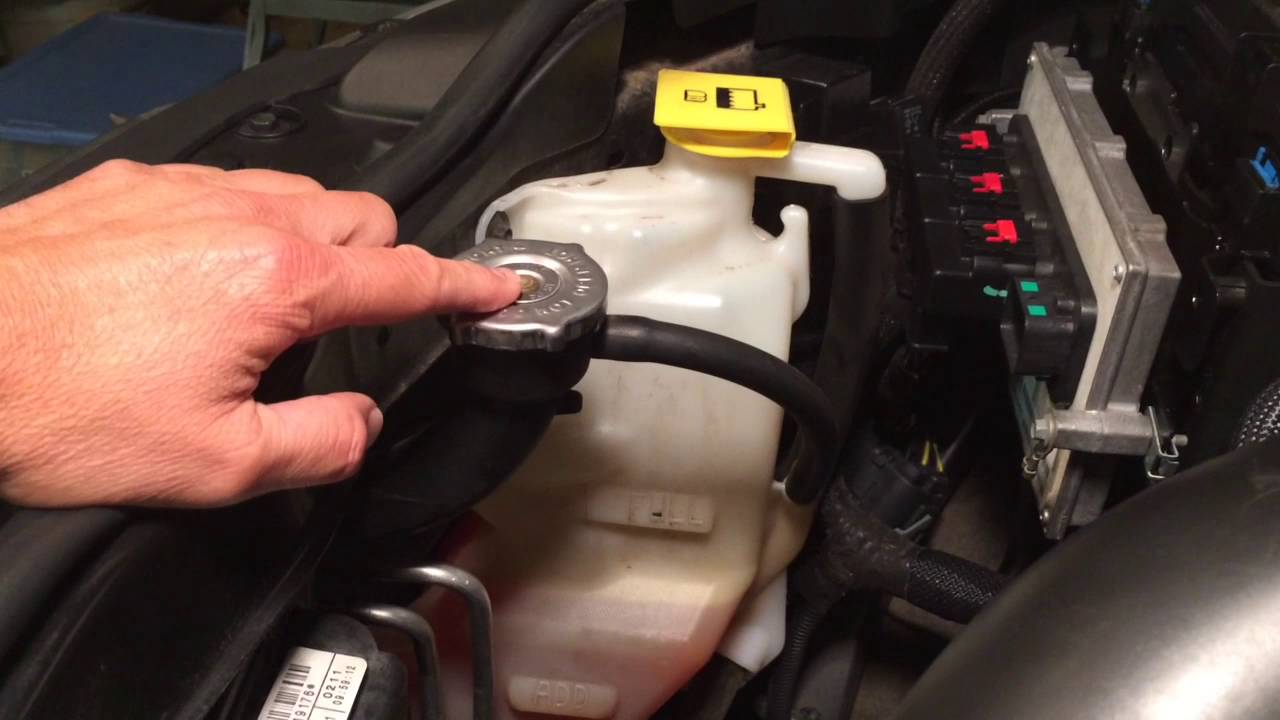
- Fill radiator and reservoir to the recommended level.
- Start engine and let it run for a few minutes. Check for leaks and add more coolant if needed.
If you’re unsure, ask a mechanic. Using the wrong coolant or not flushing properly can lead to expensive repairs.
Common Mistakes With Antifreeze
Many Jeep owners make mistakes that can harm their vehicle:
- Mixing different coolant types. This can cause sludge and blockages.
- Using tap water instead of distilled water. Tap water adds minerals that cause corrosion.
- Forgetting to change coolant regularly. Old antifreeze loses its ability to protect.
- Not checking for leaks after filling.
A less-known tip: Always check coolant hoses for softness or cracks when you change antifreeze. Weak hoses can burst under pressure.
Choosing The Right Antifreeze Brand
There are several brands that make HOAT coolant. Popular choices include Zerex G-05, Mopar HOAT, and Prestone Dex-Cool (for some OAT systems). Mopar is the official brand for Jeep, but Zerex G-05 is widely used and often cheaper.
Here’s a quick comparison:
| Brand | Type | Price (per gallon) | Availability |
|---|---|---|---|
| Mopar | HOAT | $25 | Dealerships |
| Zerex G-05 | HOAT | $18 | Auto parts stores |
| Prestone Dex-Cool | OAT | $17 | Auto parts stores |
Practical Tips For 2004 Jeep Grand Cherokee Owners
- Always use distilled water in your coolant mix. Tap water causes scaling.
- Replace coolant every 5 years or 100,000 miles, whichever comes first.
- Check the overflow reservoir monthly. Low levels can mean leaks.
- Never mix colors or types of coolant.
- If your Jeep overheats or you see rust in the system, flush it before adding new coolant.
- Dispose of old antifreeze safely. It is toxic to pets and humans.
One insight many miss: Air pockets in the cooling system can cause overheating. After filling, run the engine with the radiator cap off for a few minutes to let air escape.

Antifreeze And Engine Protection
Antifreeze does more than keep your engine cool. It also:
- Prevents corrosion inside your radiator and engine block.
- Lubricates the water pump.
- Maintains optimal temperature for engine efficiency.
- Protects from freezing in temperatures down to -34°F.
If you live in a hot climate, don’t skip antifreeze. It’s just as important for preventing overheating.
Diagnosing Coolant Problems
If you notice engine overheating, colored leaks, or a sweet smell, it could mean coolant trouble. Check for:
- Low coolant levels
- Cloudy or rusty coolant
- Leaks under the vehicle
- Steam from the radiator
It’s smart to check the coolant system twice a year—before summer and winter.
Here’s a table to help spot signs of trouble:
| Problem | Possible Cause | Solution |
|---|---|---|
| Overheating | Low coolant, air pockets | Add coolant, bleed air |
| Rusty coolant | Old coolant, tap water used | Flush system, refill with proper mix |
| Leaks | Cracked hose, loose cap | Replace hose, tighten cap |
| Sweet smell | Coolant leak | Inspect for leaks, repair |
Frequently Asked Questions
What Type Of Antifreeze Does A 2004 Jeep Grand Cherokee Use?
You need HOAT coolant—usually orange or yellow. This is best for Chrysler, Dodge, and Jeep models from early 2000s.
How Often Should I Change The Antifreeze?
Change every 5 years or 100,000 miles. If you drive in harsh conditions, check it more often.
Can I Mix Different Types Of Antifreeze?
No. Mixing HOAT with green or OAT coolants can damage your system.
What Happens If I Use Tap Water In The Coolant Mix?
Tap water causes corrosion and scaling. Always use distilled water for mixing.
Where Can I Find Official Information About Jeep Antifreeze?
Visit the official Jeep website or refer to the owner’s manual. For detailed specs, see Jeep Official Site.
Taking care of your Jeep’s cooling system is not complicated, but using the right antifreeze and following proper steps will save you from headaches and costly repairs. If you follow these tips, your 2004 Grand Cherokee will stay reliable for years to come.