Your 2018 Jeep Grand Cherokee’s check engine light just came on. What now?
You might wonder if it’s safe to keep driving or if you need to rush to a mechanic immediately. That little light on your dashboard is more than just a warning—it’s your Jeep’s way of telling you that something needs attention.
Ignoring it could lead to bigger problems and costly repairs down the road. But don’t worry. You’ll learn exactly what the check engine light means, how to quickly identify the issue, and what steps you can take right now to protect your Jeep and your wallet. Keep reading to take control of your vehicle’s health before a small problem turns into a major headache.

Check Engine Light Signals
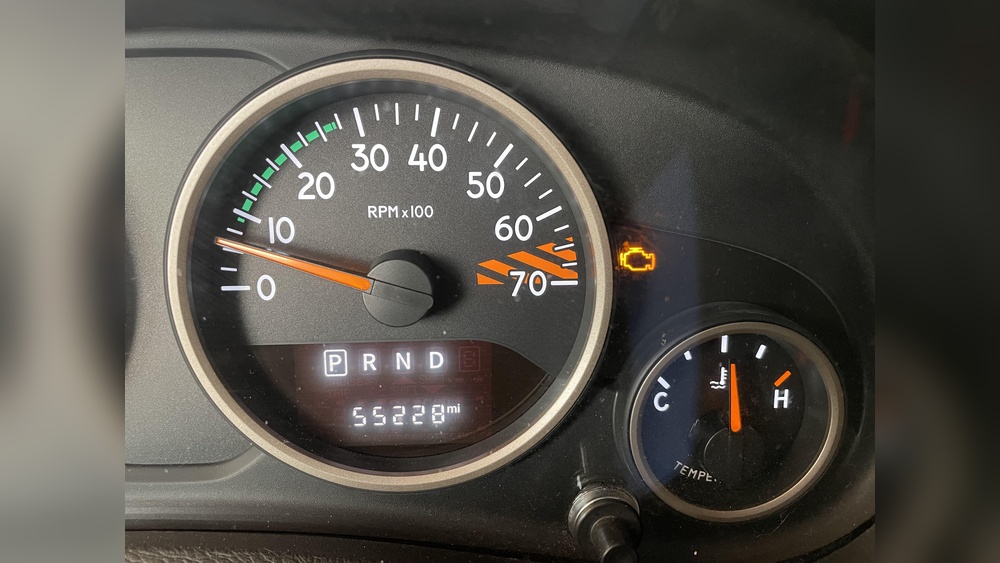
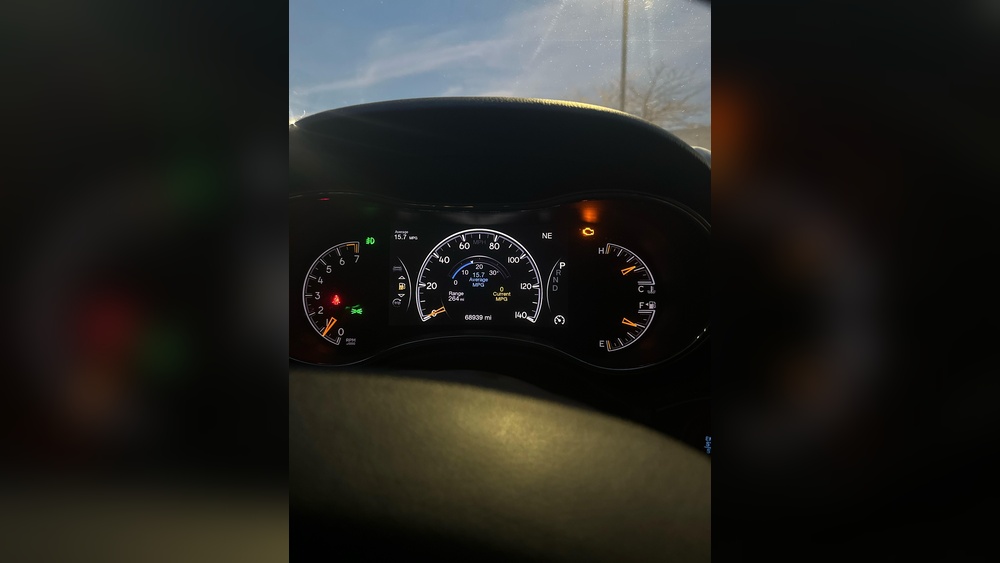
The check engine light on your 2018 Jeep Grand Cherokee is a vital alert system. It signals that the vehicle’s onboard computer has found an issue. This issue can affect the engine, transmission, or emission systems. Understanding what the check engine light means helps you respond correctly and avoid further damage.
There are different types of check engine light signals. Each type indicates a different level of urgency. Knowing these signals helps you decide if you can keep driving or need immediate service.
Steady Vs Flashing Lights
A steady check engine light means a problem exists but is not urgent. You can drive carefully to a service center for diagnosis. This light suggests a minor or moderate issue that needs attention soon.
A flashing check engine light signals a severe problem. It warns of a possible engine misfire that can cause damage. Stop driving immediately to prevent costly repairs. Have your Jeep inspected by a professional without delay.
Common Warning Indicators
Common reasons for the check engine light include a loose gas cap, faulty oxygen sensor, or bad spark plugs. These issues can reduce fuel efficiency and increase emissions. More serious problems involve the catalytic converter or mass airflow sensor.
Many times, a simple fix like tightening the gas cap can turn off the light. Other times, diagnostic tools are needed to find the exact fault. Regular maintenance and prompt checks keep your Jeep running smoothly and safely.
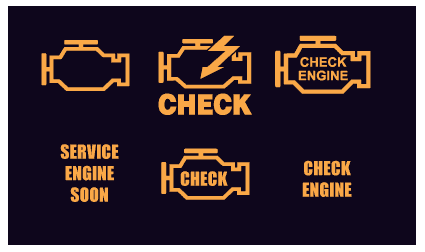
Common Causes For 2018 Jeep Grand Cherokee
The 2018 Jeep Grand Cherokee check engine light can turn on for various reasons. This warning signals a problem with the engine or emission system. Understanding common causes helps identify the issue quickly. Early detection can save time and money on repairs. Below are frequent reasons that trigger the check engine light.
Loose Or Faulty Gas Cap
A loose or damaged gas cap often causes the check engine light. It allows fuel vapors to escape, triggering an emissions error. Tightening or replacing the cap usually solves this issue fast.
Faulty Purge Control Valve
The purge control valve controls fuel vapors from the gas tank. If it malfunctions, the engine struggles to manage emissions. This problem often leads to a check engine warning.
Oxygen Sensor Issues
Oxygen sensors measure the air-fuel mix in the exhaust. A faulty sensor sends wrong data to the engine computer. This can reduce fuel efficiency and trigger the check engine light.
Catalytic Converter Problems
The catalytic converter reduces harmful emissions. If it gets clogged or damaged, the engine runs poorly. This issue often causes the check engine light to come on.
Mass Airflow Sensor Malfunction
The mass airflow sensor measures air entering the engine. A bad sensor causes rough idling and poor fuel economy. It often triggers the check engine light.
Faulty Spark Plugs Or Wires
Worn spark plugs or damaged wires cause engine misfires. This leads to poor engine performance and emissions problems. The check engine light will usually alert you to this.
Evap System Leaks
The EVAP system captures fuel vapors to prevent pollution. Leaks in this system cause fuel odor and emissions errors. The check engine light often turns on to warn of this.
Retrieving Trouble Codes
When the check engine light comes on in your 2018 Jeep Grand Cherokee, retrieving trouble codes is the first step. These codes reveal what the vehicle’s computer has detected as a problem. Understanding these codes helps decide the next actions for repair or maintenance.
There are simple ways to access these codes without professional tools. Each method offers a clear path to identify issues quickly and avoid unnecessary expenses. Below are the main techniques to retrieve trouble codes.
Using The Instrument Cluster Method
This method uses your Jeep’s dashboard to display codes. Start by inserting the key and holding down the trip reset button. Turn the ignition to the “ON” position without starting the engine. Release the trip reset button once the dashboard begins to cycle through the system.
The instrument cluster will show any stored diagnostic trouble codes as a series of numbers. Write down these codes carefully. Each number corresponds to a specific issue detected by the vehicle’s computer.
Using An Obd-ii Scanner
An OBD-II scanner is a device that plugs into your Jeep’s diagnostic port. This port is usually located under the dashboard on the driver’s side. Connect the scanner and turn on your ignition.
The scanner will communicate with your vehicle’s computer and retrieve the trouble codes. Many scanners show the code meaning on their screen. This method is faster and often more detailed than the instrument cluster.
Interpreting Trouble Codes
Once you have the trouble codes, the next step is to understand them. Trouble codes follow a standard format starting with a letter, like P for powertrain or B for body.
Each code points to a specific system or sensor problem. Use a reliable trouble code database or your scanner’s manual to find out what each code means. This helps identify if the issue is minor or needs urgent attention.
Safety And Driving Tips
Understanding safety and driving tips is vital when the check engine light of your 2018 Jeep Grand Cherokee turns on. It signals a problem that needs attention. Knowing how to react can protect you and your vehicle from further damage. This guide helps you decide when to drive cautiously and when to stop immediately.
When To Drive Cautiously
If the check engine light is steady, you can keep driving but be careful. Avoid hard acceleration and heavy loads. Watch for unusual sounds, smells, or performance changes. Plan to visit a mechanic soon. Driving gently helps prevent extra damage while you get help.
Keep the speed moderate and stay alert. Check other warning lights and gauges. If the vehicle drives smoothly, it is usually safe to continue. Use this time to find a nearby service center or safe place to stop and check the problem.
When To Stop Driving Immediately
A flashing check engine light means a serious issue. Stop driving right away to avoid engine damage. Pull over safely and turn off the engine. Do not restart until a professional checks the vehicle. Driving further may cause costly repairs or safety risks.
Also, stop if you notice smoke, burning smells, or loss of power. These signs show a critical failure. Call for roadside assistance or a tow service. Prioritize safety over convenience to protect yourself and others on the road.
Diy Fixes For Common Issues
Many drivers face the check engine light on their 2018 Jeep Grand Cherokee. This warning can point to simple issues. Some problems you can fix yourself. These fixes save time and money. They also help you learn more about your vehicle.
This section covers easy DIY fixes. Each fix targets a common cause of the check engine light. Follow these steps to handle minor problems safely and effectively.
Checking And Tightening The Gas Cap
A loose or damaged gas cap often triggers the check engine light. It can cause fuel vapors to escape, which the system detects as a leak. Start by opening the gas tank and checking the cap. Turn it clockwise until it clicks firmly. If the cap looks worn or cracked, replace it with a new one. After tightening or replacing, drive for a short distance. The light may turn off after the system resets.
Replacing The Purge Control Valve
The purge control valve controls fuel vapor flow in the emissions system. A faulty valve can cause the check engine light to come on. Locate the valve under the hood near the engine. Remove the old valve by unplugging its electrical connector and hoses. Install a new valve by reconnecting the hoses and plug. This fix helps restore proper fuel vapor control and clears the warning light.
Cleaning Or Replacing Sensors
Sensors like the oxygen sensor or mass airflow sensor affect engine performance. Dirty or failing sensors can trigger the check engine light. Use a sensor-safe cleaner spray to gently clean dirt and grime from the sensors. If cleaning does not help, replace the sensor with a new part. This step improves engine efficiency and may turn off the warning light.
When To See A Mechanic
Knowing when to see a mechanic for your 2018 Jeep Grand Cherokee’s check engine light can save you time and money. Some issues are simple and can wait, but others need immediate attention. Acting fast helps prevent more damage and keeps your vehicle safe.
Persistent Or Flashing Check Engine Light
A steady check engine light means a problem that needs a mechanic soon. A flashing light signals a serious issue. It could mean engine misfire or damage. Stop driving and get your Jeep checked right away. Ignoring a flashing light can lead to costly repairs.
Complex Engine Or Transmission Problems
Complex problems with the engine or transmission require expert diagnosis. These systems have many parts that work together. Fault codes may not reveal the full issue. Mechanics use special tools to find hidden problems. Trust a professional to fix these safely and correctly.
Preventive Maintenance Tips
Preventive maintenance helps keep your 2018 Jeep Grand Cherokee running smoothly. It reduces the chances of the check engine light turning on. Regular care saves money and avoids unexpected repairs. Follow these simple tips to maintain your vehicle’s health and performance.
Regular Engine Tune-ups
Schedule engine tune-ups at recommended intervals. Replace spark plugs and ignition components as needed. Clean fuel injectors to improve combustion. A well-tuned engine runs efficiently and emits fewer pollutants. This reduces the chance of triggering the check engine light.
Routine Sensor Inspections
Check sensors regularly, including oxygen and mass airflow sensors. Faulty sensors send wrong data to the engine control unit. This can cause poor engine performance and light warnings. Clean or replace damaged sensors promptly to avoid engine issues.
Maintaining The Evap System
The EVAP system controls fuel vapors and emissions. Inspect hoses and connections for leaks or cracks. A small leak can cause the check engine light to turn on. Fix leaks quickly to keep the system working properly and meet emission standards.
Conclusion
The 2018 Jeep Grand Cherokee’s check engine light warns you about engine or system issues. Pay attention to steady or flashing lights, as they mean different things. You can read trouble codes yourself using simple steps. Acting quickly helps prevent bigger problems and costly repairs.
Regular checks keep your Jeep running smoothly and safely. Don’t ignore the light—take action to protect your vehicle.