Driving on the highway can feel intimidating, especially for new drivers or those who struggle with anxiety behind the wheel. Fast speeds, merging lanes, and heavy traffic can make anyone nervous. However, with the right approach and preparation, you can learn to drive on the highway confidently and safely.
This article will guide you through practical steps, real-world examples, and expert advice to help you overcome your fear and become a skilled highway driver.
Preparing Yourself Before Entering The Highway
Preparation is key. Before you even turn the ignition, make sure you understand your vehicle and the highway environment.
- Know your vehicle’s controls: Familiarize yourself with the location and function of mirrors, signals, and emergency lights. Adjust your seat and mirrors for maximum visibility.
- Check your route: Use GPS or a map to plan your journey. Knowing exits, lanes, and traffic conditions reduces surprises.
- Inspect your vehicle: Check tire pressure, fuel level, and brakes. Reliable equipment boosts your confidence.
- Practice calm breathing: Simple breathing exercises can help you stay calm before and during your drive.
Here’s a comparison of preparation steps for highway versus city driving:
| Preparation Step | Highway | City |
|---|---|---|
| Route Planning | Essential for exits and merges | Useful for turns and parking |
| Vehicle Inspection | Critical due to higher speeds | Important, but less urgent |
| Mirror Adjustment | Vital for lane changes | Important for close traffic |
Mastering Highway Basics
Highway driving requires different skills than city streets. Understanding these basics makes the experience smoother.
Merging Onto The Highway
Merging is often the most stressful part for beginners. Use the on-ramp to reach the speed of traffic. Check your mirrors, signal early, and look for a safe gap. Do not stop on the ramp unless traffic is backed up.
Remember, vehicles on the highway have the right of way.
Maintaining Safe Speed And Distance
Highways have posted speed limits for a reason. In the US, average limits range from 55 to 75 mph. Driving too slowly can be as dangerous as speeding. Keep a safe following distance: experts recommend at least 3 seconds between you and the car ahead.
Here’s a quick reference for recommended following distances:
| Speed (mph) | Minimum Distance (seconds) |
|---|---|
| 55 | 3 |
| 65 | 4 |
| 75 | 5 |
Lane Discipline
Stick to the right or middle lanes if you’re not passing. Left lanes are for overtaking. Changing lanes? Always signal and check mirrors and blind spots.
Handling Common Fears And Challenges
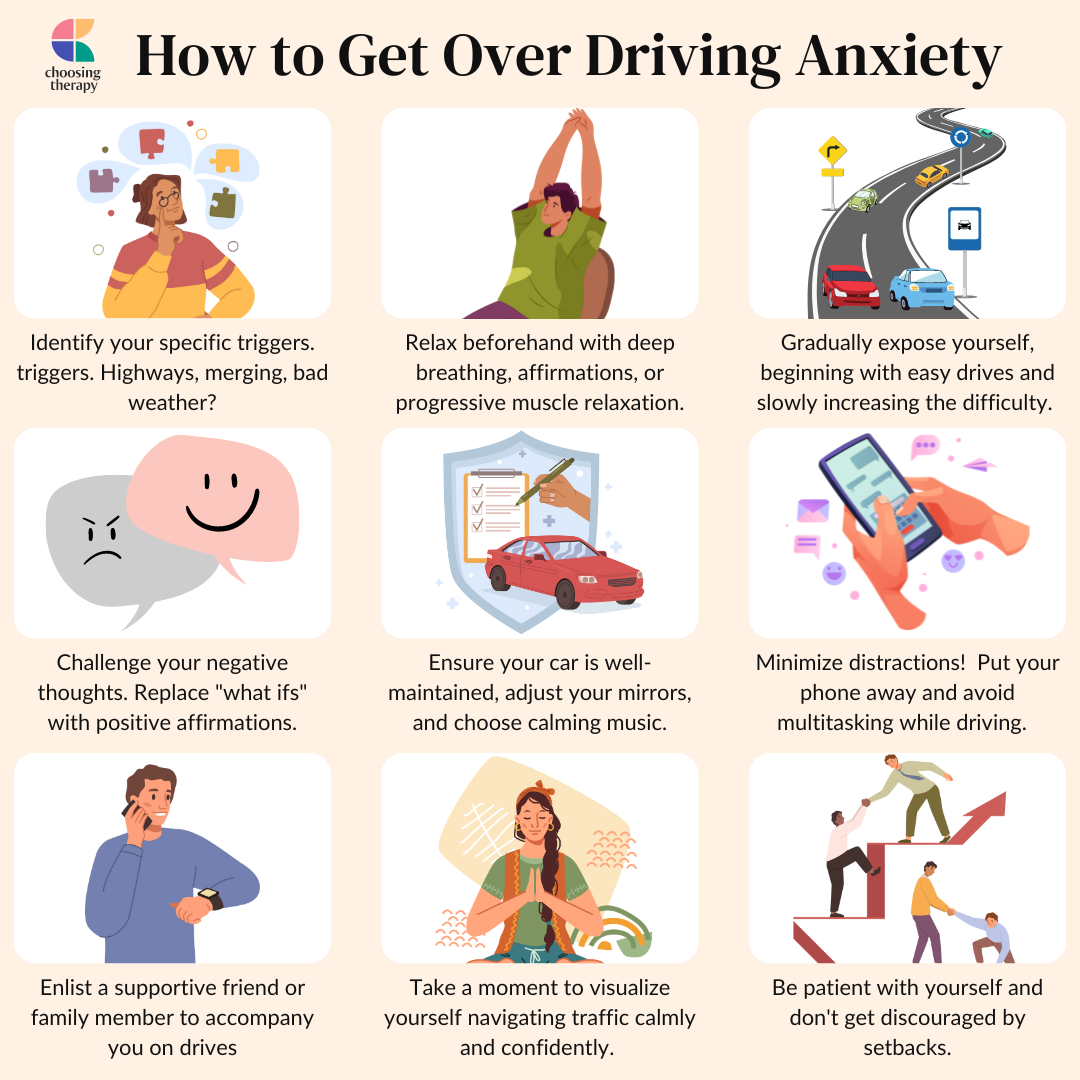
Many drivers face specific fears on the highway. Tackling these head-on can make a big difference.
Fear Of High Speeds
Speed feels scary because it reduces reaction time. Start by driving during off-peak hours when traffic is lighter. Gradually increase your speed to match traffic flow. Remember, modern cars are designed for highway speeds.
Anxiety About Lane Changes
Practice lane changes in less busy areas. Use your turn signal every time and check both mirrors and blind spots. If unsure, wait for a larger gap.
Worry About Aggressive Drivers
Stay calm and avoid competing with aggressive drivers. If someone tailgates, move to another lane. Never respond with anger. According to the National Highway Traffic Safety Administration, road rage causes thousands of accidents yearly.
Dealing With Large Vehicles
Trucks and buses can be intimidating. Keep extra distance and avoid lingering in their blind spots. When passing, do so quickly and safely.
Building Confidence Through Practice
Confidence grows with experience. Here’s a step-by-step approach:
- Start with short trips: Try a nearby highway during low traffic times.
- Bring a trusted passenger: Having someone calm beside you can help.
- Use cruise control: This helps you maintain steady speed and reduces stress.
- Review each drive: After each trip, reflect on what went well and what to improve.
Here’s a summary of confidence-building activities:
| Activity | Effectiveness | Difficulty |
|---|---|---|
| Short solo drives | High | Low |
| Passenger support | Medium | Low |
| Review and feedback | High | Medium |

Practical Tips For Stress-free Highway Driving
- Listen to calming music: This helps reduce anxiety.
- Avoid distractions: Keep your phone away. Focus on the road.
- Stay hydrated: Dehydration can increase stress and make you feel tired.
- Practice defensive driving: Anticipate other drivers’ actions and keep safe distances.
- Use rest stops: If you feel overwhelmed, pull over and take a break.
Many new drivers miss the importance of early signaling and scanning the road far ahead. These habits give you more time to react and make decisions.
Frequently Asked Questions
How Can I Stop Feeling Nervous Before Driving On The Highway?
Prepare your route, check your vehicle, and do breathing exercises. Start with short, low-traffic drives. Over time, your confidence will grow naturally.
What Should I Do If I Miss My Exit?
Do not panic or make sudden moves. Continue driving to the next exit, then safely turn around. Highways are designed for easy navigation back to your route.
How Do I Handle Merging With Heavy Traffic?
Reach traffic speed before merging, signal early, and find a safe gap. If traffic is dense, wait for a larger opening and stay calm.
Is It Safer To Drive Slower Than The Speed Limit On Highways?
Driving much slower than traffic can be dangerous. It increases the risk of collisions. Try to match the flow, keeping within posted limits.
How Can I Overcome Fear Of Large Vehicles?
Keep extra distance, avoid their blind spots, and pass quickly but safely. Remember, most truck drivers are trained professionals.
If you want more in-depth driving tips and statistics, visit National Highway Traffic Safety Administration.
Driving on the highway can become a routine skill rather than a source of fear. With preparation, practice, and calm focus, you’ll soon find yourself navigating highways with confidence and ease. Remember, every expert driver started as a beginner. Stay patient and persistent, and safe highway driving will become second nature.