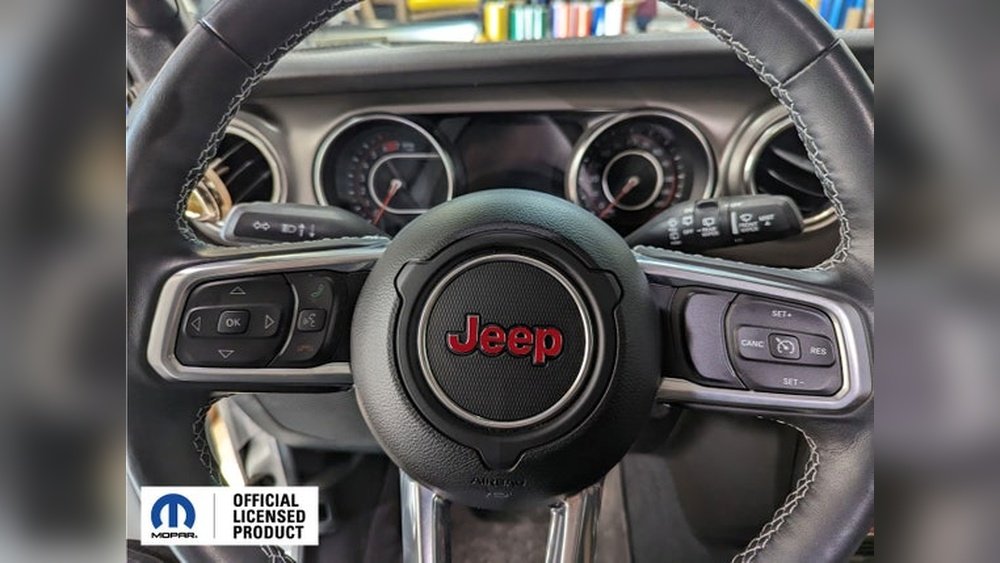
If you’ve ever seen the TPMS (Tire Pressure Monitoring System) light flicker on your Jeep Wrangler’s dashboard, you know how distracting, and sometimes worrying, it can be.
You want to make sure your tires are properly inflated and safe, but you also want that warning light to turn off once you’ve fixed the issue.
The good news? Resetting your Jeep Wrangler’s TPMS is easier than you think.
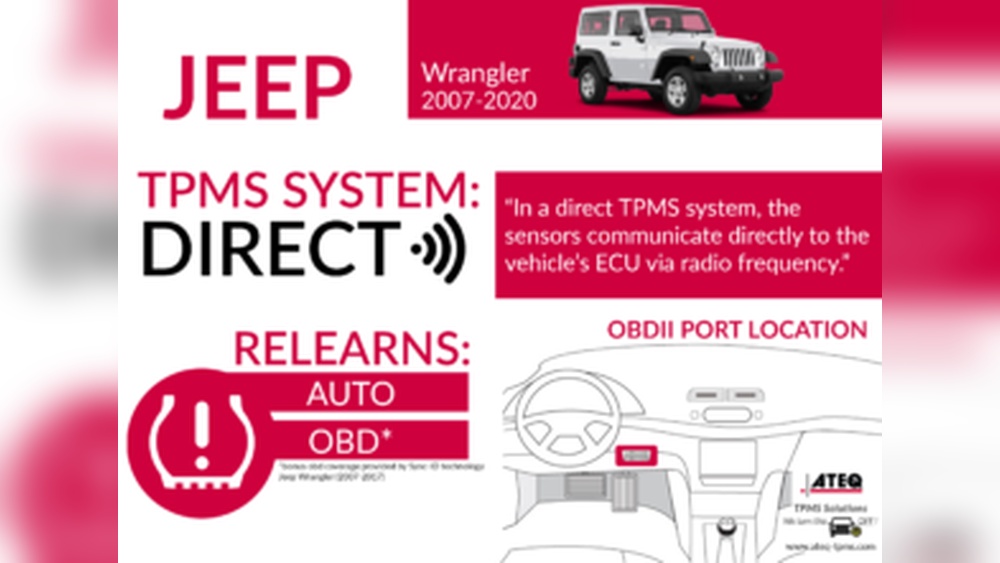
Whether you just changed a tire, adjusted the pressure, or the light won’t go off on its own, walk you through the simple steps to reset your TPMS quickly and confidently.
Keep reading to take control of your Jeep’s tire safety and get back on the road without the constant warning light.

Jeep Wrangler Tpms Basics
The Jeep Wrangler Tire Pressure Monitoring System (TPMS) helps keep your tires safe and properly inflated. It alerts you if tire pressure drops below recommended levels. Understanding the basics of TPMS is key to handling alerts and resets.
Knowing how TPMS works makes it easier to maintain your Jeep and avoid tire damage. It improves driving safety and fuel efficiency by keeping tire pressure in check.
What Tpms Does
TPMS monitors the air pressure inside each tire. Sensors in the wheels send data to your vehicle’s computer.
If pressure falls too low, the system triggers a warning light on your dashboard. This lets you act before tire damage or accidents occur.
Besides safety, TPMS helps save fuel. Properly inflated tires reduce rolling resistance.
This means your Jeep uses less gas on every trip.
Common Tpms Alerts
The most common alert is the low tire pressure warning light. It usually looks like a flat tire with an exclamation mark.
This alert means one or more tires need air.
Other alerts include sensor malfunctions or battery issues in the sensors. These cause the TPMS light to blink or stay on constantly.
These alerts mean the system needs attention or service.
Preparing To Reset Tpms
Before resetting the TPMS on your Jeep Wrangler, take a moment to prepare properly. Preparation helps ensure the process goes smoothly and your tire pressure monitoring system works accurately.
It involves checking your tire pressure and gathering the right tools. These steps reduce errors and save time during the reset.
Check Tire Pressure
Start by inspecting the tire pressure on all four tires. Use a reliable tire pressure gauge for accuracy.
Compare the readings with the recommended pressure found on the driver’s door placard. Inflate or deflate the tires to match this number exactly.
Proper tire pressure is essential for the TPMS to reset correctly.
Don’t forget to check the spare tire if your Wrangler has one. The spare’s pressure can also trigger the TPMS light if it is too low or too high.
Ensuring all tires are properly inflated prepares your vehicle for a successful reset.
Gather Necessary Tools
Collect the tools needed to reset the TPMS. You will typically need a tire pressure gauge and, in some cases, a TPMS reset tool.
The reset button is usually located under the steering wheel or in the glove box. Having a flashlight handy can help you see the button clearly in dim lighting.
Make sure your Jeep’s owner’s manual is nearby. It provides specific details on the location of the reset button and any model-specific instructions.
Being prepared with all necessary tools and information speeds up the reset process and avoids frustration.
Finding the TPMS reset button in your Jeep Wrangler is the first step to fix the tire pressure warning light. This button lets you reset the system after adjusting tire pressure.
Its location varies by model and year, but it is usually easy to reach. Knowing where to look saves time and effort.
Dashboard And Steering Column Areas
The most common spot for the TPMS reset button is near the dashboard. Check underneath the steering column, just below the steering wheel.
It may be a small, black button that blends with the panel. Sometimes, it hides near the fuse box or under the dashboard trim.
This area is the first place to inspect.
Glove Box And Other Possible Spots
If you don’t find the reset button near the steering column, try the glove box. Some Jeep models place the button inside or near the glove compartment.
Also, check around the center console or near the driver’s side door panel. The button can be tucked away in less obvious places.
Always consult your owner’s manual for exact location details.
Step-by-step Tpms Reset Process
Resetting the Tire Pressure Monitoring System (TPMS) on your Jeep Wrangler is important after adjusting tire pressures or replacing tires. The reset process clears warning lights and ensures accurate pressure readings.
This step-by-step guide explains simple ways to reset your TPMS safely and quickly.
Different Jeep Wrangler models may require different reset methods. Follow each step carefully for the best results.
This keeps your tires performing well and improves driving safety on Austin roads and beyond.
Locate the TPMS reset button under the dashboard, near the steering wheel. Turn the ignition key to the “ON” position, but do not start the engine.
Press and hold the reset button for about 10 seconds. Release when the TPMS light blinks three times. This signals the system is resetting.
Wait a few minutes for the system to update. The TPMS light should turn off if the tire pressures are correct. If not, check your tire pressures again.
Ignition Key Method
Turn the ignition key to “ON” without starting the engine. Watch the TPMS light on your dashboard.
It will stay on for about 60 to 90 seconds. After this, the light should go off automatically. This means the system has reset.
If the light remains on, turn the key off and then back on. Repeat this process up to three times.
This method works well for some Jeep Wrangler models without a reset button.
Driving To Auto-reset
Sometimes, the TPMS resets automatically after driving. Ensure all tires are inflated to the recommended pressure.
Drive your Jeep at speeds above 50 mph for about 10 to 20 minutes. The system will detect proper tire pressure and switch off the warning light.
This method is simple and does not require buttons or keys. It helps the sensors recalibrate while you enjoy your drive around Austin, Texas.
Handling Stubborn Tpms Lights
Stubborn TPMS lights on your Jeep Wrangler can be frustrating. They might stay on even after correcting tire pressure.
This section explains ways to handle these persistent warning lights. Follow the steps carefully to ensure your TPMS light resets properly and stays off.
Deflating And Reinflating Tires
One way to reset a stubborn TPMS light is by deflating and reinflating your tires. First, completely let the air out of each tire.
This helps clear any sensor errors caused by incorrect pressure readings. Next, refill the tires to the recommended pressure found on the driver’s door sticker.
This process can wake up sensors that may be stuck or inactive. After inflating the tires, drive your Jeep for a few minutes at a moderate speed.
This allows the system to recalibrate and recognize the new pressure levels.
Checking The Spare Tire Sensor
The spare tire also has a sensor that can trigger the TPMS light. Check the spare tire’s pressure and sensor status.
Inflate the spare to the correct PSI if needed. Sometimes, the sensor in the spare tire is dead or faulty, causing the warning light to stay on.
Replace the spare tire sensor if it is not working properly. This step often resolves stubborn TPMS light issues.
Keep in mind, a fully functional spare sensor is important for the TPMS system to work correctly.
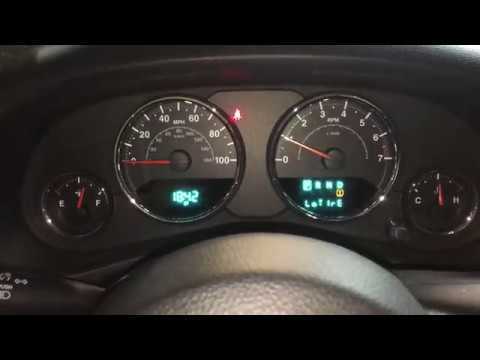
Diagnosing Tpms Sensor Issues
Diagnosing TPMS sensor issues is vital for your Jeep Wrangler’s safety. The Tire Pressure Monitoring System warns you about low tire pressure.
Sometimes, the system may give false alerts or fail to work properly. Understanding how to identify sensor problems helps avoid unnecessary trips to the mechanic.
TPMS sensors are small devices inside your tires. They monitor pressure and send signals to your vehicle’s computer.
Problems usually arise from sensor battery failure or damaged sensors. Detecting these issues early keeps your system reliable and ensures accurate readings.
Sensor Battery Failure
TPMS sensors run on small batteries. These batteries last about 5 to 10 years.
When the battery dies, the sensor stops sending signals. The TPMS light on your dashboard may flash or stay on constantly.
A dead battery is the most common cause of sensor failure.
Replacing the battery inside the sensor is often not possible. Most sensors come sealed with non-replaceable batteries.
When the battery fails, you must replace the entire sensor. Some Jeep models may allow battery replacement, but it is rare.
Replacing Faulty Sensors
Faulty sensors cause incorrect tire pressure readings. They may give warnings even when tires are fine.
Replacing these sensors restores proper system function. Sensors should match your Jeep Wrangler’s model and year.
To replace a sensor, remove the tire from the rim. Then take out the old sensor carefully.
Install the new sensor and reassemble the tire. After installation, reset the TPMS system to sync the new sensor.
Always check sensor compatibility before buying replacements. Using the wrong sensor can cause system errors.
Professional help is recommended for sensor replacement and reset. Regular maintenance of sensors extends their life and keeps your Jeep safe.
Tips To Prevent Future Tpms Problems
Preventing future problems with your Jeep Wrangler’s Tire Pressure Monitoring System (TPMS) saves time and effort. Simple habits help keep your TPMS sensors working well.
Follow these tips for better tire pressure management and fewer warning lights.
Regular Tire Maintenance
Check your tires often for signs of wear or damage. Replace tires that have uneven tread or cracks.
Rotate tires regularly to promote even wear. This helps sensors send accurate pressure readings.
Clean the valve stems to avoid dirt buildup. Dirt can block sensor signals and cause errors.
Seasonal Pressure Checks
Check tire pressure with each season change. Cold weather causes pressure to drop, while heat can raise it.
Use a reliable pressure gauge for accuracy. Inflate tires to the recommended PSI found on the driver’s door.
Adjust pressure before long trips to ensure safe driving. This practice prevents false TPMS alerts and extends tire life.

Additional Resources For Jeep Owners
Jeep owners can find extra help beyond basic guides. These resources offer detailed advice and community support.
They make the TPMS reset process easier and more reliable. Accessing the right information saves time and avoids frustration.
Jeep Owner Support
Jeep’s official support team provides trusted information. They answer questions about TPMS and other vehicle issues.
Jeep’s website includes user manuals and troubleshooting guides. Owners can contact support by phone or email. This direct help ensures accurate, model-specific advice.
Online Forums And Videos
Online forums gather Jeep enthusiasts who share tips and experiences. Forums like JeepForum.com have dedicated sections for Wrangler TPMS problems.
Users post step-by-step instructions and fixes that worked for them. Video tutorials on YouTube visually demonstrate the reset process.
Watching these videos helps owners follow each step with confidence.
Conclusion
Resetting your Jeep Wrangler TPMS is simple and saves you from worry. Keep your tires at the right pressure to avoid warning lights.
Use the reset button after inflating tires to the correct PSI. Check the spare tire too, as it affects the system.
If the light stays on, sensors might need a look or replacement. Regular checks keep your Jeep safe and your drives smooth.
Stay confident on the road with a well-maintained TPMS system.