The Wood Paneled Jeep Grand Wagoneer is more than just a vehicle; it’s a symbol of a bygone era, a statement of rugged luxury, and a cherished piece of automotive history.
For many, the iconic wood grain siding evokes images of family road trips, adventurous escapes, and a time when SUVs were built with a distinct character and a touch of elegance. The Grand Wagoneer, particularly the first generation produced from 1963 to 1991, is the definitive example of this aesthetic.
Its blend of off-road capability and upscale appointments, famously accented by simulated wood paneling, set it apart from anything else on the road.
This article will explore the enduring appeal of the wood-paneled Jeep Grand Wagoneer. We’ll look at its history, its design, what makes it so special to collectors and enthusiasts, and what to consider if you’re thinking about owning one today.
We’ll cover everything from its original purpose to its current status as a sought-after classic, ensuring you get a complete picture of this unique automotive icon.
The Birth Of An Icon: Wagoneer’s Genesis
The story of the wood-paneled Grand Wagoneer begins with its predecessor, the Jeep Wagoneer (SJ), introduced in 1963. Jeep, a brand synonymous with ruggedness and military heritage, sought to create a vehicle that offered the utility of a 4×4 with the comfort and style of a station wagon.
This was a revolutionary concept for its time. Before the Wagoneer, SUVs were largely utilitarian machines, focused on off-road prowess with little regard for passenger comfort or interior appointments.
Willis E. "Willy" Van Orden, a designer at Brooks Stevens, is often credited with the initial design inspiration, aiming for a blend of station wagon practicality and Jeep's go-anywhere capability.
The early Wagoneers were sophisticated for their era, featuring independent front suspension, available air conditioning, and automatic transmissions.
However, it was the addition of simulated woodgrain exterior trim, often referred to as “woodie” panels, that truly defined its unique identity and cemented its place in automotive culture. This styling cue, borrowed from the popular woody station wagons of the 1940s and 50s, gave the Wagoneer a distinctive, upscale appearance that appealed to families and outdoor enthusiasts alike.
The Grand Wagoneer, introduced in 1984 as a more luxurious trim level of the SJ platform, took this concept even further. It featured a more powerful V8 engine, upgraded interior materials like leather seating, and more standard features, solidifying its position as a premium SUV.
The wood paneling became even more prominent and refined, often featuring a richer, darker grain pattern that exuded an air of sophistication and classic American style.
Design And Features: The Allure Of Wood And Steel
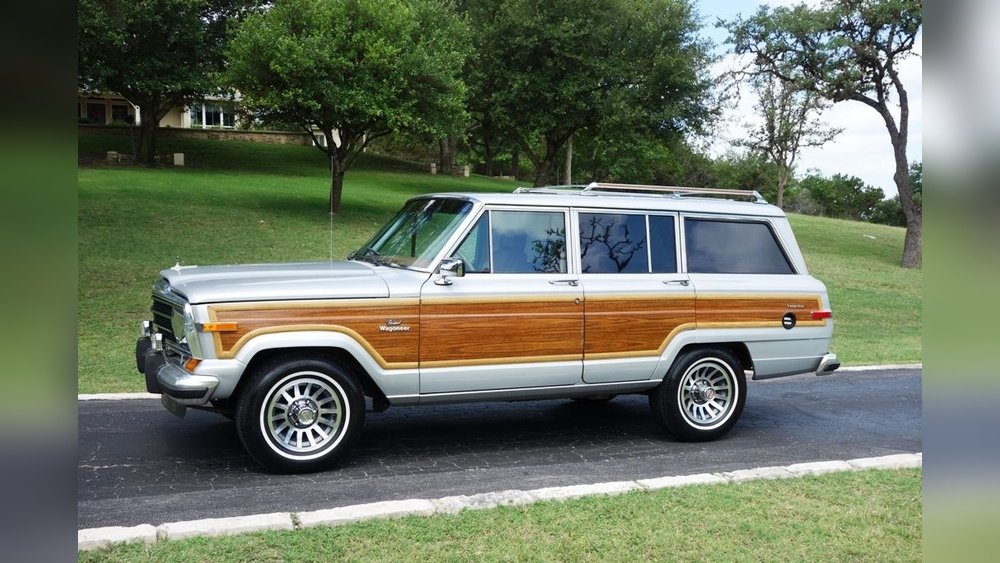
The exterior design of the wood-paneled Jeep Grand Wagoneer is instantly recognizable. The combination of its boxy, yet elegant, body lines with the distinctive simulated wood paneling created a look that was both robust and refined. The woodgrain, typically a vinyl appliqué, was strategically placed on the lower body sides and tailgate, bordered by chrome or polished aluminum trim. This design choice served multiple purposes: it broke up the large expanse of metal, added a touch of warmth and natural texture, and visually linked the vehicle to the popular station wagon aesthetic of the time.
Inside, the Grand Wagoneer continued the theme of comfortable luxury. Early models offered bench seats, but later Grand Wagoneers featured plush, individual front seats, often upholstered in leather.
The dashboard was typically adorned with woodgrain accents and a full array of gauges, providing a premium feel.
Features like power windows, power locks, tilt steering wheel, and a premium sound system were available or standard, positioning the Grand Wagoneer as a comfortable cruiser for long journeys, not just a rough-and-tumble off-roader.
Under the hood, the Grand Wagoneer was powered by a series of V8 engines, most notably the 360 cubic inch (5. 9L) V8.
This engine provided ample power for towing and highway cruising, reinforcing its role as a capable family vehicle.
Paired with a robust four-wheel-drive system, the Grand Wagoneer could handle challenging terrain, making it a versatile choice for those who enjoyed outdoor activities.
Key Design Elements:
- Simulated Woodgrain Panels: The most defining feature, these vinyl appliqués offered a touch of classic station wagon styling.
- Chrome Accents: Polished chrome trim around the windows, grille, bumpers, and wood panels added a premium gleam.
- Boxy Silhouette: The classic SUV shape was functional and imposing, providing ample interior space.
- Spacious Interior: Comfortable seating, often in leather, and a well-appointed dashboard with woodgrain trim.
- V8 Engine Power: Provided robust performance for daily driving and towing.
- Four-Wheel Drive: Jeep’s legendary 4×4 system ensured capability in various conditions.
The combination of these elements created a vehicle that was both a capable utility vehicle and a comfortable, stylish family car. It was a masterstroke in marketing and design, appealing to a demographic that wanted the best of both worlds.

The Evolution Of The Wagoneer Lineage
The Jeep Wagoneer SJ platform, which included the Grand Wagoneer, had an exceptionally long production run, spanning nearly three decades from 1963 to 1991. This longevity is a testament to its enduring appeal and its solid engineering.
While the core design remained relatively consistent, there were significant updates and refinements over the years, particularly with the introduction of the Grand Wagoneer trim.
The original Wagoneer (1963-1983) was available in various trims, but the introduction of the Grand Wagoneer in 1984 marked a significant elevation in luxury and features. This new top-tier model was designed to compete with luxury imports and domestic SUVs like the Range Rover and the Lincoln Navigator (though the Navigator came later). The Grand Wagoneer received a more powerful 5.9L V8 engine, a more comfortable interior with leather seats, and a higher level of standard equipment. The wood paneling also became more refined during this period, often featuring a deeper, more realistic grain.
Key Milestones:
- 1963: Introduction of the Jeep Wagoneer (SJ).
- 1970: Facelift with a new grille and interior updates.
- 1971: Introduction of the 401 cubic inch (6.6L) V8 engine option.
- 1974: Significant interior redesign and improved safety features.
- 1981: Major exterior facelift with new grille, bumpers, and an updated interior.
- 1984: Introduction of the Grand Wagoneer trim, offering enhanced luxury.
- 1987: Carburetor replaced with electronic fuel injection for improved efficiency and performance.
- 1991: Final model year for the original SJ Wagoneer and Grand Wagoneer.
The discontinuation of the SJ Grand Wagoneer in 1991 marked the end of an era. While Jeep later introduced the Grand Cherokee and a new Wagoneer nameplate in subsequent years, none captured the unique spirit and iconic aesthetic of the original SJ with its signature wood paneling quite in the same way.
The SJ Grand Wagoneer remains the definitive representation of this classic design.
Why The Wood Paneled Wagoneer Endures: Collector Appeal
The wood-paneled Jeep Grand Wagoneer has transitioned from a family hauler to a highly desirable collector’s item. Several factors contribute to its enduring appeal among enthusiasts and collectors:
- Nostalgia: For many, the woodie Wagoneer evokes powerful memories of childhood road trips, family vacations, and a simpler time. This emotional connection drives a significant portion of its desirability. The visual cue of the wood grain is deeply ingrained in the automotive consciousness of a generation.
- Unique Styling: In a world of increasingly homogenous SUV designs, the Grand Wagoneer stands out. Its combination of rugged capability and classic, almost sophisticated, styling is unmatched. The wood paneling, while sometimes criticized in its time, is now seen as a charming and distinctive design element that sets it apart.
- Off-Road Heritage: It’s still a Jeep. Beneath the wood trim and plush interior lies the DNA of a vehicle built for adventure. Its robust four-wheel-drive system and solid construction mean these vehicles can still handle challenging conditions, making them attractive to those who want a classic vehicle they can actually use.
- Luxury and Comfort: Compared to other 4x4s of its era, the Grand Wagoneer offered a level of luxury and comfort that was exceptional. Leather seats, a quiet ride, and a host of amenities made it a pleasure to drive, a trait that still appeals to buyers looking for a comfortable classic.
- Investment Potential: While not all classic cars are investments, well-maintained examples of the SJ Grand Wagoneer have seen a steady increase in value. Their rarity, iconic status, and dedicated following contribute to their appreciating market. Clean, low-mileage examples, especially those with original woodgrain in good condition, are particularly sought after.
The market for these vehicles has solidified over the past decade. Enthusiasts often spend significant time and money restoring them to their former glory, or even improving upon them with modern mechanicals while retaining the classic aesthetic.
This dedication further cements the Grand Wagoneer's status as a collectible icon.

Owning A Wood Paneled Grand Wagoneer Today: What To Know
If the idea of owning a piece of automotive history like a wood-paneled Jeep Grand Wagoneer appeals to you, there are several important considerations. These vehicles are over 30 years old, and while they were built tough, they require specific attention.
Mechanical Considerations:
The 5.9L V8 engine is generally reliable, but like any older engine, it requires diligent maintenance. Common issues can include oil leaks, cooling system problems (especially with older radiators and hoses), and wear on components like the carburetor or fuel injection system. The 4WD system is robust, but check for wear in U-joints, differentials, and the transfer case.
Transmission issues can also arise. The automatic transmissions used in these vehicles are generally durable but can suffer from wear, especially if maintenance has been neglected.
Check for smooth shifting and any signs of slippage.
Body And Woodgrain Condition:
The simulated woodgrain panels are a major aesthetic feature, but they are also susceptible to damage and degradation. Vinyl can peel, fade, crack, or bubble due to sun exposure and age.
Replacing the woodgrain is possible, but it can be an expensive and time-consuming process to do it correctly and maintain the authentic look.
Rust is another significant concern for any vehicle of this vintage, especially one that may have been used in varied climates or off-road. Pay close attention to the frame rails, rocker panels, wheel wells, and floor pans. The tailgate area, often featuring woodgrain, can also be prone to rust. Thorough inspection is crucial.
Interior Wear:
The plush interiors, often featuring leather, can show signs of wear. Leather can crack or tear, headliners can sag, and dashboard plastics can become brittle.
While many parts are available through the aftermarket or specialist suppliers, restoring an interior to pristine condition can be costly.
Maintenance And Parts:
Finding parts for an SJ Grand Wagoneer is generally easier than for some other classic vehicles due to its long production run and shared components with other Jeep models. However, some specific trim pieces or interior components might be harder to source.
A strong community of enthusiasts and specialized repair shops exist, which can be invaluable resources.
Pro Tip: When inspecting a potential purchase, look for a vehicle that has been well-maintained and preferably restored by someone knowledgeable about these specific Jeeps. Documentation of maintenance history can be a huge plus.
Top 5 Things To Check Before Buying A Wood Paneled Grand Wagoneer
When looking to purchase a wood-paneled Jeep Grand Wagoneer, a thorough inspection is paramount. Here are five critical areas to focus on:
- Rust: This is the number one enemy of these vehicles. Inspect the frame, rocker panels, wheel arches, door bottoms, and the area around the rear bumper and tailgate very carefully. Surface rust might be cosmetic, but structural rust can quickly turn a dream purchase into a money pit. Tap on suspect areas with a rubber mallet; a hollow sound can indicate rust-through.
- Woodgrain Condition: The iconic wood panels are often the first thing people notice, and their condition significantly impacts the vehicle’s appearance and value. Check for peeling, bubbling, cracking, or fading. Replacing this vinyl appliqué can be a complex and costly job, so prioritize vehicles where it’s in good shape or has been professionally replaced.
- Engine and Drivetrain: Listen to the engine run. It should start relatively easily and idle smoothly. Look for excessive smoke from the exhaust (blue smoke indicates oil burning, white smoke could be coolant). Check for oil leaks around the engine and transmission. Test the 4WD system to ensure it engages properly and that there are no grinding noises.
- Suspension and Steering: Drive the vehicle on different road surfaces. Listen for clunks or rattles from the suspension. The steering should feel reasonably tight, without excessive play or wandering. Check the tires for even wear, which can indicate alignment issues.
- Electrical System: Older vehicles often have gremlins in their electrical systems. Test all lights, turn signals, wipers, power windows, power locks, radio, and HVAC system. Electrical issues can be notoriously difficult and expensive to diagnose and repair.
A pre-purchase inspection by a mechanic experienced with vintage Jeeps is highly recommended. They can identify potential problems that a casual observer might miss.

The Woodie Wagoneer In Popular Culture
The wood-paneled Jeep Grand Wagoneer isn’t just a vehicle; it’s a cultural icon. Its distinctive appearance has made it a memorable presence in movies, television shows, and advertisements, often symbolizing a certain lifestyle or era.
It became synonymous with affluent suburban families, adventure-seeking outdoorsmen, and even as a vehicle of choice for characters needing to project an image of ruggedness and success. Its presence often adds a touch of nostalgic Americana to any scene.
For instance, the Wagoneer was famously featured in the opening credits of the 1980s sitcom *The Cosby Show*, reinforcing its image as a comfortable, capable family vehicle. It has also appeared in numerous films, often portraying a character’s status or their connection to the outdoors.
This media presence has undoubtedly contributed to its lasting appeal and its place in the collective automotive memory. The visual of the woodgrain siding is so strong that it instantly transports viewers back to a specific time and aesthetic.