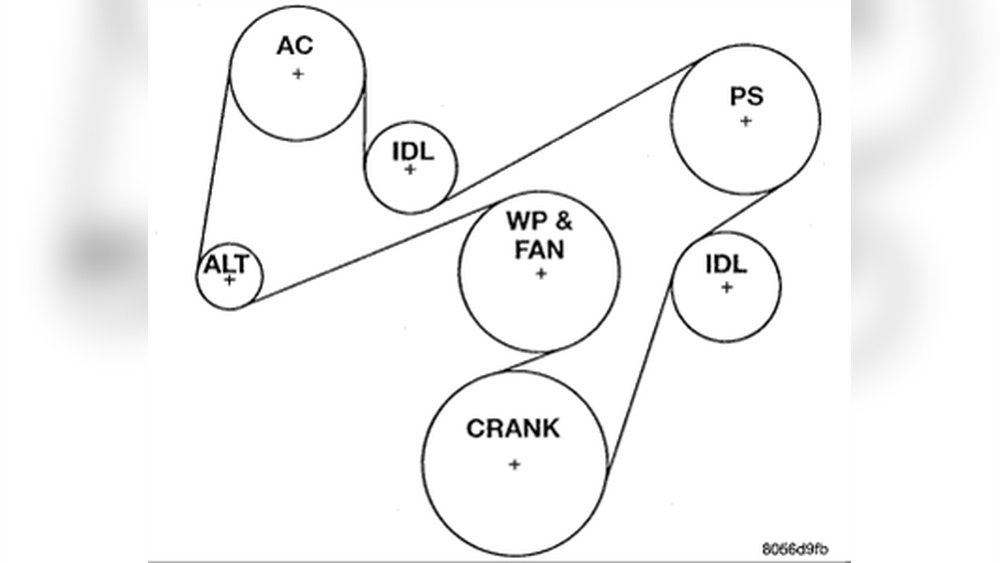
If you’re considering a Jeep Renegade as your next car, you’re probably wondering: How reliable are Jeep Renegades? Reliability is one of the most important things to think about when buying any vehicle.
You want a car that starts every morning, doesn’t break down often, and won’t cost a fortune to repair. The Jeep Renegade is a popular compact SUV, known for its bold look and off-road ability.
But does it hold up well over time? you’ll find clear answers based on real data, owner reviews, expert opinions, and practical tips.

By the end, you’ll know if a Jeep Renegade is a dependable choice for you.
Jeep Renegade Reliability: What The Numbers Say
The main keyword, Jeep Renegade reliability, is often measured by looking at expert ratings, owner surveys, and repair statistics. Here’s a quick look at the most recent data:
- J.D. Power rates the Jeep Renegade’s reliability at around 77 out of 100, which is considered average.
- Consumer Reports scores vary by year, but recent models (2020-2023) tend to get reliability ratings between 3 and 4 out of 5.
- According to RepairPal, the Jeep Renegade gets a 3.5 out of 5 reliability rating, placing it in the middle of the compact SUV segment.
Let’s compare the Jeep Renegade’s reliability to other popular compact SUVs:
| Model | Reliability Score (RepairPal) | Annual Repair Cost |
|---|---|---|
| Jeep Renegade | 3.5/5 | $498 |
| Honda CR-V | 4.5/5 | $407 |
| Toyota RAV4 | 4.0/5 | $429 |
| Subaru Crosstrek | 4.0/5 | $486 |
While the Jeep Renegade isn’t at the top of the list, it doesn’t fall far behind other compact SUVs. Repair costs are slightly higher than Toyota or Honda, but not extreme.
Common Problems And Issues
All cars have some common trouble spots. Here are the issues most often reported with the Jeep Renegade:
- Transmission Problems: Some owners report rough shifting or transmission failure, especially in earlier models (2015-2017).
- Electrical Issues: Problems like faulty sensors, radio glitches, or dashboard lights are mentioned in owner forums.
- Engine Stalling: A few drivers experienced sudden engine shut-off, often linked to bad sensors.
- Check Engine Light: This comes on often, sometimes for minor issues like loose gas caps or more serious sensor failures.
Not all Renegades have these problems. Newer models (2020 and up) show fewer complaints, thanks to improvements in manufacturing and quality control.
How Often Do These Issues Happen?
According to the National Highway Traffic Safety Administration (NHTSA), about 8% of Renegade owners report a major issue in the first three years. For comparison, the average for compact SUVs is 6%. This means the Jeep Renegade has a slightly higher chance of problems, but not by much.

Maintenance Costs And Ownership Experience
When choosing any car, cost is important. Here’s what you can expect:
- Average yearly maintenance cost: About $498. This includes oil changes, brake pads, and minor repairs.
- Warranty coverage: Most new Renegades come with a 3-year/36,000-mile basic warranty and a 5-year/60,000-mile powertrain warranty.
- Parts availability: Since Jeep is a well-known brand, parts for the Renegade are easy to find in the US.
Let’s see how the Jeep Renegade compares to other SUVs for total ownership cost over five years:
| Model | 5-Year Maintenance Cost | 5-Year Repair Cost | Warranty |
|---|---|---|---|
| Jeep Renegade | $2,490 | $1,250 | 3yr/36k, 5yr/60k |
| Honda CR-V | $2,035 | $1,030 | 3yr/36k, 5yr/60k |
| Toyota RAV4 | $2,145 | $1,075 | 3yr/36k, 5yr/60k |
| Subaru Crosstrek | $2,430 | $1,120 | 3yr/36k, 5yr/60k |
The Renegade’s costs are in line with other popular options. There’s no major surprise here, but it’s important to budget a little more for repairs compared to Honda or Toyota.
Owner Reviews: Real Experiences
Let’s look at what real Jeep Renegade owners say about their cars. Online forums, review sites, and social media give us a clear picture.
- Many owners love the off-road capability. The Renegade handles rough terrain, snow, and mud better than most compact SUVs.
- Drivers mention the unique styling and fun driving experience. It’s not just another boring SUV.
- Some report frustration with reliability. They mention small but annoying issues like warning lights, minor leaks, or electronics glitches.
- Most agree that regular maintenance helps prevent bigger problems. Skipping oil changes or ignoring warning lights leads to trouble.
Here are two non-obvious insights from owner feedback:
- Weather Affects Reliability: Owners in cold climates report more battery and electrical issues, while those in warmer areas see fewer problems. The Renegade’s electrical system is sensitive to extreme cold.
- Trim Level Matters: Higher trims (Limited, Trailhawk) have more electronics, which means a higher chance of electrical issues. The base model has fewer problems.
Pros And Cons Of Jeep Renegade Reliability
Every car has strengths and weaknesses. Here are the most important ones for the Jeep Renegade:
Pros:
- Good off-road performance, better than most in its class
- Unique style and strong community support
- Decent warranty and easy-to-find parts
- Improved reliability in newer models
Cons:
- Slightly above-average chance of minor issues
- Transmission and electrical problems, especially in older models
- Higher repair costs than some rivals
- Sensitive to extreme weather, especially cold
How To Improve Jeep Renegade Reliability
If you own a Jeep Renegade, or plan to buy one, you can take simple steps to avoid problems:
- Follow the maintenance schedule. Don’t skip oil changes, air filter replacements, or tire rotations.
- Check recalls. Jeep has issued several recalls for the Renegade, including for the transmission and electrical system. Visit the official site to check your VIN.
- Use quality parts. Cheap parts can cause more problems. Stick to OEM (original) parts when possible.
- Protect electronics. If you live in cold areas, use a battery heater and park indoors when possible.
Here’s a practical example: If your check engine light comes on, don’t ignore it. Many Renegade owners report that fixing small issues quickly prevents bigger, more expensive repairs later.
Is The Jeep Renegade Reliable For Long-term Ownership?
If you want a car for more than five years, reliability matters even more. The Jeep Renegade can last 150,000 to 200,000 miles with proper care. That’s similar to other compact SUVs. However, older models (2015-2017) tend to have more issues after 80,000 miles.
Here’s a quick comparison of expected lifespan:
| Model | Expected Lifespan (Miles) | Major Issues After |
|---|---|---|
| Jeep Renegade | 150,000-200,000 | 80,000 |
| Honda CR-V | 200,000-250,000 | 100,000 |
| Toyota RAV4 | 200,000-250,000 | 110,000 |
| Subaru Crosstrek | 180,000-220,000 | 90,000 |
If you plan to keep your Renegade for a long time, regular maintenance and quick fixes are extra important.
Jeep Renegade Reliability By Year
Some model years are better than others. Here’s a quick summary:
- 2015-2017: More reliability issues, especially with transmission and electronics.
- 2018-2019: Improvements, fewer complaints, but some sensor problems.
- 2020-2023: Most reliable, thanks to updated parts and better build quality.
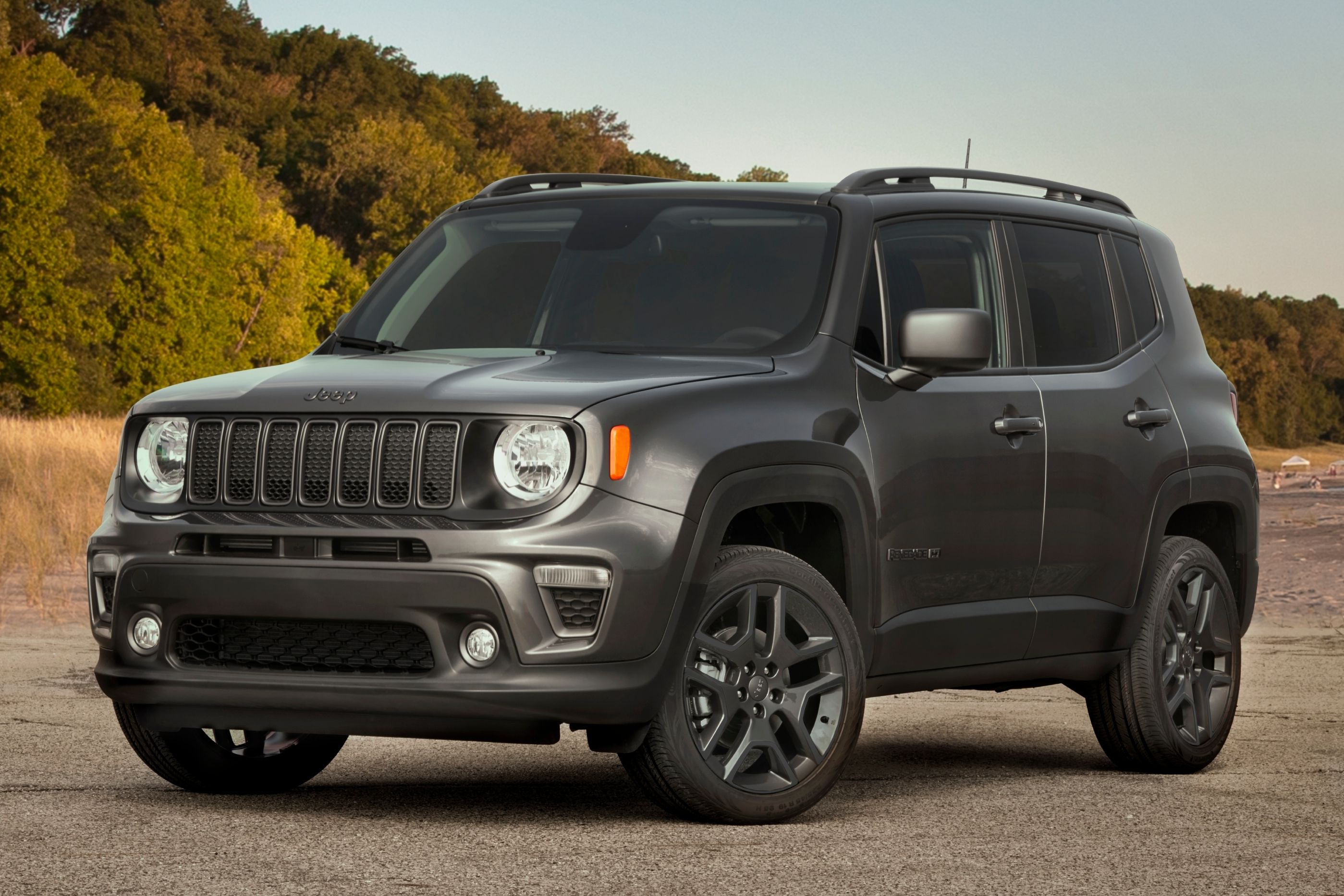
If you’re buying used, aim for 2018 or newer. Avoid early models unless you have service records.
Jeep Renegade In The Real World: Practical Tips
If you use your Jeep Renegade for city driving, it's reliable enough for daily use. The size is easy to park, and the ride is comfortable.
For off-road or rough weather, the Renegade shines compared to other compact SUVs.
practical tips for keeping your Renegade reliable:
- Keep tire pressure correct. Low pressure causes wear and affects handling.
- Check fluid levels monthly. Transmission, coolant, and oil are key.
- Update software. Jeep offers updates for infotainment and electronics. Visit a dealer every year for updates.
- Store service records. Keep track of repairs and maintenance. This helps with resale and warranty claims.
Should You Buy A Jeep Renegade?
The Jeep Renegade is a good fit for drivers who want off-road ability, unique style, and a fun driving experience. Reliability is average, but not poor. If you follow maintenance rules and choose a newer model, you’ll likely have a positive experience.
If you want maximum reliability and lowest repair costs, models like the Honda CR-V or Toyota RAV4 are better. But the Renegade offers more personality and off-road talent.
For official data and recalls, check the National Highway Traffic Safety Administration.
<!– wp:rank-math/faq-block {"questions":[{"id":"faq-question-a1068a775a54","title":"Is The Jeep Renegade Reliable For Daily Driving?","content":"
Yes, the Jeep Renegade is reliable for daily driving, especially newer models (2020 and up). Regular maintenance and quick repairs help avoid most problems.
“,”visible”:true},{“id”:”faq-question-2b7c6313e21e”,”title”:”What Are The Most Common Jeep Renegade Problems?”,”content”:”The most common issues are transmission problems, electrical glitches, and check engine lights. Older models (2015-2017) have more complaints.
“,”visible”:true},{“id”:”faq-question-c5f101b07c17″,”title”:”How Much Does It Cost To Maintain A Jeep Renegade?”,”content”:”On average, it costs $498 per year for maintenance. This includes oil changes, brake pads, and minor repairs. Repair costs are a bit higher than Honda or Toyota.
“,”visible”:true},{“id”:”faq-question-e500769683d7″,”title”:”How Long Do Jeep Renegades Last?”,”content”:”With proper care, a Jeep Renegade can last 150,000 to 200,000 miles. Regular maintenance is key for long-term reliability.
“,”visible”:true},{“id”:”faq-question-ab8e759044cf”,”title”:”Which Jeep Renegade Model Year Is Most Reliable?”,”content”:”The 2020-2023 models are the most reliable. Avoid the 2015-2017 models if possible, as they have more issues.
“,”visible”:true}]} –>Is The Jeep Renegade Reliable For Daily Driving?
Yes, the Jeep Renegade is reliable for daily driving, especially newer models (2020 and up). Regular maintenance and quick repairs help avoid most problems.
What Are The Most Common Jeep Renegade Problems?
The most common issues are transmission problems, electrical glitches, and check engine lights. Older models (2015-2017) have more complaints.
How Much Does It Cost To Maintain A Jeep Renegade?
On average, it costs $498 per year for maintenance. This includes oil changes, brake pads, and minor repairs. Repair costs are a bit higher than Honda or Toyota.
How Long Do Jeep Renegades Last?
With proper care, a Jeep Renegade can last 150,000 to 200,000 miles. Regular maintenance is key for long-term reliability.
Which Jeep Renegade Model Year Is Most Reliable?
The 2020-2023 models are the most reliable. Avoid the 2015-2017 models if possible, as they have more issues.
The Jeep Renegade is a fun, stylish compact SUV with average reliability. If you take care of it, check recalls, and avoid older models, it will serve you well for daily driving and adventure.
For those who want off-road ability and unique looks, it’s a smart choice.
For buyers who want the lowest repair bills, Honda or Toyota might be better. But the Renegade offers something different a car with personality and capability.
Meta Title: How Reliable are Jeep Renegades? Data, Owner Reviews & Practical Tips
Meta Description: Find out how reliable Jeep Renegades are. Get real owner reviews, expert ratings, common problems, maintenance costs, and practical advice. Complete guide for buyers.