Jeep owners love customizing their vehicles. Wheels are one of the most popular upgrades. If you own a Jeep Wrangler or a Grand Cherokee, you might wonder: can the wheels from one model fit the other? This question is common, but the answer depends on several technical details. Swapping wheels can change the look, performance, and even safety of your SUV. Let’s dive into what you need to know before making the swap.
Understanding Wheel Fitment Basics
Wheel fitment is not just about size. It involves several important factors:
- Bolt pattern
- Wheel diameter and width
- Offset and backspacing
- Center bore
If these specifications do not match, the wheels may not fit properly or could cause problems while driving.
Bolt Pattern Differences
The bolt pattern is the arrangement of the holes that attach the wheel to the hub. Wrangler and Grand Cherokee bolt patterns have changed over the years. For example:
- Jeep Wrangler JK (2007–2018): 5 x 5 inches (5x127mm)
- Jeep Grand Cherokee (2011–2021): 5 x 5 inches (5x127mm)
- Jeep Wrangler JL (2018–present): 5 x 5 inches (5x127mm)
- Older Grand Cherokee models: Often 5 x 4.5 inches (5×114.3mm)
If both vehicles share the 5 x 5 bolt pattern, wheels can physically bolt on. But this is just the first step.
Wheel Size Comparison
Wheel sizes can affect ride quality and handling. Here’s a quick look at common stock sizes:
| Model | Year Range | Stock Wheel Size |
|---|---|---|
| Wrangler JK | 2007–2018 | 17×7.5 inches |
| Wrangler JL | 2018–present | 17×7.5 inches |
| Grand Cherokee WK2 | 2011–2021 | 17-20×8 inches |
| Grand Cherokee WJ | 1999–2004 | 16×7 inches |
Even when bolt patterns match, wheel width and diameter may differ. Wider wheels could rub on suspension parts or fenders.
Offset And Backspacing: Why They Matter
Offset is the distance from the wheel’s mounting surface to its centerline. Backspacing is how far the wheel’s mounting surface is from the back edge. Both affect how the wheel sits in the wheel well.
If the offset is too low, the wheel sticks out. If it’s too high, it tucks in and may rub on the brakes or suspension.
| Model | Typical Offset | Backspacing |
|---|---|---|
| Wrangler JK/JL | +44 mm | 6.25 in |
| Grand Cherokee WK2 | +56 mm | 6.25–6.5 in |
A difference of even 10 15 mm in offset can cause fitment issues. Always check these numbers before swapping.

Center Bore Considerations
The center bore is the hole in the center of the wheel. It must fit snugly over the hub. If the bore is too small, the wheel won’t fit. If it’s too large, you’ll need hub centric rings to avoid vibration.
Most modern Wranglers and Grand Cherokees have a 71.5 mm center bore. However, older models may differ.
Real-world Example: Swapping Wrangler Wheels Onto A Grand Cherokee
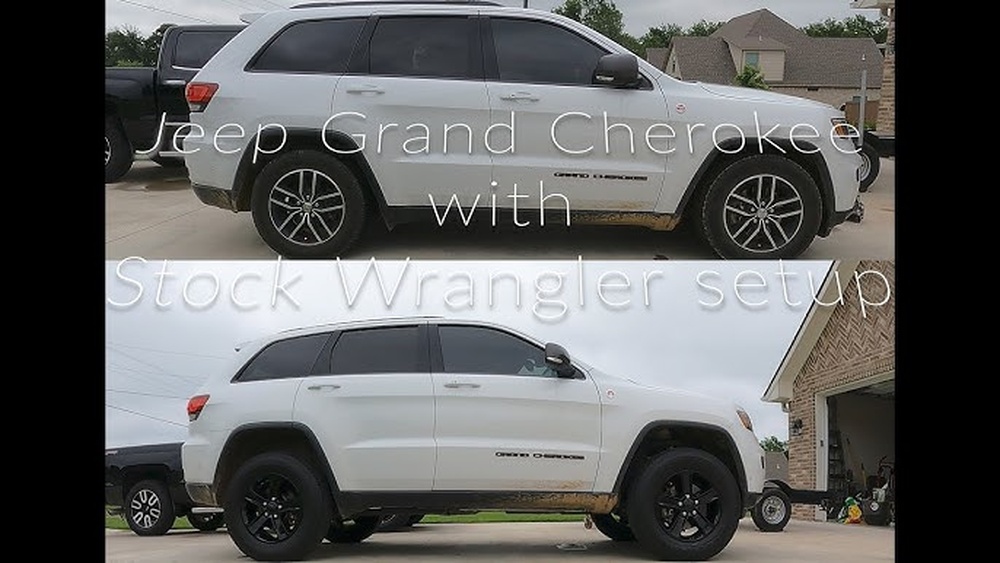
Let’s say you have a 2018 Wrangler JL and a 2016 Grand Cherokee WK2. Both use a 5×5 bolt pattern and 71.5 mm center bore. The Wrangler wheels are 17×7.5 inches with +44 mm offset. The Grand Cherokee wheels are 18×8 inches with +56 mm offset.
Swapping the Wrangler wheels onto the Grand Cherokee:
- Bolt pattern and center bore match.
- Wheel diameter is smaller (17″ vs 18″), so tires must be adjusted.
- Offset is lower (+44 mm vs +56 mm), so wheels will sit out farther by 12 mm.
This could give your Grand Cherokee a wider stance, but may cause tire rub if your tires are wide.
Risks And Common Mistakes
Many people think matching bolt patterns is enough. But ignoring offset and width can lead to:
- Rubbing issues: Wheels that stick out too much may hit the fender when turning or going over bumps.
- Vibration: Incorrect center bore can cause shaking at high speeds.
- Safety problems: Wrong offset affects handling, especially on highways.
- TPMS compatibility: Tire Pressure Monitoring System sensors may not fit or work correctly.
A mistake beginners often make is forgetting to check tire size. Swapping wheels may require new tires to fit the new rim size.
Tips For A Successful Wheel Swap
If you’re planning to swap Jeep Wrangler wheels onto a Grand Cherokee, follow these steps:
- Check bolt pattern, offset, and center bore for both vehicles.
- Compare wheel width and diameter to avoid clearance issues.
- Test fit one wheel before mounting all four.
- Use hub centric rings if needed.
- Adjust tire size to match wheel diameter.
- Consult a professional if unsure.
For more technical details, you can visit the official Jeep site: Jeep Official Site.
Frequently Asked Questions
Can I Use Wrangler Wheels On All Grand Cherokee Models?
No. Only Grand Cherokees with the 5×5 bolt pattern can accept Wrangler wheels without adapters. Older models have different bolt patterns.
Will Changing Wheels Affect My Grand Cherokee’s Warranty?
It depends. If the wheels cause damage or safety issues, your warranty may be affected.
Always check with your dealer before making changes.
Do I Need To Change My Tires When Swapping Wheels?
Sometimes. If the wheel diameter or width changes, your existing tires may not fit.
Make sure the tire size matches the new wheel.
Are Wheel Spacers A Solution If The Offset Doesn’t Match?
Wheel spacers can help adjust offset, but they may affect safety and handling. Use quality spacers and consult an expert before installing.
Is There Any Impact On Fuel Economy After Swapping Wheels?
Yes. Heavier or wider wheels can reduce fuel economy.
Tires with more aggressive tread also lower MPG.
Swapping wheels between Jeep models is possible, but only if you pay close attention to the details. Getting it right means a safer, better-looking ride. Always double-check measurements and seek advice if needed. That way, your Jeep Grand Cherokee will roll with confidence and style.