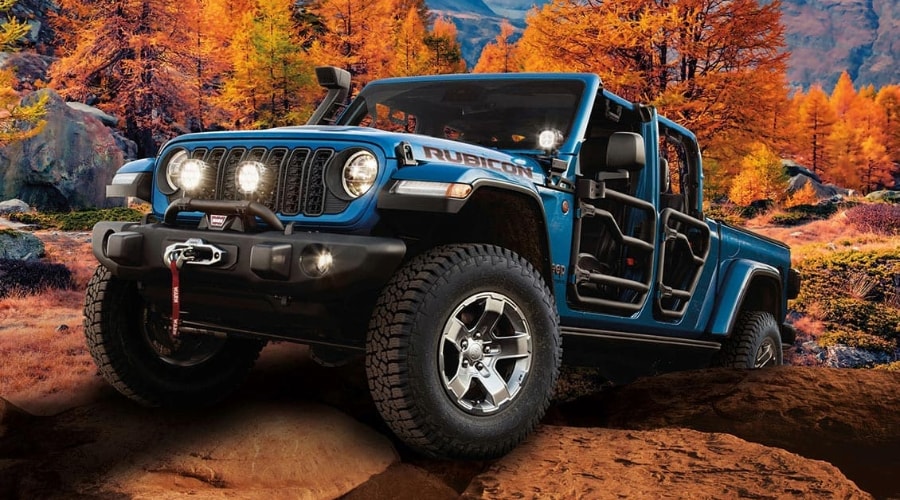
For years, the Jeep Gladiator has turned heads as a rugged, mid-size pickup that blends off-road capability with everyday utility. Yet, many fans have one burning question: Will Jeep put a V8 in the Gladiator?
With the Jeep Wrangler Rubicon 392 boasting a powerful V8, it seems natural to wonder if its pickup sibling will get the same treatment. Let’s look at eight crucial aspects shaping this debate, from engineering challenges to market demand.
The Current Engine Lineup
The Jeep Gladiator comes standard with a 3.6-liter Pentastar V6, producing 285 horsepower and 260 lb-ft of torque. There’s also a 3.0-liter EcoDiesel V6 option, offering 260 horsepower but a hefty 442 lb-ft of torque for towing and low-end power. Both are solid engines, but neither delivers the raw muscle and sound of a V8.
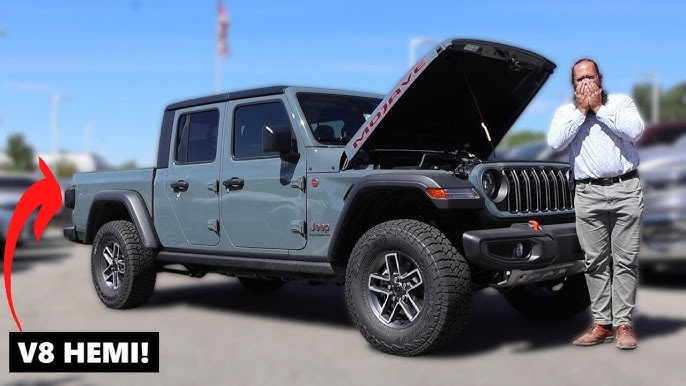
Jeep’s parent company, Stellantis, has not offered a V8 in the Gladiator since its 2020 launch. This leaves the Gladiator trailing competitors like the Ford F-150, which offers a V8, and even the mid-size Chevrolet Colorado ZR2 with its turbocharged four-cylinder outpacing the Gladiator in some metrics.
Engineering Challenges
Fitting a V8 engine into the Gladiator is not as simple as dropping it under the hood. The Gladiator’s frame, front suspension, and drivetrain were designed around V6 engines. A V8 weighs more and produces higher torque, which could strain the current chassis and axles.
Jeep’s engineers faced similar obstacles with the Wrangler Rubicon 392. They had to reinforce the frame, upgrade the cooling systems, and tweak the suspension.
The Gladiator, which shares much of its platform with the Wrangler, would require similar—if not more extensive—upgrades because of its longer wheelbase and cargo bed.
Impact On Off-road Performance
Many buyers choose the Gladiator for its legendary off-road ability. Adding a V8 could both help and hurt this reputation. On one hand, the extra horsepower would make climbing dunes and tackling rough terrain easier.
On the other hand, a heavier V8 engine up front could shift the truck’s weight balance, reducing its nimbleness on trails. It might also require stiffer suspension, making the ride harsher.
Jeep would need to fine-tune these elements to preserve the Gladiator’s off-road DNA.
Fuel Economy And Emissions
A V8 engine is thirsty. The 6.
4-liter V8 in the Wrangler Rubicon 392 gets an EPA-estimated 13 miles per gallon in the city and 17 on the highway. For comparison, the Gladiator’s V6 achieves up to 22 mpg highway.
Adding a V8 would almost certainly lower the Gladiator’s fuel efficiency. This matters not only for everyday drivers—who already pay a premium at the pump—but also for Jeep’s compliance with stricter government emissions standards. Automakers face heavy fines for exceeding CO2 limits, pushing many to invest in smaller, more efficient engines or electrified options.
Market Demand
Despite the challenges, there is genuine enthusiasm for a V8 Gladiator. Online forums, social media, and Jeep gatherings buzz with fans asking for more power. Many see a V8 Gladiator as the ultimate Jeep truck—a fusion of muscle car and off-roader.
However, the V8 market is niche. Most truck buyers prioritize fuel efficiency, towing, and price over raw horsepower.
The Wrangler 392, while a hit among enthusiasts, represents a small slice of overall sales. Jeep must weigh whether the investment in developing a V8 Gladiator would pay off.
Pricing And Positioning
If Jeep did launch a V8 Gladiator, expect a premium price tag. The Wrangler Rubicon 392 starts around $82,000, over $25,000 more than the standard Rubicon. A Gladiator with similar hardware would likely cost even more, possibly pushing it into luxury pickup territory.
This could limit its appeal to only the most dedicated fans. Jeep must consider whether a high-priced V8 model fits within its brand and the competitive pickup market.
Alternatives To A V8 Gladiator
Enthusiasts unwilling to wait have options:
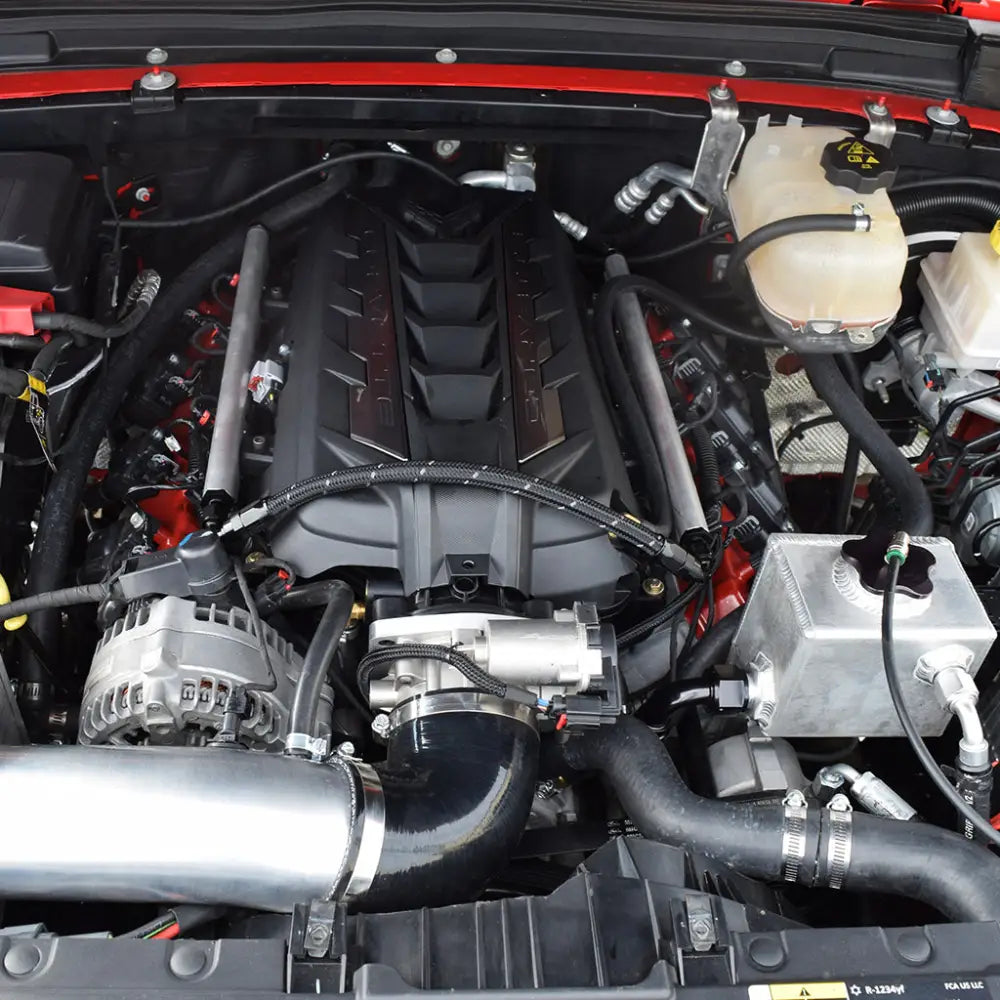
- Aftermarket Conversions: Some shops offer V8 swaps for the Gladiator, using crate engines and custom parts. These conversions are expensive and may void warranties, but they deliver the power some drivers crave.
- Superchargers: Bolt-on superchargers can boost the stock V6 engine to near-V8 power levels, often with fewer changes to the truck’s structure.
For buyers wanting factory reliability and a warranty, these options are less attractive than a true Jeep-built V8.
Jeep’s Official Statements And Future
Jeep spokespeople have addressed the V8 Gladiator question several times. The company has said there are “no current plans” for a V8 Gladiator, mainly due to engineering hurdles, emissions, and market size.
Still, Jeep listens closely to its customer base.
The rise of electrified powertrains could offer a compromise—think plug-in hybrid Gladiators with V8-like performance but lower emissions. Jeep’s 4xe models have found early success, hinting that the brand is watching trends and keeping options open.
Comparing V6 And Potential V8 Gladiator
To see how a V8 Gladiator might stack up against the current V6, consider this:
| Feature | 3.6L V6 Gladiator | Hypothetical V8 Gladiator |
|---|---|---|
| Horsepower | 285 hp | 470+ hp (based on Wrangler 392) |
| Towing Capacity | 7,700 lbs | Unknown (likely similar) |
| Fuel Economy (Highway) | 22 mpg | 17 mpg (est.) |
| Price | From $39,790 | $80,000+ (est.) |
Potential Competitors
If Jeep makes a V8 Gladiator, its main rivals would include:
| Model | Engine | Power |
|---|---|---|
| Ford F-150 | 5.0L V8 | 400 hp |
| Chevy Silverado 1500 | 6.2L V8 | 420 hp |
| Toyota Tundra | 3.5L twin-turbo V6 | 389 hp |
Why Some Fans Want A V8 Gladiator
Beyond specs and numbers, a V8 Gladiator represents something emotional for Jeep fans—a return to classic American power, the sound of a roaring engine, and the thrill of having the most capable Jeep truck ever built. For some, it’s about tradition and a sense of adventure only a V8 can deliver.
Frequently Asked Questions