Installing a kayak rack for your Jeep Wrangler can turn your vehicle into the perfect adventure partner. Whether you love weekend paddling trips or need a reliable way to transport your kayak, the right rack makes all the difference.
Jeep Wranglers have unique features, so choosing and installing a rack requires careful planning.
If you’re new to this, don’t worry this guide will help you avoid mistakes and get your kayak on the road safely.
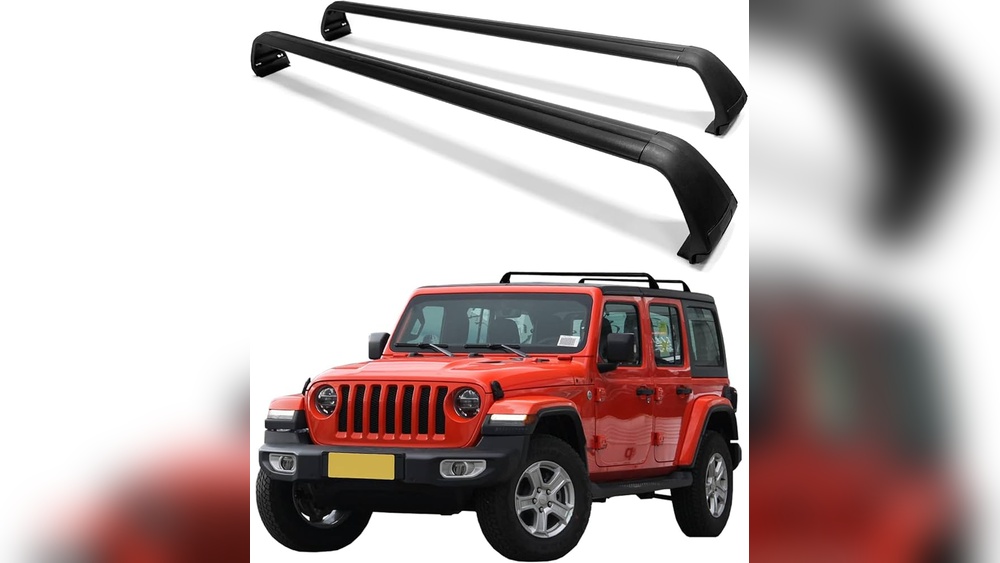
Understanding Kayak Rack Types For Jeep Wrangler
The first step is to know which kayak rack fits your Jeep Wrangler. Not every rack works well with this vehicle, so understanding the differences is key.
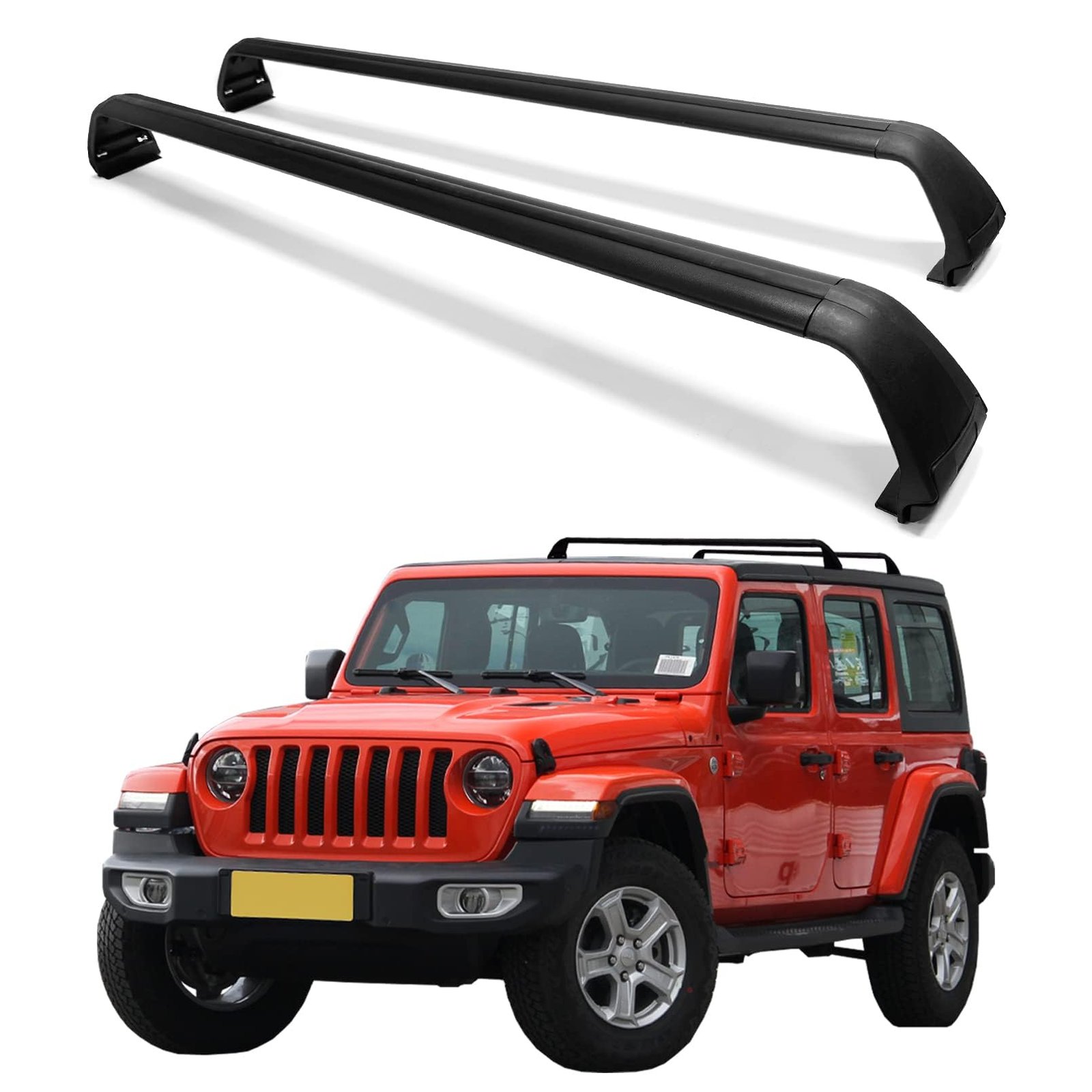
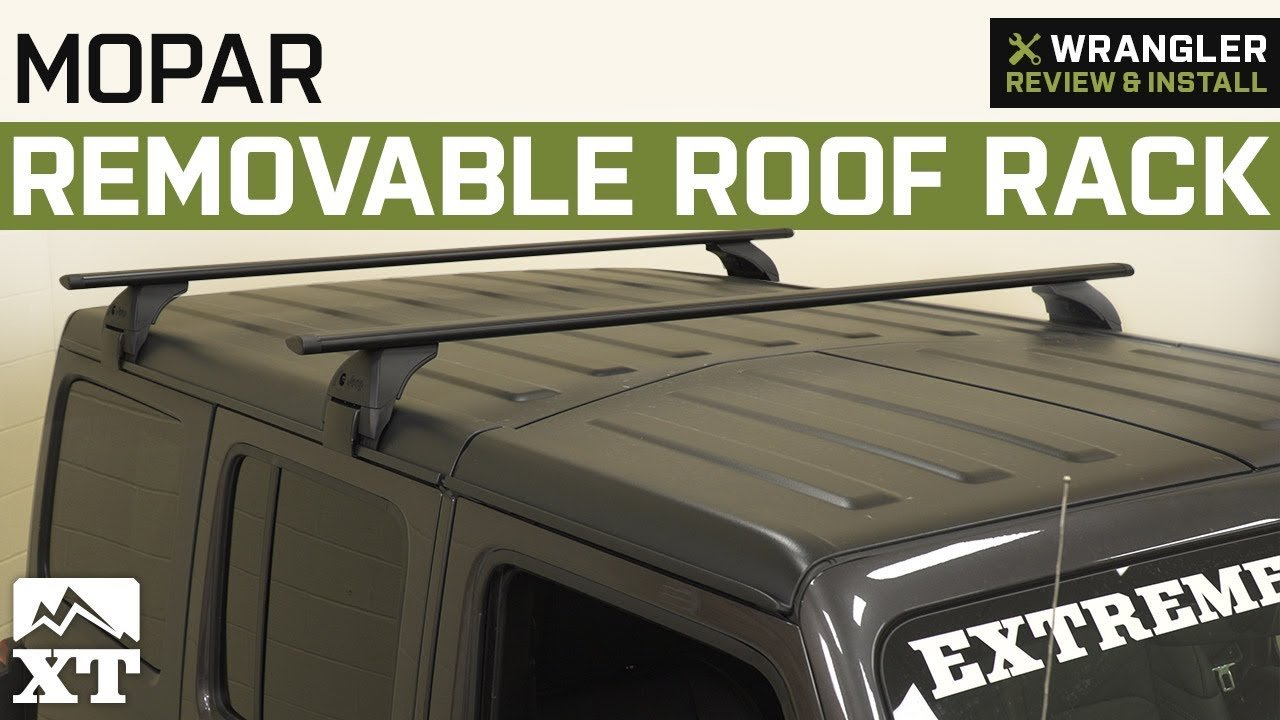
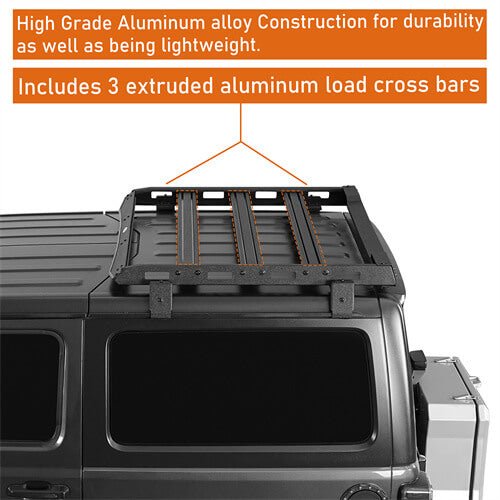
- Roof-mounted racks use the hardtop or factory roof rails. They’re good for one or two kayaks and keep your cargo space free. However, lifting kayaks onto the roof can be tough, especially for heavier models or taller Jeeps.
- Hitch-mounted racks connect to the Jeep’s rear hitch. They are easier for loading but can block rear access. These are popular for Wranglers with soft tops.
- Spare tire racks attach directly to the spare tire mount. They are quick to install but usually handle only one kayak and can affect rear visibility.
The table below compares these three main types:
| Rack Type | Capacity | Ease of Use | Impact on Jeep |
|---|---|---|---|
| Roof-mounted | 1-2 kayaks | Moderate | May need roof rails |
| Hitch-mounted | 1 kayak | Easy | Blocks rear door |
| Spare tire-mounted | 1 kayak | Easy | Reduces rear visibility |
Many beginners overlook the importance of checking their Jeep’s top style hardtop or soft top. Not all racks are compatible with soft tops.
Also, think about the kayak’s weight and how high you can lift it.
Choosing The Right Kayak Rack
To select the best rack, consider these factors:
- Jeep model year: Older models may have different roof designs.
- Top type: Hardtop or soft top affects rack compatibility.
- Kayak size and weight: Measure your kayak and check rack specs.
- Frequency of use: If you use it often, look for easy loading features.
- Budget: Quality racks range from $150 to $600.
The table below compares popular rack brands and their suitability for the Jeep Wrangler:
| Brand | Rack Type | Price Range | Fit for Wrangler |
|---|---|---|---|
| Thule | Roof-mounted | $300-$600 | Hardtop only |
| Yakima | Roof & Hitch | $250-$500 | Most models |
| Rhino-Rack | Roof-mounted | $200-$400 | Hardtop only |
A common mistake is buying a rack before measuring your kayak or checking roof compatibility. Always confirm the specs and installation requirements for your Jeep Wrangler.
Step-by-step Installation Guide
Installing a kayak rack is straightforward, but you must follow the right steps. Let’s break it down for a roof-mounted rack, which is the most popular choice.
1. Prepare Your Jeep
- Wash the roof to remove dirt.
- Check for factory rails or mounts. If missing, install roof rails first.
2. Assemble The Rack
- Follow the manufacturer’s instructions.
- Lay out all parts and tools before starting. Most racks include bolts, clamps, and pads.
3. Attach The Rack
- Place the rack feet or clamps onto the roof rails.
- Tighten bolts evenly. Don’t overtighten—this can damage the roof.
4. Secure The Kayak
- Lift the kayak onto the rack with a partner.
- Use padded straps to avoid scratching.
- Tie down both ends. Use at least two straps for safety.
5. Double-check Everything
- Shake the rack gently to test stability.
- Check straps for tightness.
- Ensure no parts block the doors or windows.
For hitch or spare tire racks, follow similar steps but attach the rack to the hitch or tire mount instead of the roof rails. Always read the user manual some racks need extra adapters.
Practical Tips For Safe Transport
- Weight limits: Never exceed the rack or Jeep’s roof weight limit (usually 150 lbs).
- Strap placement: Place straps away from sharp edges to prevent cutting.
- Weather protection: If driving in rain, cover the kayak with a tarp.
- Regular checks: Inspect the rack and straps during long trips.
- Driving adjustments: Slow down, especially on turns and in wind.
Many new Jeep owners forget about height clearance. With a kayak on top, your Jeep may be over 8 feet tall.
Watch for parking garages, drive-thrus, and low bridges.
Common Installation Mistakes
Avoid these errors:
- Ignoring weight limits: Overloading can damage your Jeep.
- Loose mounting: Can lead to rack or kayak falling off.
- Incorrect strap use: Weak knots or wrong placement may cause loss during transit.
- Skipping regular checks: Fasteners and straps loosen over time.
A surprising insight: Straps stretch after exposure to rain or sun. Always re-tighten after parking in wet or hot conditions.
Maintenance And Longevity
Taking care of your kayak rack extends its life and keeps you safe. Clean the rack after each trip, especially if you drive on salty or muddy roads.
Lubricate moving parts twice a year. Check bolts for rust. Replace worn straps promptly.
Many racks come with a warranty, but only if you follow the maintenance instructions. Keep receipts and register your product online for easy claims.
For more detailed installation tips, visit Jeep Official Gear Guide.
Frequently Asked Questions
How Do I Know If My Rack Fits A Soft Top Jeep Wrangler?
Check the rack’s specs. Most roof-mounted racks are for hardtops.
Hitch and spare tire racks are better for soft tops.
Can I Carry More Than One Kayak?
Some roof racks handle two kayaks, but check weight and width limits. Overcrowding can damage your vehicle or kayaks.
What Is The Safest Way To Tie Down A Kayak?
Use two straps one for the front, one for the rear. Secure tightly and double-check knots. Avoid bungee cords for long trips.
Will A Kayak Rack Damage My Jeep’s Roof?
If installed correctly and within weight limits, damage is rare. Clean the roof before installation and use padded feet.
How Often Should I Inspect The Rack And Straps?
Before every trip. For long journeys, check every few hours.
Replace straps or bolts if you see wear.
Installing a kayak rack on your Jeep Wrangler is a smart way to expand your outdoor adventures. With careful selection, proper installation, and regular checks, you’ll enjoy safe and stress-free transport for years.
Remember to always check compatibility and follow safety guidelines your Jeep and kayak will thank you.