If you drive a Jeep Wrangler, you expect it to be tough and reliable. But sometimes, warning lights appear or you get trouble codes like “Engine Oil Pressure Control Circuit Stuck Off. ” This issue can be confusing and worrying, especially if you’re not a car expert.
Understanding what this means, why it happens, and how to fix it will help you keep your Jeep running strong.
What Does “engine Oil Pressure Control Circuit Stuck Off” Mean?
When your Jeep Wrangler’s computer shows this message, it means the system can’t properly control the engine oil pressure. The “stuck off” part means the circuit is not turning on when it should. Oil pressure is critical for keeping your engine safe and lubricated. If this circuit fails, your engine may not get enough oil, which can cause serious damage.
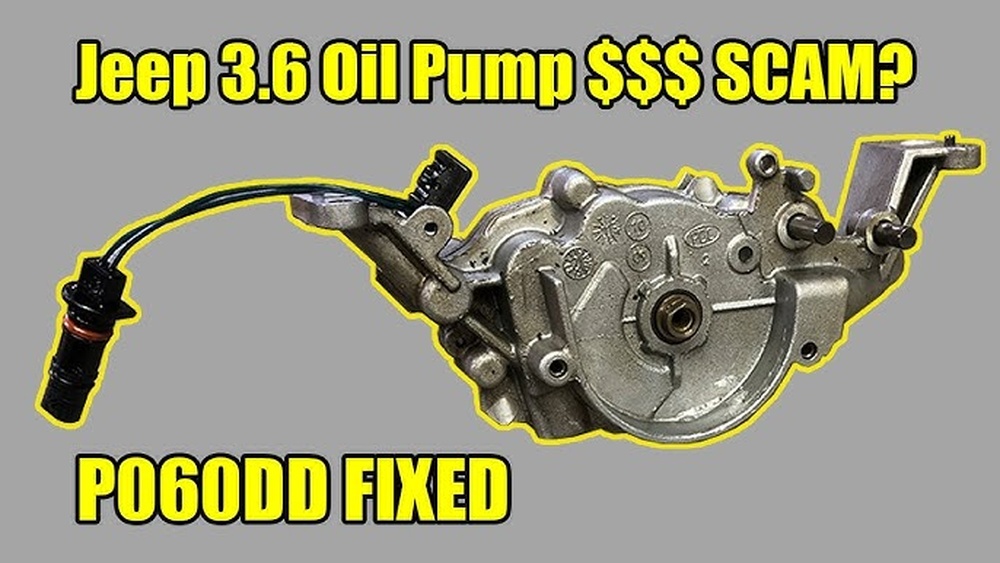
In most cases, this problem triggers a check engine light and may store codes like P06DD or P06DE. It usually points to a problem with the oil pressure control solenoid or the wiring connected to it.
Why Is Engine Oil Pressure So Important?
Your Jeep’s engine has many moving parts. Engine oil keeps everything lubricated and reduces friction. The oil pressure control circuit helps manage how much oil is sent around the engine. If oil pressure is too low, parts can rub and wear out. If it’s too high, seals and gaskets might fail.
A properly working oil pressure system means:
- Longer engine life
- Smoother performance
- Fewer breakdowns
Common Causes Of The “stuck Off” Problem
Several issues can trigger this warning in a Jeep Wrangler:
1. Faulty Oil Pressure Sensor
The sensor tells your computer how much oil pressure there is. If it fails, the computer may think the pressure is stuck off.
2. Bad Oil Pressure Control Solenoid
This small part controls oil flow. If it’s faulty, the circuit might not work.
3. Wiring Or Connector Problems
Damaged or loose wires can block signals.
4. Dirty Or Old Engine Oil
Thick or dirty oil can clog passages and affect pressure readings.
5. Engine Control Module (ecm) Issues
Rarely, the computer itself may have a problem.
Symptoms To Watch For
If your Jeep Wrangler has this issue, you might notice:
- Check engine light is on
- Engine runs roughly or stalls
- Low oil pressure warning on dashboard
- Ticking or knocking sounds from the engine
- Poor acceleration
Ignoring these signs can lead to engine failure. It’s best to act quickly.
Diagnosing The Problem
A good diagnosis saves time and money. Here’s how mechanics often check for the “engine oil pressure control circuit stuck off” problem:
| Diagnostic Step | What It Checks | Tools Needed |
|---|---|---|
| Scan for Codes | Reads trouble codes like P06DD | OBD-II scanner |
| Visual Inspection | Looks for damaged wires, connectors | Flashlight, basic tools |
| Oil Pressure Test | Measures actual oil pressure | Mechanical gauge |
| Check Oil Condition | Finds dirty or low oil | Dipstick |
Many mechanics find dirty oil or a failing solenoid as the root cause.
How To Fix The Issue
Once you know what’s wrong, fixing the “engine oil pressure control circuit stuck off” problem can be straightforward:
1. Replace The Oil Pressure Sensor
This is often the cheapest and simplest fix.
2. Change The Oil And Filter
Fresh oil can sometimes solve the problem if the old oil was too thick or dirty.
3. Repair Wiring Or Connectors
Secure any loose or damaged wires.
4. Replace The Oil Pressure Control Solenoid
This usually requires removing a few engine parts but is a common solution.
5. Check The Ecm
If all else fails, a software update or ECM replacement may be needed.
Here’s a quick look at the cost and difficulty of each fix:
| Repair Option | Estimated Cost | DIY Difficulty |
|---|---|---|
| Oil Pressure Sensor | $40–$100 | Easy |
| Oil & Filter Change | $35–$75 | Easy |
| Wiring Repair | $0–$100 | Medium |
| Solenoid Replacement | $120–$350 | Medium |
| ECM Update/Replacement | $150–$600 | Hard |
Most Jeep owners solve this issue by changing the sensor or solenoid.

Practical Tips To Prevent Future Problems
- Change oil and filter on time (every 5,000–7,500 miles for most Wranglers)
- Use the right oil type (check your owner’s manual)
- Inspect wiring and connectors during regular maintenance
- Don’t ignore warning lights or strange engine noises
- Consider a quality OBD-II scanner for personal diagnostics
A non-obvious tip: Many Jeep Wranglers use a two-stage oil pump. If the first fix doesn’t work, ask your mechanic to check both stages, as a failure in one can cause stubborn pressure issues.
Another insight: After repairs, always clear stored codes with a scanner. Some Wranglers may keep the check engine light on even after the problem is fixed.
When To See A Mechanic
If you’re not comfortable working on your Jeep, or if repairs don’t solve the problem, visit a trusted mechanic. Continuing to drive with low oil pressure can destroy your engine. A professional has the tools to check oil pressure accurately and can spot less obvious problems.
For more technical details, the official NHTSA Jeep Wrangler page is a good resource.

Frequently Asked Questions
What Does The “engine Oil Pressure Control Circuit Stuck Off” Code Mean On My Jeep Wrangler?
It means the computer detects a problem with the oil pressure control system. The circuit is not activating as it should, which can put your engine at risk.
Is It Safe To Drive With This Warning?
No. Driving with low or uncontrolled oil pressure can cause major engine damage. It’s best to stop and fix the issue quickly.
How Much Does It Cost To Fix This Problem?
Most repairs cost between $40 and $350, depending on the part. If the engine control module is faulty, it may be more expensive.
Can I Fix This Myself?
If you have basic tools and some DIY skills, you can often replace the sensor or change oil at home. Solenoid or wiring repairs can be harder.
Will Changing The Oil Always Fix This?
Not always. If the oil is old or dirty, a change may help. But if a sensor or solenoid is bad, those parts will need to be replaced.
A healthy engine oil pressure system is key for a long-lasting Jeep Wrangler. Quick action and regular maintenance can keep your vehicle running strong and avoid expensive engine repairs.