If your Jeep Liberty refuses to start, it can ruin your day and leave you feeling stuck. This SUV is known for reliability, but no vehicle is immune to problems.
Knowing why your Jeep Liberty won’t start helps you fix the issue faster or explain it clearly to your mechanic. Let’s break down the most common causes, how to diagnose them, and what you can do to get back on the road.
Common Reasons Your Jeep Liberty Won’t Start
Many issues can prevent your Jeep Liberty from starting. Sometimes the problem is obvious, like a dead battery. Other times, it’s hidden and needs careful inspection. Here are the most frequent causes:
1. Dead Battery
A weak or dead battery is the top reason for a no-start. Batteries usually last 3–5 years.
Signs include clicking sounds when turning the key, dim lights, or no electrical power at all.
2. Faulty Starter Motor
The starter turns the engine over. If it fails, you might hear a single click or nothing at all.
Starters can stop working due to age, wiring issues, or wear.
3. Bad Alternator
The alternator charges the battery while driving. If it fails, the battery won’t recharge.
You may notice warning lights, slow crank, or electrical issues.
4. Fuel System Problems
No fuel means no start. If your Jeep Liberty’s fuel pump, fuel filter, or injectors are faulty, the engine won’t get the fuel it needs.
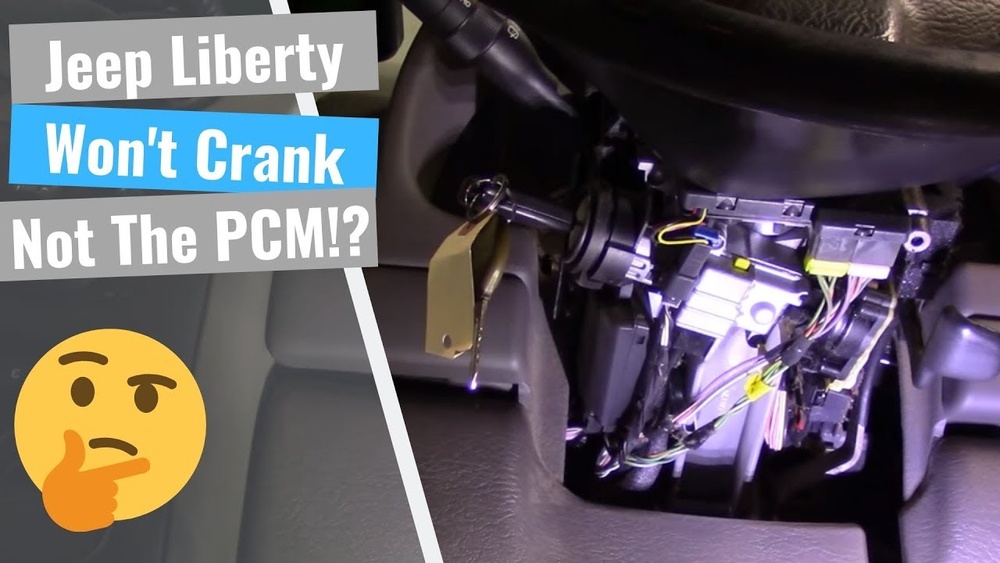
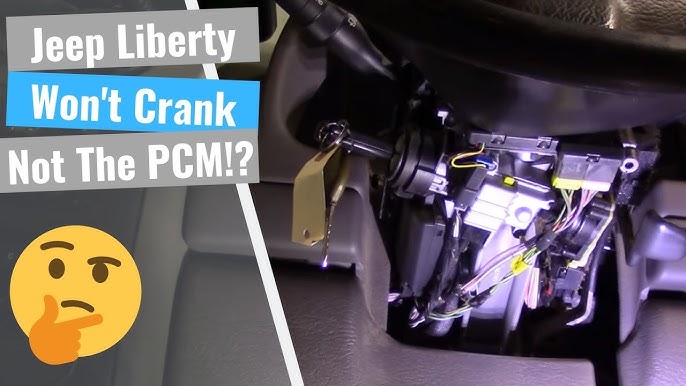
5. Ignition Switch Failure
The ignition switch sends power to the starter and other electronics. If it’s broken, turning the key won’t trigger anything.
6. Blown Fuses Or Relays
A blown fuse or relay can stop power from reaching critical parts like the fuel pump or starter.
7. Security System Issues
Modern Jeep Liberties have anti-theft systems. If the system doesn’t recognize your key, it can block starting.
8. Bad Key Or Key Fob
A damaged or unprogrammed key can prevent your Jeep from starting, especially in models with push-button start.
Diagnosing The Problem
Start with simple checks before calling a mechanic. Here’s a quick guide:
| Symptom | Likely Cause | Quick Check |
|---|---|---|
| No lights, no sound | Dead battery | Try jump-starting |
| Clicking noise | Starter or battery | Check battery voltage |
| Cranks but won’t fire | Fuel or spark issue | Check fuel level, listen for fuel pump |
| Security light flashing | Key or security system | Try spare key |
If you have a multimeter, check your battery. A healthy battery should show at least 12.6 volts. Anything lower means it’s weak or dead.
Quick Solutions For Common Problems
Sometimes, you can fix the issue yourself. Here are a few steps to try:
1. Check Battery Connections
Loose or corroded terminals stop power. Clean the terminals and tighten them.
2. Jump-start Your Jeep
Use jumper cables and another vehicle. If your Jeep starts, the battery is the issue.
3. Try A Spare Key
If your security system blocks starting, your spare key might work.
4. Inspect Fuses
Look in your fuse box under the hood. Replace any blown fuses.
5. Listen For Fuel Pump
Turn the key to “ON” (not start) and listen for a humming sound from the rear. If silent, the fuel pump may be faulty.
6. Starter Tapping Trick
If the starter is stuck, gently tap it with a tool while someone tries to start the engine. Sometimes this frees stuck parts.
When To Call A Mechanic
Some issues need professional tools and experience. If you’ve tried the steps above and your Jeep Liberty still won’t start, call a mechanic. Warning signs that require expert help:
- Strong fuel smell
- Smoke or burning odor
- Repeated fuse blowing
- Engine cranks endlessly but won’t start
A mechanic can test the starter, alternator, and computer system. They also have diagnostic scanners that reveal hidden faults.
Data: Jeep Liberty Starting Problems
Starting issues are common in older Jeep Liberties. According to a 2023 survey from carcomplaints.com, about 18% of Jeep Liberty owners report starting problems after five years.
| Year | Reported Start Issues (%) | Most Common Cause |
|---|---|---|
| 2005 | 22% | Battery |
| 2007 | 19% | Starter Motor |
| 2010 | 16% | Fuel Pump |
| 2012 | 14% | Security System |
Older models often face electrical issues and fuel pump failures. Regular maintenance reduces the risk.
Preventing Future No-start Problems
Keeping your Jeep Liberty reliable is easier with a few habits:
- Replace battery every 3–5 years
- Inspect cables and terminals twice a year
- Listen for unusual sounds during start-up
- Avoid running the tank dry—fuel pumps last longer when submerged
- Use high-quality replacement parts
- Keep a spare key handy
Non-obvious tip: If you park your Jeep Liberty for long periods, use a battery tender. This prevents battery drain and extends battery life.
Another overlooked insight: If your Jeep stalls and won’t restart after a short drive, the crankshaft position sensor may be failing. This sensor is often missed in basic checks but is vital for engine timing.