When your Jeep refuses to accelerate, it can be both stressful and confusing. Maybe you press the gas pedal, but the vehicle feels sluggish or doesn’t respond at all.
This problem can turn a routine drive into a frustrating experience, especially if you rely on your Jeep for daily tasks or adventures.
Understanding why this happens can save you time, money, and perhaps prevent you from being stranded.
Common Reasons Your Jeep Won’t Accelerate
Several issues can cause acceleration problems. Let’s explore the most frequent causes and what they might mean for your vehicle.
1. Throttle Body Issues
The throttle body controls the amount of air entering the engine. If it’s dirty or faulty, your Jeep may hesitate or fail to accelerate. Symptoms often include rough idling and loss of power.
2. Failing Fuel Pump
A weak fuel pump can’t send enough fuel to the engine, especially when you need more power. This often causes poor acceleration, stalling, or even engine misfires.
3. Clogged Fuel Filter
A clogged fuel filter restricts fuel flow. Even a partially blocked filter makes your Jeep sluggish and can lead to poor engine performance.
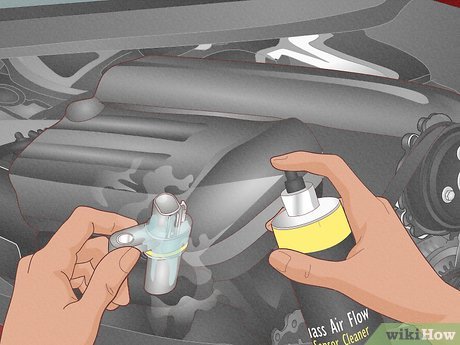
4. Faulty Mass Air Flow (maf) Sensor
The MAF sensor measures air entering the engine. If it sends incorrect data, the engine can’t mix fuel and air properly, causing slow or hesitant acceleration.
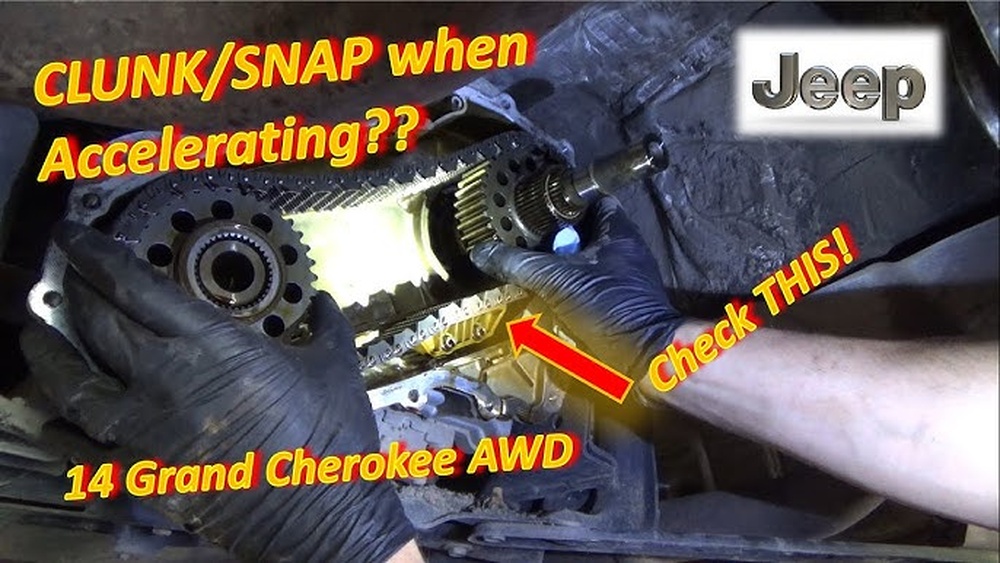
5. Transmission Problems
If the transmission slips or fails to shift correctly, your Jeep won’t accelerate as it should. Common signs include high RPMs without speed increase and strange noises during gear changes.
6. Failing Spark Plugs Or Ignition Coils
Old spark plugs or bad ignition coils mean incomplete combustion. This reduces power and makes acceleration sluggish. You might also notice a rough engine sound or shaking.
7. Faulty Sensors (tps, O2 Sensor)
The throttle position sensor (TPS) and oxygen sensors help manage engine performance. If they fail, acceleration suffers, and your Check Engine light may turn on.
8. Transmission Fluid Problems
Low or dirty transmission fluid affects gear shifts. This often leads to hesitation or delayed acceleration, especially when starting from a stop.
9. Catalytic Converter Blockage
A clogged catalytic converter restricts exhaust flow. This creates back pressure and can cause poor acceleration, especially at higher speeds.
10. Engine Control Module (ecm) Issues
The ECM is the Jeep’s “brain.” If it malfunctions, it may send incorrect signals that affect acceleration and overall performance.
How To Diagnose The Problem
Knowing where to start can be hard. Here are practical steps to help pinpoint the cause:
- Check for Warning Lights: If the Check Engine light is on, scan for trouble codes.
- Listen for Unusual Sounds: Whining, knocking, or hissing can hint at specific issues.
- Test Acceleration in Different Conditions: Try accelerating from a stop, and while moving. Notice if the problem is always present or only at certain speeds.
- Inspect Fluid Levels: Look at engine oil and transmission fluid for proper levels and signs of contamination.
- Check for Exhaust Smoke: Blue or black smoke often means engine problems.
Examples: Real-world Jeep Acceleration Failures
Let’s look at two common scenarios Jeep owners experience:
| Owner’s Description | Diagnosed Issue | Repair Cost (Average) |
|---|---|---|
| Jeep hesitates and jerks when accelerating from stoplight | Dirty throttle body and old spark plugs | $180 – $350 |
| Jeep accelerates slowly but runs fine at highway speeds | Clogged fuel filter | $90 – $160 |
Jeep Models And Acceleration Issues
Some Jeep models are more prone to specific problems. Here’s a quick look:
| Model | Common Acceleration Issue |
|---|---|
| Wrangler (2007-2011) | Throttle position sensor failure |
| Cherokee (2014+) | Transmission control module glitches |
| Grand Cherokee (2011+) | MAF sensor and fuel pump issues |
Preventing Acceleration Problems
You can avoid many Jeep acceleration issues with regular care:
- Change air and fuel filters as recommended.
- Use quality fuel to reduce deposits.
- Inspect spark plugs and ignition coils regularly.
- Monitor fluid levels and replace fluids on schedule.
- Address warning lights quickly—don’t ignore them.
A key insight many owners miss: cheap aftermarket parts can create new issues. Always use OEM (original equipment manufacturer) parts when possible, as they fit your Jeep’s design.
When To Seek Professional Help
Sometimes, DIY fixes aren’t enough. If you notice any of these, seek expert help:
- Sudden loss of power
- Persistent warning lights
- Smoke from the engine or exhaust
- Unusual smells (burning, fuel, rotten eggs)
- Repeated stalling
A certified mechanic can run diagnostic tests to quickly find and fix the real problem, saving you money in the long run.
Cost Comparison: Diy Vs. Professional Repair
Understanding possible costs helps you plan. Here’s a quick comparison:
| Repair Type | DIY Cost (Parts Only) | Professional Cost (Parts + Labor) |
|---|---|---|
| Spark Plug Replacement | $25 – $60 | $100 – $250 |
| Fuel Pump Replacement | $120 – $300 | $400 – $900 |
| Transmission Fluid Change | $40 – $90 | $150 – $300 |
Frequently Asked Questions
Why Does My Jeep Hesitate When I Press The Gas Pedal?
A hesitation often points to a dirty throttle body, bad spark plugs, or a failing fuel pump. Sometimes, a clogged air filter or a faulty sensor can also be the cause.
Can Low Transmission Fluid Cause Slow Acceleration?
Yes, low or dirty transmission fluid can affect gear shifts and cause sluggish acceleration. Always use the fluid type recommended in your Jeep’s manual.
Will A Bad Catalytic Converter Stop My Jeep From Accelerating?
A blocked catalytic converter can severely restrict exhaust flow, reducing engine power and making it hard to accelerate, especially at higher speeds.
How Do I Know If My Jeep’s Fuel Filter Is Clogged?
Symptoms include loss of power, stalling, and rough running, especially under heavy acceleration. You may also notice the engine misfires or struggles to start.
Should I Use Only Oem Parts For Repairs?
Using OEM parts ensures the best fit and reliability. While aftermarket parts can be cheaper, they sometimes cause more problems, especially with sensors and electrical components.
If your Jeep won’t accelerate, act quickly to prevent bigger problems. For more on engine diagnostics and car maintenance, you can visit the official Jeep Wikipedia page for history and technical details. Keeping your Jeep in top condition means safer, smoother driving every time you hit the road.