Upgrading the steering box on your Jeep TJ can make a big difference in how your vehicle handles both on and off the road. Many Jeep owners notice loose steering, poor response, or extra effort needed when turning—especially after adding bigger tires or suspension lifts.
Improving your steering box is not just about smoother driving; it’s also about safety and control. Let’s look at how to upgrade your steering box, what you need, and what to expect during the process.
Why Upgrade The Steering Box?
The stock steering box on the Jeep TJ works well for standard setups. But when you install 33-inch or larger tires, or take your Jeep off-road, the factory unit often struggles. Many owners report steering play, slow response, or even leaks after years of use. Upgrading can solve these issues and prepare your Jeep for tougher trails.
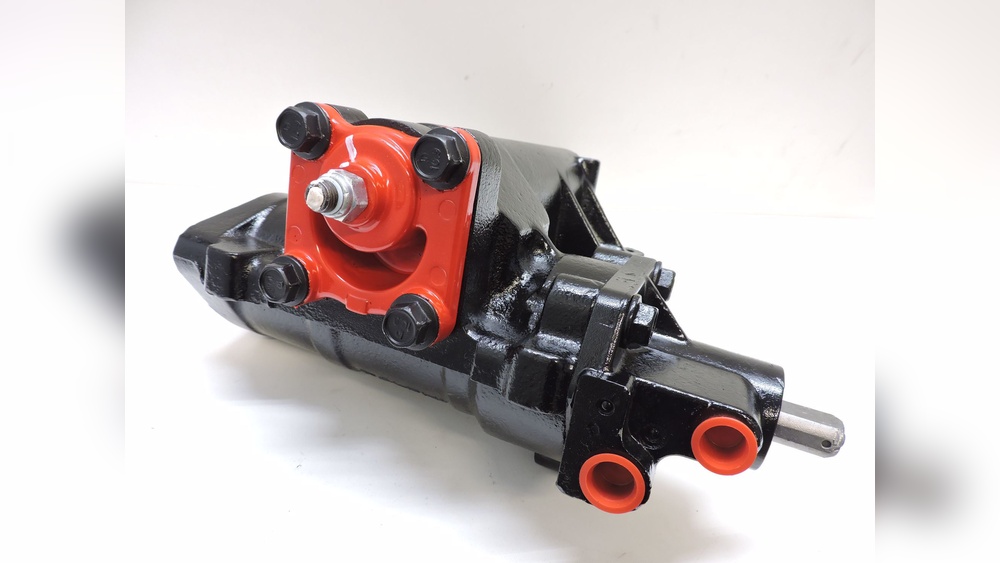
Several reasons to upgrade:
- Improved steering response: Aftermarket boxes provide quicker, firmer turning.
- Better durability: Stronger internals handle heavy tires and rough terrain.
- Reduced steering effort: Modern units often require less force to turn the wheel.
- Safety: A worn box can fail, risking loss of steering.
A survey by JeepForum showed that over 60% of TJ owners with big tires eventually switched to a heavy-duty steering box.
Choosing The Right Steering Box
Picking the best steering box is key. The market offers several options, but not all are equal. Here’s how to compare:
| Model | Max Tire Size | Turning Ratio | Price Range |
|---|---|---|---|
| Stock TJ Box | Up to 32″ | 16:1 | $250-$400 |
| Durango Box | Up to 35″ | 13:1 | $300-$500 |
| PSC Heavy-Duty | Up to 37″ | 12:1 | $600-$900 |
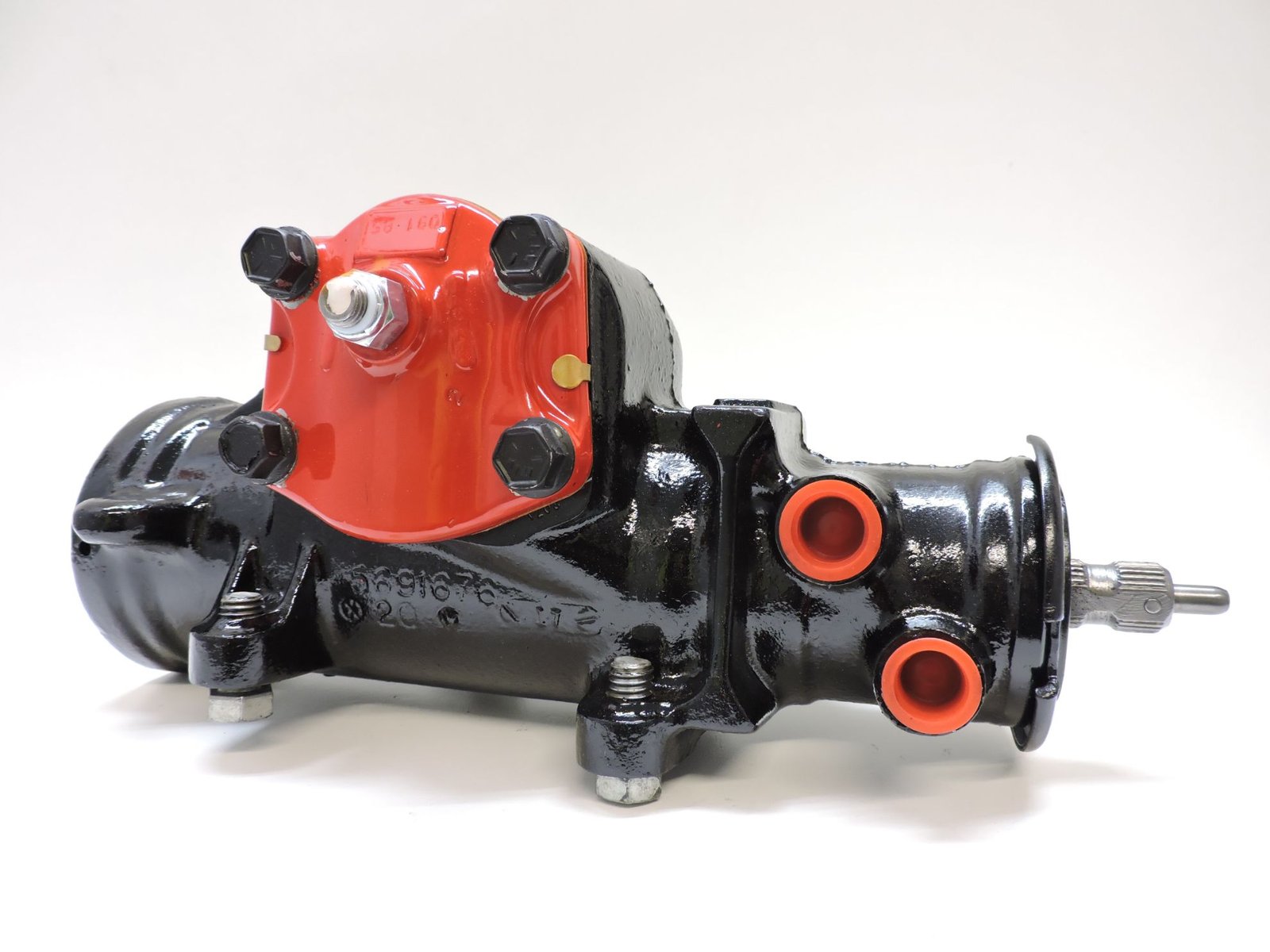
Durango steering boxes are a popular swap for TJs with larger tires. They offer a tighter turning ratio and are built for heavier loads. The PSC aftermarket box is even stronger and ideal for serious off-road builds.
What To Look For
- Turning ratio: Lower ratios mean quicker response.
- Input/output shaft size: Bigger shafts resist wear.
- Mounting compatibility: Some boxes need adapters.
- Warranty: Good brands offer 1-3 years.
Common mistake: Many buyers forget to check the compatibility with their steering linkage. Always compare before ordering.
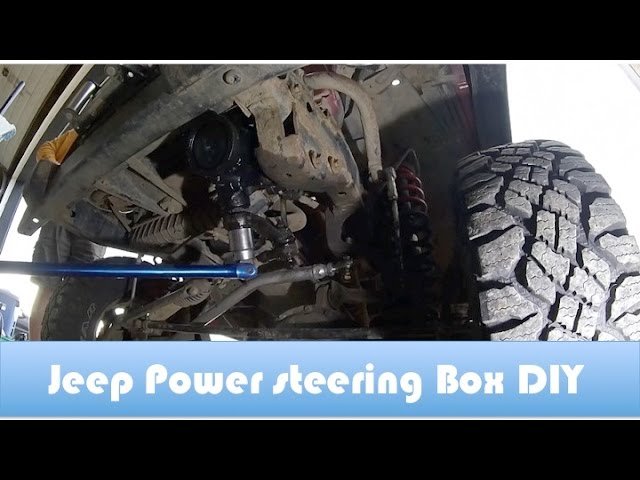
Tools And Parts Needed
You’ll need a few basic tools and some specialty items. Here’s a typical list:
- Socket set (including deep sockets)
- Wrench set
- Pitman arm puller
- Jack and stands
- Steering fluid
- Replacement steering box
- New pitman arm (optional but recommended)
- Torque wrench
- Thread locker
Some advanced steering boxes require new hoses or mounting brackets. Always check the instructions.
Step-by-step Upgrade Guide
Changing the steering box isn’t too hard, but it does require care. Here’s a clear process:
- Lift the Jeep: Use a jack and stands to raise the front. Make sure it’s stable.
- Remove the pitman arm: Use the pitman arm puller. A stuck pitman arm is common—apply penetrating oil for easier removal.
- Disconnect steering linkage: Loosen and remove the bolts connecting the drag link and tie rod.
- Unbolt the steering box: There are usually three or four bolts. Support the box as you remove it.
- Remove hydraulic lines: Place a pan below to catch fluid. Mark lines if needed.
- Install new steering box: Bolt it in place, making sure to use thread locker. Torque bolts to factory specs (usually 65-80 ft-lb).
- Reconnect hydraulic lines: Tighten carefully to avoid leaks.
- Install pitman arm: Attach the new or reused arm. Torque to spec.
- Reconnect steering linkage: Double-check fit and alignment.
- Refill and bleed steering fluid: Fill the reservoir. Start the engine and turn the wheel side to side until bubbles disappear.
- Check for leaks and test drive: Inspect all connections. Drive slowly to test steering response.
Most upgrades take 3-4 hours for beginners. The hardest part is often removing the old pitman arm.
Tips For A Successful Upgrade
Here are some insights that most beginners miss:
- Replace the pitman arm: Using a new arm avoids wear issues and fits better with heavy-duty boxes.
- Align the wheels: After installation, get a professional alignment. Misalignment can cause pulling or uneven tire wear.
- Check steering shaft play: If the shaft is worn, the new box won’t fix all steering problems.
| Upgrade Step | Common Mistake | Solution |
|---|---|---|
| Removing old box | Forgetting to support box | Use a second person or strap |
| Bleeding fluid | Skipping wheel turns | Turn wheel fully each way |
| Reinstalling pitman arm | Improper torque | Use torque wrench |
After The Upgrade: What To Expect
Upgraded steering boxes usually feel firmer and more responsive right away. The steering wheel returns to center more easily, and handling improves especially with bigger tires.
Many users report less fatigue when driving long distances or off-road.
If you notice any noise or leaks, recheck all connections. It’s normal for the steering to feel slightly tight for the first week as everything settles.
For more technical details, see ExtremeTerrain.
Frequently Asked Questions
How Do I Know If My Jeep Tj Steering Box Needs Upgrading?
Look for excess steering play, slow response, or leaks. If you’ve installed bigger tires or lift kits, or if your steering feels loose, an upgrade can help.
Will A Durango Steering Box Fit My Jeep Tj?
Yes, the Durango box is a common swap. It fits most TJs with minor adjustments. Check shaft size and mounting bolt patterns before buying.
Do I Need New Steering Hoses For The Upgrade?
Usually, the factory hoses fit Durango and PSC boxes. For some heavy-duty models, you may need adapters or new hoses. Always check the manufacturer’s guide.
Can I Upgrade The Steering Box Myself?
Most Jeep owners can do the upgrade with basic tools and patience. If you’re not comfortable removing steering components, a shop can help.
Is An Alignment Needed After Upgrading?
Yes, always get a professional alignment after changing steering parts. This prevents uneven tire wear and improves driving safety.
Upgrading your Jeep TJ steering box is a smart move for better handling and off-road confidence. With the right tools and some careful planning, you can enjoy a safer, more responsive ride.