The Jeep Commander once stood out in the SUV market with its bold styling and third-row seating. Yet, despite its size and features, production ended after only a few years.
Many car fans still wonder why the Jeep Commander was discontinued, and whether it could have survived with a different approach.
In this article, we’ll explore the real reasons behind the Commander’s short run, backed by data, expert analysis, and owner insights.

The Rise Of The Jeep Commander
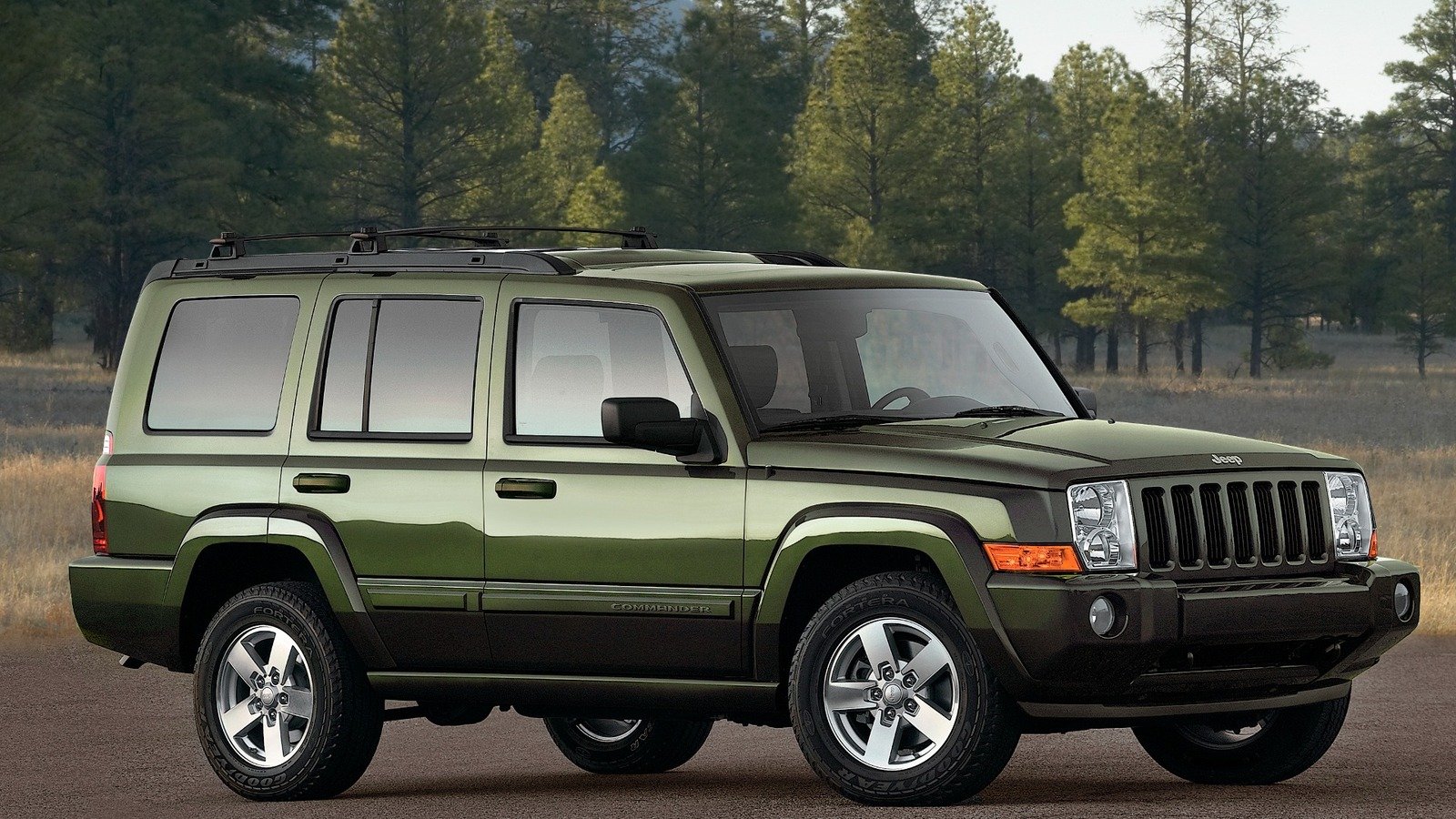
When the Jeep Commander launched in 2005 for the 2006 model year, Jeep aimed to fill a gap in its lineup. The Commander offered three rows of seats, targeting families and larger groups. It was boxy, rugged, and looked like a classic SUV, which appealed to many Jeep fans who missed the older Cherokee design.
Sales started strong. In its first full year (2006), over 88,000 Commanders sold in the US. However, this momentum did not last. Let’s look at the yearly sales numbers:
| Year | US Sales |
|---|---|
| 2006 | 88,497 |
| 2007 | 63,027 |
| 2008 | 35,316 |
| 2009 | 11,176 |
| 2010 | 6,547 |
As you can see, sales dropped by more than 90% from its peak by 2010. This steep decline tells part of the story.
Key Reasons For Discontinuation
Several factors combined to end the Jeep Commander’s run. Here are the most important ones:
1. Poor Fuel Economy
The Commander was heavy and used older engine designs. Even its V6 model struggled with efficiency.
At a time when gas prices were rising, buyers wanted better mileage.
| Model | Engine | City MPG | Highway MPG |
|---|---|---|---|
| Commander Base | 3.7L V6 | 14 | 19 |
| Commander Limited | 5.7L V8 | 13 | 18 |
Competitors, like the Toyota Highlander, offered far better fuel economy, making the Commander a tough sell for families on a budget.
2. Outdated Platform And Technology
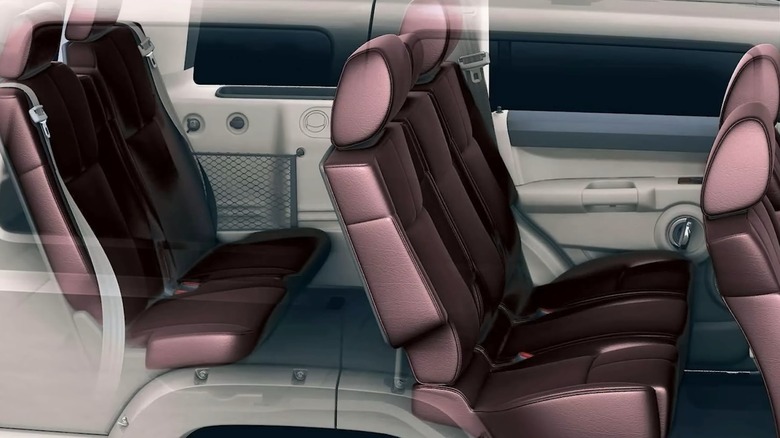
The Commander shared its basic design with the older Jeep Grand Cherokee. This meant the third row was cramped and cargo space was limited when all seats were up.
Also, advanced safety features and modern infotainment systems were missing or outdated compared to rivals.
3. Stiff Competition
SUV buyers had more choices than ever in the late 2000s. Vehicles like the Honda Pilot and Ford Explorer offered more comfort, better technology, and a smoother ride.
Jeep’s focus on off-road ability was not enough to win over the average family driver.
4. Economic Downturn
The global financial crisis of 2008 changed car buying habits. People wanted smaller, more efficient cars.
Large SUVs, especially those with poor gas mileage, saw demand collapse. Jeep could not justify keeping the Commander in production with sales so low.
5. Brand Overlap And Strategy Shift
With the Commander’s size and price, it overlapped with the Grand Cherokee. Jeep decided to focus on its best-sellers and prepare for new models, like the three-row Jeep Grand Cherokee L introduced years later.
Lessons Learned From The Commander
The Commander did have loyal fans. Many loved its boxy design and off-road skills.
But the SUV market was moving in a new direction.
One key insight: third-row SUVs must balance space, comfort, and efficiency. Buyers want room for seven, but not at the cost of poor mileage or cramped interiors. Jeep learned this and improved future models, making them more competitive.
Another lesson: timing matters. If the Commander had launched with better engines or in a stronger economy, its story could have been different. Automakers now study these factors more closely before releasing new models.
How Jeep Replaced The Commander
Jeep knew families still wanted three rows. Instead of fixing the Commander, they waited and returned with a more modern answer. In 2021, the Jeep Grand Cherokee L arrived. It had:
- A more spacious and comfortable third row
- Modern infotainment and safety tech
- Better fuel efficiency
Here’s how the two compare:
| Feature | Commander | Grand Cherokee L |
|---|---|---|
| Year Range | 2006–2010 | 2021–present |
| Seating | Up to 7 | Up to 7 |
| City MPG (V6) | 14 | 19 |
| Infotainment | Basic | Advanced touch screen |
The Grand Cherokee L has received strong reviews and sales, showing that Jeep learned from the Commander’s mistakes.
What Most People Miss About The Commander’s End
Many believe the Commander failed only because of gas prices or its boxy look. But there are less obvious reasons:
- Changing family needs: Families wanted sliding doors and easier access, features found in crossovers and minivans, not traditional SUVs like the Commander.
- Dealer pressure: Some Jeep dealers pushed for a three-row model, but when sales slowed, they quickly shifted focus to more popular models.
A few Commanders still run on US roads today. Owners say they love the unique style and off-road ability, but admit the car feels dated compared to newer SUVs.
Frequently Asked Questions


















