Bleeding the brakes on your Jeep Cherokee is essential for safe driving. Old brake fluid, air bubbles, or moisture can reduce braking power and make your pedal feel soft.
Learning how to bleed your brakes at home saves money and gives you confidence in your vehicle. This guide shows the steps clearly, explains important tips, and helps you avoid common mistakes.
Even beginners can follow along with the right tools and patience.
Why Bleeding Brakes Matters
Brake fluid is key for transferring pressure from your foot to the wheels. Over time, air can enter the system, especially during repairs or if the fluid gets low. Air compresses easily, making your brake pedal feel spongy. Moisture in fluid can cause rust and brake fade. Bleeding removes these problems, making your Jeep Cherokee brakes sharp and reliable.
Tools And Materials Needed
Before starting, gather these items:
- Wrench (usually 10mm or 11mm for bleeder valves)
- Brake fluid (check your owner’s manual for correct type, usually DOT 3 or DOT 4)
- Clear tubing (fits over bleeder valves)
- Catch bottle (for old fluid)
- Jack and jack stands
- Wheel chocks
- Gloves and safety glasses
- Assistant (optional but helpful)
Using the correct brake fluid is vital. DOT 3 and DOT 4 differ in boiling points:
| Fluid Type | Boiling Point (Dry) | Boiling Point (Wet) |
|---|---|---|
| DOT 3 | 401°F | 284°F |
| DOT 4 | 446°F | 311°F |
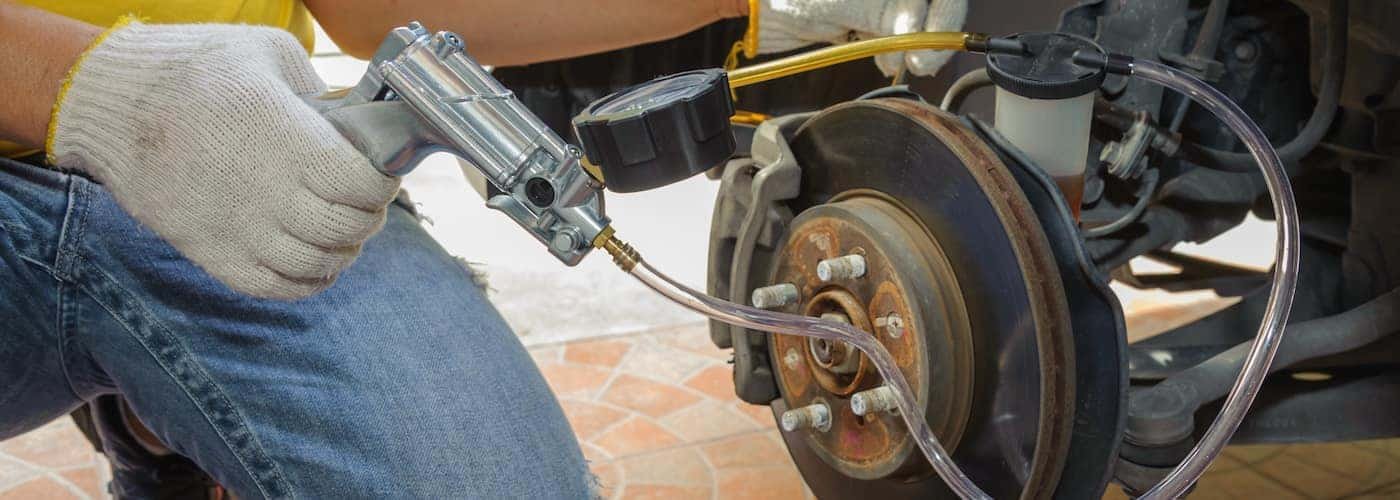
Step-by-step Brake Bleeding Process
Follow these steps for a smooth experience:
1. Secure Your Vehicle
Park on a level surface. Use wheel chocks and jack up the Cherokee.
Place jack stands under the frame for safety.
2. Remove Wheels
Take off all four wheels to access the brake calipers.
3. Check Brake Fluid
Open the master cylinder and fill it with fresh fluid. Keep fluid above the “MIN” mark during the process.
4. Pick Bleeding Order
Bleed brakes in the correct sequence—usually starting with the wheel farthest from the master cylinder. For most Cherokees:
- Right rear
- Left rear
- Right front
- Left front
This order prevents air from moving to other lines.
5. Attach Tubing And Bottle
Push clear tubing onto the bleeder valve. Place the other end in a catch bottle partly filled with brake fluid (to prevent air from returning).
6. Bleed The Brake
Ask your assistant to press the brake pedal slowly and hold it down. Loosen the bleeder valve until fluid flows.
Watch for bubbles in the tube. Tighten the valve before your helper releases the pedal.
7. Repeat Until Clear Fluid
Continue until fluid runs clear and bubble-free. Refill the master cylinder often never let it run dry.
8. Move To Next Wheel
Repeat for each wheel in the order above.
9. Check All Connections
After finishing, check for leaks and ensure all valves are tight.
10. Reinstall Wheels And Lower
Put wheels back on, torque lug nuts to spec, and lower your Jeep.
11. Test Brakes
Pump the brake pedal. It should feel firm.
Take a short test drive at low speed to verify brake response.
Common Mistakes To Avoid
Many beginners miss these crucial points:
- Letting master cylinder run dry
This can introduce more air, making the job harder.
- Bleeding in wrong order
Always follow the sequence to avoid air moving between lines.
- Over-tightening bleeder valves
Too much force can damage threads.
- Using wrong brake fluid
Mixing types reduces performance and damages seals.
Signs Your Brakes Need Bleeding
Recognizing symptoms early keeps your Jeep safe. Watch for:
- Spongy pedal
- Longer stopping distances
- Brake warning light
- Visible fluid leaks
If you notice any, bleeding the brakes may solve the issue. However, sometimes the problem is deeper like a failing master cylinder or worn pads.
Useful Tips For Better Results
- Always use fresh brake fluid; old fluid absorbs moisture.
- Clean the area around the master cylinder to prevent dirt entering.
- If working alone, buy a one-person brake bleeder kit.
- Dispose of old brake fluid properly; it’s hazardous.
Some Jeep Cherokee owners find that bleeding brakes every 30,000 miles or every two years helps maintain peak performance.
Cost Comparison: Diy Vs. Mechanic
Doing it yourself saves money. Here’s a quick breakdown:
| Method | Average Cost | Time Required |
|---|---|---|
| DIY | $20–$50 | 1–2 hours |
| Mechanic | $80–$150 | 1 hour |
The DIY approach costs less and teaches valuable skills. Mechanics charge more, but offer speed and experience.

Jeep Cherokee Brake System Differences
Cherokee models differ in brake design. Some have ABS (Anti-lock Braking System), which can complicate bleeding. ABS systems may require a scan tool or special procedure. Check your owner’s manual or consult Jeep forums before starting.
Older Cherokees (pre-2000) use simple systems. Newer models may have advanced electronics. If unsure, visit an official resource like Jeep Owners Site for details.
Frequently Asked Questions
How Often Should I Bleed Brakes On My Jeep Cherokee?
Bleed your brakes every 30,000 miles or every two years. If you notice a soft pedal or change brake parts, bleed sooner.
Can I Bleed Brakes Alone?
Yes, but it’s easier with help. Use a one-person bleeder kit or gravity bleeding method if working solo.
What Type Of Brake Fluid Does A Jeep Cherokee Use?
Most models use DOT 3 or DOT 4. Always check your manual. Mixing types is not safe.
Do I Need Special Tools For Abs-equipped Cherokees?
Some ABS systems require a scan tool to cycle the pump. Read your manual or consult a mechanic if unsure.
Is It Normal For Brake Fluid To Look Dark?
No. Dark fluid means it’s old or contaminated. Replace it and bleed the brakes for best performance.
Bleeding the brakes on your Jeep Cherokee is a straightforward task with the right steps and tools. It improves safety and gives you peace of mind on the road.
If you follow the advice above, your brakes will feel firmer and more responsive.
Remember to check your fluid type, follow the correct order, and inspect for leaks. With a bit of care, your Cherokee’s braking system will stay in top shape for years.