Buying a new car is exciting, but not all vehicles suit every driver. Many people dream about owning a Jeep because of its rugged look and reputation for adventure. However, before you buy a Jeep, it’s smart to look deeper. You might find reasons that make you pause or choose another car. In this article, you’ll discover why a Jeep may not be the best choice for everyone, with real facts, examples, and comparisons to help you make a confident decision.
Reliability Concerns
Jeeps, especially the Wrangler and Cherokee, often appear in reliability reports as below average. According to Consumer Reports, the Jeep Wrangler scored only 2 out of 5 for predicted reliability in 2023. Many owners report frequent issues with electronics, transmission, and leaks.
One common problem is the “death wobble,” a sudden shake in the steering. This can happen on rough roads and needs expensive repairs.

If you depend on your car for daily commuting or long journeys, the risk of breakdowns and unexpected costs is higher with a Jeep.
High Maintenance Costs
Jeeps are not cheap to maintain. Repairs and parts can cost more than other brands.
For example, the average annual maintenance cost for a Jeep Wrangler is around $694, which is higher than most SUVs.
Here’s a quick comparison with other popular SUVs:
| Model | Annual Maintenance Cost |
|---|---|
| Jeep Wrangler | $694 |
| Toyota RAV4 | $429 |
| Honda CR-V | $407 |
| Ford Escape | $466 |
Repairs like transmission fixes, electrical issues, or suspension work are common. Parts for Jeeps are often specialty items, making them more expensive and sometimes harder to find.
Poor Fuel Economy
If saving money on gas matters to you, Jeeps are not the best option. Most models, especially the Wrangler, are famous for low fuel efficiency. The 2023 Jeep Wrangler gets only about 17 miles per gallon (mpg) in the city and 23 mpg on the highway. Compare this to the Toyota RAV4, which gets 27 mpg city and 35 mpg highway.
Check out this fuel economy comparison:
| Model | City MPG | Highway MPG |
|---|---|---|
| Jeep Wrangler | 17 | 23 |
| Toyota RAV4 | 27 | 35 |
| Honda CR-V | 28 | 34 |
With rising gas prices, driving a Jeep can quickly become expensive, especially if you use it daily.
Uncomfortable Ride And Noisy Cabin
Jeeps are designed for off-road use, so the ride can be rough and noisy. The suspension is stiff, and the tires are made for mud or rocks, not for smooth pavement.
Many owners report wind and road noise, especially with soft-top or removable roof models.
If you want comfort for long trips or city driving, you might find a Jeep’s ride tiring. The seats are usually basic, and the cabin feels less refined compared to other SUVs.
Limited Cargo And Passenger Space
Jeep models like the Wrangler are not very spacious. The cargo area is small, making it hard to fit luggage, groceries, or sports equipment.
Rear seats are tight, and getting in or out can be difficult, especially for children or older people.
Here’s a comparison of cargo space:
| Model | Cargo Space (cu ft) |
|---|---|
| Jeep Wrangler (2-door) | 12.9 |
| Toyota RAV4 | 37.6 |
| Honda CR-V | 39.2 |
For families or people who need room for gear, a Jeep can feel cramped and impractical.
Safety Issues
Jeeps often receive average or below-average safety ratings. The Wrangler, for example, scored only three out of five stars in the NHTSA crash test.
The design, with removable doors and roof, makes it less safe in rollovers or crashes.
Advanced safety features like automatic emergency braking, lane assist, and blind-spot monitoring are sometimes missing or only available in higher trims. If safety is important, other SUVs offer better protection and more modern features.
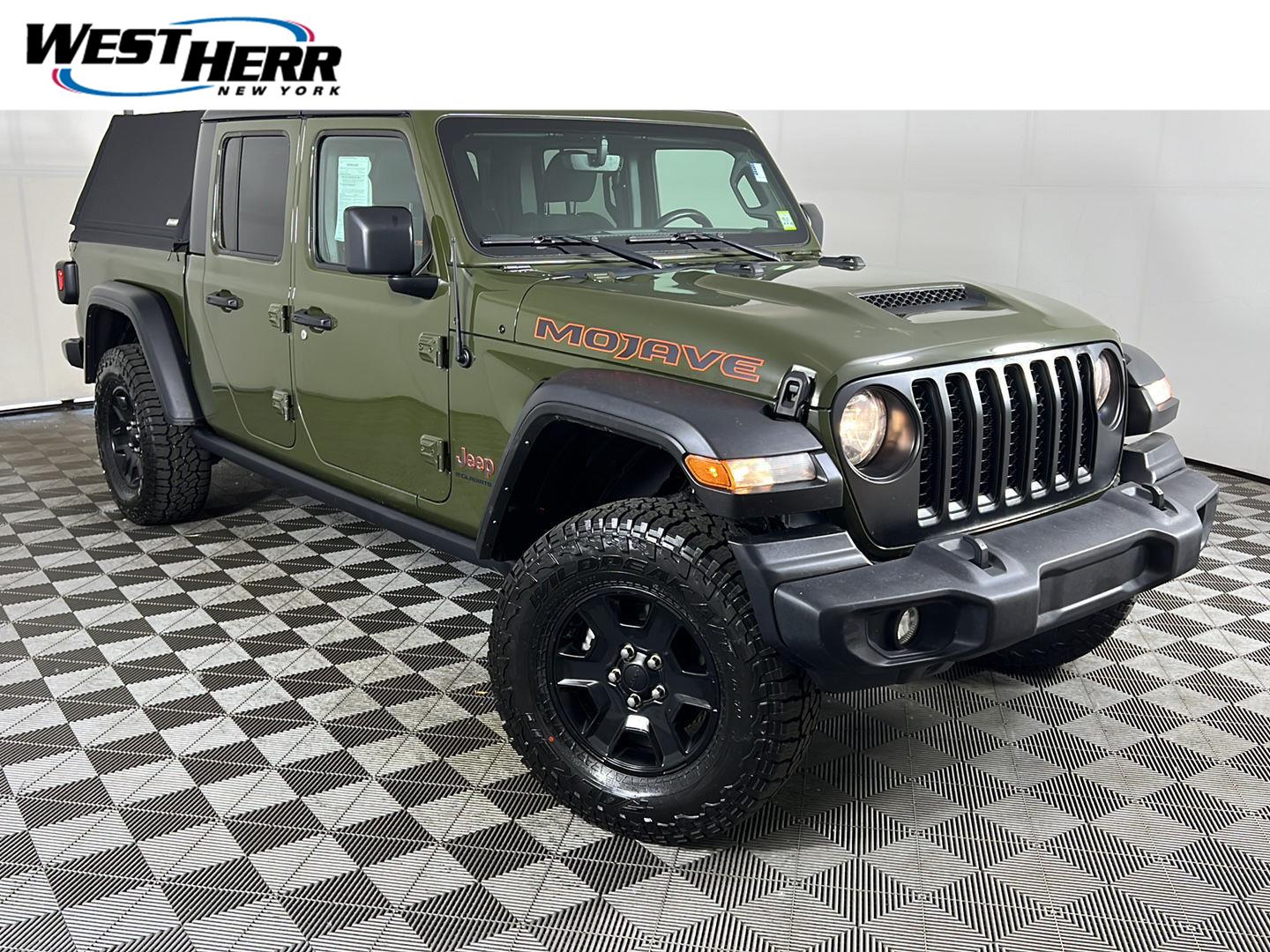
Resale Value Challenges
Jeeps hold their value well if they are in perfect condition. However, because many owners use Jeeps for off-roading, they often suffer more wear and tear.
This can lower resale value, especially if buyers see signs of heavy use.
Another non-obvious insight: many buyers think Jeeps are easy to sell because of their popularity. In reality, selling a used Jeep with high mileage or clear damage can be difficult. Buyers may hesitate due to the known reliability and maintenance issues.
Overrated Off-road Reputation
Jeeps are famous for off-road abilities, but most owners rarely use them for this purpose. You pay extra for features you might never need.
Unless you plan to drive on rough trails or in extreme weather, a Jeep’s off-road skills may be wasted.
Some newer SUVs offer basic off-road capability and much better comfort, efficiency, and reliability. It’s smart to think about how you’ll really use your car before choosing a Jeep.
Frequently Asked Questions
Is A Jeep Good For City Driving?
No, Jeeps are not ideal for city driving. Their large size, poor fuel economy, and rough suspension make them harder to park and less comfortable on smooth roads.
Are Jeeps Expensive To Insure?
Yes, insurance for Jeeps is usually higher. The risk of theft, accidents, and repair costs drives up premiums, especially for models like the Wrangler.
What Is The Most Reliable Jeep Model?
The Jeep Grand Cherokee is often seen as more reliable than the Wrangler. Still, it scores below average compared to Toyota or Honda SUVs.
Can Jeeps Be Used For Long Road Trips?
You can use a Jeep for long trips, but the ride can be uncomfortable and noisy. Fuel costs and limited cargo space also make it less practical for travel.
Are Jeeps Worth Buying For Off-road Use?
If you need a vehicle for serious off-roading, a Jeep can be a good choice. For everyday driving, other SUVs offer better comfort, economy, and reliability. You can learn more at Consumer Reports.
Buying a Jeep is tempting if you love adventure and rugged looks, but it’s important to think about your real needs. Reliability issues, high costs, and limited comfort mean a Jeep might not fit most drivers.
Before making a decision, compare your options carefully.
You’ll save money, avoid stress, and get a car that truly suits your lifestyle.