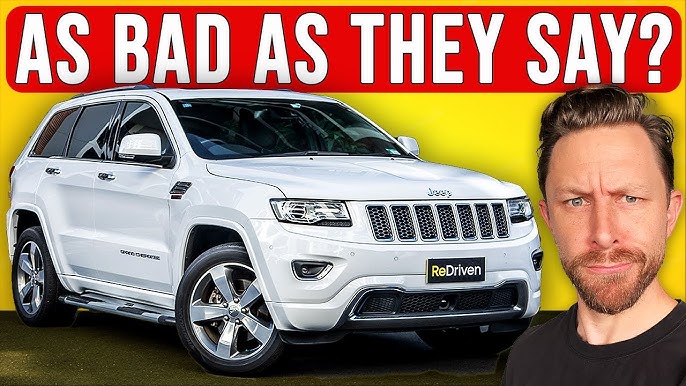
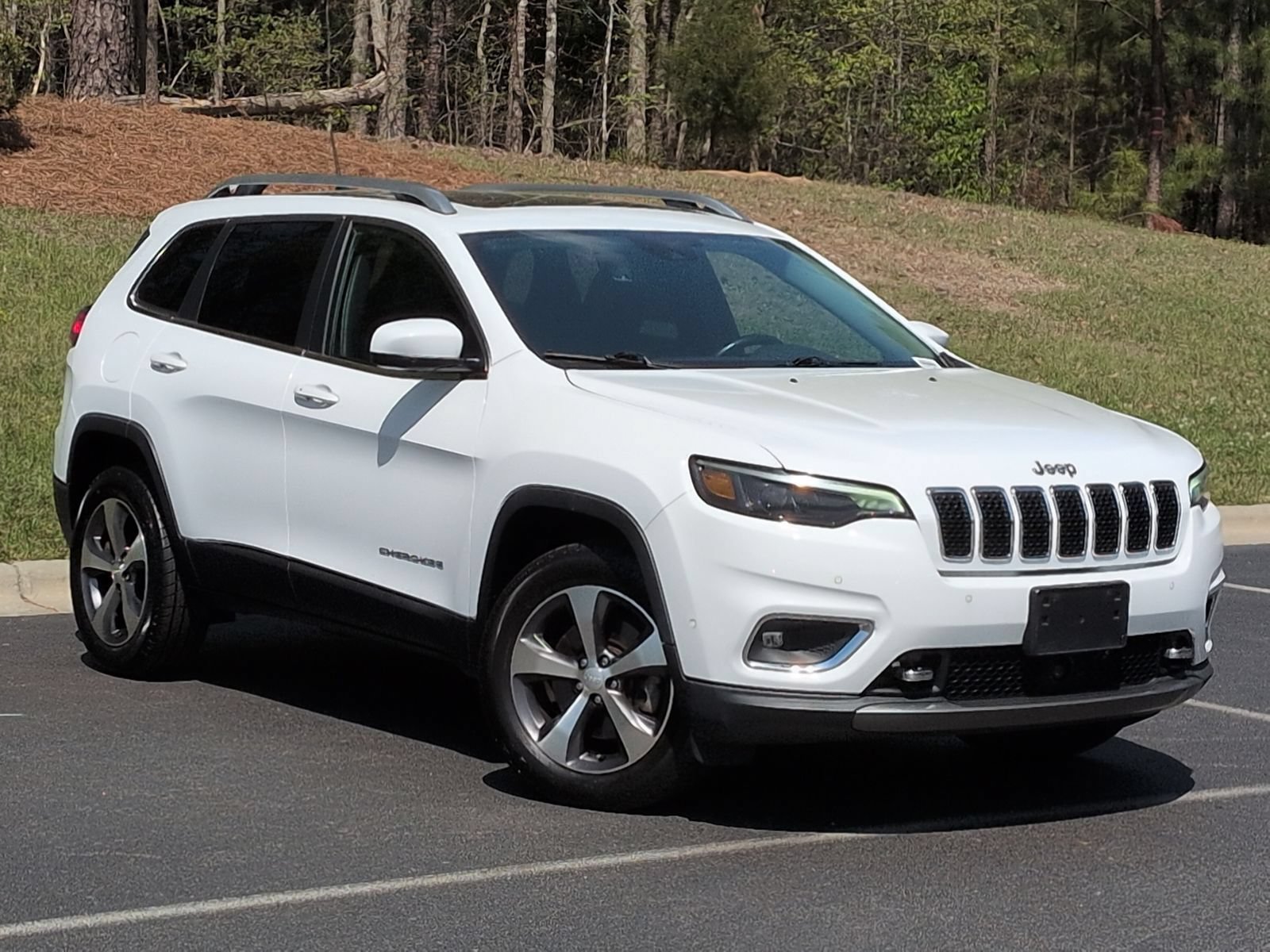
Buying a car is a big decision. Many people consider the Jeep Cherokee because it looks tough and offers good features.
However, there are important reasons why you may want to avoid buying a Jeep Cherokee. If you want a reliable, safe, and cost-effective SUV, you should know its real-world problems before making your choice.
This article helps you understand why the Jeep Cherokee might not be the best option for you. You’ll also see facts, comparisons, and answers to common questions.
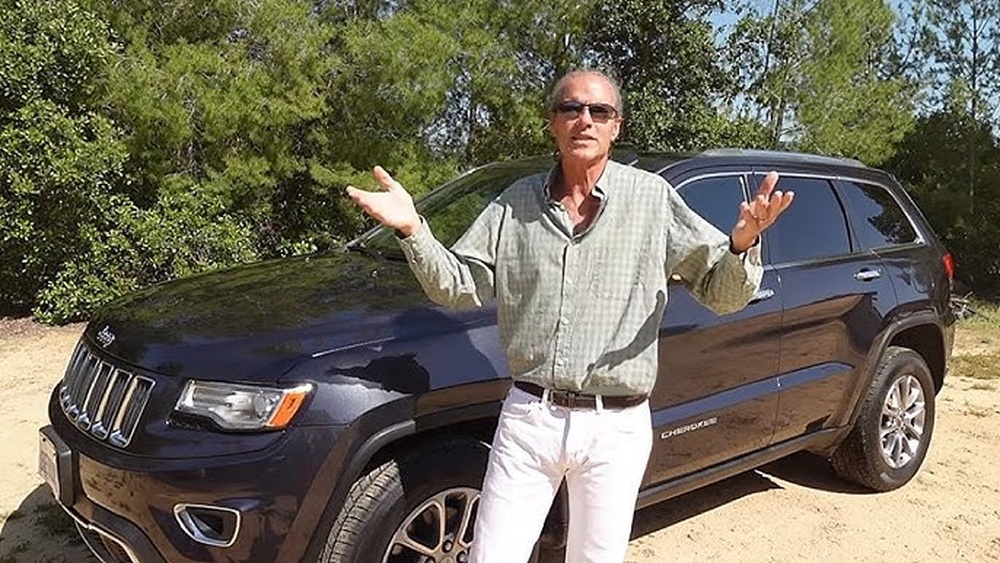
Reliability Issues
The Jeep Cherokee has a history of mechanical problems. According to Consumer Reports, the Cherokee often ranks below average for reliability. Many owners report issues with the transmission, especially in models from 2014–2019. Some transmission repairs can cost over $2,500.
Another common problem is with the electrical system. Drivers experience random warning lights, malfunctioning displays, and trouble starting the engine. In the long run, these problems can lead to frequent trips to the mechanic and high repair bills.
Reliability Comparison
Here’s a look at how the Jeep Cherokee compares to other popular SUVs on reliability:
| Model | Reliability Score (out of 5) | Common Issues |
|---|---|---|
| Jeep Cherokee | 2.0 | Transmission, Electrical |
| Toyota RAV4 | 4.5 | Minor Interior |
| Honda CR-V | 4.2 | Brake Wear |
| Ford Escape | 3.8 | Engine Cooling |
You can see that the Cherokee falls behind its main competitors.
High Maintenance Costs
Jeep Cherokees often need expensive repairs. Parts for Jeeps cost more than average, and labor can be higher. According to RepairPal, the average annual maintenance cost for a Jeep Cherokee is about $520. This is higher than the Toyota RAV4 ($429) and Honda CR-V ($407).
Some repairs are more frequent. For example, the 2014 2019 models face recurring transmission issues.
Owners also complain about oil leaks and faulty sensors. If you’re looking for low-cost ownership, the Cherokee is not ideal.
Maintenance Cost Comparison
Let’s compare maintenance costs for popular SUVs:
| Model | Annual Maintenance Cost | Repair Frequency |
|---|---|---|
| Jeep Cherokee | $520 | High |
| Toyota RAV4 | $429 | Low |
| Honda CR-V | $407 | Low |
| Ford Escape | $456 | Medium |
If you want to save money over time, other SUVs are clearly better.

Safety Concerns
Safety is important for any car buyer. The Jeep Cherokee has received average safety ratings. The National Highway Traffic Safety Administration (NHTSA) gives most Cherokees a four-star rating, while competitors like the Toyota RAV4 and Honda CR-V often earn five stars.
Cherokee’s crash test results show weak performance in side impact and roof strength tests. Some models also lack advanced safety features like automatic emergency braking and lane-keeping assist, which are now standard in other SUVs.
Safety Feature Comparison
Here’s how the Cherokee’s safety features stack up:
| Model | Automatic Emergency Braking | Lane Keeping Assist | Blind Spot Monitoring |
|---|---|---|---|
| Jeep Cherokee | Optional | Optional | Optional |
| Toyota RAV4 | Standard | Standard | Standard |
| Honda CR-V | Standard | Standard | Standard |
| Ford Escape | Standard | Standard | Optional |
Buying a Cherokee means you may have to pay extra for features that competitors include for free.
Poor Fuel Economy
Fuel costs matter, especially if you drive often. The Jeep Cherokee is not very fuel-efficient. Most models get about 22 mpg city and 30 mpg highway. In comparison, the Toyota RAV4 gets up to 27 mpg city and 35 mpg highway.
Over time, this difference adds up. If you drive 15,000 miles per year, you’ll pay about $400 more in fuel with a Cherokee compared to a RAV4.
This is a hidden cost many buyers overlook.
Depreciation And Resale Value
Cars lose value over time, but the Cherokee loses value faster than most. According to Kelley Blue Book, a Jeep Cherokee can lose up to 48% of its value in five years.
The Toyota RAV4, on the other hand, loses about 36% in the same period.
This means you’ll get less money when you sell your Cherokee. If you plan to upgrade in the future, this is an important factor.
Non-obvious Insights
Many buyers do not realize that Jeep Cherokees also have limited aftermarket support. It’s harder to find cheap replacement parts or upgrade options compared to more popular SUVs like the Honda CR-V. Another overlooked problem is road noise. Cherokees are often louder on highways, which can be uncomfortable on long trips.
Alternatives To Consider
If you’re looking for a reliable, safe, and cost-effective SUV, consider these alternatives:
- Toyota RAV4 – High reliability, strong resale value, great fuel economy.
- Honda CR-V – Smooth ride, excellent safety, affordable maintenance.
- Mazda CX-5 – Stylish design, sporty handling, good reliability.
- Ford Escape – Competitive price, good features, decent reliability.
Researching these models can help you find an SUV that fits your needs without the problems of a Jeep Cherokee. For more detailed comparisons, visit the Consumer Reports SUV Guide.
Frequently Asked Questions
Is The Jeep Cherokee Reliable For Long-term Use?
No, the Cherokee has below-average reliability. Many owners report transmission and electrical issues that can become expensive after a few years.
How Does The Jeep Cherokee Compare With Other Suvs?
The Cherokee ranks lower in reliability, safety, and fuel economy compared to the Toyota RAV4, Honda CR-V, and Mazda CX-5.
Are Jeep Cherokee Repairs Expensive?
Yes, maintenance and repairs cost more than most competitors. Common problems like transmission and sensor failures can require costly fixes.
Does The Jeep Cherokee Have Good Resale Value?
No, the Cherokee depreciates quickly. You’ll get less money when selling compared to other SUVs like the RAV4 or CR-V.
What Is The Fuel Economy Of The Jeep Cherokee?
Most models get around 22 mpg city and 30 mpg highway, which is lower than many competitors. Over time, you’ll spend more on fuel.
Choosing the right SUV can save you money and stress. The Jeep Cherokee has too many weaknesses for most buyers.
If you want a vehicle that’s reliable, safe, and affordable, look at other options. Making an informed choice will give you peace of mind and better value.