Why Jeep Is Not Reliable
Jeep is one of the most recognizable brands in the car industry. Its rugged image and off-road history appeal to many buyers.
But if you look deeper, Jeep often scores low in reliability ratings. Many owners report frequent problems, high repair costs, and disappointing durability.
This article explains why Jeep is not reliable, and what makes it different from other brands.
Reliability Ratings: The Numbers Speak
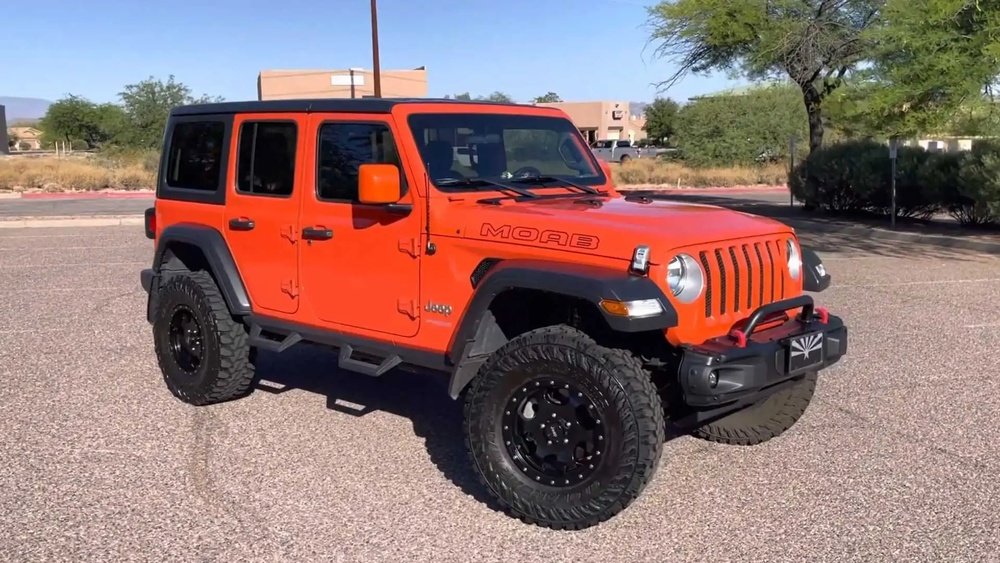
Reliability is measured by how often a car needs repairs and how severe those problems are. According to Consumer Reports, Jeep ranks near the bottom in reliability. For example, in the 2023 survey, Jeep Wrangler scored just 29 out of 100, compared to Toyota Corolla’s 87.
Here is a comparison of reliability scores for popular models:
| Brand | Model | Reliability Score (2023) |
|---|---|---|
| Jeep | Wrangler | 29 |
| Toyota | Corolla | 87 |
| Honda | Civic | 81 |
These numbers reflect real-world experiences. Jeep owners often report breakdowns after only a few years, while Toyota and Honda cars last longer with fewer issues.
Common Problems With Jeep Vehicles
Jeep vehicles have a history of several mechanical issues. Some problems appear in almost every model:
- Transmission failures: Many Jeep models, especially the Cherokee and Grand Cherokee, suffer from transmission problems. Owners report rough shifting, slipping gears, and total failure after 60,000 miles.
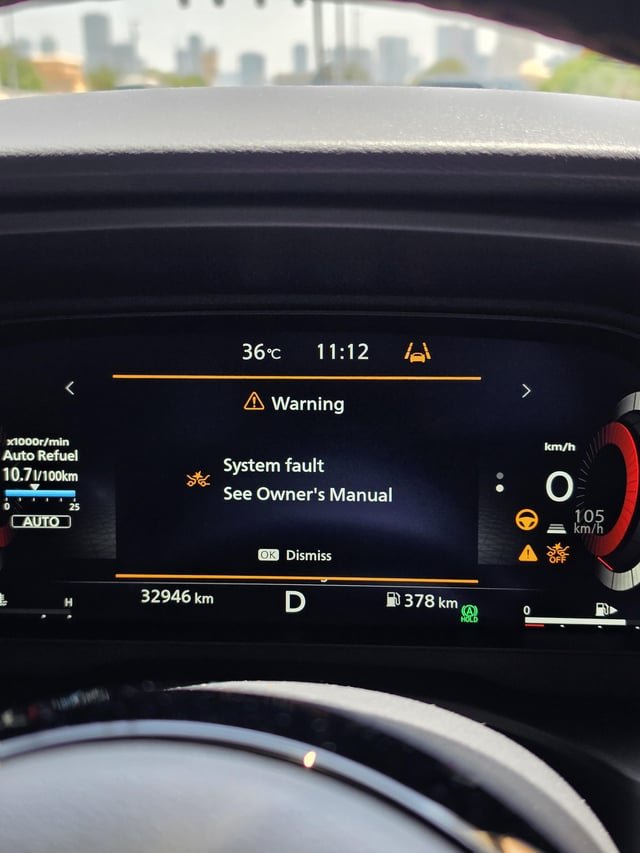
- Electrical system faults: Issues like faulty sensors, malfunctioning infotainment systems, and random dashboard warnings are common.
- Engine problems: Overheating, oil leaks, and stalling occur in models like the Wrangler and Compass.
- Suspension issues: Jeeps made for off-road use often develop suspension faults, making the ride uncomfortable even on normal roads.
These problems are not just minor annoyances. They can lead to expensive repairs.
According to RepairPal, the average annual repair cost for a Jeep is about $634. For comparison, the Toyota Corolla costs around $362 per year.
| Brand | Average Annual Repair Cost |
|---|---|
| Jeep | $634 |
| Toyota | $362 |
| Honda | $368 |
Design Choices Affecting Reliability
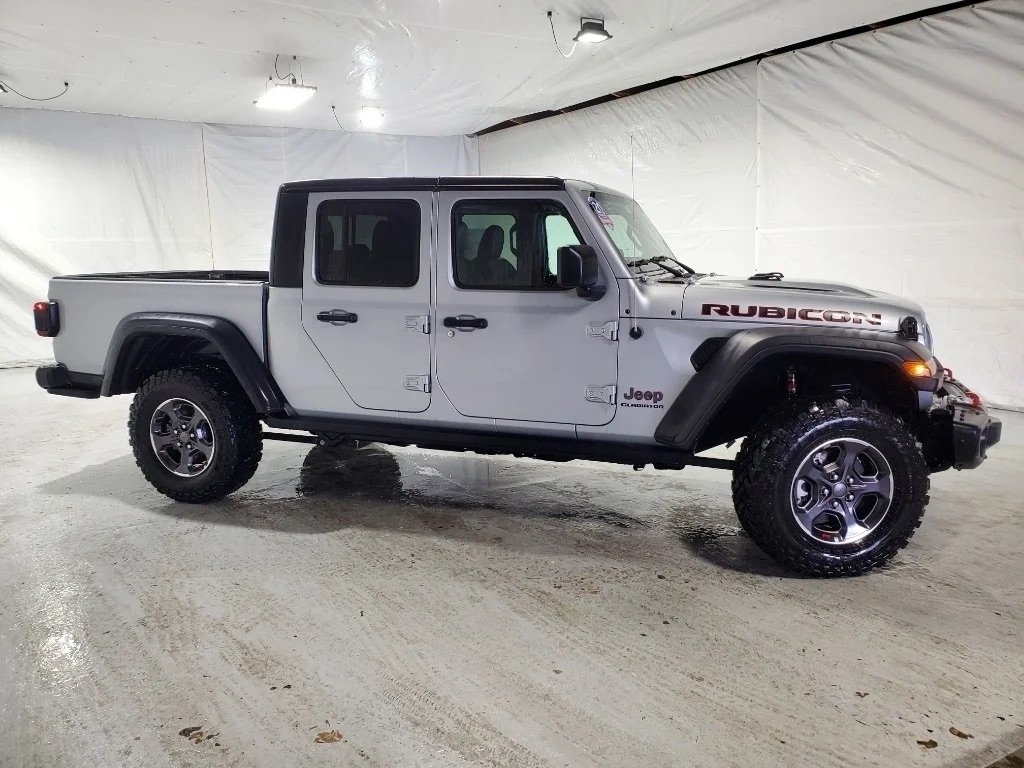
Jeep designs focus on off-road capability and rugged looks. But this focus often sacrifices reliability. Here are some examples:
- Complex 4WD systems: Jeeps use advanced four-wheel-drive systems. These are great for off-roading, but they add complexity. More moving parts mean more things can break.
- Removable components: Features like removable roofs and doors look cool, but they can cause leaks and rattles. Water damage and wind noise are frequent complaints.
- Heavy-duty suspension: The tough suspension is good for rough terrain, but it wears out faster on normal roads.
One non-obvious insight: Jeep’s unique design features, like solid axles, are great for climbing rocks but wear down quickly in everyday city driving. Most drivers use their Jeep on highways, not mountains, so these parts fail sooner than expected.
Manufacturing And Quality Control Issues
Many reliability problems are linked to quality control at the factory. Jeep has changed ownership several times, from Chrysler to Fiat Chrysler Automobiles, and now Stellantis. Each change brought new processes, sometimes leading to confusion.
- Inconsistent part quality: Not all Jeep parts come from the same supplier. Some batches are better than others, causing unpredictable reliability.
- Recall history: Jeep models are often recalled for safety issues. For example, the Jeep Grand Cherokee was recalled for faulty electrical wiring, risking fires.
Here is a comparison of recall numbers:
| Model | Recalls (2019-2023) |
|---|---|
| Jeep Grand Cherokee | 17 |
| Toyota Camry | 7 |
| Honda Accord | 6 |
Frequent recalls mean Jeep owners spend more time in the shop and less time enjoying their vehicle.
Owner Experiences And Expert Opinions
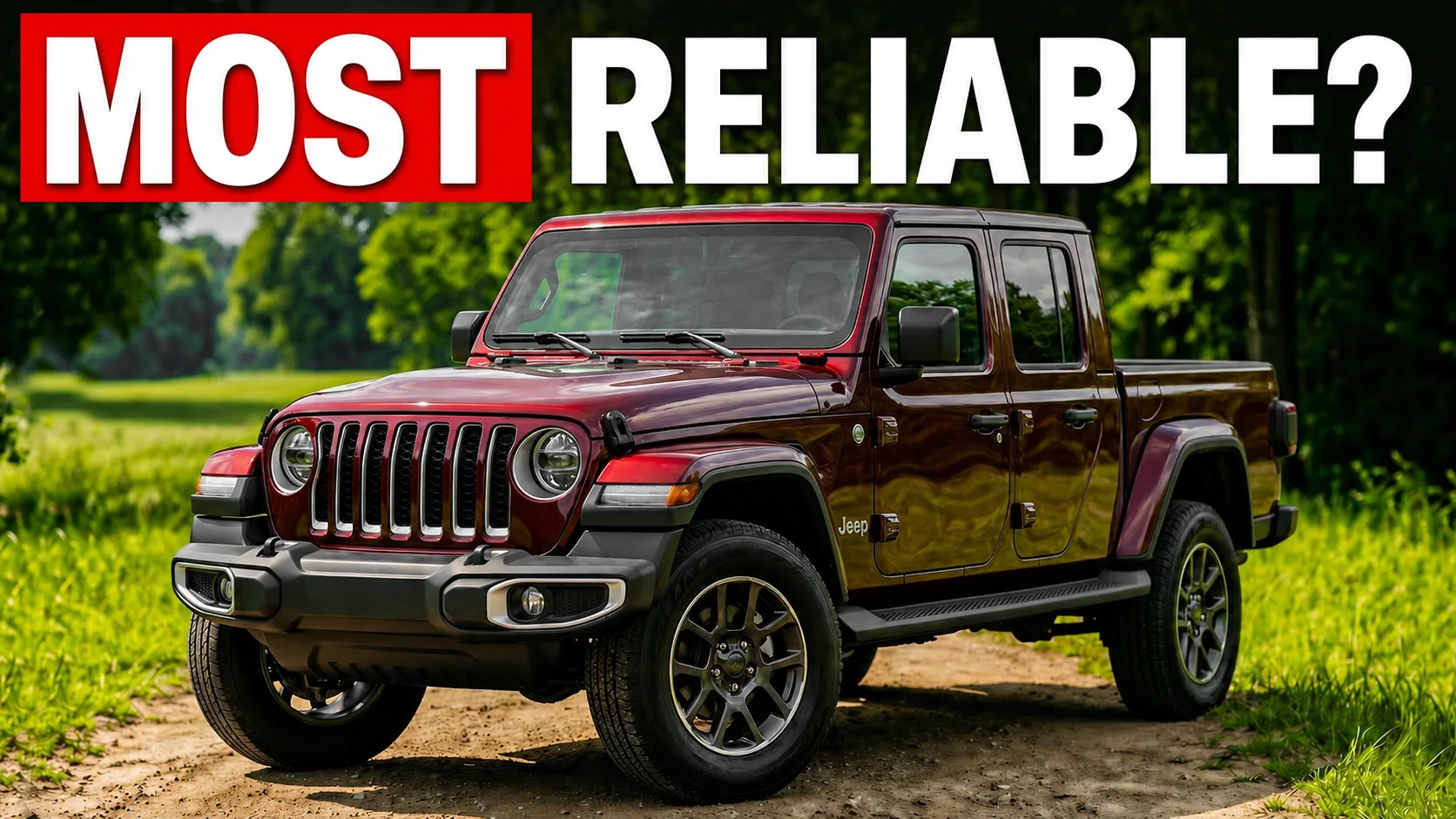
Many Jeep owners love the brand’s style and history. But forums and reviews show a pattern: new Jeep buyers are surprised by frequent issues.
- Short-lived excitement: Owners enjoy the first year, then problems start. Warranty repairs become routine. After three years, many trade in their Jeep for another brand.
- Resale value drops: Because Jeeps are seen as unreliable, their resale value is lower. Kelley Blue Book shows Jeeps lose value faster than Toyota or Honda.
Experts often recommend Jeep only for people who need true off-road capability. If you just want a reliable car, most suggest looking elsewhere.
Non-obvious Insights
- Dealership service can vary: Some Jeep dealerships have skilled mechanics, while others struggle with complex repairs. This means two owners might have very different experiences.
- Aftermarket parts are common: Because Jeep breaks down often, many owners use non-Jeep parts to fix issues. Sometimes these parts are better than originals, but not always.
Frequently Asked Questions
Why Do Jeeps Have So Many Recalls?
Jeep models often use new technology and complex systems. This increases the chance of design mistakes, leading to more recalls than other brands.
Are Older Jeeps More Reliable?
Older Jeeps, like the Cherokee XJ, are simpler and often more reliable. But newer models add features that can break more easily.
How Does Jeep Compare To Toyota And Honda?
Toyota and Honda focus on reliability and simple engineering. Jeep focuses on style and off-road ability, which often leads to more problems.
What Is The Most Reliable Jeep Model?
The Jeep Wrangler is popular, but even it scores low in reliability. If you need a Jeep, look for older models with fewer features.
Should I Buy A Jeep For City Driving?
Jeep is not ideal for city driving. Its heavy suspension and complex systems wear out fast on smooth roads. Consider another brand for everyday use.
Jeep’s legendary image is built on adventure and ruggedness, but reliability is not its strength. If you want a dependable car, look at brands that focus on long-term durability. For more data on car reliability, visit Consumer Reports. Choosing wisely can save you money and headaches in the long run.