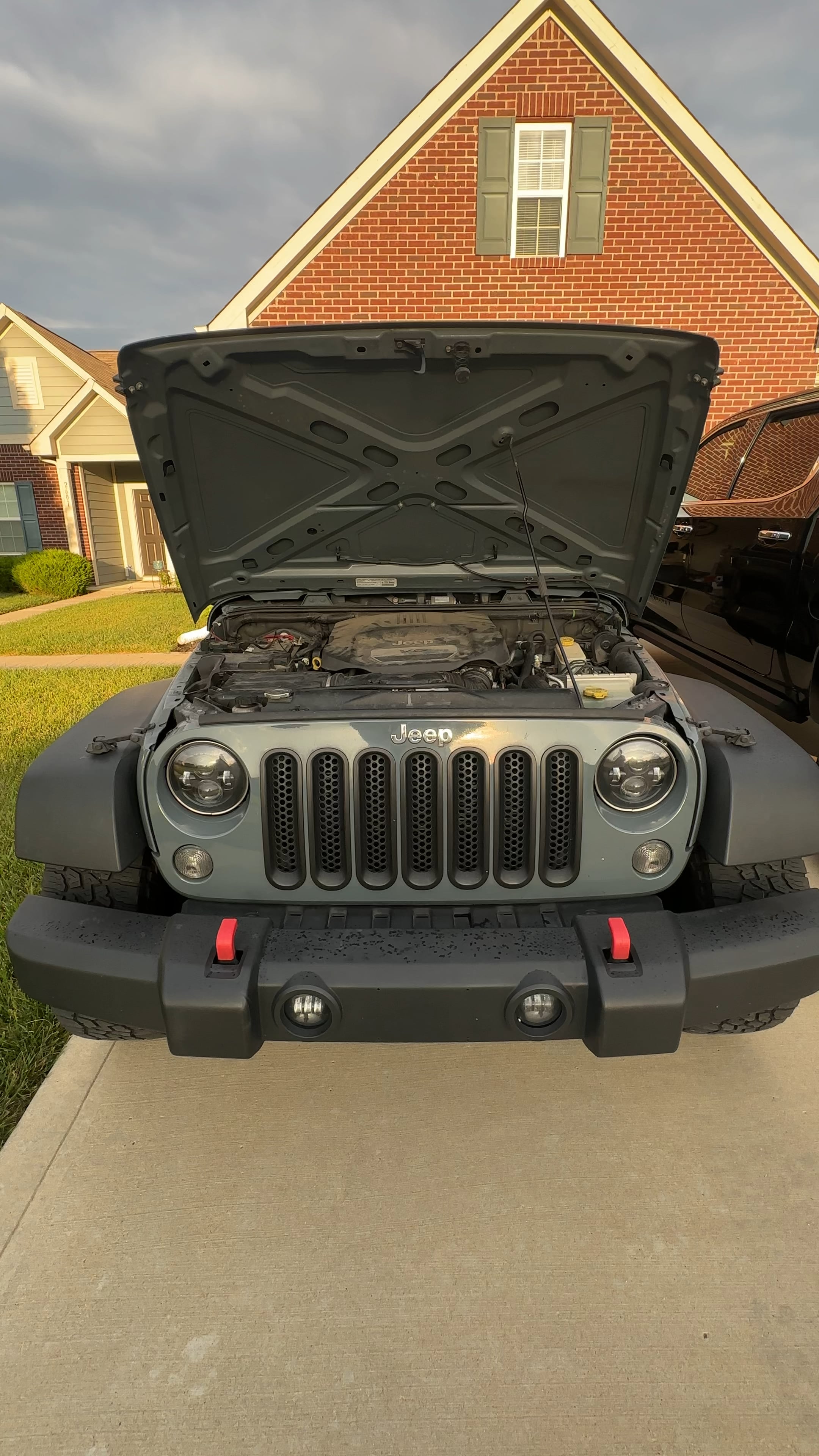
If you own a Jeep Wrangler and you hear a ticking noise, you may feel worried. Jeep Wranglers are known for their strong build and reliability, so strange sounds can be confusing.
Ticking can have many causes, from simple to serious. Knowing why your Jeep Wrangler is ticking will help you fix the issue faster and avoid costly repairs.
Common Causes Of Ticking In Jeep Wranglers
Jeep Wranglers, especially models like the JK and JL, have unique engines and parts. Ticking can come from several sources. Here are the most common reasons:
1. Exhaust Leak
A ticking noise that changes with engine speed is often an exhaust manifold leak. When exhaust gases escape, they make a sharp ticking sound, especially during cold starts. Over time, heat causes the manifold bolts to loosen.
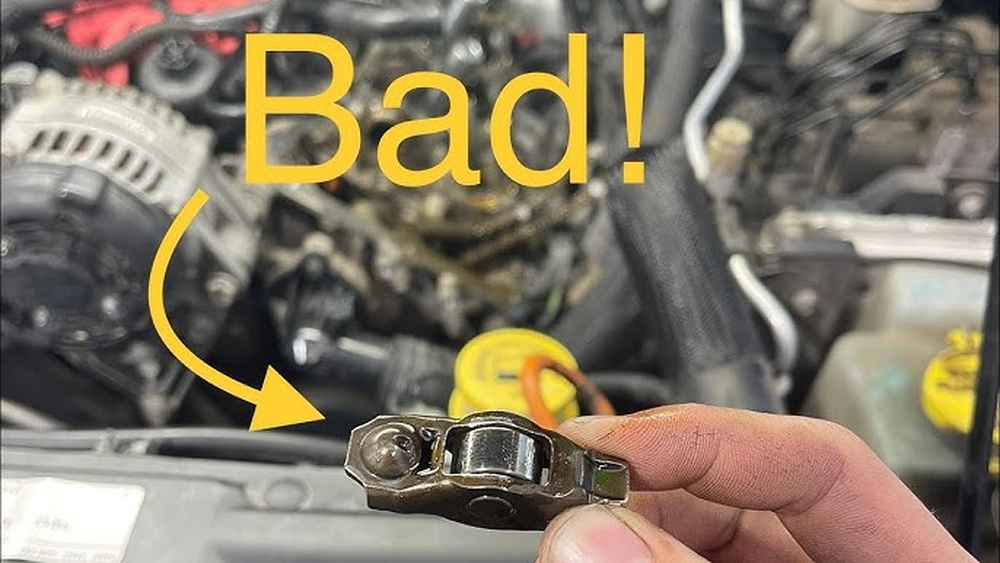
2. Valve Train Issues
Wranglers have hydraulic lifters and rocker arms that control the valves. If oil is low or dirty, these parts may not work smoothly, causing ticking as they move.
3. Fuel Injector Noise
Modern Jeep engines use electronic fuel injectors. They click rapidly to spray fuel. This ticking is normal, but it may get louder if the injectors are worn or dirty.
4. Loose Spark Plugs
A loose or cracked spark plug can cause ticking, especially when accelerating. This is easy to check and fix.
5. Engine Oil Problems
Old or low-quality oil can cause ticking, as it fails to lubricate moving parts. Wranglers with 3.
6L Pentastar engines are sensitive to oil quality.
6. Timing Chain Wear
Wrangler engines use timing chains to keep everything in sync. If the chain is stretched or the tensioner is weak, it can make a rhythmic ticking sound.
7. Accessory Belt Noise
Sometimes, the serpentine belt or pulleys make a ticking sound, especially if they are worn or misaligned.
Typical Locations For Ticking Sounds
Pinpointing the location helps you diagnose faster. Here are common areas:
| Ticking Location | Possible Cause |
|---|---|
| Engine Bay (top) | Valve train, injectors, timing chain |
| Engine Bay (side) | Exhaust manifold, spark plugs |
| Front of vehicle | Accessory belt, pulleys |
Diagnosing The Ticking Sound
Finding out why your Jeep Wrangler is ticking requires careful steps. Here’s how you can do it:
1. Listen Carefully
Pay attention to when the ticking happens. Is it only at startup? Does it get louder with RPM?
2. Check Oil Level And Quality
Low or dirty oil is a common cause. Change the oil and filter if needed.
3. Inspect Spark Plugs
Remove and check each plug for cracks or looseness. Replace or tighten as needed.
4. Look For Exhaust Leaks
Check around the manifold for black soot or visible gaps. A mirror can help.
5. Watch Engine Accessories
Inspect belts and pulleys for wear or wobble.
6. Use A Mechanic’s Stethoscope
This tool helps you pinpoint the exact location of the ticking.
When Should You Worry?
Not all ticking noises need urgent repair. Here’s a quick comparison:
| Ticking Type | Urgency | Action Needed |
|---|---|---|
| Fuel injector ticking | Low | Monitor, clean injectors if noisy |
| Valve train ticking | Medium | Check oil, seek mechanic if persistent |
| Exhaust leak ticking | High | Repair leak, prevents engine damage |
| Timing chain ticking | High | Mechanic inspection, possible repair |
How To Fix Ticking In Your Jeep Wrangler
Once you have identified the cause, fixing the ticking depends on the issue:
- Exhaust Leak: Replace gasket or tighten bolts. Sometimes the manifold needs welding.
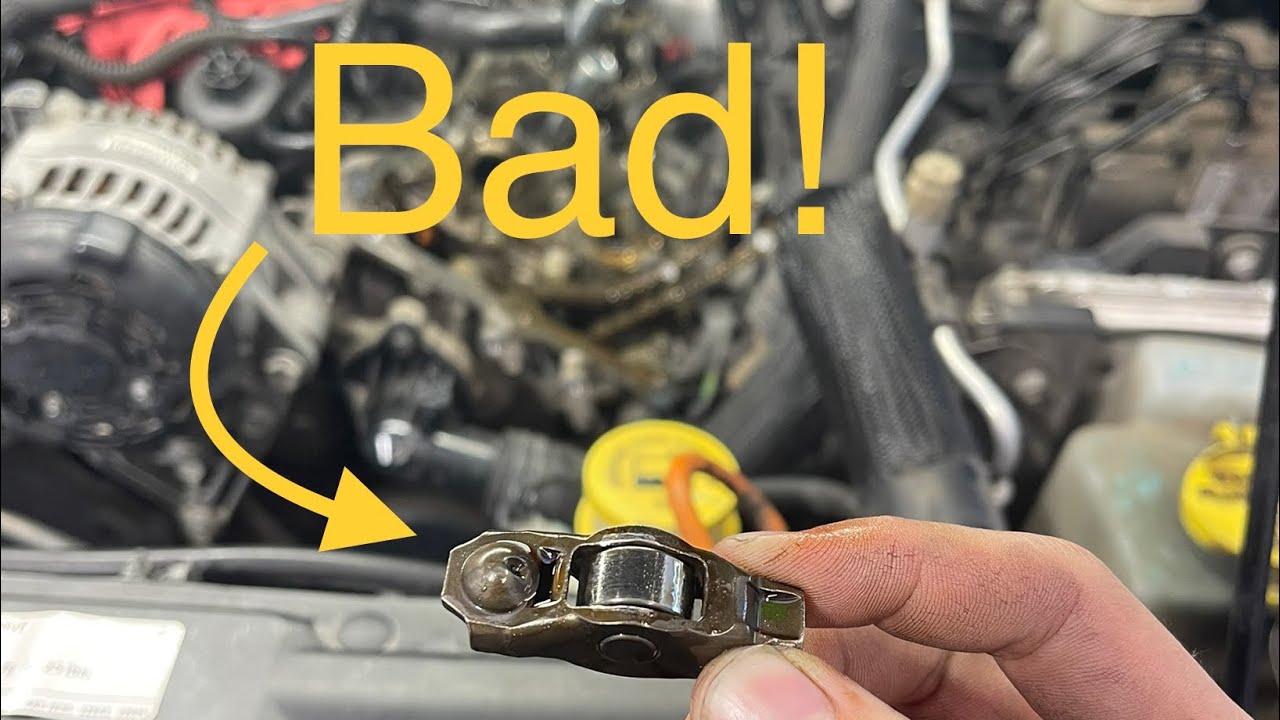
- Valve Train: Change oil, use proper grade. If ticking continues, lifters may need replacement.
- Fuel Injectors: Clean injectors with a fuel system cleaner. Replace if still noisy.
- Spark Plugs: Tighten or replace. Use the correct plug type for your engine.
- Timing Chain: This is a complex repair. Visit a trusted mechanic.
- Accessory Belt: Replace belt or realign pulleys.
Many Jeep owners ignore ticking, but it can lead to bigger problems. If you are unsure, get help from a professional.
Jeep Wrangler Engine Data
Here’s a quick look at Wrangler engine types and their typical ticking issues:
| Engine Model | Common Tick Source | Special Notes |
|---|---|---|
| 3.6L Pentastar V6 | Valve train, oil quality | Needs high-quality synthetic oil |
| 2.0L Turbo | Fuel injectors | Ticking often normal |
| 3.8L V6 | Exhaust leaks | Manifold bolts loosen with age |
Non-obvious Insights For Jeep Owners
Many Wrangler owners don’t realize that some ticking is completely normal. For example, direct injection engines make more ticking than older engines. Also, short trips where the engine doesn’t get hot can cause oil to thicken, leading to more ticking.
Another point: aftermarket parts, like performance spark plugs or headers, can cause new noises. Always use OEM parts if you want to avoid unexpected sounds.
Preventing Ticking Issues
Preventing ticking is easier than fixing it. Simple habits can make a big difference:
- Change oil regularly, using the correct grade.
- Let your engine warm up before driving hard.
- Check spark plugs and belts during routine maintenance.
- Listen for new noises after installing aftermarket parts.
Wrangler engines are tough, but regular care keeps them quiet and reliable.
If your Jeep Wrangler has a ticking sound, don’t panic. Most causes are minor, but it’s important to check soon.
Ignoring ticking can lead to expensive repairs. With careful listening and basic checks, you can find and fix most problems yourself.
If the sound is unusual or gets worse, see a mechanic for a full inspection.
Frequently Asked Questions